Have you ever wanted to pitch a tent beneath a mountain that looks like it wandered off a postcard and decided to take up loitering?
Mount Shasta's Best Camping Spots
Mount Shasta has a reputation for grandeur, odd weather, and the occasional person who swears the mountain talked to them. You will find a mix of family-friendly developed campgrounds, primitive dispersed sites for solitude, alpine meadows for ambitious backpackers, and parking-lot-adjacent RV parks for those who prefer their wilderness with electricity. This guide walks you through the best camping spots, when to go, what to pack, how to stay safe, and how to get the most out of your trip—while gently mocking your tendency to overpack.
Why Mount Shasta?
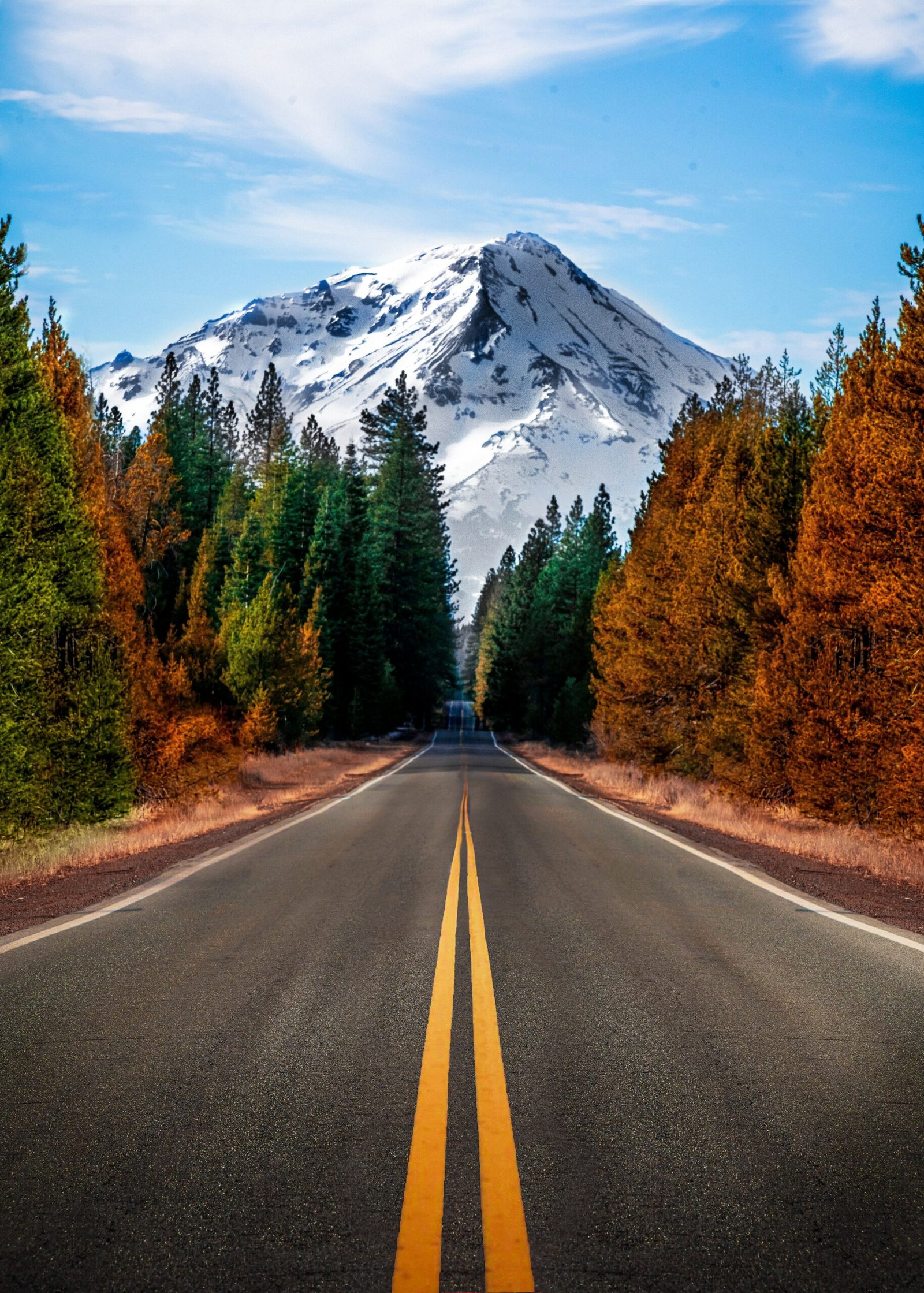
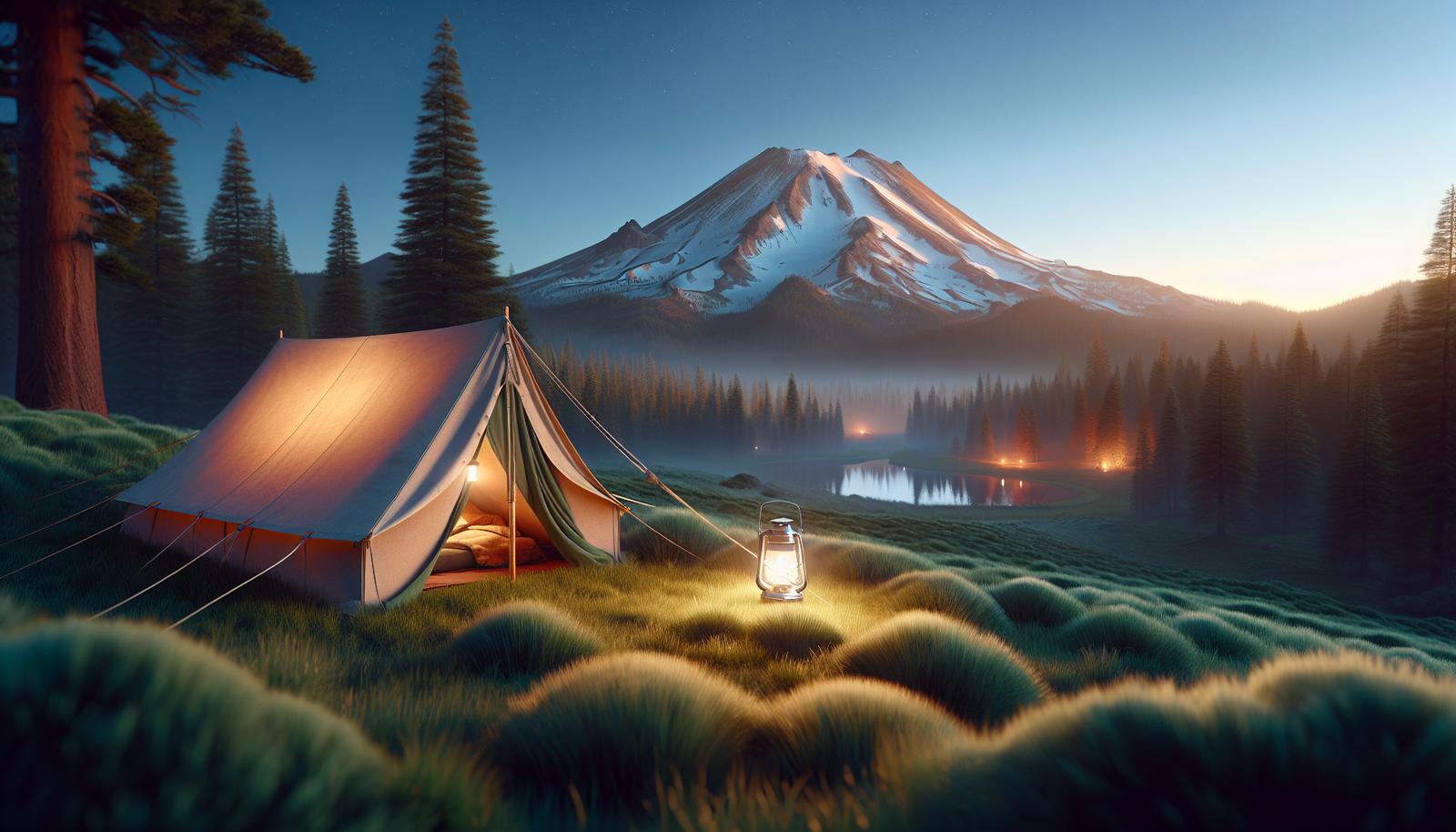
Mount Shasta is one of the most visually striking volcanic peaks in the Cascade Range, standing at 14,179 feet. You will camp among firs, beside glassy lakes, and on high alpine tundra where the air smells like cold iron and peppermint. The mountain attracts climbers, artists, families, and people with spiritual inclinations; each campsite may come with at least one anecdote about a psychedelic sunrise. The variety of terrain and services in the area means you can tailor your trip to be as pampered or as rugged as you prefer.
This image is property of images.unsplash.com.
When to Go
Choosing when to camp depends on what you want: snow on the ground and solitude, or warm nights with busy trailheads.
Spring (April–June)
Spring offers wildflowers and melting snow that makes streams dramatic. You will contend with muddy roads and variable campsite openings; high-elevation spots will still be snowbound well into June.
Summer (July–September)
Summer is peak season for a reason: the trails are mostly snow-free, campgrounds are open, and the weather is predictable. You will need reservations at popular sites, and you will likely share the well-known lakeshores with other campers who are bad at parallel parking.
Fall (October–November)
Fall brings crisp air, quieter campgrounds, and spectacular color. You will enjoy solitude and fewer mosquitoes, but services begin to close—note that some campgrounds shut for the season in October.
Winter (December–March)
Winter camping near Mount Shasta is for people who like their adventure stiff and honest. Snowshoeing and cross-country skiing replace hiking. You will need winter gear, snow-ready vehicles, and the willingness to accept that your coffee will be an icy slush if you do not own a proper camp pot.
Types of Camping Around Mount Shasta
There is a camping style to fit every temperament here, from comfortably curated to stubbornly primitive.
Developed Campgrounds
These are the sites with toilets, picnic tables, fire rings, and often reservations. You will find them at Lake Siskiyou and Castle Crags State Park, and they are perfect if you like your wilderness with a hint of plumbing.
Dispersed Camping
If solitude is your primary objective, dispersed camping in the Shasta-Trinity National Forest might be for you. You will park on forest roads, walk in, and set up where no one has left a laminated sign explaining their emotional recovery journey.
Backpacking & High-Alpine Camping
For the intrepid, Panther Meadows and other high-elevation spots offer alpine ecosystems and dramatic views. You will need to pack light but carry heavy—both in terms of gear and in terms of the satisfaction that comes from trudging uphill.
RV & Car Camping
There are KOAs and city campgrounds with hookups, ideal if you prefer the outdoors without giving up your espresso machine. You will still sleep under the stars—albeit with a few extra lights and perhaps a television.
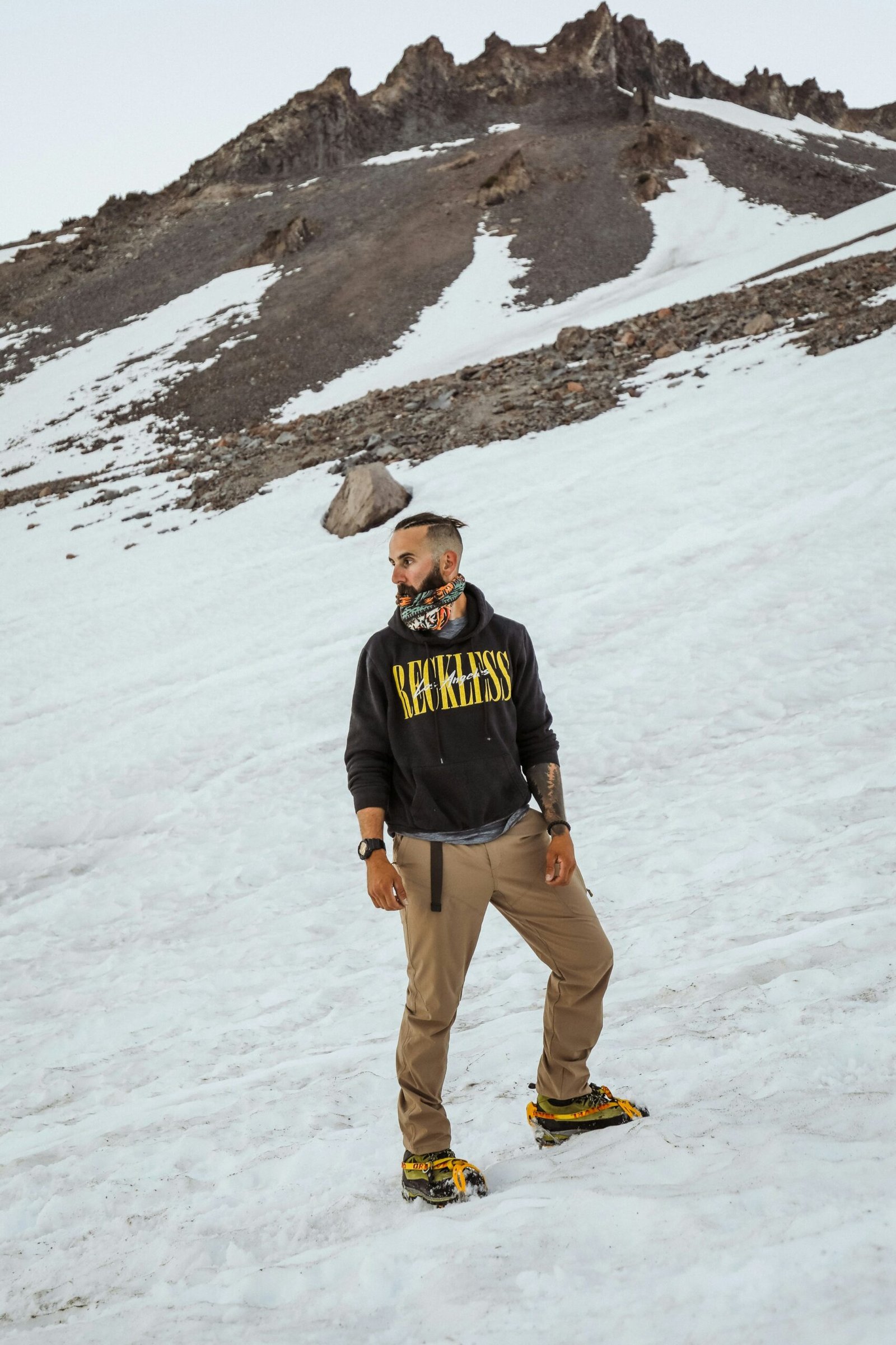
Winter Camping & Snow Camping
If you are chasing a snow-capped idyll, put on your crampons and thermals. You will be rewarded with quiet and snow that muffles the world, provided you can tolerate sub-zero impatience.
This image is property of images.unsplash.com.
Top Camping Spots (Overview Table)
Here’s a quick reference comparing the most popular camping spots around Mount Shasta. Note that details like site count and availability change seasonally—always confirm with the managing agency.
| Campground / Area | Elevation (approx.) | Type | Season | Reservations / Walk-in | Amenities |
|---|---|---|---|---|---|
| Lake Siskiyou Campground | 3,500 ft | Developed lakeside | Late spring–fall | Reservations (peak) | Restrooms, boat launch, showers |
| Castle Crags State Park Campground | 1,900–2,100 ft | State park | Spring–fall | Reservations (partial) | Restrooms, picnic tables, ranger programs |
| McCloud River Campgrounds | 1,600–2,000 ft | Developed / private | Spring–fall | Mix of reservations & first-come | Access to falls, swimming |
| Panther Meadows (backcountry) | 10,000+ ft (meadow) | High-alpine wilderness | Summer–early fall | Permits / check USFS | Primitive, spectacular views |
| Shasta-Trinity NF Dispersed | 2,500–6,000 ft | Dispersed | Year-round (road conditions) | No reservations (FS rules) | Primitive, no facilities |
| Mount Shasta KOA | ~3,600 ft | RV/Car w/ hookups | Year-round (limited winter) | Reservations recommended | Full hookups, showers, Wi-Fi |
| Bunny Flat (trailhead area) | 8,000 ft | Basecamp / parking | Late spring–fall | No formal sites; limited parking | Trail access to Avalanche Gulch |
| Castle Lake / Lake Helen Camp Area | 6,000–7,000 ft | Hike-in/backpack | Summer–early fall | Wilderness permit / registration | Primitive, alpine lakes |
Detailed Campground Profiles
Below are descriptions of prime spots, what to expect, and whether they suit your style. Each entry will point out practical considerations so you can stop asking yourself, mid-trip, if you should have packed fewer sandals.
Lake Siskiyou Campground
Lake Siskiyou is a local favorite for good reason: the lake is calm, the views of Mount Shasta are postcard-perfect, and you can paddle or swim between lounging sessions. You will find a variety of sites for tents and RVs, a boat ramp, and a nearby resort for coffee—meaning you can have rustic mornings and civilized cappuccinos the same day.
Practical notes: Reserve early in summer, expect lots of families, and consider a lakeside site for sunrise photos. Mosquitoes can be dramatic in early summer.
Castle Crags State Park Campground
Castle Crags treats you to towering granite spires and dramatic cliffs. The campsites sit among pines and manzanita, and the hiking options range from a short whim to a day-long commitment. You will enjoy interpretive trails and easy access to Interstate 5, which will be convenient unless you are avoiding humanity.
Practical notes: Night sky here is excellent for stargazing. Space fills up quickly on summer weekends. Pets are allowed on leash.
McCloud River Campgrounds
McCloud River is all about waterfalls, cool swimming holes, and old-growth forests. If you like the sound of running water and the option to hop into a chilly plunge pool, this cluster of campgrounds is your friend. You will find a mix of private and public sites, some of which are full-service and others more rustic.
Practical notes: Water levels vary; check seasonal access. Many sites are dog-friendly. Fire restrictions are common during late summer.
Panther Meadows (High-Alpine Camping)
Panther Meadows sits on the north side of Mount Shasta in a landscape that feels like a fantasy novel’s meadow. It is an unofficial but cherished wilderness camping destination for climbers acclimatizing for summit attempts and for backpackers seeking alpine isolation. You will be high enough to notice your breathing while making tea.
Practical notes: This is remote; pack everything in and out. Snow and cold can persist into July. Check with the Forest Service for specific ranger guidance and permit requirements.
Dispersed Camping on Shasta-Trinity National Forest
If you want to be alone with the pines and the occasional confused squirrel, dispersed camping on the Shasta-Trinity National Forest roads is flexible—no formal sites, no fees in most areas, and often total silence. You will need to be more self-sufficient: bring a water filter, a shovel, and a reverence for basic decency (pack out your trash).
Practical notes: Many roads require high-clearance or 4WD late in season. Practice Leave No Trace and follow forest rules for campfires and sanitation.
Mount Shasta KOA / City Campgrounds
If you prefer your outdoors with amenities: showers, hookups, and a manager who remembers your name, stay at the KOA or a city-run park. You will be able to enjoy the mountain while still catching up on a couple of modern comforts.
Practical notes: These places fill quickly during festivals and holidays. Expect a livelier atmosphere and possible late-night generators.
Bunny Flat (Basecamp for Climbers)
Bunny Flat is the popular trailhead for Avalanche Gulch, the classic non-technical climbing route on Mount Shasta. People use the area as a high-base camp, sleeping in vehicles or tents to start pre-dawn summit pushes. You will be woken early by climbers muttering about crampon fit and the ethics of coffee.
Practical notes: Bunny Flat parking is limited. If you plan to attempt the summit, acclimate properly and check avalanche forecasts and weather.
Castle Lake and Lake Helen Backpack Sites
These alpine lakes reward a stiff hike with crystal-clear water and fewer people. You will feel like you’ve traveled farther than the sign says because your legs will notice. These spots are excellent for campers who want solitude without technical climbing.
Practical notes: Prepare for cold nights even in summer. Pack a water filter and a warm sleeping bag.
This image is property of images.unsplash.com.
Comparison: Developed vs Dispersed (Quick Table)
This table helps you decide which type of site to pick based on what you want from your trip.
| Feature | Developed Campgrounds | Dispersed / Wilderness |
|---|---|---|
| Privacy | Moderate to low | High |
| Facilities | Restrooms, tables, fire rings | None (primitive) |
| Reservations | Often required | Not applicable |
| Fees | Often charged | Usually free (except some areas) |
| Accessibility | Car-accessible | May require hiking or rough vehicle |
| Wildlife food storage | Often provided | Bring bear canister where required |
Permits, Reservations & Regulations
You will want to be legal and unobtrusive in your habits. Specifics change, but general rules apply:
- Developed campgrounds: Many use Recreation.gov or state park reservation systems. Book early for summer weekends.
- Wilderness permits: Some high-elevation areas or ranger districts require permits or backcountry registration—check Shasta-Trinity National Forest and local Ranger Districts.
- Fees: National forest dispersed camping is often free, but some areas have day-use or parking fees.
- Campfire rules: Follow current fire restrictions. During fire season, campfires may be banned even in developed sites. A camp stove is your best friend.
- Dogs: Most campgrounds allow dogs on leash, but wilderness areas often restrict them to protect wildlife.
- Human waste: Use provided toilets where available; otherwise pack out waste or bury cat-holes at least 200 feet from water and trails.
Always confirm current rules before you go—ranger stations and official websites have up-to-date alerts.

Safety & Wildlife
Nature is charming and also indifferent. You should prepare accordingly.
Weather & Altitude
Weather in mountain areas can swing rapidly. You will experience warm afternoons and freezing nights in the same day. Higher elevations can cause altitude sickness—headaches, nausea, and notable breaths of regret. Acclimate, hydrate, and do not attempt summit climbs without preparation.
Bears and Food Storage
Black bears frequent the region. You will store food in bear boxes where provided or in bear canisters when in the backcountry. Never leave food in an unattended vehicle in a public campground; curious critters will test your car-door locks for honor.
River and Lake Safety
Mountain waterways are cold and have strong currents. You will want to test the current before jumping in and understand that cold shock can be dangerous. Wear a life jacket for boating and keep a close eye on children.
Avalanche & Snow Hazards
In winter and shoulder seasons, avalanches and hidden crevasses are real hazards on Mount Shasta. You will need avalanche education and equipment if traveling on snow fields. On the summit route, consider a guide if you lack experience.
Packing Checklist (Table)
This practical table helps you avoid those 3 a.m. panics when you remember you left the tent poles under a pile of questionable laundry.
| Category | Essentials |
|---|---|
| Shelter | Tent (with footprint), stakes, repair kit |
| Sleep | Sleeping bag (seasonal rating), pad, pillow |
| Cooking | Stove, fuel, lighter/matches, pot/pan, utensils |
| Food & Water | Meals, snacks, water bottles, filter/purification |
| Clothing | Layering system, rain jacket, warm hat, gloves |
| Footwear | Hiking boots, camp shoes, gaiters (if snowy) |
| Navigation | Map, compass, GPS, headlamp with extra batteries |
| Safety | First aid kit, knife, whistle, sunscreen, sunglasses |
| Misc | Bear canister (if required), trowel, trash bags |
| Optional | Camera, binoculars, book, camp chair |
Campsite Etiquette & Leave No Trace
You will want to be remembered as a considerate camper rather than “that person” who left a ring of glittering wrappers and a soggy burger on the fire grate. Follow these practices:
- Pack out everything you bring in. If the wind had a child and you left it near the trash can, pack that out too.
- Use established campsites and fire rings where possible.
- Keep noise to a minimum at night. Your playlist is not the mountain’s playlist.
- Respect wildlife; do not feed animals.
- Scatter ashes and food scraps are not souvenirs—pack them out.
Food & Cooking Tips
Camp cooking can be an act of culinary redemption or a smoldering regret. You will be happier with one-pot meals and prepped ingredients.
- Pre-chop vegetables and pre-mix spices to save time and mess.
- Use a camp stove for most cooking; when fires are permitted, keep them small.
- If you are car camping, bring a cooler with ice packs to keep perishables safe.
- Store food in bear-resistant containers, and never sleep with food in your tent.
Sample Itineraries
These sample plans will help you structure a 2- or 3-day trip depending on your ambition and caffeine requirements.
Weekend Family Trip (2 days)
Day 1: Arrive at Lake Siskiyou, set up camp, paddle on the lake, picnic, short family hike.
Day 2: Easy nature trail in Castle Crags State Park, swim in a cool pool, pack up by afternoon.
You will achieve much with minimal whining.
Summit Preparation (3 days; experienced climbers)
Day 1: Camp near Bunny Flat or a higher base to acclimate, short hike for blood oxygen negotiation.
Day 2: Acclimatization hike to a mid-elevation camp like Hidden Valley; rest and check gear.
Day 3: Pre-dawn summit push (Avalanche Gulch or other route), return to camp and rest.
You will be sore and proud; have a straightforward exit strategy and a partner who checks your harness.
Backcountry Backpacking Loop (3–4 days)
Day 1: Hike into Castle Lake area, set up a high-camp by the lake.
Day 2: Day-hike a ridge and return for a leisurely evening of cooking.
Day 3: Break camp and head out via a different trail for variety, hot meal in town.
You will appreciate the quiet and your own two feet.
Activities Beyond Camping
Camping is a great base for an array of local delights.
- Hiking: Trails range from short interpretive paths to long ridge lines. Panther Meadows and the Castle Crags trail network are excellent choices.
- Climbing: Mount Shasta offers technical routes and guided climbs for all skill levels.
- Fishing: Rivers and lakes have trout; you will need a California fishing license.
- Canoeing and kayaking: Lake Siskiyou is ideal for paddling.
- Hot springs: There are a few local hot springs for the post-camp soak—check accessibility and etiquette.
Photography & Stargazing Tips
You will want to take photographs that do the mountain justice—without cropping out your own tent in every image.
- Sunrise and sunset are prime times; compose shots with reflections in lakes for dramatic effect.
- For night photography, a sturdy tripod and a shutter-release cable will be your friends.
- Mount Shasta’s dark skies are excellent for stargazing—bring a star chart or an app, and consider a red-light headlamp to preserve night vision.
Special Considerations for Winter Camping
Winter camping rewards persistence and a hatred of convenience. Prepare for isolation and cold.
- Bring a four-season tent and a sleeping bag rated for the expected low temperature.
- Insulate your sleeping pad; two pads are better than one.
- Use snow shovels to create a flat tent platform and a windbreak.
- Keep fuel and batteries warm to maintain function.
Local Services & Contacts
You will likely want information from locals. Ranger stations, visitor centers, and small-town shops provide timely information about closures, bear activity, and trail conditions. Keep a list of contacts:
- Shasta-Trinity National Forest Ranger Districts (call ahead for permits and closures)
- State park offices for Castle Crags and other parks
- Local outfitter shops for gear rental and guided services
Check official phone numbers and websites before you go—your phone might be a decoration on the mountain.
Final Tips & Tricks
A few last bits of practical knowledge that will save you both time and dignity:
- Arrive mid-week if possible to snag the best sites.
- Bring a small roll of duct tape—many mountain miracles are repaired with it.
- Keep a lightweight tarp for extra shelter and cooking area.
- If you forget socks, socks from the nearest gas station will work in a pinch and will taste like freedom.
- Be flexible. Weather and wildlife have their own itineraries.
Closing Thoughts
You will leave Mount Shasta with more than a sunburn and a pocketful of pine needles; you'll bring back scenes that will appear in your memory at inconvenient times, like while you are paying for groceries or trying to parallel park. Whether you choose a lakeside developed site with hot showers or a windswept alpine meadow that offers only a horizon and your own heavy breathing, Mount Shasta’s camping options serve a wide range of needs.
Remember that the best campsite is the one that suits your appetite for discomfort and your willingness to make coffee over a stove that requires negotiation. Pack responsibly, respect the land, and take at least one photograph that captures the mountain without including your shoe as scale.
If you want specific guidance on reservations or a tailored packing list for a particular season, say what time of year you’re going and whether you prefer a cozy campground or a lonely backcountry patch—and we’ll tailor the plan to your appetite for cold coffee.