
Have you ever wanted to follow a less-traveled path on Mount Shasta and find quiet ridgelines, hidden meadows, and small waterfalls most people miss?
Edgewood Secret Trails and the Hidden Wonders of Mount Shasta
This article guides you through the Edgewood Secret Trails and the lesser-known wonders around Mount Shasta, CA. You’ll get practical trail descriptions, seasonal and safety advice, gear suggestions, and tips to help you enjoy these special places responsibly.
Why Edgewood and Mount Shasta are special to you
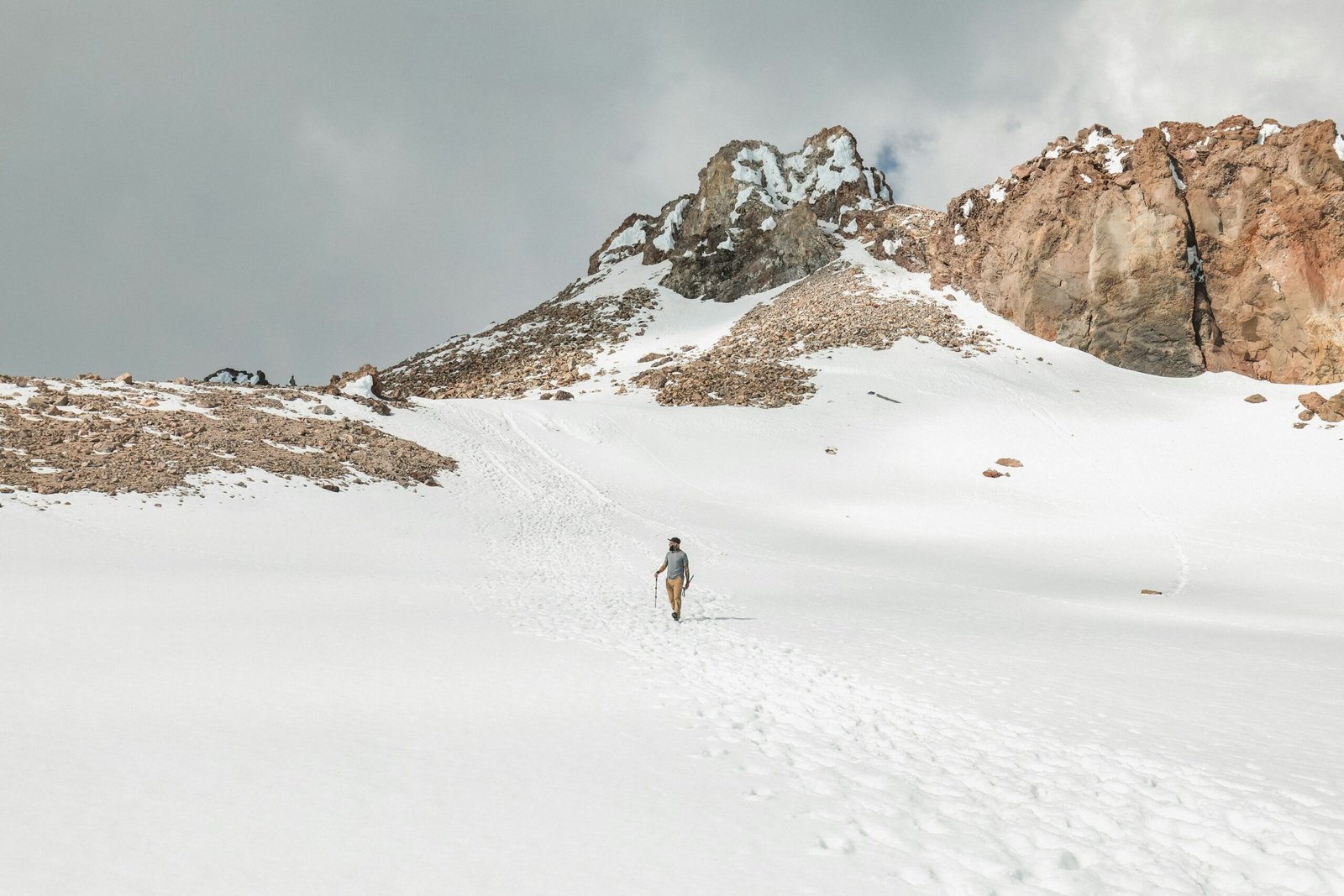
You’ll notice Mount Shasta’s presence long before you get close: it’s a landmark, a weather-maker, and for many people a spiritual place. The Edgewood Secret Trails offer a quieter way to connect with this landscape—shorter routes, hidden viewpoints, and subtle ecological variety that contrast with busier summit corridors.
This image is property of images.unsplash.com.
Where Edgewood sits in the Mount Shasta region
Edgewood refers to a network of trails and forested parcels on the lower slopes and foothills around the west and northwest sides of Mount Shasta. You’ll find trailheads within short drives from Mount Shasta city and several rural access points. This makes it easy to pair short hikes with other activities in the region.
Understanding Mount Shasta: a quick overview
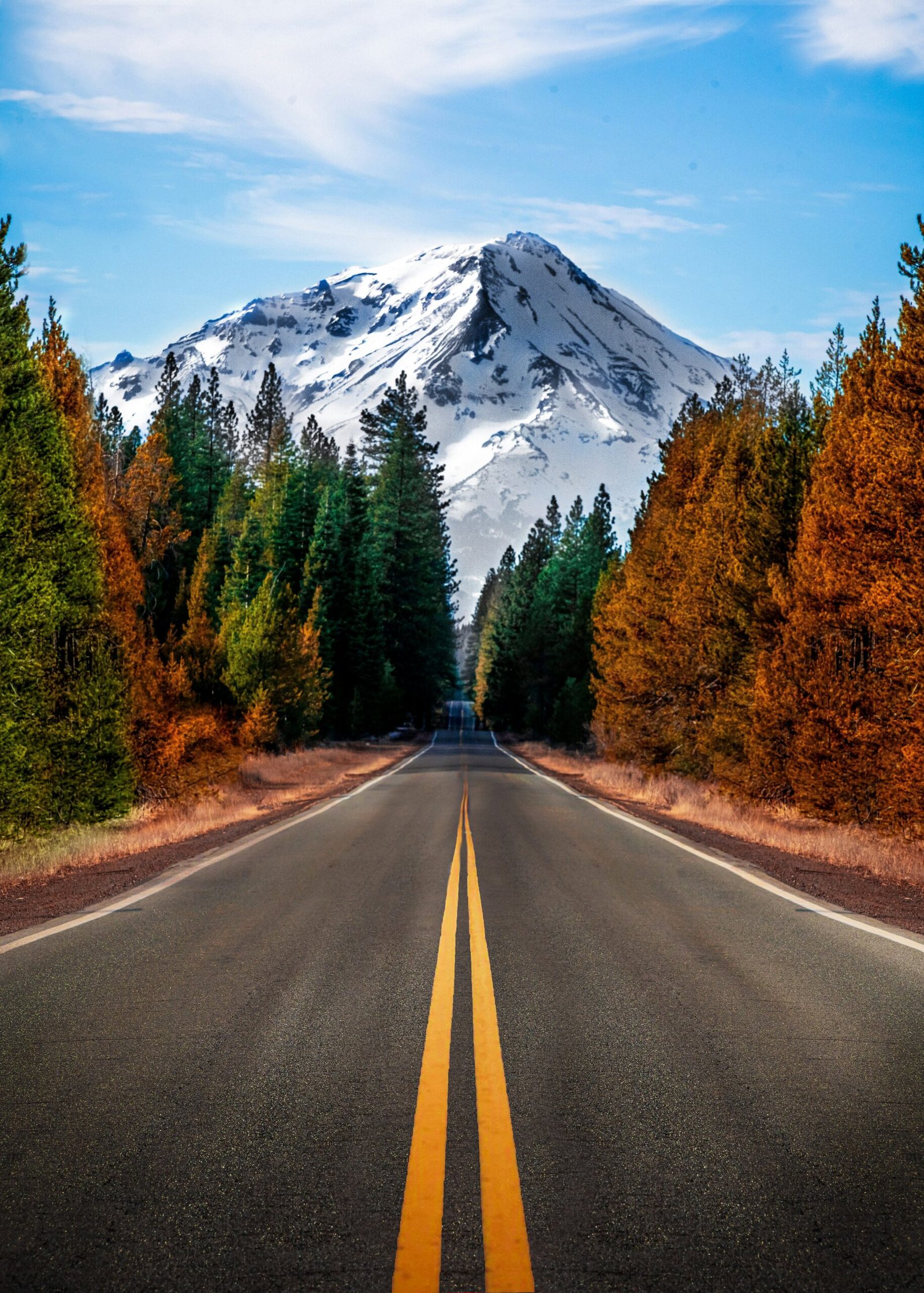
Mount Shasta is a composite stratovolcano that dominates northern California. You’ll appreciate how its sheer mass and elevation influence local climate and ecosystems, from oak-studded foothills to alpine meadows.
Geology and volcanic history you should know
The mountain is geologically active on a long timescale, built by repeated eruptions over hundreds of thousands of years. You’ll see volcanic rocks, glacial sculpting, and lava-rimmed ridges along many Edgewood trails. These features create varied terrain and interesting viewpoints.
Cultural significance to local people
Indigenous communities have known Mount Shasta for millennia, and the mountain holds cultural and spiritual importance for several tribes. When you travel here, respect cultural sites and be mindful that some areas may be sensitive or off-limits.
This image is property of images.unsplash.com.
Edgewood Secret Trails: what makes them “secret”
Edgewood trails are not necessarily hidden illegally, but many are lesser-known, unmarked connectors, old fire roads, and single-track paths that receive less traffic. You’ll find solitude, close-up views of plant communities, and unique vantage points that larger, groomed trails don’t offer.
How these trails developed and are maintained
Many routes began as logging roads, summer cattle paths, or volunteer-built connectors. Local volunteers and landowners often shoulder maintenance. You’ll encounter a mix of well-kept singletrack and rougher tread; your footwear and attention to conditions will matter.
Access points and trailhead tips
Most trailheads are reachable by vehicle on paved or well-graded gravel roads. You’ll want to arrive early on weekends to secure parking and to avoid hot midday sun in summer. Some trailheads have small informal pullouts rather than established lots, so park considerately.
Trail comparison: pick a route that fits your day
This table helps you compare popular Edgewood routes by length, difficulty, elevation gain, and typical highlights so you can choose what best fits your energy and time.
| Trail Name | Distance (one-way/loop) | Difficulty | Elevation Gain | Typical Time | Highlights |
|---|---|---|---|---|---|
| Edgewood Loop | 3.5–5 miles (loop options) | Easy–Moderate | 400–800 ft | 1.5–3 hrs | Wildflowers, oak woodlands, meadow viewpoints |
| Cedar Ridge Connector | 2–4 miles (out-and-back) | Moderate | 600–1,000 ft | 1–2.5 hrs | Forest ridgeline, views of Mount Shasta |
| Lower Creek Path | 2–6 miles (linear) | Easy | 100–300 ft | 1–2 hrs | Creek crossings, small waterfalls, shade |
| Summit Ridge Spur | 6–10 miles (out-and-back) | Strenuous | 1,200–2,200 ft | 3–6 hrs | Panoramic views, volcanic features |
| Old Logging Road | 4–8 miles (loopable) | Moderate | 500–1,200 ft | 2–4 hrs | Quiet meadows, historical artifacts |
This image is property of images.unsplash.com.
Detailed trail descriptions and what to expect
Below are a few signature routes you’ll likely encounter in the Edgewood area, with practical details so you can plan a successful outing.
Edgewood Loop
This loop is one of the most accessible options for a half-day hike. You’ll move through oak-dotted slopes and open meadows, which can be especially rewarding in spring and early summer when wildflowers are abundant. The trail surface is a mix of packed dirt and gravel, with moderate ups and downs and several small, well-positioned viewpoints.
Cedar Ridge Connector
Cedar Ridge climbs a pleasant forested spine with patches of pine and cedar, as the name suggests. You’ll gain steady elevation on a mostly singletrack tread that rewards you with sweeping views to the north and west. It’s a great choice if you want a shorter but heartier outing with strong views of the mountain.
Lower Creek Path
This low-elevation trail follows a creek through riparian habitat. You’ll find shade, water features, and a more intimate birding experience. The path can be rocky in places but is generally gentle. In wetter months it may require cautious creek crossings, so you may prefer it in late spring through early fall.
Summit Ridge Spur
If you want a longer, more strenuous day, the Summit Ridge Spur pushes higher where volcanic rock and glacial scouring become apparent. You’ll encounter steeper pitches, loose rock, and panoramic views that include alpine terrain on clear days. This route is best for experienced hikers with good footwear and navigation skills.
Old Logging Road and connector loops
Old logging roads make good backbone trails for multiple loop options. You’ll be able to string together short or long hikes by linking old roads with singletrack connectors. These routes often feel quieter because fewer people commit to longer circuits.
Flora and fauna you’ll notice on your hikes
The Edgewood area supports a mosaic of ecosystems that change with elevation and aspect. You’ll recognize distinct communities that make the hike interesting every season.
Trees and plants
In lower areas you’ll find blue oak, California black oak, and manzanita. As you climb into cooler, shadier spots, ponderosa pine, Douglas fir, and incense cedar become more common. You’ll also spot wildflower displays—lupine, paintbrush, phlox, and a variety of native meadow species—especially in spring and early summer.
Wildlife encounters
You’ll likely see smaller mammals such as squirrels, chipmunks, and rabbits, and you may notice deer in the meadows at dawn or dusk. Raptor activity is common: red-tailed hawks and kestrels often hunt the slopes. Keep a respectful distance from wildlife and secure your food to avoid habituation.

Seasonal considerations: when you should come and what to expect
Each season offers different conditions and rewards. You’ll want to plan your visit based on what you value—wildflowers, solitude, snow-covered scenery, or mild temperatures.
| Season | Conditions You’ll See | Why You Might Visit | Notes for You |
|---|---|---|---|
| Spring (Mar–May) | Melting snow at higher elevations, prolific wildflowers, swollen creeks | Wildflowers, birding, pleasant temperatures | Bring waterproof footwear for muddy patches |
| Summer (Jun–Aug) | Warm to hot days, dry trails, stable weather | Long days and high wildland visibility | Start early to avoid heat; carry plenty of water |
| Fall (Sep–Nov) | Cooler temps, clearer air, late-season blooms, lower water flow | Crisp air and solitude | Watch for early snow at higher elevations |
| Winter (Dec–Feb) | Snow at higher elevations, muddy lower trails, limited daylight | Snowshoeing/quiet snow hikes (if equipped) | Check for road closures and avalanche risk above treeline |
Trail logistics and access advice
You’ll find practical logistics matter more than you might expect. Time of arrival, parking, and water planning can make or break your day.
Parking and trailhead etiquette
Many Edgewood trailheads have small pullouts rather than formal lots, so you’ll need to park considerately and avoid blocking driveways or gates. If lots are full, consider a nearby alternative or come back during quieter hours.
Water and restrooms
You’ll generally need to carry your own water. Lower trails may have seasonal streams but do not rely on them as your only source—treat or filter any surface water. Formal restrooms are uncommon at smaller trailheads, so plan accordingly.
Navigation and cell signal
Cell coverage is variable; don’t assume you’ll always have a signal. You’ll want to carry a map and compass or an offline GPS app with downloaded maps for the area. Trail junctions can be subtle on lesser-used singletrack.

Safety: common hazards and how you should prepare
Safety in the mountains is about redundancy and planning. You’ll reduce risk by planning for weather, having the right gear, and understanding local hazards.
Weather and microclimates
Mount Shasta’s size creates localized weather patterns. You might start with sun, then experience wind or sudden cloud buildup. You’ll carry layers and check forecasts before heading out.
Wildlife and snakes
Rattlesnakes inhabit lower, warmer rocky slopes; you’ll watch your step and avoid stepping where you can’t see. For larger wildlife encounters, make noise to avoid surprising animals and store food securely.
Terrain hazards and emergency prep
Loose volcanic rock and steep scree can make travel slow and technical. You’ll use trekking poles for stability on descents and carry a basic first-aid kit. Let someone know your plans and expected return time.
Leave No Trace and local rules
You’ll help maintain these trails by following Leave No Trace principles: pack out what you bring, avoid widening trails, keep dogs under control, and camp only where permitted. Many areas restrict fires and have seasonal rules—check posted signs and local land manager websites.
Photography and observation tips to capture the best moments
You’ll want to bring a camera or use your phone effectively to capture the mountain, meadows, and creek features. Consider light and composition to make more striking images.
Best times for photos
Early morning and late afternoon provide the most flattering light and cooler conditions. You’ll catch the mountain in soft warm light or with dramatic shadows that emphasize texture.
Composition and gear suggestions
Include foreground interest (rocks, flowers, or a small creek bend) to add depth to landscape photos. You’ll appreciate a polarizing filter to reduce glare and intensify sky color, and a small tripod if you like long exposures for waterfall shots.
Suggested half-day and full-day itineraries
These itineraries help you fit an Edgewood outing into your schedule, whether you have a couple of hours or a full day.
Short morning loop (2–3 hours)
Plan: Arrive at dawn, do the Edgewood Loop, and finish back at your car by mid-morning. You’ll enjoy cooler temperatures, bird activity, and morning light on the mountain. Bring a thermos and a small snack for a summit-view picnic.
Half-day ridge and meadow combo (3–4 hours)
Plan: Drive to Cedar Ridge Connector, climb the ridge for views, then descend via an old logging road to form a loop. You’ll work a bit, but get strong views and a variety of habitats in a single outing. Carry 1–2 liters of water and start early in summer.
Full-day summit ridge and connectors (6+ hours)
Plan: Tackle Summit Ridge Spur and add on side loops for an all-day adventure. You’ll experience more challenging terrain and potentially alpine environments. Pack lunch, extra layers, navigation tools, and emergency supplies.
Gear checklist: what you should carry
This table outlines essential and recommended gear for Edgewood outings. Adjust quantities for season and length of your hike.
| Item | Essential for | Notes |
|---|---|---|
| Daypack | All outings | Comfortable fit, 15–30L for day hikes |
| Water | All outings | 1–3 liters depending on weather and distance |
| Navigation (map/compass/GPS) | All outings | Download offline maps if using phone |
| Footwear (hiking boots/shoes) | All outings | Sturdy tread for rocky sections |
| Layers (wind/rain jacket, insulating layer) | Spring–Fall; essential in variable weather | Weather can change rapidly |
| Sun protection (hat, sunscreen, sunglasses) | Spring–Summer | High-altitude sun is stronger |
| Snacks and lunch | All outings | High-energy, easy-to-carry foods |
| First-aid kit | All outings | Include blister supplies and tape |
| Headlamp | Late returns/short days | Batteries fresh |
| Trekking poles | Steep or loose terrain | Helpful on descents |
| Microspikes or snow gear | Winter or early spring | For icy or snow-covered sections |
| Trash bag | All outings | Pack out everything you bring in |
Camping, multi-day permits, and overnight rules
If you plan to camp on nearby public lands, confirm overnight rules and permit requirements. You’ll find that some areas near Mount Shasta have designated campgrounds, while primitive campsites may require self-regulation and a solid Leave No Trace ethic. Check with the managing agency for specifics.
Nearby attractions and day trips you can add
Edgewood trails pair well with other regional sites, so you can make a full day or weekend of your trip. You’ll find several destinations within a short drive.
Mount Shasta City
This small town offers supplies, local eateries, and visitor information. You’ll be able to resupply or enjoy an après-hike meal.
McCloud River Falls
A short drive away, these tiered waterfalls are scenic and accessible. You’ll appreciate crystal-clear water and picturesque pools during warmer months.
Castle Crags and Shasta-Trinity National Forest
If you want dramatic granite spires or longer wilderness experiences, these areas offer extended routes and different geological settings you’ll enjoy.
Mount Shasta Ski Park (seasonal)
If you visit in winter, you’ll find groomed trails, snowshoeing, and skiing opportunities at the ski park. You’ll need appropriate winter gear for safety.
Conservation and how you can help protect these trails
You’ll be part of the solution by following rules, volunteering, and supporting local stewardship groups. Trail maintenance days, invasive species removal, and public-education efforts all keep the trails healthy for future users. Contact local land managers or trail groups to find volunteer opportunities.
Frequently asked questions you might have
This section addresses common questions you’ll probably ask as you plan your visit.
Do I need a permit to hike the Edgewood trails?
Most short day hikes do not require a permit, but overnight camping on public lands may require permits depending on the jurisdiction. You’ll check with the county and federal land managers for any seasonal restrictions.
Are dogs allowed on these trails?
Dogs are often allowed, but you’ll keep them leashed where required and clean up after them. Some sensitive areas may restrict dogs, so verify rules before heading out.
When is the best time to see wildflowers?
Late spring to early summer is typically best for wildflowers, though timing varies with snowpack and elevation. You’ll aim for May through June for lower elevation blossoms, with higher meadows peaking later.
How crowded do these trails get?
You’ll generally find fewer people on Edgewood routes than on the main summit trails, but weekends and holidays can see increased use. Arriving early or visiting weekdays gives you maximum solitude.
Is there cell service?
Service is patchy; you’ll prepare for limited reception. Download maps and tell someone your plans when cellphone coverage is unreliable.
Responsible photography and cultural respect
When photographing landscapes and cultural sites, be mindful of privacy and sensitivity. You’ll avoid photographing ceremonial or restricted areas and will seek permission when photographing people. Post responsibly to protect culturally significant places.
Planning your trip: a quick checklist for the day
Before you go, make sure you’ve taken care of a few essential items so your outing is safe and enjoyable.
- Choose a trail that matches your fitness and time.
- Check weather and any local advisories or trail closures.
- Pack water, layers, navigation, and a first-aid kit.
- Tell someone your route and expected return.
- Leave no trace: pack out what you bring in.
Final thoughts on your Edgewood experience
These trails give you a quieter, more personal way to experience the foothills and lower slopes of Mount Shasta. You’ll find moments of solitude, natural detail, and landscape variety that reward careful attention. Treat the land with respect, be prepared, and your visit will be both safe and memorable.
If you’d like a printable checklist, a GPS-ready trail file, or suggested day plans tailored to a specific season, tell me what date range you’re planning and how long you want to hike, and I’ll help you put together a personalized plan.