
Have you ever felt the urge to stand very still on a mountain and wait for it to say something back?
This image is property of images.unsplash.com.
The Spiritual Side Of Mount Shasta: A Meditation Guide
You are about to spend time with a mountain that has been collecting stories for centuries. Whether you arrive because something in your chest nudged you, because you read a tiny paragraph in a travel guide, or because friends with better timing and worse fashion sense convinced you, Mount Shasta tends to make people quiet in ways they didn’t expect.
This guide gives you practical meditation techniques tailored to the mountain, historical and cultural context to keep your visit respectful, and gentle scripts you can use in the field. You’ll find humor, instructions, and reminders that you are, in fact, human — which is essential when a snow-capped peak makes you feel like a small, noisy creature.
Why Mount Shasta Feels Different
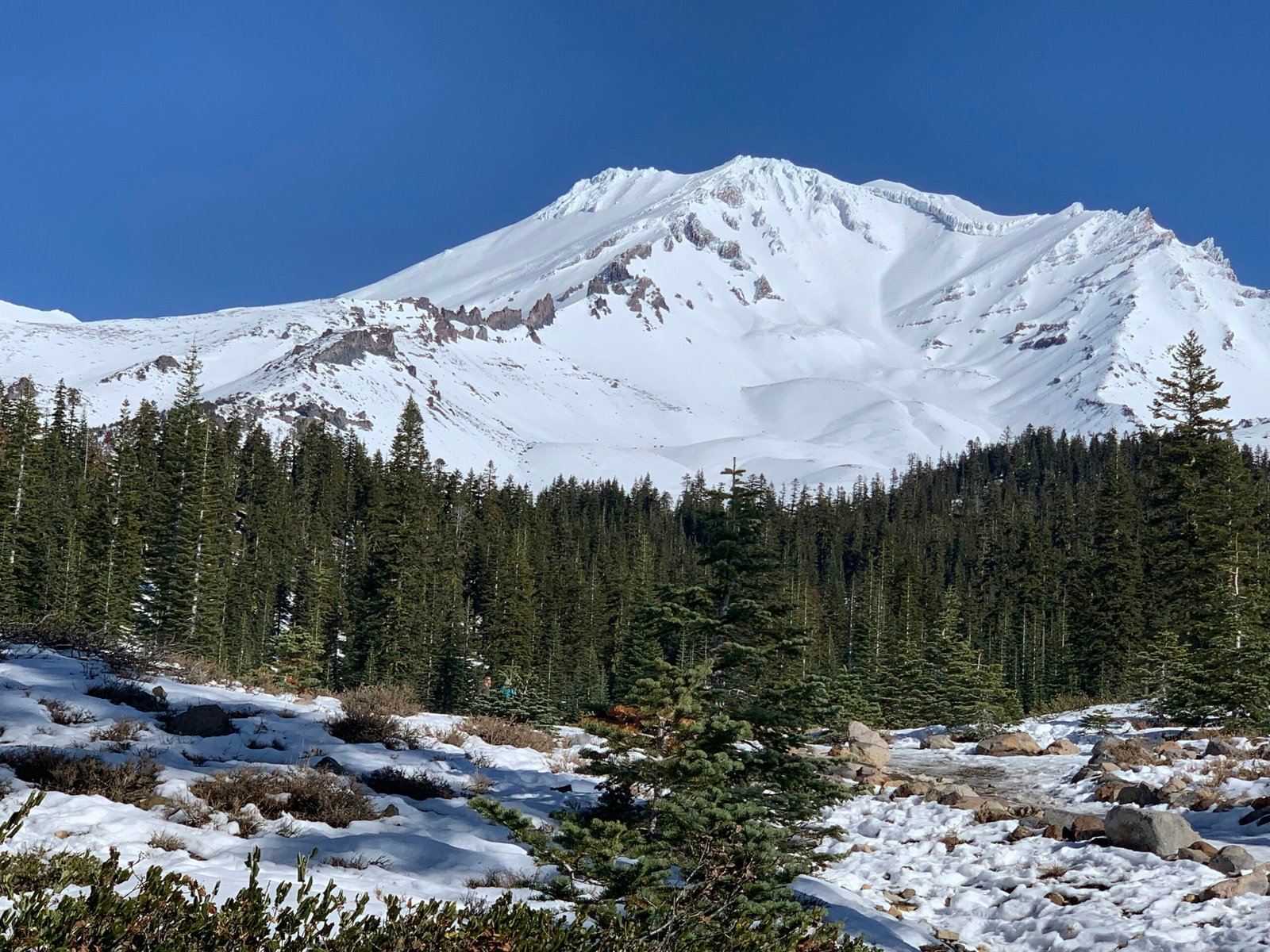
Mount Shasta has a presence that people notice immediately: an enormous cone rising from rolling hills, often capped with snow even when the valley is warm. Geologically, it’s a stratovolcano in the Cascade Range, but spiritually, it's a container for stories.
To you, the mountain might feel like a steady, immovable friend who doesn’t call back. That sensation is partly physical — the altitude, the silence, and the reduced sensory chaos — and partly cultural, built from centuries of indigenous reverence mixed with modern mythmaking. Both halves matter: one supplies physiology, the other provides meaning.
Geological and Environmental Context
Understanding the mountain’s physical makeup helps your practice stay grounded in reality. Its elevation, predictable weather swings, and forested lower slopes influence where and how you can sit, breathe, and be still.
You’ll want to check local trail conditions, avoid fragile meadows, and respect seasonal closures. The mountain’s climate can change quickly, so the way you set intention should include pragmatic safety measures.
Indigenous Traditions and Respect
Local Native American tribes — including the Wintu, Karuk, Yana, and others — have long-standing relationships with the land. For them, Mount Shasta is part of a living geography filled with stories, rules, and obligations that have nothing to do with merchandise or social media posts.
When you arrive, assume you are on someone else’s sacred landscape. Ask permission where appropriate, seek guidance from tribal resources if you plan a ceremony, and avoid appropriating practices or symbols. Respectful curiosity is good; presumptive performance is not.
New Age Narratives and Modern Myth
Mount Shasta also has a smaller but noisy crowd of New Age narratives. Stories of lost continents, ascended masters, vortex energies, and extraterrestrial contacts have swirled for decades. These tales can be captivating, but they are cultural constructions — part hopeful story, part marketing, and part the human need to make sense of awe.
You may decide to participate in contemporary rituals; if so, be mindful to separate personal meaning from claims of authority. You can find value in symbolic practices without accepting unverifiable claims as facts.
Preparing for Your Visit
Preparation for a meditation retreat on Mount Shasta involves both physical logistics and mental setting. A well-packed bag and a clear intention allow your practice to go deeper without being interrupted by a lost glove or an anxious stomach.
Set an intention before you go. It doesn’t need to be dramatic: something like “I want to rest” or “I’ll listen” will do. Bring realistic expectations; the mountain may not solve your life but it can give you a better vantage point.
Practical Checklist: What to Bring
You are more likely to enjoy silence if you don’t have regrets about leaving things behind. The table below helps you pack smart.
| Item | Purpose | Notes |
|---|---|---|
| Layered clothing | Stay warm/cool | Temperatures vary with elevation; bring a wind layer |
| Sturdy boots | Traction and comfort | Trails can be rocky and muddy |
| Water + snacks | Hydration and energy | High elevation increases thirst |
| Small backpack | Carry essentials | Comfortable straps matter |
| Journal + pen | Integration of insights | Waterproof cover helps |
| Mat or sit pad | Comfort for seated meditation | Insulates from cold ground |
| Headlamp | Early morning/late return | Batteries: check |
| Map / GPS | Safety and navigation | Cell service can be unreliable |
| Trash bag | Leave no trace | Pack out everything you bring in |
| First aid kit | Minor injuries | Include blister care |
| Permits / passes | Legal access | Check local regulations |
| Cash / local purchases | Support tribal vendors | Buy ethically made crafts |
Physical and Mental Preparation
You can do a short practice at home to acclimate: three rounds of 4-4-8 breath (inhale 4, hold 4, exhale 8) helps regulate oxygen and nerves. Stretch gently if you’ll sit on the ground; your knees and hips will thank you.
Mentally, acknowledge any inner chatter. You don’t have to silence it to begin; allow it to be a visiting neighbor. Name your expectations out loud. Saying “I want calm” in the car before you park helps.
Meditation Practices Tailored to Mount Shasta
Different places on the mountain are suited to different practices. Meadows and lower trails are great for walking meditation, clearings by creeks for sound-based practices, and higher ridges for longer seated work if conditions allow.
Below are specific practices you can try, each with steps, duration, and a brief purpose statement.
Grounding Practice: Root With the Mountain
This is for when you need stability, literal or metaphorical. It’s simple and effective after a long drive or a bumpy trail.
Steps:
- Find a flat spot with some earth or rocks. Sit or stand with feet on the ground.
- Close your eyes and take three slow, complete breaths.
- Imagine roots growing from your feet into the soil, deepening with each exhale.
- On each inhale, draw a sense of stability up through those roots into your body.
- Continue for 5–15 minutes.
You’ll notice that grounding doesn’t cure ambition or annoyance, but it reduces the jittery background noise that makes both feel louder.
Mountain Breath: A Simple Breathcycle
This breath practice helps with altitude adjustment and calming the nervous system.
Steps:
- Sit upright, shoulders relaxed. Place one hand on your belly and the other on your chest.
- Inhale for a count of 4, feeling your belly rise; exhale for a count of 6.
- Repeat this for 10 cycles. Add a pause after each exhale if it feels comfortable.
- Afterward, sit in silence for several breaths, noticing the subtle shifts.
This pattern is especially useful right after reaching a viewpoint, when your body wants to “catch up” with the thin air.
Vortex Visualization: Imagining a Listening Place
If you want a ritual that feels specifically aligned to Mount Shasta’s mythology, this visualization keeps things personal and non-appropriative.
Steps:
- Sit facing the mountain or with a clear mental image of it if you can’t see the peak.
- Close your eyes and imagine a gentle column of light descending from the summit into your heart, like a slow, cool elevator.
- Breathe into that column, allowing it to rotate slowly — clockwise if you want to gather energy, counterclockwise if you want release.
- Stay for 10–20 minutes, then thank the space and return.
Remember: this is imaginative work. It’s useful because it gives your attention a shape, not because it proves anything metaphysical beyond your experience.
Walking Meditation on the Trails
Walking is the mountain’s native language. You get to talk back by moving slowly and noticing.
Steps:
- Choose a quiet, safe stretch of trail and begin walking at a slower pace than normal.
- Match your breath to your steps: inhale for three steps, exhale for three.
- Notice sensations in your feet, the rhythm of the trail, and occasional sounds without naming them.
- When your mind wanders, gently return to the breath-step link.
Walking meditation transforms ordinary moving into a mindful activity and reduces the urge to reach the top as if it were a commercial.
Sound and Chanting Practices
You may be tempted to bring a drum or singing bowl. Sound can anchor group practices and soothe solo ones as well.
Guidelines:
- Keep volume moderate to avoid startling wildlife.
- Use neutral sounds and avoid imitating specific cultural chants unless invited or taught by custodians of that tradition.
- Simple humming or the use of small, portable instruments works well.
A minute of sustained, soft humming can change the texture of your breath and heighten a sense of connection without claiming authority.
Sunrise and Sunset Meditations
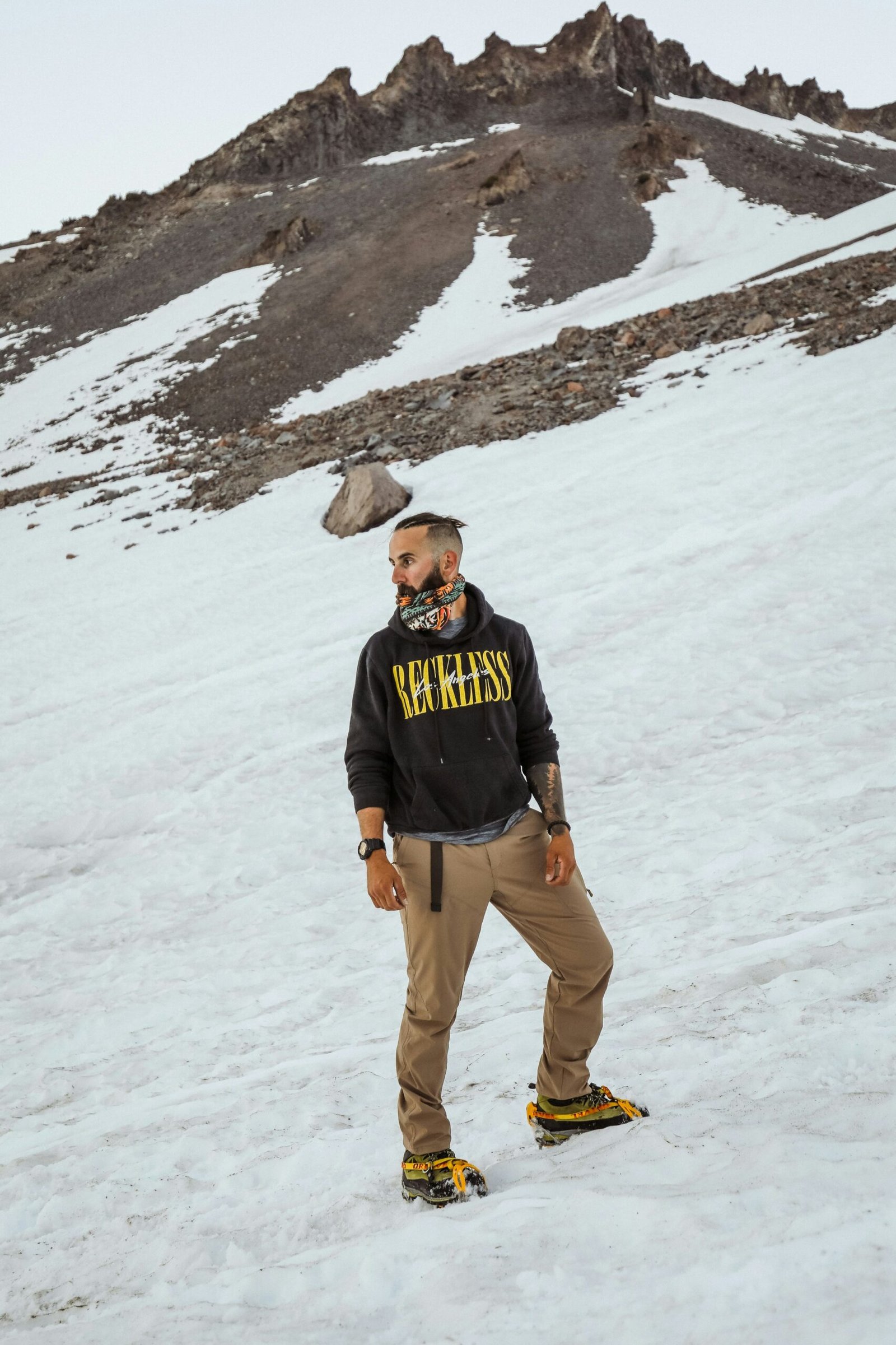
The mountain frames the sky in especially clear ways at the edges of day. These times are ideal for transition practices: release at sunset, intention at sunrise.
Sunrise practice:
- Arrive early and sit facing east if possible.
- Use three rounds of Mountain Breath to wake your body gently.
- As the light grows, set a single, short intention for the day.
Sunset practice:
- Sit comfortably, allow your breathing to lengthen.
- Name three things you released today — not failures, but what you let go of.
- Stay with gratitude for a few breaths.
Timing and light do most of the ritual work here; your job is primarily to watch and breathe.
This image is property of images.unsplash.com.
Comparing Meditation Types
A compact table helps you pick the right practice based on need, location, and time available.
| Practice | Best Location | Time Needed | Good For |
|---|---|---|---|
| Grounding | Meadow/forest floor | 5–15 min | Stability, anxiety |
| Mountain Breath | Viewpoint or camp | 10 min | Altitude adjustment, calm |
| Vortex Visualization | Summit view or quiet site | 10–20 min | Meaning-making, intention |
| Walking Meditation | Trail segments | 15–60 min | Mindfulness in motion |
| Sound Practice | Open clearing | 10–30 min | Group cohesion, presence |
| Sunrise/Sunset | Ridge or open horizon | 10–30 min | Transitions, ritual |
Guided Meditation Scripts
Friendly, guided scripts can be useful if your internal narrator gets loud. Read these aloud slowly, or record them for playback.
Grounding Script (10 minutes)
You will want to sit where your feet meet the earth. Take a comfortable seat and let your hands rest on your knees or thighs. Close your eyes if that feels okay.
Begin with three long breaths. Inhale through your nose, counting to four. Hold for two, then exhale slowly for six. As you breathe, feel the solidness beneath you: the crunch of pebbles, the give of soil, the steadiness of rock.
Now imagine roots extending from the soles of your feet. They are not dramatic roots — no embarrassing tree costume — but practical, patient tendrils. With each exhale, feel them sink a little deeper into the ground. They find cool water, old stones, and quiet pockets of earth. With each inhale, draw up a sense of being held. If your mind wanders — to emails, to whether you left the stove on — briefly name it and bring your attention back to your feet, back to the roots, back to the breath.
Stay here for several breaths. Notice the steadiness the mountain offers, which is not moralizing or pushy, simply present.
When you are ready, thank the ground quietly and wiggle your toes. Open your eyes slowly and carry that steadiness with you.
Vortex Connection Script (15 minutes)
You are sitting facing the mountain or holding its image in your mind. Take a deep breath and set a soft intention: listening, asking, or simply being.
Imagine a column of light descending from the summit directly toward you. It’s less like a laser and more like warm, slow rain that lands in the space between your shoulder blades and pools there. With each inhale, allow a gentle, clockwise rotation to begin — not frantic, but like a lazy ceiling fan.
The column of light is a receptive channel. If you want to ask something, do so quietly in a single line — a sentence no longer than a grocery list item. Then listen. Listening may mean a feeling, a phrase that pops up, or simply the sensation of the mountain’s cool steadiness.
If nothing seems to respond, that’s okay. Sometimes the mountain’s answer is the absence of signal, which later turns out to be the most productive kind.
End the practice by visualizing the column dissolving into a soft glow that becomes part of your breath. Say thank you, stand slowly, and give the sky a witness nod.
This image is property of images.unsplash.com.
Group Practices and Ceremonies
Groups bring energy and, therefore, responsibility. You will want to shape any group practice so it honors the environment and the people who came before you.
Guidelines:
- Keep groups small unless the gathering has explicit permits and tribal collaboration.
- Avoid simulating indigenous ceremonies. If you want shared ritual, create new forms or get invited to existing ones.
- Assign roles: someone for safety logistics, someone for timekeeping, someone for offering cleanup.
A communal practice can be as simple as everyone reading a short intention aloud and then sitting in silence. The challenge is keeping it humble rather than theatrical.
Safety, Ethics, and Respect
You are not the first person to feel called to this mountain, and you will not be the last. Your behavior determines whether those who come after you inherit something cared for or something frayed.
Practical safety:
- Check weather and trail conditions before going. Turn back if conditions worsen.
- Carry water and snacks. Altitude and exertion can surprise you.
- Tell someone your plan and expected return time.
- Stay on established trails to protect fragile plant life.
Ethical behavior:
- Do not remove stones, plants, or artifacts. Collecting is stealing from future visitors and from living cultures.
- If you encounter a notice from a tribal authority, follow it. If you want to learn more about indigenous perspectives, seek out tribal-run events or museums.
- Avoid proselytizing or using the mountain as a backdrop for social media performances that trivialize sacredness.
Integrating the Experience
Meditation on Mount Shasta is often compact and potent. Integration — carrying insights back into daily life — is where change happens.
Journaling prompts:
- What surprised you about your response to the mountain?
- What feeling did you want to pocket and take home?
- Which habit might you adjust after this visit?
Simple daily practices:
- Do a two-minute grounding breath each morning.
- Take a weekly walk without a phone, matching steps to breath.
- Keep an ordinary gratitude list: three small things each day.
Integration is less about replicating the mountain and more about allowing what it gave you — steadiness, perspective, a sense of time — to inform how you move through your smaller world.
The Science Behind Nature and Meditation
You might be tempted to dismiss spiritual experiences as fairy-tale or accept them as literal cosmic messaging. A middle path recognizes evidence about the benefits while honoring personal meaning.
Time in nature lowers stress hormones, improves mood, and boosts attention. Meditation enhances emotion regulation and reduces reactivity. Together, they create an environment where your nervous system can rest and reframe.
None of this proves the mountain speaks. It does show why you might find answers there: lowered cortisol, increased clarity, and the removal of everyday distractions. Your subjective experience remains valid, even if you interpret it differently than your neighbor.

Common Questions
You will probably have questions; here are short answers to the most common ones.
-
Can I meditate anywhere on the mountain?
- Legally and ecologically, no. Stick to established areas and follow posted rules.
-
Are the vortexes real?
- “Real” depends on how you define it. Many people report meaningful experiences in specific spots. These can be powerful without requiring external validation.
-
Is it safe to meditate alone?
- Short meditations are fine alone. For longer or remote sessions, take precautions: tell someone, carry a phone and beacon if needed.
-
Can I perform a ceremony using indigenous practices?
- Only if you have explicit permission or a teaching from the community that owns that tradition. Otherwise, create your own rituals that don’t appropriate.
Final Notes
You will leave Mount Shasta with at least one souvenir: either a sense of quiet or a small blister. Both are useful. The mountain will not rescue you from modern life, but it can give you a clearer place to assess what you want to do with it.
When you talk about your visit later, resist the temptation to make it an advertising claim. You don’t have to be transformed to be touched. Small increments of calm, like quiet items in your pocket, accumulate.
If you return, you’ll notice how familiarity changes the landscape. The mountain will appear less like a stranger and more like a blunt instrument of honesty. That’s an improvement, even if it still refuses to call.
Take care of the place as you would a friend who never speaks but holds a lot of patience. Your practice here can be a quiet conversation, nothing dramatic, but worth repeating.