
Have you ever planned a road trip that lets you take your time, stop where the views take your breath away, and follow quiet backroads around an iconic mountain?
This image is property of images.unsplash.com.
Scenic Byways And Road Trips Around Mount Shasta
This guide helps you plan scenic byway drives and road trips centered on Mount Shasta so you can get the most out of the region’s volcanic landscapes, waterfalls, alpine lakes, and historic towns. You’ll find detailed route descriptions, recommended itineraries, seasonal advice, safety notes, and practical checklists tailored to help you enjoy the drives at your own pace.
Why the Mount Shasta Region Is Perfect for Road Trips
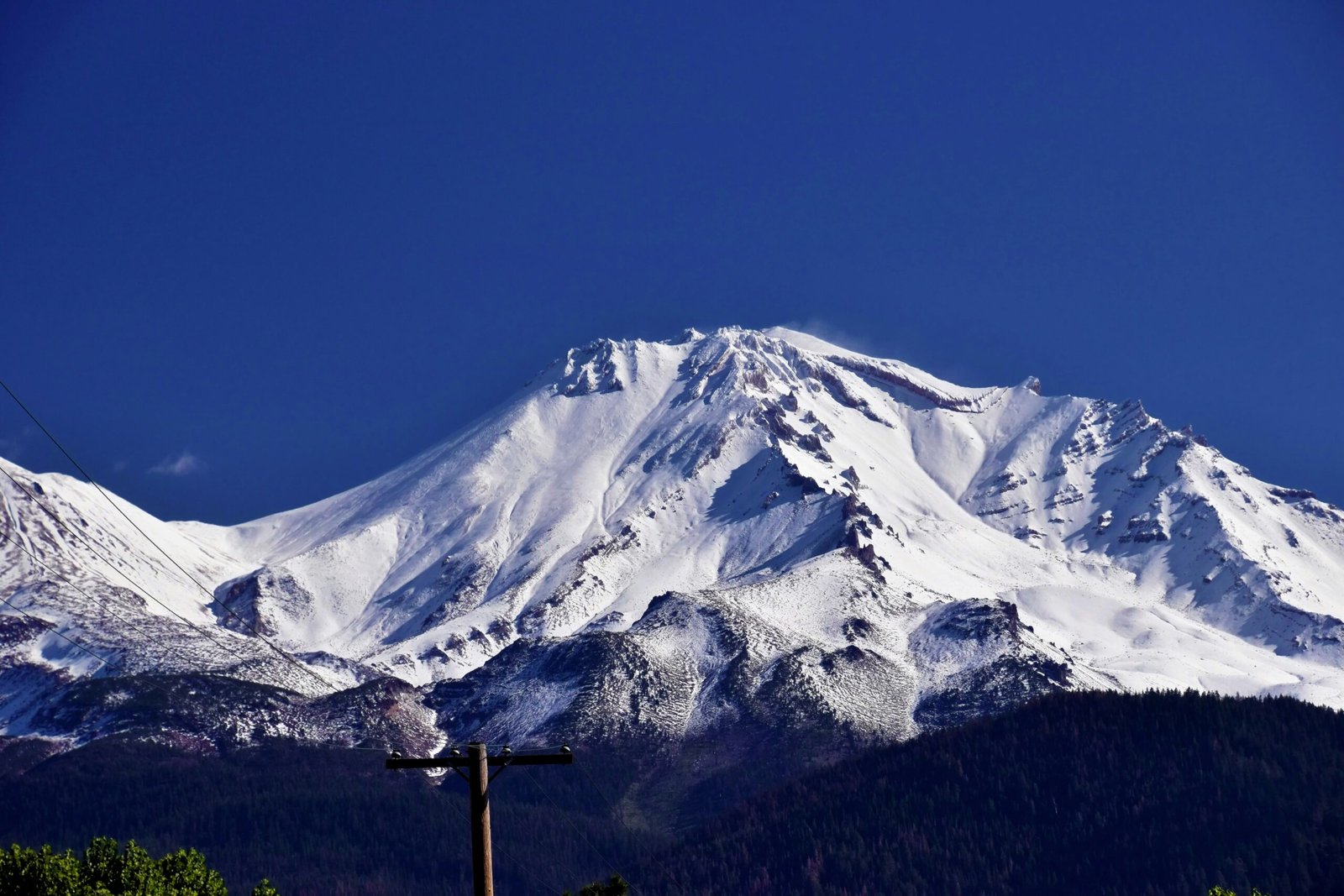
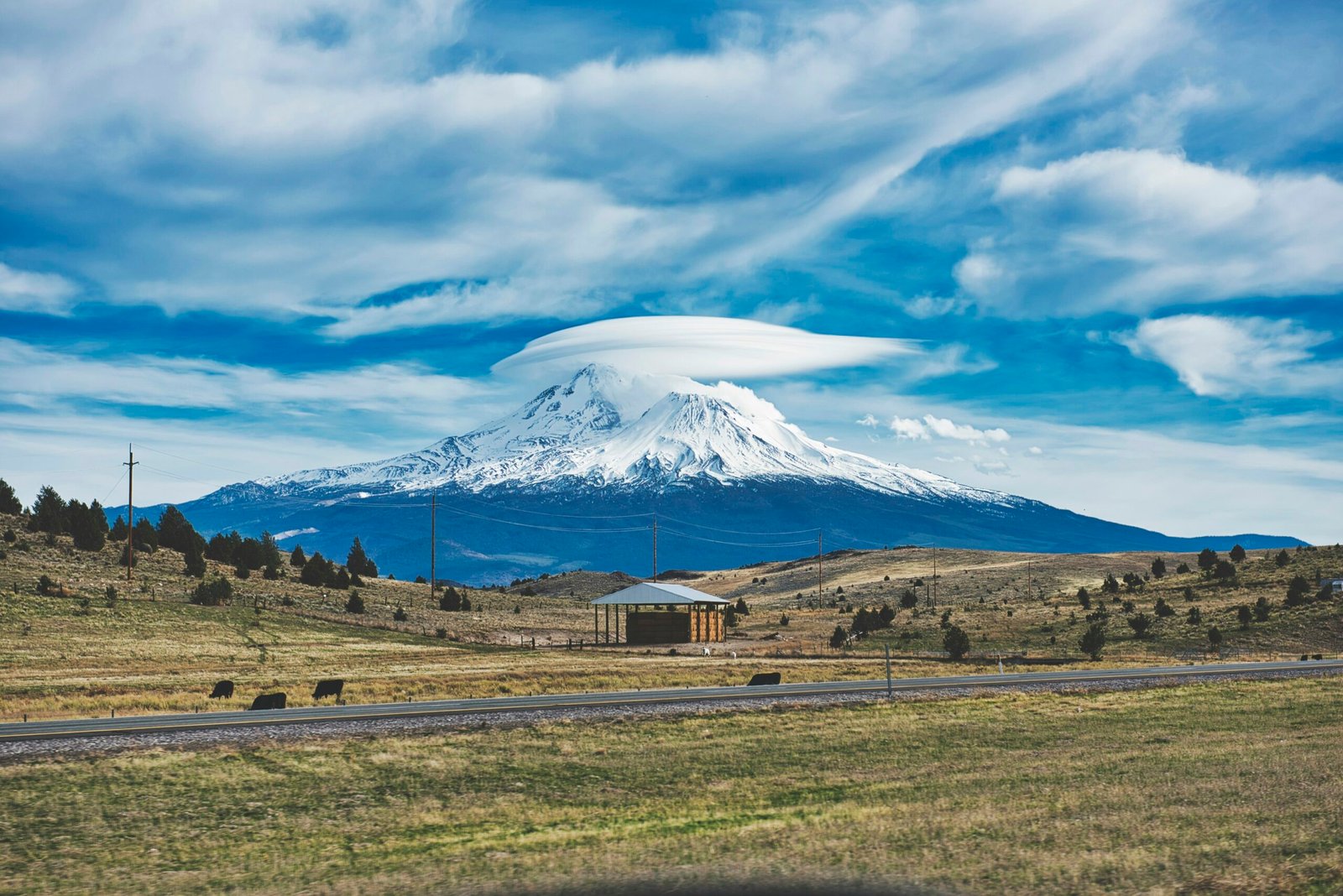
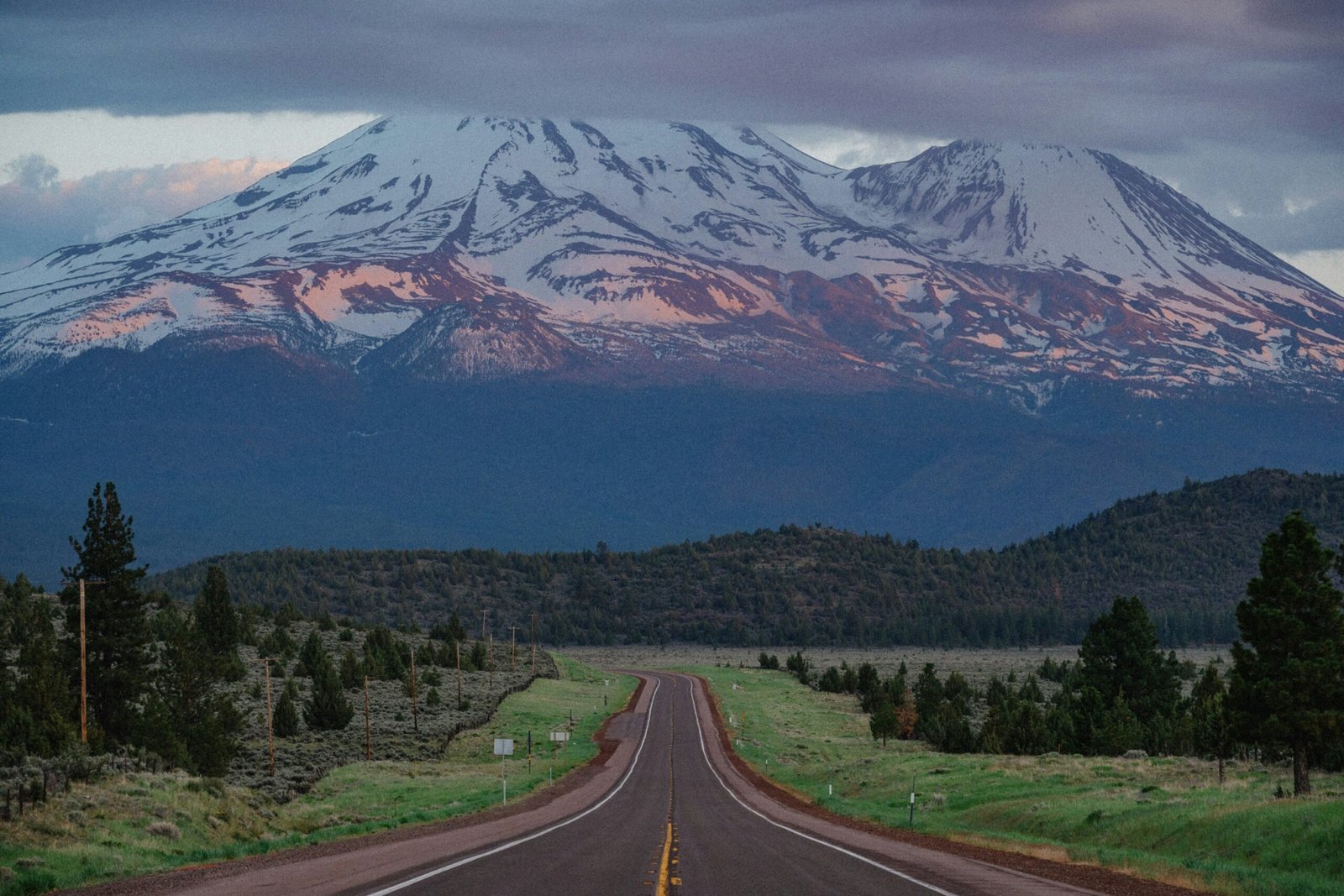
You’ll find one of the most striking volcanic landmarks in the western United States at Mount Shasta, and the surrounding region combines mountain vistas with rivers, forests, and reservoir panoramas. Roads radiate from the mountain through less-traveled corridors, giving you plenty of opportunities for short side trips and overnight stays in charming towns.
Key Scenic Byways Near Mount Shasta
These designated and de facto scenic routes connect important natural and cultural highlights and are ideal for planning day drives or multi-day loops. You’ll want to know the main options so you can choose routes based on season, interests, and available time.
Volcanic Legacy Scenic Byway (All-American Road)
This nationally recognized route links volcanic landscapes from northern California into southern Oregon, and Mount Shasta sits near a prominent portion of that corridor. When you travel this byway you’ll pass lava flows, volcanic cones, forested slopes, and access points for both Mount Shasta and Lassen Volcanic National Park.
I-5 Corridor with Castle Crags and Dunsmuir Stops
Interstate 5 is the fastest north–south route, but sections between Dunsmuir and Mount Shasta contain dramatic scenery and easy access to Castle Crags State Park and the Sacramento River canyon. You can use I-5 for quick travel and then break off onto smaller roads for waterfalls, trails, and scenic viewpoints.
Mountain and Forest Access Roads (CA-89, US-97, Local Connectors)
State Route 89 and US-97, among other local roads, connect you to lakes, waterfalls, and forested mountain passes around Mount Shasta. These roads let you string together shorter scenic segments into a longer loop that gives you a more intimate sense of the landscape.
Quick Route Comparison
This table gives a snapshot of recommended routes, approximate driving times, and highlights so you can pick a route that matches your time, interests, and season.
| Route name | Approx. distance (mi/km) | Driving time (one-way) | Highlights | Recommended days | Best seasons |
|---|---|---|---|---|---|
| Mount Shasta Loop | 80–150 mi (130–240 km) | 2–4 hrs (without stops) | Lake Siskiyou, McCloud Falls, Bunny Flat, Castle Crags | 1–2 days | Spring–Fall |
| Volcanic Legacy Loop (short) | 200–350 mi (320–560 km) | 5–8 hrs | Mount Shasta, Lassen Volcanic NP, Burney Falls | 2–4 days | Summer–Early Fall |
| Shasta Lake & Dam Circuit | 150–220 mi (240–350 km) | 3–5 hrs | Shasta Dam, Shasta Lake boat access, Whiskeytown (nearby) | 1–2 days | Spring–Fall |
| North CA–SO OR Extended Loop | 400–700 mi (640–1125 km) | 10–15 hrs | Crater Lake, Ashland, Klamath Falls, Mt Shasta | 4–7 days | Summer–Fall |
This image is property of images.unsplash.com.
Route 1: Mount Shasta Loop — Best for Short Stays
This loop is ideal when you have a day or a weekend and want to see a variety of highlights close to the mountain. You’ll experience waterfalls, a serene alpine lake, dramatic granite spires, and small-town stops.
Suggested Stops and Timing
Start in Mount Shasta City, head east to Lake Siskiyou for a lakeside walk, then follow CA‑89 or local roads toward McCloud Falls. From McCloud you can return via Castle Crags State Park and Dunsmuir along I‑5. Plan extra time for short hikes, picnic stops, and photography.
What You’ll See
You’ll encounter multiple waterfall viewpoints, the volcanic silhouette of Mount Shasta reflected in quiet water, and exposed granite formations at Castle Crags. If you time it right in spring or early summer, rivers will be full and meadows will be lush.
Route 2: Volcanic Legacy Loop — Great for Geology and National Parks
Use this longer route to connect Mount Shasta with Lassen Volcanic National Park and other volcanic features. It’s a top choice if you want volcanic landscapes, bubbling hydrothermal areas, and high-elevation vistas.
Highlights on the Loop
You’ll visit Lassen’s hydrothermal sites, panoramic mountain roads, and opportunities for alpine hikes. Burney Falls and the surrounding cascades are often featured on this route, and the granite-to-volcanic contrasts make for engaging driving and photography.
How to Pace It
For a thorough visit you’ll want at least two to three days. One day can be spent around Mount Shasta, another at Lassen, and a third on any side hikes or waterfall visits. If you have more time, add scenic detours north toward Crater Lake.
This image is property of images.unsplash.com.
Route 3: Shasta Lake and Reservoir Circuit — Water-Based Views
If you enjoy lake views, houseboat culture, and dam viewpoints, plan a route around Shasta Lake and Shasta Dam. The drive offers multiple vantage points and boat access where you can stop and spend time on the water.
Key Stops
Shasta Dam’s overlook and visitor center provide engineering context and sweeping reservoir panoramas. Nearby marinas let you rent a boat or do a guided cruise, and shoreline access points provide easy picnic and fishing options.
Best Time to Visit
Late spring through early fall gives you dependable boating conditions. Summer is busiest for houseboats and marinas, so plan and reserve early if you need on-water activities.
Route 4: Extended Northern California & Southern Oregon Loop
Take this as a week-long circuit if you want to combine Mount Shasta with Crater Lake, Ashland’s theatre scene, and lakes or forests in southern Oregon. You can create an immersive regional trip with cultural stops and scenic drives.
Why You’ll Like It
The route balances national parks, cultural towns, and more remote mountain roads so you’ll have variety each day. You’ll move from the volcanic grandeur of Mount Shasta to the deep-blue crater of Crater Lake, with theater, cafes, and galleries in Ashland to break up the outdoor time.
Driving Considerations
Expect longer driving days on this loop, and plan to book lodging in Ashland and Crater Lake areas during peak season. Also check road status for high-elevation sections that may close in late fall to spring.
Detailed Itineraries You Can Use
Below are sample itineraries for different trip lengths so you can tailor your plan to fit the time you have.
One-Day Sample Itinerary — Mount Shasta Highlights
You’ll have a compact day full of key sights and only moderate driving.
- Morning: Start at Lake Siskiyou for sunrise or a morning walk. Stop at Bunny Flat for short viewpoints.
- Late morning: Drive to McCloud Falls and visit the three main falls with short walks.
- Afternoon: Head to Castle Crags State Park for a picnic and shoreline views from Highway 73 or I‑5 pullouts.
- Evening: Return to Mount Shasta City for dinner and a sunset view of the mountain.
Two- to Three-Day Itinerary — Mount Shasta + Lassen
You’ll get a well-paced visit with time for a national park and easy hikes.
- Day 1: Mount Shasta Loop (Lake Siskiyou, McCloud Falls, Castle Crags). Overnight in Mount Shasta City or Dunsmuir.
- Day 2: Drive to Lassen Volcanic National Park, spend the day at hydrothermal sites and short hikes. Overnight near Lassen.
- Day 3: Return via backroads, adding a stop at Burney Falls if you missed it the previous day.
Five- to Seven-Day Itinerary — Extended Northern California & Southern Oregon
This longer itinerary balances driving with active time in parks and cultural stops.
- Day 1: Arrive in Mount Shasta City, short hikes and evening in town.
- Day 2: Mount Shasta Loop, overnight near Shasta or Dunsmuir.
- Day 3: Drive to Lassen Volcanic National Park, hikes and ranger talks.
- Day 4: Head north to Crater Lake region, with stops at small towns and scenic viewpoints.
- Day 5: Explore Crater Lake National Park, boat tour or rim drives.
- Day 6: Travel to Ashland for theaters, cafes, and galleries.
- Day 7: Return south via US‑97 or I‑5, adding any missed stops near Mount Shasta.
Must-See Stops and What Makes Them Special
Knowing the standout stops helps you customize your route based on what you’ll enjoy most—waterfalls, geology, photography, or quiet lakes.
Lake Siskiyou
Lake Siskiyou offers classic mountain-lake scenery with Mount Shasta reflecting on calm mornings. You’ll find easy shore walks and an accessible trail network suitable for families.
McCloud Falls
This series of three falls along the McCloud River features clear cascades with short trails connecting each viewpoint. The area is a photographer’s dream in spring when water flow is high.
Castle Crags State Park
Dramatic granite spires rise from forested slopes at Castle Crags, visible from roadside pullouts and short park trails. You’ll notice a different rock texture here compared to the volcanic cones around Mount Shasta.
Shasta Dam and Shasta Lake
The dam is an engineering landmark with an interpretive center and sweeping views of the reservoir and canyon. Houseboat activity and marinas around the lake create a summer recreation hub.
Dunsmuir and Historic Railroad Towns
Dunsmuir offers a charming downtown along the Sacramento River with railroad history and access to riverside walking paths. You’ll find cafés, bakeries, and classic small-town services here.
Lassen Volcanic National Park (nearby)
If you continue the route, you’ll reach Lassen Volcanic National Park with boiling springs, fumaroles, and panoramic high-country trails. Its hydrothermal features contrast with Mount Shasta’s giant cone.
Seasonal Considerations
Season matters a lot for road conditions, hiking access, and what you’ll see. This table summarizes general expectations by season.
| Season | Road conditions | Highlights | Notes |
|---|---|---|---|
| Spring (Mar–May) | Low-to-moderate snow at higher elevations; lower roads open | Full waterfalls, wildflowers | Check for late snow on high mountain roads |
| Summer (Jun–Aug) | Mostly clear roads; high elevations fully accessible | Hiking, boating, festivals | Peak tourist season; reserve lodging/boat rentals early |
| Fall (Sep–Nov) | Cooler temps, crisp air; some roads remain open | Fall colors, calmer trails | Watch for early snow in late fall |
| Winter (Dec–Feb) | Snow and closures at higher elevations; chains may be required | Skiing on Mount Shasta, snowy scenes | Carry chains, check Caltrans/park alerts |
Driving and Safety Tips
Your safety and comfort depend on planning for road and weather conditions as well as wildlife and limited services on some backroads.
Pre-Trip Checks
Before you depart, make sure your vehicle is in good condition, tires are appropriate for expected road conditions, and you have a full fuel tank for remote stretches. You’ll appreciate having a paper map as a backup if phone service drops out.
Weather and Road Alerts
Watch for local road alerts, avalanche closures, and fire season restrictions. During winter and early spring you may need chains for mountain passes, and in late summer you’ll want current wildfire maps and evacuation routes.
Wildlife and Night Driving
Drive carefully at dawn and dusk when deer and other wildlife are more active. If you plan to stop for photos, park in designated turnouts when available.
Where to Stay — Options for Every Style
You’ll find a mix of accommodations from campgrounds to classic motels and full-service lodges so you can choose what fits your comfort level and budget.
Camping and RV Options
Numerous campgrounds surround Mount Shasta, Lake Siskiyou, and Shasta Lake. Reservations are recommended for popular sites in summer. If you’re using an RV, check for size restrictions and availability of hookups.
Lodging and B&Bs
Mount Shasta City, Dunsmuir, and nearby towns offer motels, bed-and-breakfasts, and boutique lodgings for a comfortable night after long days driving.
Houseboats and Marinas
On Shasta Lake you can rent a houseboat or stay at marinas that lease slips for day use. Book early in peak season to secure the experience you want.
Activities to Add Along the Way
Tailor your trip with outdoor activities that match your energy and interests—many are accessible directly from the byways.
Hiking and Short Walks
Trails range from short interpretive loops to multi-hour summit routes. For a family-friendly option, choose lakeside paths or the McCloud Falls circuits. If you want a challenge, consider a guided ascent or a longer alpine trek.
Boating, Kayaking, and Fishing
Shasta Lake and smaller alpine lakes provide boating and fishing. You’ll want to bring or rent the right gear and follow local regulations for fishing and wake zones near marinas.
Photography and Stargazing
The mountain and lake reflections are outstanding for sunrise/sunset photography, and the region’s low light pollution makes for excellent stargazing at night.
Winter Recreation
When snow conditions permit, Mount Shasta has ski areas and cross-country opportunities. Roads may be snowbound—check conditions and use appropriate gear.
Permits, Fees, and Park Rules
You should expect entry fees at national and state parks, and some trails or parking areas may require day-use permits. If you’re camping in a popular campground, book in advance. Always follow Leave No Trace practices and local fire restrictions.
Packing Checklist
Use this checklist to prepare for changing conditions and varied activities along the routes.
| Item | Why you need it |
|---|---|
| Up-to-date maps / offline maps | Cell service can be unreliable on backroads |
| Layered clothing (base, insulating, waterproof) | Mountain weather changes quickly |
| Sturdy hiking shoes | For trails, uneven surfaces, and waterfall access |
| Water and snacks | Fewer services on long sections |
| Sunscreen and hat | High elevation means stronger sun |
| First aid kit and emergency blanket | For remote trails or roadside delays |
| Chains or traction devices (winter) | Required in snowy conditions |
| Camera or binoculars | For landscape and wildlife viewing |
| Portable phone charger | To maintain connectivity on the road |
Food and Dining Tips
Local towns have small restaurants, bakeries, and markets where you can sample regional fare. If you prefer flexibility, pack a cooler for picnics at scenic pullouts. When towns look busy—especially in high season—plan meals ahead or bring food to avoid long waits.
Apps, Maps, and Resources to Use
You’ll benefit from several types of tools for navigation and planning. Use official park websites for current conditions and closures. Download offline maps in your navigation app and consider a local traffic alert app for road incidents.
Accessibility and Family-Friendly Options
Several viewpoints and lakeshore trails are accessible for strollers and wheelchairs; check individual park resources for detailed accessibility info. Many roadside stops are family-friendly, with short trails and picnic areas suitable for kids.
Environmental and Cultural Respect
You should respect private property, tribal lands, and locally posted closures. The Mount Shasta region has cultural significance for Indigenous communities—be mindful of signs and interpretive information and treat artifacts and sites with respect.
Common Questions and Answers
Anticipating your typical questions helps avoid surprises and makes your planning easier.
Can you drive to the summit of Mount Shasta?
Road access doesn’t reach the volcanic summit. If you plan to summit, you’ll need technical climbing skills or a guided service and check seasonal avalanche and permit conditions.
Is cell phone service reliable?
Cell coverage is good in towns and along major roads but often drops on forested or high-elevation backroads. Offline maps and a paper map are useful backups.
Are dogs allowed?
Many trails and campgrounds allow dogs on leash, but rules vary by park and recreational area. Check local regulations before bringing pets.
Sample Packing Timeline for a Weeklong Trip
You’ll want to prepare vehicle checks, confirm reservations, and pack a mix of outdoor gear and casual clothing.
- One week before: Reserve lodging, check boat and campground availability, review road and park alerts.
- Three days before: Pack layered clothing and hiking shoes, download offline maps, verify vehicle fluids and tires.
- Day of departure: Fill fuel, charge devices, load cooler and emergency supplies, print or save important documents.
Final Planning Checklist
Before you set out, run through these final items so your trip goes smoothly.
- Check current road and weather conditions for all planned routes.
- Confirm reservations and note any permit requirements.
- Make sure your vehicle is ready for backroad conditions.
- Pack emergency supplies and a basic toolkit.
- Share your planned route with someone who’s not traveling with you.
Closing Thoughts
As you plan scenic byways and road trips around Mount Shasta, you’ll find the region’s compact combination of volcanic features, waterfalls, alpine lakes, and small towns makes for a rewarding series of drives. With good planning, flexible timing, and attention to seasonal conditions, you’ll be able to tailor a trip that matches your pace and interests—whether that means a restful lakeside weekend, a waterfall-heavy day of stops, or a weeklong circuit that crosses state lines and links national parks. Safe travels, and enjoy the routes that let you soak in Mount Shasta from multiple perspectives.