
Have you ever found yourself making a major life decision because your GPS rerouted you through a small town with one stoplight and a thrift store that smelled faintly of sage?
This image is property of images.unsplash.com.
Notes on My Unplanned Pilgrimage to Mount Shasta
You will read these notes like a friend telling you about a long weekend that swelled into something like revelation. The phrase “unplanned pilgrimage” is not meant to be grandiose; you're the person who remembered three things of clothing and a paperback, then realized the mountain was larger than your plans. You will find humor in the small misunderstandings and tenderness in the accidental quiet.
Why Mount Shasta? (or how you ended up there)
You did not begin with a map and a manifesto. What nudged you was curiosity, a restless cabin-fever sort of itch, and a headline about wildflowers. People come to Mount Shasta for geology, for spiritual searches, or for the cinnamon roll at the Black Bear Diner. You went because it felt like somewhere to go.
The appeal of a sudden trip
You will discover that sudden trips fracture your usual logic. You do not wait for the perfect itinerary; you pack socks and optimism. There is a refreshing lack of commitment to outcomes, which means you can be open to whatever oddities the road offers.
How spontaneity changes perception
You will notice details you otherwise miss: a motel carpet patterned like a map, the way the air tastes as you climb in elevation, the way strangers at the gas station smile like people who have already forgiven each other's minor crimes. Unplanned things create more room for serendipity.
Mount Shasta: an overview
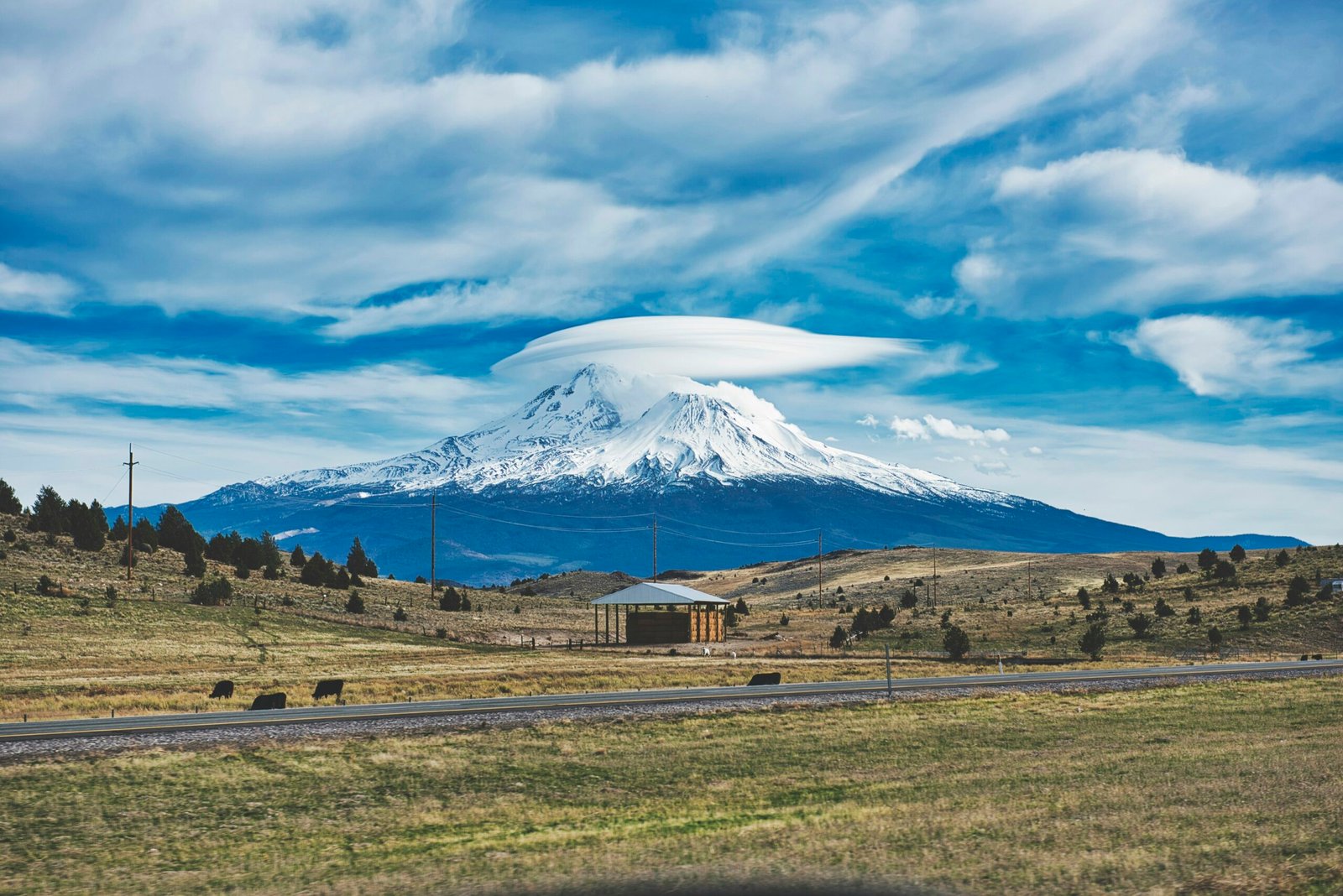
You might already know Mount Shasta as a snowy cone rising above Northern California. You might not know it is a stratovolcano, a spiritual anchor for many, and the center of small-town economies that orbit hikers and mystics. The mountain's presence affects the weather, the folklore, and whether the local coffee shop plays classic rock or ambient drone.
Geography and geology
You will learn that Mount Shasta is part of the Cascade Range and stands at over 14,000 feet. It is a stratovolcano formed by layers of lava and ash, with a complicated history of eruptions due to subduction of the Juan de Fuca plate beneath North America. The mountain’s glaciated slopes and volcanic history create dramatic scenery and a complex hiking environment.
The climate you should expect
You will feel the mountain’s microclimates. Summers can be warm in the valley and bitterly cold at higher elevations. Snow lingers late into spring and can appear unexpectedly in summer storms. Packing layers is not a suggestion; it is a moral obligation.
This image is property of images.unsplash.com.
Cultural and spiritual importance
You will encounter a variety of beliefs tied to Mount Shasta: Native American legends, New Age claims of subterranean cities, and a steady stream of visitors seeking solitude or miracles. Each group's narrative adds a layer to the mountain’s identity.
Indigenous connections
You will meet accounts of the Winnemem Wintu and other tribes for whom the mountain is sacred. Their stories speak of origins, guardianship, and ceremony. Recognizing this history is part of being respectful as a visitor.
New Age and modern mythology
You will notice the shops selling crystals and the people who talk about vortexes. The mountain has attracted metaphysical groups who believe in energy centers and spiritual visitors. You do not have to agree, but you will appreciate the earnestness with which people pursue meaning.
Planning — or not planning — your visit
You will decide what kind of visit you want: a two-day drive-by, a week of trails, or a retreat for silence. Each choice adjusts your gear list, lodging options, and permit needs. Because this was unplanned, you will appreciate simple, resilient plans.
When to go
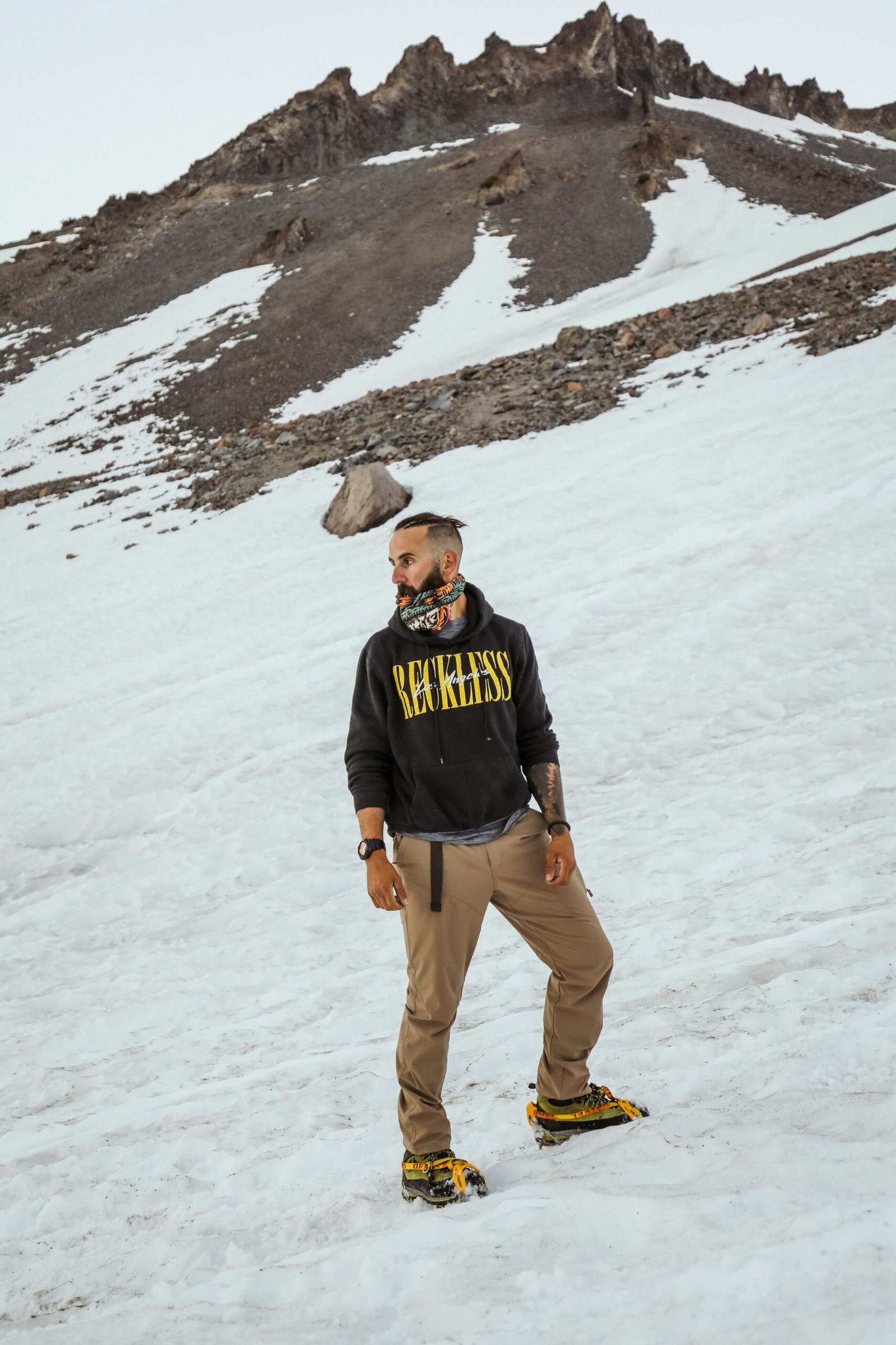
You will find that seasons matter: summer offers accessible trails but warmer valley temperatures; early autumn has crisper air and fewer crowds; winter turns the mountain into a technical climb requiring crampons and avalanche awareness. Timing affects both safety and solitude.
Permits and regulations
You will need to check for permits if hiking to the summit or entering wilderness areas. The Shasta-Trinity National Forest manages many trails, and seasonal restrictions may apply. Failing to check is a reliable way to be gently corrected by a ranger at the trailhead.
Getting there and getting around
You will probably drive. Redding and Medford are common arrival points with airports, but a road trip from the Bay Area or Portland is supremely satisfying. Once you arrive, you'll find yourself making practical and emotional choices about how close you want to be to the mountain.
Driving logistics
You will drive mountain roads that swell with switchbacks. Fuel up in small towns; gas stations feel like lifelines. If you’re driving in winter, chains or four-wheel drive are essential and salt on your boots becomes a sign of survival.
Parking and trailheads
You will park in ranger lots and feel slightly guilty about your single car among the dozens. Some trailheads fill early on weekends. Arrive early to avoid disappointment, and try to bring change for pay stations or a pass.
This image is property of images.unsplash.com.
Trails and routes
You will find a range of trails: beginner loops, singletrack hikes, and multi-day ascents. Some trails lead to alpine meadows, others to volcanic rock faces or the summit.
Popular day hikes
You will enjoy hikes like Bunny Flat, which provides easy access to alpine meadows and views without demanding too much sweat. The trails offer wildflowers, creeks, and sometimes a friendly marmot with a suspicious attitude.
Summit attempts
You will consider the Whitney-style arrogance required to say, “Let's summit Mount Shasta.” The standard route, Avalanche Gulch, is more of a snow climb than a walk in the woods, requiring crampons, ice axes, and an early start. If you plan a summit bid, you must prepare physically and mentally.
Multi-day routes and backpacking
You will discover that backpacking options let you move slower and notice more: lichens, the way the sky darkens, the unglamorous process of boiling water for dehydrated dinners. Backcountry permits and bear canisters may be required.
Table: Popular routes at a glance
| Route | Difficulty | Distance (round-trip) | Best season | Notable features |
|---|---|---|---|---|
| Bunny Flat to Helen Lake | Easy-Moderate | 6–8 miles | Late spring–fall | Wildflowers, views of the Whitney Glacier |
| Avalanche Gulch (standard summit) | Difficult/Technical | 12–14 miles | Late spring–early summer | Snow travel, glacier, summit ridge |
| Clear Creek Basin | Moderate | 8–10 miles | Summer | Lakes, meadows, fewer people |
| Horse Camp to Bolam Pass | Moderate | 9–11 miles | Summer–early fall | High meadows, retrofitted old trails |
What to pack
You will pack like someone who respects both the mountain’s beauty and its capacity for petty murder. Layers, footwear, and sane decisions about alcohol and attitude are key.
Clothing and layers
You will bring a base layer that wicks, an insulating mid-layer, and a waterproof shell. Temperatures can flip faster than a pancake in a diner, so you want options. Also bring a warm hat and gloves; vanity is for the valley.
Footwear and technical gear
You will choose boots that have seen you through mud and minor humiliations. If you plan on snow, crampons and an ice axe are non-negotiable. Renting gear is an option, but you should learn how to use it first.
Food and hydration
You will pack calorie-dense snacks and enough water. In cold weather your water may freeze, so bring insulated sleeves or chemical hand warmers. Dehydrated meals are efficient, but nothing replaces an actual sandwich at a meadow overlook.
Table: Essential packing checklist
| Category | Items |
|---|---|
| Clothing | Base layers, insulation, shell, extra socks, hat, gloves |
| Footwear | Hiking boots, camp shoes, gaiters (optional) |
| Technical | Crampons, ice axe, helmet (for technical routes) |
| Navigation | Map, compass, GPS, trailhead info |
| Safety | First aid kit, emergency bivy, whistle, headlamp |
| Food/Water | Meals, snacks, water bottles, filter/purification |
| Misc | Sunscreen, sunglasses, trekking poles, permit |
Where to stay
You will find accommodations ranging from rustic campsites to modest motels and cozy bed-and-breakfasts. The vibe of the town will imprint on your trip, and where you sleep affects how you greet the day.
Camping
You will probably sleep under the stars if you can. Campgrounds fill quick in summer; dispersed camping requires respect for leave-no-trace practices. Waking to mist threading through the pines is worth the occasional frostbite of your tent zipper.
Motels and inns
You will sleep in establishments whose decor suggests an ongoing romance with wood paneling. Service is friendly and sometimes free of pretense, which feels like a blessing after a day of uphill negotiations with gravity.
Unique options
You will notice spiritual retreats, yurts, and cabins available for rent. Staying in a place designed for quiet can make you more inclined to answer internal questions you didn't plan to ask.
Local towns and amenities
You will pass through Weed, Dunsmuir, Mount Shasta City, and McCloud. Each town has its personality. Some cater to climbers, others to trout fishermen, and some have a bakery you will visit repeatedly.
Food and coffee
You will find diners that serve massive breakfasts and cafes that brew coffee with solemnity. Food choices can become a moral compass; opt for places where locals eat. Their recommendations tend to be less Instagrammable and more satisfying.
Grocery and gear
You will appreciate a well-stocked co-op or outdoor store when your reality of the trail meets your packing fantasy. If you forgot a stove or need a headlamp, there are options near the tourist corridors. Be aware that some specialty gear is available only in larger towns.
Flora and fauna
You will notice wildflowers in profusion in certain seasons and an array of wildlife. Respectful distance is not just polite; it keeps you and the animals safe.
Wildflowers and alpine plants
You will tread lightly through meadows of lupine and paintbrush. Timing your visit with blooms can transform a hike into a sensory overload. Keep an eye (and foot) out for fragile alpine plants.
Wildlife encounters
You will likely spot birds, deer, marmots, and possibly black bears. If you encounter a bear, the correct response is practical and anti-heroic: store food properly, make noise while hiking to avoid surprising animals, and never feed wildlife.
Safety and environmental responsibility
You will be entrusted with a landscape that can be unforgiving. Responsible behavior includes not leaving tracks and being realistic about your capabilities.
Altitude and weather hazards
You will acclimate slowly. Headaches, poor sleep, and crankiness can be altitude’s calling cards. Know the signs of altitude sickness and be willing to turn back. Weather can move from sunlight to sleet in an hour, so monitor conditions.
Leave No Trace
You will carry out what you carry in. The mountain is not a canvas for graffiti or a fridge for your convenience. Pack out your toilet paper, bury human waste in appropriate locations, and keep campsites tidy.
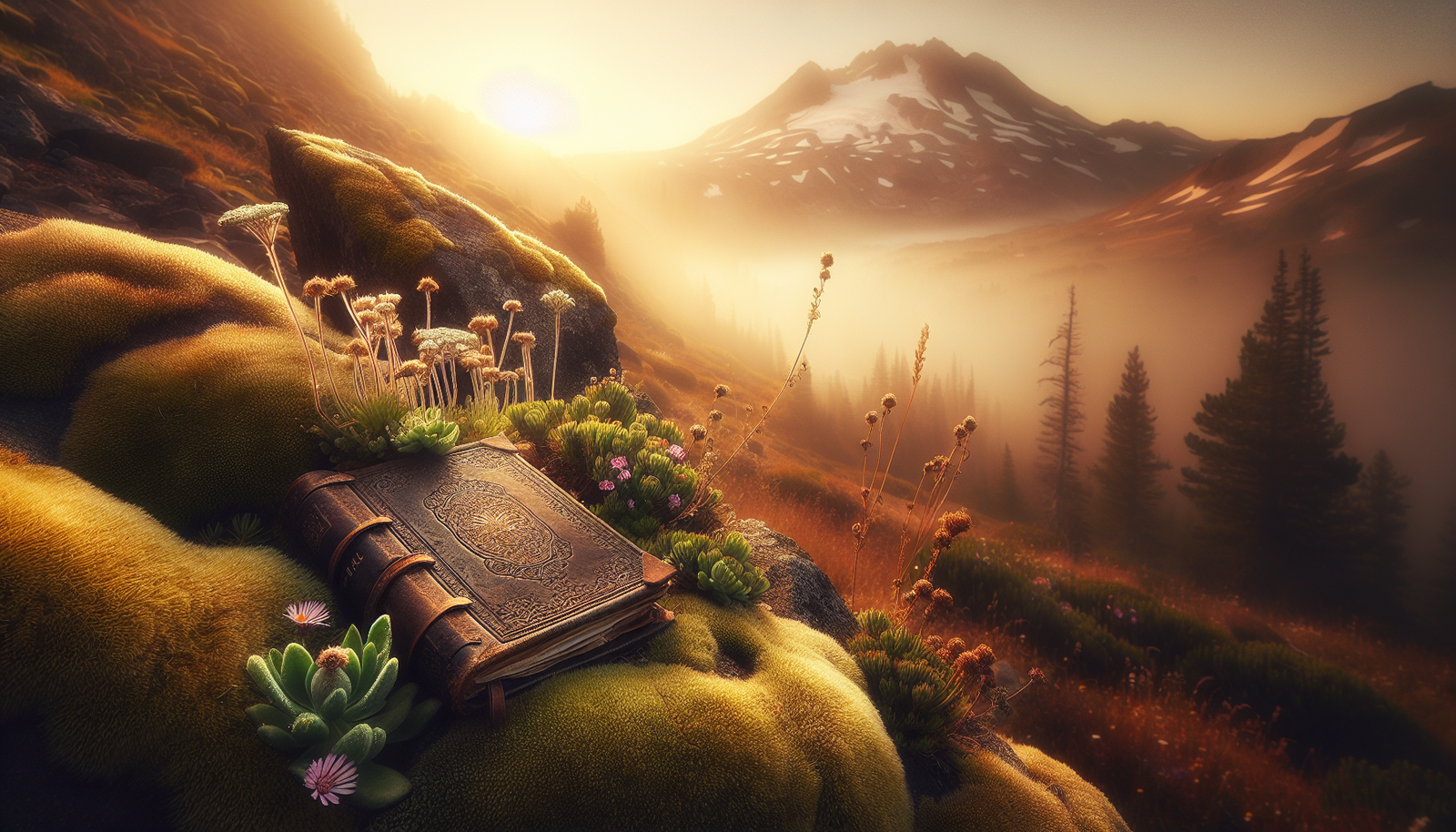
Personal reflections and observances
You will find that a place like Mount Shasta encourages internal commentary. The mountain itself remains stoic; you supply the running monologue and occasional existential panic.
Small moments that stick
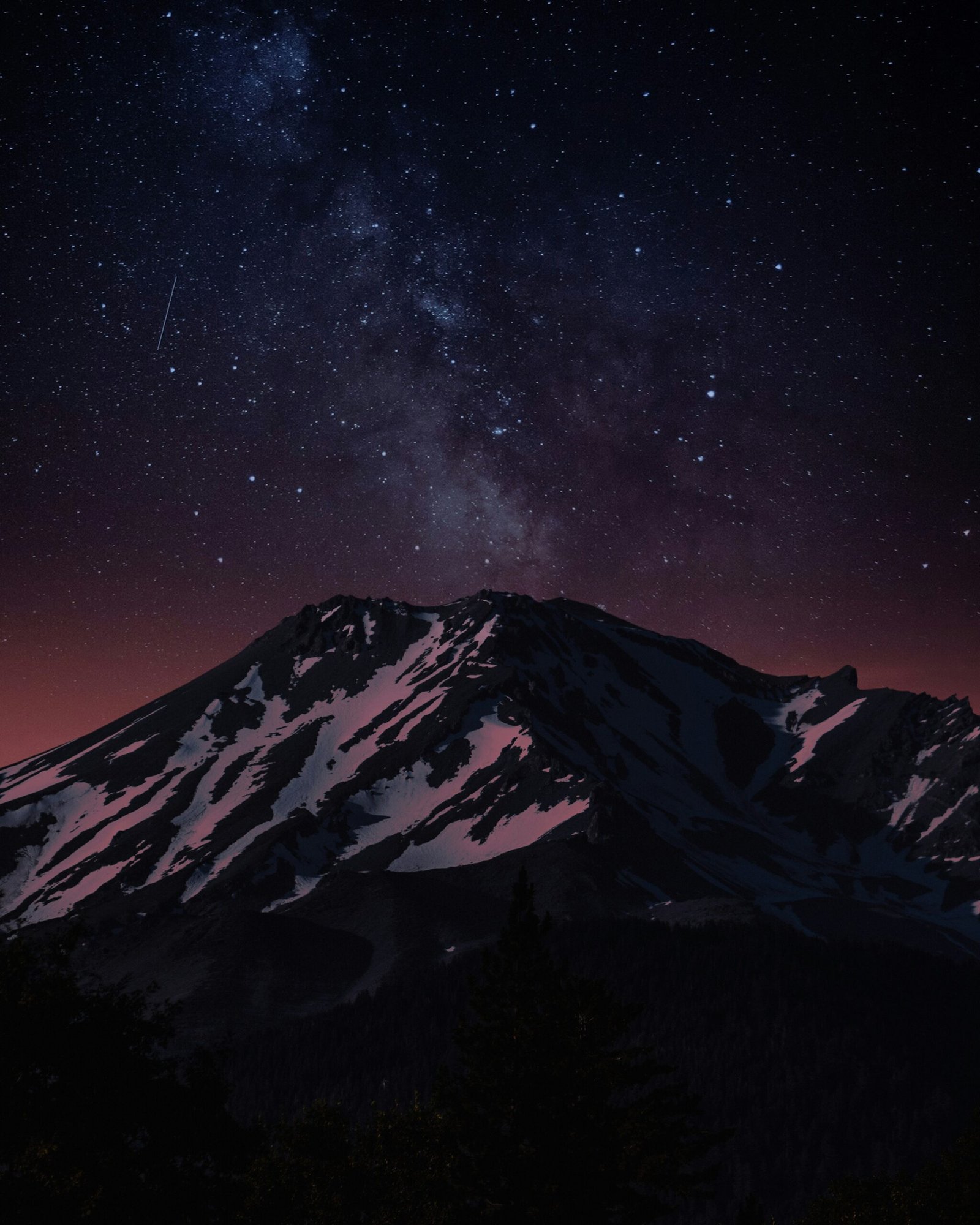
You will remember small things: the sound of melting snow dripping through pine needles, the particular shade of blue the sky wears at 9,000 feet, the way strangers become co-conspirators when sharing trail snacks. These are the memories that outlast the photographs.
The social geography of pilgrimage
You will notice micro-communities on the mountain: summit-seeking adrenaline types, people on spiritual retreats, families teaching kids to be comfortable with dirt. Each group conducts its own ritualized behavior; none owns the mountain’s attention.
What you should not expect
You will not find guaranteed transcendence. The mountain does not grant enlightenment on demand. Some people have transformative experiences; others take nice photos and eat too many granola bars. Both are valid.
Avoiding entitlement
You will not be entitled to mystical experiences or scenic solitude simply because you drove a long way. Part of the charm of a pilgrimage is attending to humility — accepting that nature will behave as it will.
Respecting others’ searches
You will run into people for whom the mountain is deeply spiritual. Your curiosity is fine, but presumptuousness about others' beliefs is not. Practice gentle respect; questions are better framed with kindness.
Local lore and intriguing stories
You will hear stories: hidden caves, UFOs, healings. Not all of them are credible, and many are memorable because of how sincerely they’re told. They form part of the mountain’s mythos.
Common myths
You will encounter claims of underground cities and extraterrestrial visitation. Such stories say more about human longing than geology. They are fascinating in the way campfire tales are fascinating: you listen, you laugh, you tuck away a phrase.
Practical legends
You will hear useful warnings passed down: never use white gas at altitude without ventilation, don’t trust the summit altar for shelter, and if someone offers you “sage-smudging,” consider politely declining unless you like the smell.
Day-by-day sample of an unplanned pilgrimage
You will like sample itineraries because they reduce anxiety. Here is a flexible three-day version to guide your instincts without killing spontaneity.
Day 1 — Arrival and easy acclimation
You will drive in, check into your motel or set up camp, and walk a local trail to loosen the legs. Eat large, sensible dinner carbs. Sleep before 10 p.m. as an act of reverence.
Day 2 — Moderate hike and town wandering
You will hike a moderate trail like Bunny Flat to Helen Lake, carrying snacks and layers. In the afternoon, you will wander downtown for coffee and a pastry. In the evening, you might attend a local talk or small-group meditation that you stumbled upon.
Day 3 — Choose your adventure
You will either attempt a more serious route (if properly prepared) or spend the day reading in a meadow. This is where your pilgrimage becomes personal. You make the choice.
Common mistakes you will want to avoid
You will laugh at these later. For now, prevent them: underestimating weather, overestimating your fitness, forgetting permits, and trusting strangers' gear offers.
Overpacking and underpacking
You will oscillate between extreme preparedness and unacceptable optimism. The trick is calibrated minimalism: bring what you need with a margin for inconvenience.
Ignoring signs and advisories
You will sometimes assume warnings are mere suggestions. They are not. Be responsible. Park rangers are there partly to keep you safe and partly to protect the mountain you’ve come to patronize.
Photography and the ethics of sharing
You will take photos, because humans are image-hoarding primates. Share responsibly: do not reveal the exact location of fragile wildflower patches or secret campsites. The internet loves images; it does not love footprints.
How to photograph without harming
You will get better photos if you slow down and stay low. Avoid trampling vegetation for a shot. Consider learning about the local flora before posting and tagging spots that could degrade with increased foot traffic.
If you want solitude: tips for finding it
You will find solitude by leaving early, walking further, and being willing to accept less scenic but more private routes. Solitude is less about distance and more about orientation: you are prepared to be content with fewer signs of civilization.
Timing and route selection
You will choose weekdays, shoulder seasons, and longer loops. Solitude often comes to those who are willing to carry a heavier pack or to set an alarm when others are sleeping.
Post-trip: what you might bring back besides photos
You will come back with small changes: a new phrase in your vocabulary, a reoriented sense of priorities, or a small souvenir like a pebble you argue with yourself about keeping. These are the tangible signs of internal recalibration.
Integration into daily life
You will find yourself using lessons from the mountain in daily decisions: better layering in life, appreciation for quiet, and more patience. The mountain is not a cure; it is a reminder of scale.
Final thoughts and gentle advice
You will not need grand rituals to honor your visit. A coherent memory will form if you pay attention. The pilgrimage was unplanned, but it can become part of your story.
Carrying the mountain with you
You will not be expected to carry the mountain physically, but metaphorically, it will settle into you. You will notice it in quiet moments: a calm breath, a sudden clarity about what to keep and what to let go.
Return visits and gradual knowledge
You will likely return. Each visit will reveal more—more weather patterns, more people, more private jokes with the terrain. Pilgrimage is a process, not a single event.
Resources and contacts
You will find useful resources at the Shasta-Trinity National Forest offices, local ranger stations, and reputable guide services. Do your homework so that improvisation does not replace safety.
Table: Quick resource list
| Resource | Use | Contact tip |
|---|---|---|
| Shasta-Trinity National Forest | Permits, trail conditions | Check official website before departure |
| Local outdoor outfitters | Gear rentals, guided climbs | Ask about crampon fitting and brief instruction |
| Visitor centers (Mount Shasta City) | Maps, local events | Friendly staff often have great trail tips |
| Local rangers | Safety updates, avalanche info | Respect their authority; it’s compassionate, not bureaucratic |
You will finish these notes knowing you were never on a solo stage of destiny. Instead, you were part of a long, communal relationship between people and a mountain that insists on remaining itself. The pilgrimage was unplanned but not accidental; it was a series of small choices that led to honest astonishment. If you go, bring sensible boots, an open mind, and a willingness to be minorly inconvenienced by beauty. You will find that sometimes the most meaningful journeys begin when the road refuses to behave as expected, and that is precisely where something resembling a pilgrimage can quietly, insistently start.