
Have you ever found that the very things that go wrong on a trip are the reasons you keep telling the story?
This image is property of images.unsplash.com.
A crooked introduction to McCloud Heritage Junction Museum
You arrive in McCloud because Mount Shasta is a polite sort of mountain — it draws you in with grandeur and then nudges you to look around the town at its feet. McCloud Heritage Junction Museum sits like a stubborn memory in the town’s center, collecting soot, timber smells, and the kind of worn postcards people don’t buy anymore. You will think you came for the trains, but you will leave carrying a pocketful of small disasters that insist they were blessings in disguise.
Why you’ll care about this museum
You care because the museum doesn’t hide the grit. It is a place that celebrates the lumber and railroad industries that built the region, displays the relics of a century of work, and reveals how a town survives with a stubborn grin. When you visit, you’ll feel the echo of men and women who wrestled with trees, rails, and cold winters — as well as the echo of your own clumsy attempts to be adventurous.
Where McCloud Heritage Junction Museum sits in the world
You will find the museum in McCloud, California, a small town in Siskiyou County on the southern slopes of Mount Shasta. The setting is cinematic: a river cutting through a valley, pine and fir that smell of sap and old postcards, and the mountain itself standing as a politely indifferent backdrop. This is not a location that rushes you; instead, it invites you to misplace a map and call it charming.
Proximity to Mount Shasta and travel logistics
You’re about 15 to 20 minutes from the base of Mount Shasta, depending on whether the road is acting like a cooperative friend. Driving from the nearest larger town — Redding or Medford if you’ve been ambitious — you’ll find two-lane roads that expect you to have patience and perhaps a thermos. Plan for slower travel times in winter and for roadworks in summer; the region’s weather and logging seasons make timetables more like suggestions.
This image is property of images.unsplash.com.
What the museum is about — in plain language
The museum preserves and interprets the history of the McCloud area, with a particular focus on logging and railroad heritage. You’ll see locomotives, railroad cars, logging equipment, company buildings, and the artifacts of everyday life in a town shaped by timber and steel. If you have a sentimental bone for things that are slightly soot-stained and proudly patched, you’ll find much to love.
The two central threads: timber and trains
Logging and the railroad are not just themes; they are characters that dominate the museum’s story. You’ll track the McCloud River Lumber Company and the McCloud River Railroad through photos, tools, and the enormous machines that once chewed through old-growth forests and hauled them away. The displays show the industrial mechanics and the human costs, offering both spectacle and quiet empathy.
What you will see — a practical rundown
The collection is both large and intimate: full-size locomotives sit beside tiny hand-tools that tell enormous stories. Buildings have been preserved or reconstructed to give you the feeling of walking through a town where every plank has survived a hundred winters. You will see locomotives, cabooses, log loaders, mill tools, workers’ bunkhouses, and a surprising number of boots.
Locomotives and rolling stock
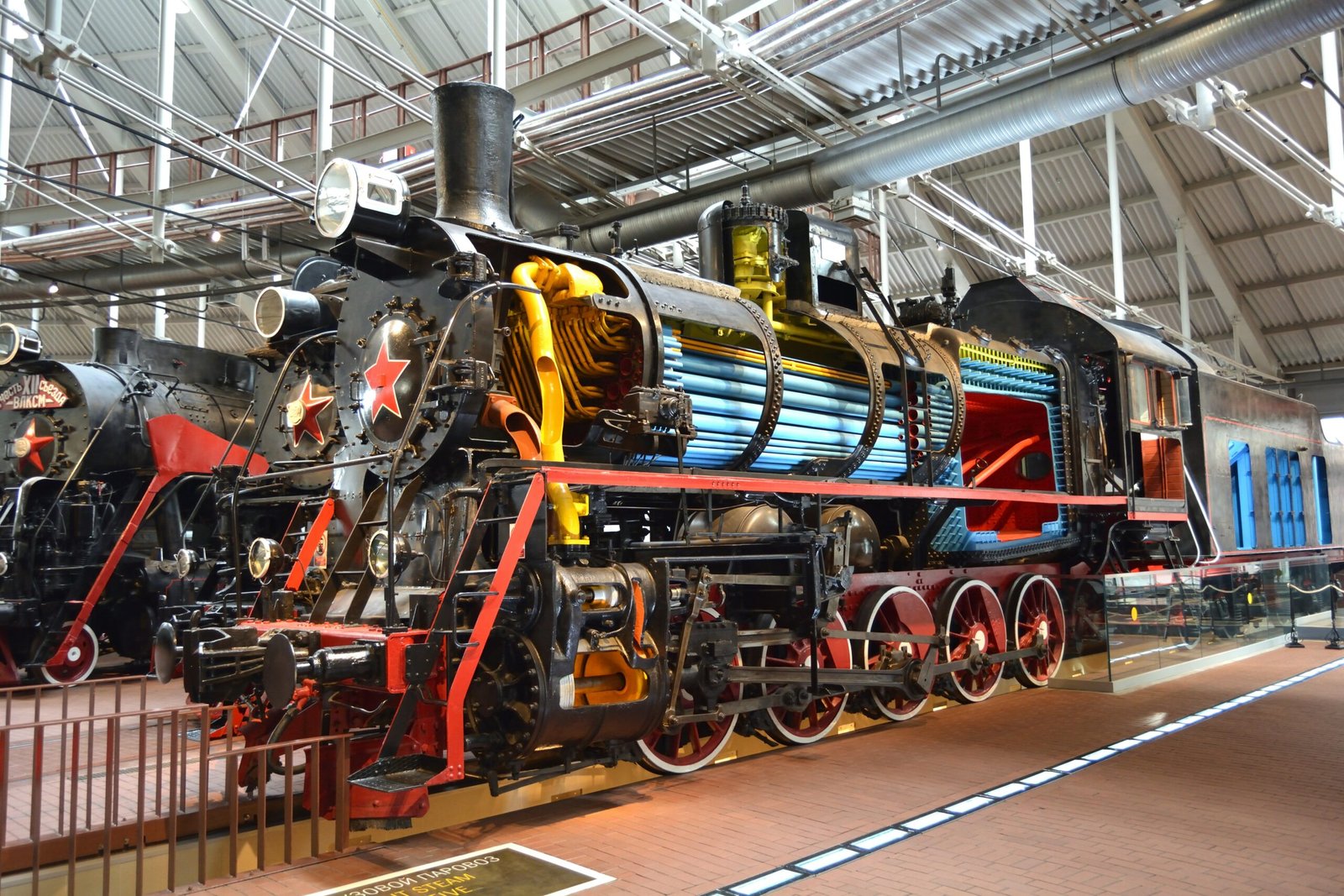
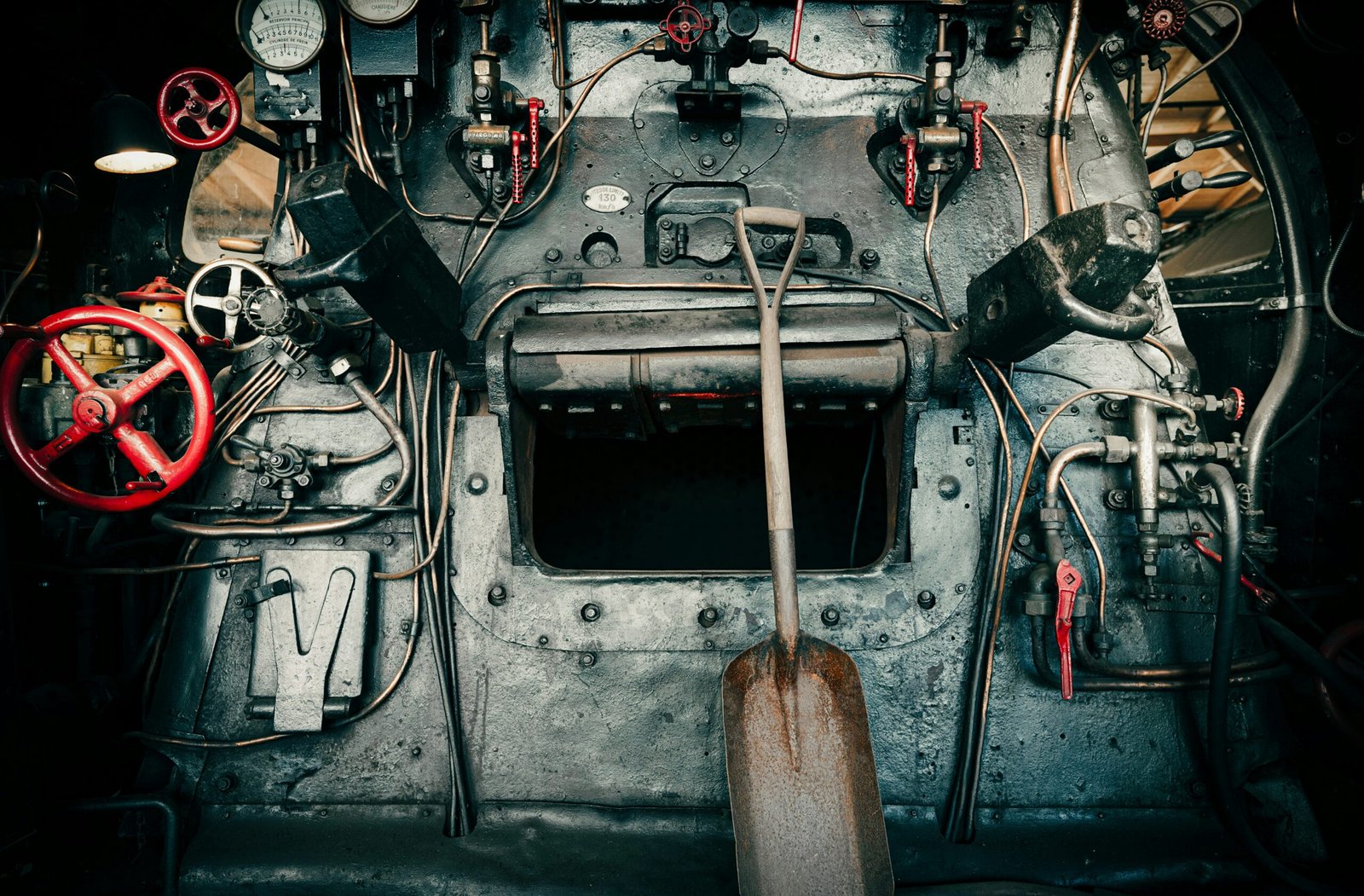
The trains are the obvious headline: steam-era engines and later diesel models, freight and passenger cars, and the quirky miscellany that railroads accumulate. You’ll be able to get close to these machines — to feel the cold metal and imagine the hissing steam — and to imagine, sometimes awkwardly, your own attempts at heroism standing on a rusted step.
Logging equipment and sawmill artifacts
Here are the chains, hooks, planers, band saws, and log trucks that turned trees into town. Tools are displayed with an affection that makes you imagine they’re being praised for a job well done. The sawmill relics are theatrical: enormous wheels, belts, and teeth that once ate wood like a careful, grinding beast.
This image is property of images.unsplash.com.
Events and seasonal programming
The museum hosts events throughout the year, including heritage festivals, occasional steam-ups, educational programs, and community gatherings. These events are where small disasters frequently happen: sudden rainstorms during outdoor demonstrations, your inability to read the timetable, or the steam engine running late and making everyone late in a way that becomes part of the story. Still, those events are when the museum is at its most animated.
Typical seasonal highlights
Summer brings the highest crowds and the most outdoor activity; you’ll need sunscreen and patience. Fall is softer and cooler, with the trees providing a dramatic backdrop. Winter wraps the town in snow and a hushed curiosity that’s perfect for museums, but check opening schedules — the season can turn the museum into a weekend-only affair.
Practical visitor information
You need a plan that accounts for the town’s small size and charming unpredictability. Hours and admission policies can change, so call ahead or check the museum’s official communication channels before you leave the house. Parking is usually available, but if you arrive during a festival, you’ll discover an entire community of human vehicles that also thought arriving early was optional.
Quick facts at a glance
| Item | What to expect |
|---|---|
| Location | McCloud, Siskiyou County, near Mount Shasta, California |
| Focus | Local railroad and logging history |
| Typical hours | Seasonal and often weekend-focused; confirm before visiting |
| Admission | Nominal fee for upkeep; discounts for seniors/students may be available |
| Accessibility | Portions of the site are outdoor and uneven; call ahead for accommodations |
| Best time to visit | Late spring through early fall for better weather and programming |
How to get the most out of your visit
You will get more out of the museum if you arrive with a small mission: find a locomotive that looks like it survived an argument with a century, chat with a docent who knows too many names, and let yourself wander into the storage sheds where the best stories hide. Bring comfortable shoes, a jacket (the mountain air is honest and sharp), and the ability to tell a bad joke to a volunteer; they will reward you with local lore.
Guided tours vs. solo wandering
Guided tours give you context and reveal the museum’s secrets; volunteers will point out the tiny details that make the exhibits human. Wandering on your own allows you to feel like an accidental archaeologist uncovering little treasures. Both approaches work — and both will leave you with a small catalogue of mishaps you can retell as evidence of having truly been there.
Where to eat and sleep nearby
McCloud is a small town with a handful of cozy eateries and inns, the kind of places where everyone knows your name even if you’ve never been there. Mount Shasta, a short drive away, offers a larger selection of restaurants, bakeries, and hotels. If you prefer nature, there are campgrounds and cabins that let you collapse into bed listening to distant trains.
Suggestions for a comfortable stay
| Need | Suggested approach |
|---|---|
| Casual meal | Try the local diner or a café; portions will be generous and conversation inevitable |
| Short stay | Book a nearby B&B or a motel in McCloud for close proximity |
| More options | Head to Mount Shasta for boutique hotels and more dining choices |
| Camping | Check local campgrounds and seasonal availability; mountain nights are cold |

What you will accidentally learn about small-town life
You’ll notice how the town keeps its history and people close: the volunteerism, the oral storytelling, the tendency to use the word “we” in public places. Small towns like McCloud preserve community by doing what they can with what they have, which sometimes means that museum tours involve stopping for a neighbor’s cat or explaining why the heirloom tractor is actually a family member. These moments are not annoyances; they are gestures of human warmth that you will misread as quaintness until you’re the person missing your bus stop because the docent’s story about a lost sawmill was too compelling.
The human element in preservation
The museum survives because people believe it should. You’ll meet volunteers who say, with an exacting pride, that “we don’t restore everything; we keep its soul.” You might scoff at the rhetoric, but then you’ll hear a story about a woman who knitted engine covers and you’ll be charmed into silence.
A catalog of small disasters you are likely to encounter
This museum, like many small towns and old railways, encourages mishaps. Not catastrophic, but memorable: a tire blowout outside a café; your map app sending you to four contradictory “Main Streets”; a drizzle turning your picnic into a soggy pancake. You will call these disasters when they happen and love them later because they turn into stories that make you look like a character in your own travel narrative.
Table: Small disasters, what they feel like, and why they become cherished
| Disaster | Immediate feeling | Why you’ll remember it fondly |
|---|---|---|
| Flat tire on a country road | Frustration, slight panic | A helpful local appears with a jack and stories |
| Train demonstration delayed | Impatience | The delay gives you time to talk to volunteers and learn hidden facts |
| Rain on an outdoor exhibit | Soggy discomfort | The rain makes colors pop and adds drama to photos |
| Getting lost in town | Embarrassment | You find a quiet antique shop with a pregnant mannequin who stares like a judge |
| Museum closing earlier than expected | Irritation | You return the next day and meet someone who knew your grandfather’s cousin |
Safety, accessibility, and realistic expectations
You should manage your expectations: historic sites are charming because they are old, which sometimes means uneven floors, narrow doorways, and displays that are labeled with the brevity of someone writing a postcard. If you have accessibility needs, call ahead — volunteers will often try to accommodate but their resources are not infinite. Safety is straightforward: watch your step, don’t touch the fragile exhibits, and treat historic machinery with the respect it earned over many decades.
Practical safety tips
- Wear sturdy shoes for gravel and uneven surfaces.
- Carry a light jacket; mountain weather changes abruptly.
- Keep your phone charged; service can be patchy.
- Ask before taking photographs if an exhibit seems fragile.
The volunteers and the stories they keep
Volunteers are the museum’s beating heart. You will meet a retired engineer who treats a locomotive as a living thing, a former logger who will correct your terminology with gentle amusement, and a docent who knows how to tell a joke that lands like a well-placed tie. These people do more than maintain artifacts; they maintain continuity. Talk to them, and you’ll learn the town’s stories — not the tidy ones in brochures, but the human ones with interruptions, arguments, and occasional reconciliation.
How to engage with the people who run the museum
Bring curiosity and a willingness to ask questions you don’t already know the answers to. If you make a conversational error, laugh at yourself; the volunteers are looking for humility and interest more than expertise. You’ll leave with names you didn’t expect to know and a sense that history is personal and occasionally stubborn.
The smell of things and why it matters
You’ll notice scents: diesel mingled with pine resin, oil, cold metal, and sometimes the ghost of a wood-smoke dinner. Smell is time’s postcard; it tells you where you are faster than signage. You will associate these smells with the stories you hear and remember them as proof you were physically present.
How sensory details anchor memory
You will remember a museum exhibit not just by its plaque but by the way it made your nose remember a winter morning. These sensory anchors turn ordinary facts into lived memory.
Photography, souvenirs, and what to bring home
You’ll want photos, but don’t disrupt other visitors or volunteers to get the perfect shot. The gift shop is likely to have books, postcards, and small crafts — items that speak more of memory than mass-market appeal. Choose objects that feel like authentic fragments of the place, not the things that could have been manufactured anywhere.
Souvenir suggestions
- A locally-written book about McCloud’s railroad history.
- A postcard featuring a steam locomotive or a local mill.
- A small handmade item from a local artisan.
Nearby activities to pair with your visit
You may plan to make the museum only one stop on a lengthier trip. Consider pairing it with a hike around Mount Shasta, a waterfall walk, or a visit to a local orchard. The region’s natural beauty contrasts with the museum’s industrial history in ways that create a fuller picture of life in this mountain valley.
Suggested nearby attractions
| Attraction | Why go |
|---|---|
| Mount Shasta trails | For panoramic views and the mountain’s quiet pressure |
| Local rivers and falls | For a nature reset after dusty museum walks |
| Small-town cafes | For conversation and potent coffee |
The art of turning irritation into affection
You will refine a strange art: turning minor travel grievances into affection for a place. When the museum’s sign is missing a letter, you will call it authentic; when the docent tells the same story twice, you will call it tradition. These small acts of reframing are not denial; they are an acknowledgment that what you are doing here is making memories.
How to practice this gently
Allow yourself to be amused rather than annoyed. Reframe a missed train demonstration as extra time for coffee. If your phone loses signal, consider it a small retreat curated by fate. These reframes are small kindnesses you give yourself, which is why you grow fond of the mishaps.
Stories you will tell after your visit
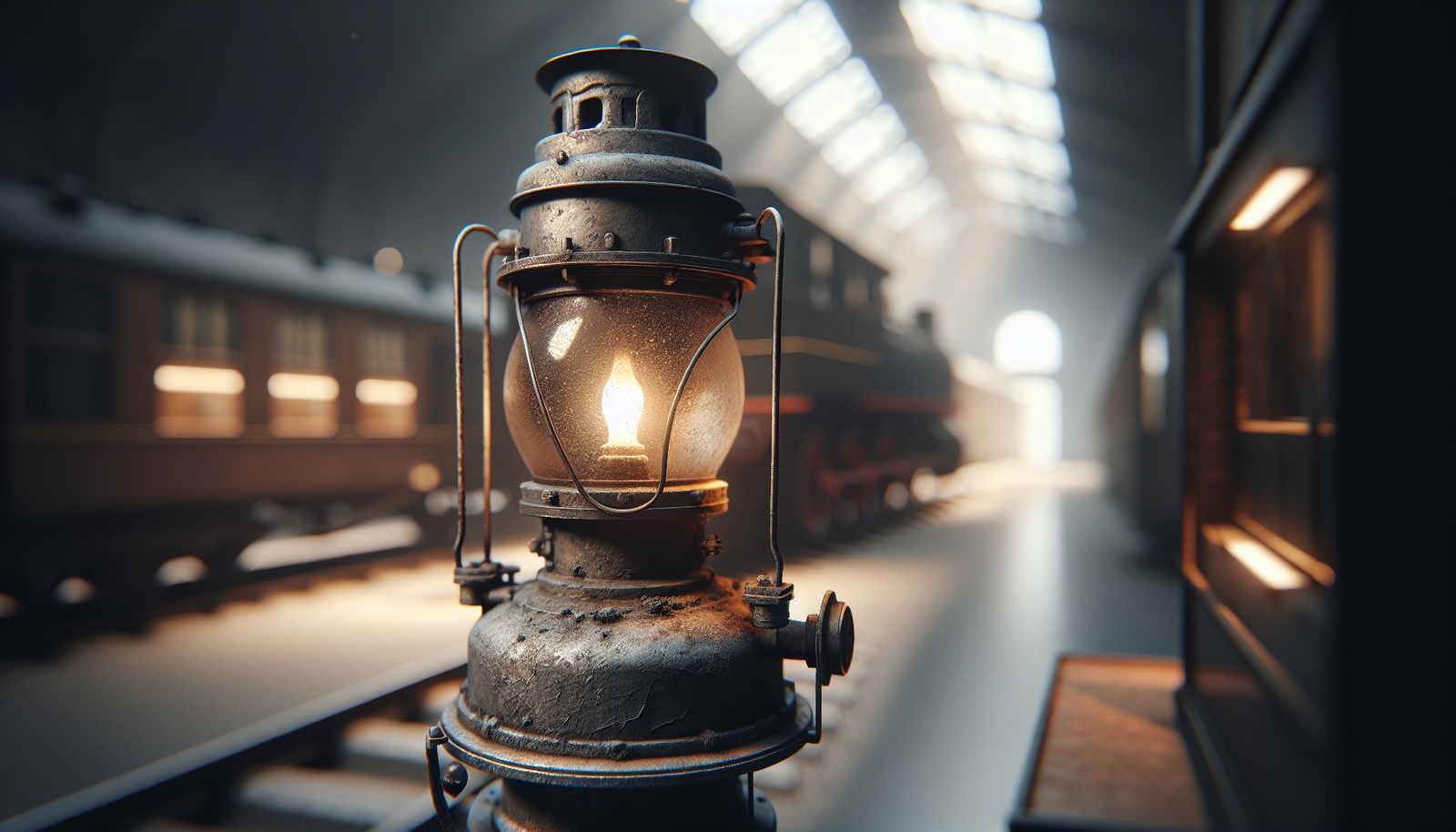
You’ll tell stories with the precision of someone who found personal meaning in the inexact. The best stories are not the ones where everything goes perfectly but those where you had to navigate a minor calamity and, in doing so, learned something about people and place. You’ll recount the volunteer who repaired your mood as easily as they repaired a lantern, or the rain that turned a picnic into an impromptu theatrical drip.
Examples of good post-trip narratives
- “The day the locomotive didn’t cooperate” — a story about patience and a friendly volunteer.
- “How I learned not to trust my GPS in small towns” — an account of being rerouted through someone’s orchard.
- “The best coffee was from a gas station” — proof that local flavor is rarely where you expect it.
How McCloud Heritage Junction becomes a mirror
You will discover that the museum holds up a mirror to you: your impatience, your delight in mechanical noise, your tendency to romanticize the past. It invites introspection without being solemn; the objects are frank about labor and consequence, and the volunteers are frank about memory and myth. This honesty makes it easier to laugh at yourself when your own small disasters occur.
What visitors often realize about themselves
Visitors often leave realizing they prefer stories with imperfections — because those stories feel true. You will find comfort in the knowledge that people who built a town out of trees and trains also needed time to fix a leaky roof, and that such fixes made the town better in ways that aren’t on any plaque.
Tips for making your own small-disaster story worth telling
If you want to manufacture a beloved travel disaster, approach with humility and curiosity. Get slightly lost on purpose; arrive at a museum during a thunderstorm and embrace the damp; ask a volunteer for a story beyond the brochure. These are not irresponsible acts; they are invitations to the authentic life of a place.
A simple checklist for readers
| Action | Why do it |
|---|---|
| Ask a volunteer for their favorite object | You’ll get a story not in the formal narrative |
| Sit by the river after the museum closes | Quiet connects you to the place’s rhythm |
| Keep a small notebook | Notes make memories portable and precise |
| Let a minor inconvenience delay you | Delays often lead to unexpected human contact |
Final thoughts: why the small disasters matter
You will come away believing that small disasters are the seasoning in your travel stories. The McCloud Heritage Junction Museum is the kind of place that offers up these moments graciously: a steam engine that hisses longer than scheduled, a docent who tells a myth as if it were history, rain that makes wooden decks sing. You do not need a flawless itinerary to create a meaningful experience; instead, you need openness and a willingness to laugh when plans go sideways.
Leaving with something that isn’t map-shaped
You will leave with memories that resist being put into a neat itinerary. You’ll have the scent of diesel and fir in your clothing, the memory of someone’s laugh, and a story that starts with a small disaster and ends with affection. These are the tokens that travel brochures cannot list but that make a place unforgettable.
If you go, carry patience, bring good shoes, and be prepared to lose one perfectly planned minute after another. You will find that the museum doesn’t erase disasters; it repurposes them into reasons to return.