
Have you ever bought something tiny that made the entire trip retroactively stupid?
I Bought a Postcard at the Mineral Springs Gallery and Regretted Everything
You stand in the Mineral Springs Gallery with a postcard in your hand and all the seriousness of a person making a life-altering decision. It’s a two-by-four rectangle of glossy stock, an image of Mount Shasta printed so crisply it looks like it could be a photograph of someone else’s life. You bought it because buying a postcard is almost a ritual: you are the kind of person who will later show people a snapshot of where you’ve been, or you think you’ll mail it to someone before you forget, or you want to prove—silently, stubbornly—that you were there. Then you leave the gallery with the postcard in your pocket, and as soon as the automatic door whooshes shut you feel a curious, growing regret. You can’t say exactly why. Maybe you know that postcards are made to be forgotten in drawers, to be sent half-heartedly, to be pressed under a stack of museum brochures until they curl. Maybe you realize that the thing you thought would encapsulate Mount Shasta will, at best, collect dust.
This article is for you if you have ever stood in a gift shop, chosen an object that promises memory, and then questioned your judgment. It will tell you about the Mineral Springs Gallery experience, some useful details about Mount Shasta, and a lot of things you didn’t know you needed to know about postcards, small-town galleries, and how to avoid future moments of crushing souvenir shame.

This image is property of images.unsplash.com.
Why Mount Shasta Feels Important to People Like You
Mount Shasta is tall and stubborn—the kind of mountain that seems to have an opinion about weather patterns and, perhaps, about your life decisions. People are drawn to it for geology, spirituality, and the simple, undeniable beauty of an enormous, snow-capped cone. There is a long list of reasons you might end up in the area: climbing, trail walking, hot springs, art, yoga retreats, UFO speculation, or exactly zero of those—just the need to get out of the city and stand somewhere that makes your phone autocorrect to “breathtaking.”
When you visit, you will notice the town’s contradictions: earnest spiritual centers rubbing shoulders with stores that sell practical hiking socks and mass-produced T-shirts. The gallery scene reflects this mixture. The Mineral Springs Gallery sits in this small ecosystem, offering a certain curated vision of the mountain and its surroundings—photography, paintings, ceramics, and yes, postcards.
The Mineral Springs Gallery: What It Feels Like When You Walk In
You push open a door and are hit not by the faint perfume of incense you expected, but by a warm, slightly dusty smell of paper, wood, and varnish. The lighting is intentionally flattering; it makes the photographs glow and hides certain brushstrokes. A clerk—someone who looks like they have a history of short answers and insightful nods—is arranging prints on the counter. They smile in a way you read as both polite and mildly suspicious of impulse buyers.
The gallery sells art with regional themes. Some pieces are earnest homages to local beauty, others are quirky takes on mountain mystique. You will find handcrafted jewelry, ceramic mugs printed with scenic silhouettes, limited-edition prints, and racks of postcards that seem to have been made in a single, pristine moment: the mountain framed by perfect light, kids flying kites in the foreground, someone in a beanie staring contemplatively into the distance.
If you stay longer, you will overhear other patrons engaging in the precise microtransactions of small-town tourism: “Do you have something that says Mount Shasta but in a subtle way?” “Is the photographer local?” “How much for framing?” These conversations have the same rhythm as your own later self-justifications.
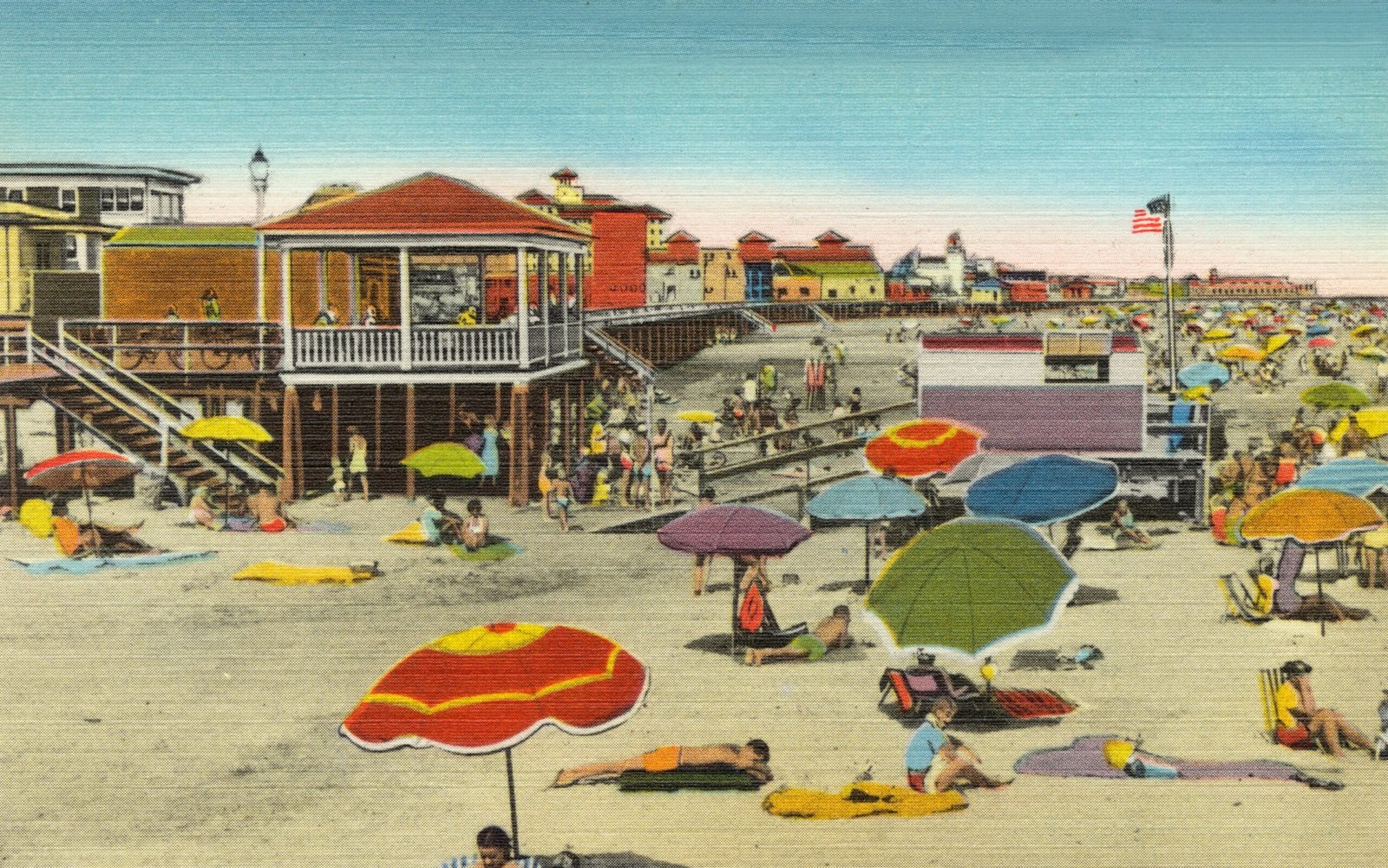
This image is property of images.unsplash.com.
The Anatomy of a Postcard: Why This Tiny Piece of Paper Feels So Weighty
You hold the postcard close and study it like someone hoping a small miracle will present itself. A postcard is simultaneously a physical object, a decision, and an unspoken contract with the future. The regret you feel can come from several parts of this contract:
- The image: Maybe it’s too idealized, too photogenic, too polished. It promises a type of experience that never existed, a Mount Shasta of postcard fiction.
- The price: Postcards are inexpensive, but they feel expensive when you remember you also paid for gas, coffee, and small personal betrayals such as buying artisan chocolate you can’t pronounce.
- The purpose: Why did you buy it? To send? To keep? To prove something? The uncertainty makes you feel conspicuous.
- The environmental angle: You suddenly remember how many disposable prints float in the world, and you are a person who does not like contributing to clutter.
Here’s a quick table that breaks down what you’re probably judging when you wonder if you’ve made a mistake.
| Component | What You Think About | Why It Matters |
|---|---|---|
| Image quality | Is it true to the place? | It represents your memory; if it’s wrong, it feels like lying |
| Paper/finish | Glossy vs matte, thickness | Tells you how long it will last and whether it will scuff |
| Price | Cheap or overpriced | Soft guilt; also whether it supports local artists |
| Intention | Keep, send, or throw away | Affects future regret |
| Authenticity | Local artist vs mass-produced | Determines whether your purchase helped the local community |
How You End Up Buying One: The Purchase Ritual
You convince yourself you’re being practical. “A postcard is cheap,” you tell your internal committee. “I can send it to someone with a snarky line like ‘wish you were here—actually, no, never mind’.” Practicality is a lie you tell yourself because actual collecting would require effort—choosing a card that matters, writing something clever, finding a real stamp, going to a mailbox. Buying is the easiest, least committed form of remembrance.
You go through a ritualistic series of motions before pressing the card into your hand. You look at the rack like a person choosing a tie for a funeral, pick the image that best aligns with your self-image, and then hold it up as if weighing it for its mass. You speak to the clerk. You ask about the photographer because that sounds like the thing someone in a gift shop does. The clerk replies with a name you don’t know and a small story about the artist’s process. You nod; the story validates the card enough to justify the purchase. At the payment, you will probably add something else—an enamel pin, a magnet, a small ceramic dish—because once you have started collecting little things you will more consistently make the wrong decisions.

This image is property of images.unsplash.com.
The Economics of Small Galleries: What Your Money Actually Buys
The guilt you feel is paradoxically mitigated when you remember that small galleries often survive on small purchases. A postcard might seem trivial but it is rarely trivial to the gallery owner. Consider this:
- Production costs: Even cheap postcards have design and printing costs.
- Margin: Galleries often operate on thin margins; your purchase helps pay rent.
- Artist support: If the postcard features a local artist, portions of the sale may go back to them.
You can comfort yourself by asking if your card supports a local creative economy. If so, your purchase did real work. If it’s mass-produced merchandise resold by a chain, then your regret may be justified, but there are always other ways to contribute, like buying an original print or asking how to support local artists directly.
The Spirit of Mount Shasta and the Gallery’s Aesthetic
Mount Shasta is more than a postcard. People attribute spiritual qualities to it—some think it’s a nexus for energy, others say it’s a good place to reconsider life choices. The Mineral Springs Gallery curates its offerings in dialogue with that mythology: some works are reverent, some are ironic, and some seem to be thinking about yoga retreats. If you are someone who wants something authentic, you must read the work carefully.
You will notice a few recurring visual motifs: the mountain at dawn, the mountain at dusk, the mountain under dramatic clouds, and the mountain with a retro camper in front of it. Each motif speaks to a certain kind of visitor. You might recognize yourself in one, cringe at another, and feel oddly pleased by a third you cannot fully explain.
What You Should Look For in a Postcard (So You Don’t Regret It Later)
If you are determined to buy a postcard, do it like a person with standards. Ask yourself questions that will save future embarrassment:
- Is the image representing something real about the place?
- Does the card feel sturdy enough to survive being sent?
- Is the photographer or artist credited?
- Will you actually send it, or keep it as a memento?
- Does it make you smile or make you feel defensive about having bought it?
Use the following checklist before you decide:
| Step | Action |
|---|---|
| 1 | Inspect the print quality—edges, color, texture |
| 2 | Look for artist credit—support local whenever possible |
| 3 | Ask the clerk if the product is locally produced |
| 4 | Imagine the card in your drawer—truly imagine it |
| 5 | Commit: Will you mail it within a week? If not, reconsider |
If you follow these steps, you’ll either save yourself some regret or trade it for a different, more justified regret.
Alternatives That Don’t Make You Feel Bad
There are many ways to keep a memory without buying an object you’ll later resent. You might do one or more of the following:
- Take a photo with your own camera and print it at home on quality paper.
- Buy a limited-edition print directly from a local artist—this costs more but supports the creator and feels intentional.
- Purchase a locally made functional object (mug, spoon, scarf) that you will actually use.
- Get a postcard, but write something meaningful on it and actually send it.
- Donate to a local arts program or nonprofit that maintains trails or conserves land.
Each of these alternatives gives you something to point to when someone asks if your trip mattered. They also reduce the chance that you will end up with a drawer full of generic pictures.
What to Do If You Already Feel Regret
You are standing in your car, the postcard in the glove compartment, and a delicious, bile-filled regret gnaws at you. You can react in many ways, ranging from practical to theatrical.
- Send it with a sincere note. The sincerity will justify the physical object.
- Frame it in a tiny vintage frame and make it part of a small, witty collage.
- Use it as an apology note for whatever social misstep you committed recently.
- Gift it to the next person who asks for a keepsake.
- Recycle it if it is truly worthless—sometimes letting go is the most honest choice.
The important part is that you do something intentional about it. The worst fate for a postcard is to act like it’s a talisman by putting it somewhere sacred, then never looking at it again.
Practical Information About Visiting Mount Shasta and the Gallery
You’re probably planning logistics, or at least you should be. Mount Shasta can be reached by car from several directions—highway travelers, weekenders, and those who come armed with nothing but an ill-chosen sense of optimism. Weather can be unpredictable; the mountain has moods and you will want layers.
Here is a compact table of what to expect and what to bring:
| Category | Details |
|---|---|
| Best time to visit | Late spring through early fall for hiking; winter for skiing and snow scenes |
| Weather | Mountain weather changes quickly—pack layers, rain jacket, hat |
| Must-bring items | Comfortable shoes, reusable water bottle, camera, small cash for galleries |
| Local etiquette | Respect private property; ask before photographing people or sacred sites |
| Gallery payment options | Most galleries accept cards; small items sometimes cash-only |
| Nearby activities | Hiking, hot springs, art walks, farmers’ markets, spiritual centers |
If you want to make the most of your visit, consider attending a local art opening at the gallery. These events reveal the personalities behind the rack of postcards and you might find the postcard’s image in a much larger, richer context.
The Artists: Who Makes the Things You’re Buying?
The artists whose work you’ll see at Mineral Springs Gallery are typically local or regional. They include landscape photographers, plein air painters, potters, glassworkers, and sometimes mixed-media artists who incorporate natural materials. The gallery often favors works that respond to the mountain’s presence—paintings that stage the landscape as an agent of emotional change, photographs that treat the peak as a character, ceramics whose glazes try to capture local geology.
If you are curious about supporting individual creators, ask the staff for a list of artists. If they are cooperative, they will point you toward the names and tell the stories: who painted the winter scene, who took the photograph of the camper, who did the hand-thrown mugs. If they’re not cooperative, you will learn what it feels like to be brushed off by a gallery and that grief will last only as long as your trip.
Framing Your Regret: Make It Part of the Story
You don’t have to annihilate the postcard. Regret is an emotion that can be narrated. Consider documenting your reaction on the card itself. Write, “Bought in a moment of weakness,” address it to a friend, and send it. Imagine the friend opening the envelope and reading your confession. There will be a laughter you can almost predict: your mistake becomes a shared moment, a tiny story that binds you and someone else to that afternoon in Mount Shasta.
You can also keep the postcard as evidence of your human capacity to make bad decisions. Frame it in an intentionally ironic way—mat it in a large frame with a plaque that reads, “Trophy, regret category.” Arrange it among other small artifacts of mistakes and call it your “satirical shrine.” This approach turns embarrassment into art.
The Gallery Experience: What You’ll Remember, For Better or Worse
If you allow yourself to notice, the memory of the gallery will be more than an image on slick paper. You will recall the sound of your footsteps on the gallery floor, the soft rock music playing under conversations, the taste of coffee from a nearby café, and the exact shape of the clerk’s eyebrows when you asked about the artist. All of these small sensory things are what you are really buying: a metadata package for a memory. The postcard is a placeholder, a way to tell a story later. When you spend more to get a better photograph or a print with the artist’s signature, you buy a richer metadata package: a conversation, provenance, and the sense that you purchased intentionally.
A Few Practical Tips to Avoid Future Pain
- Before you buy anything in a gallery, stand away from it for a minute. Imagine leaving without it. If the image survives that minute, it’s worth keeping.
- Ask who made it and why. Genuine stories create fewer regrets.
- Buy something useful when possible. A card that doubles as a postcard and a coaster will be less likely to haunt you.
- Support the artist directly if you can. That way, the money you spend aligns better with your values.
Final Thoughts: What the Postcard Taught You About Yourself
You learned two things from buying the postcard. First, you learned that small purchases can hold disproportionate moral weight. Second, you learned that regret is less a condemnation of you than a signal. It directs you toward making different choices in the future. That is useful. That is human. You might be surprised, eventually, to find that the postcard’s role in your story is not as a useless artifact but as a prompt. It pushed you to think about why you collect objects at all, what memories you want to keep, and who you wish to support when you hand over your cash.
If you let the experience settle, you will begin to appreciate the art of thoughtful buying. You will become the sort of person who reads credit card receipts like confessions, who can tell a mass-produced magnet from a hand-finished ceramic by touch, who knows when to take a photograph instead of a souvenir. In time, you might even return to the Mineral Springs Gallery with a better sense of what you want—not because Mount Shasta changed, but because you did.
You will look at that postcard again, perhaps months later, and either laugh at your previous self or be grateful for a small, decisive lesson about the economy of memory. Either outcome is fine. Either outcome means you are continuing a pattern of learning to be less impulsively sentimental and more intentionally present. Mount Shasta, after all, is still the same enormous, opinionated mountain. It will remain indifferent to your purchases. The regret belongs to you—and that’s okay because it means you cared enough to notice.