
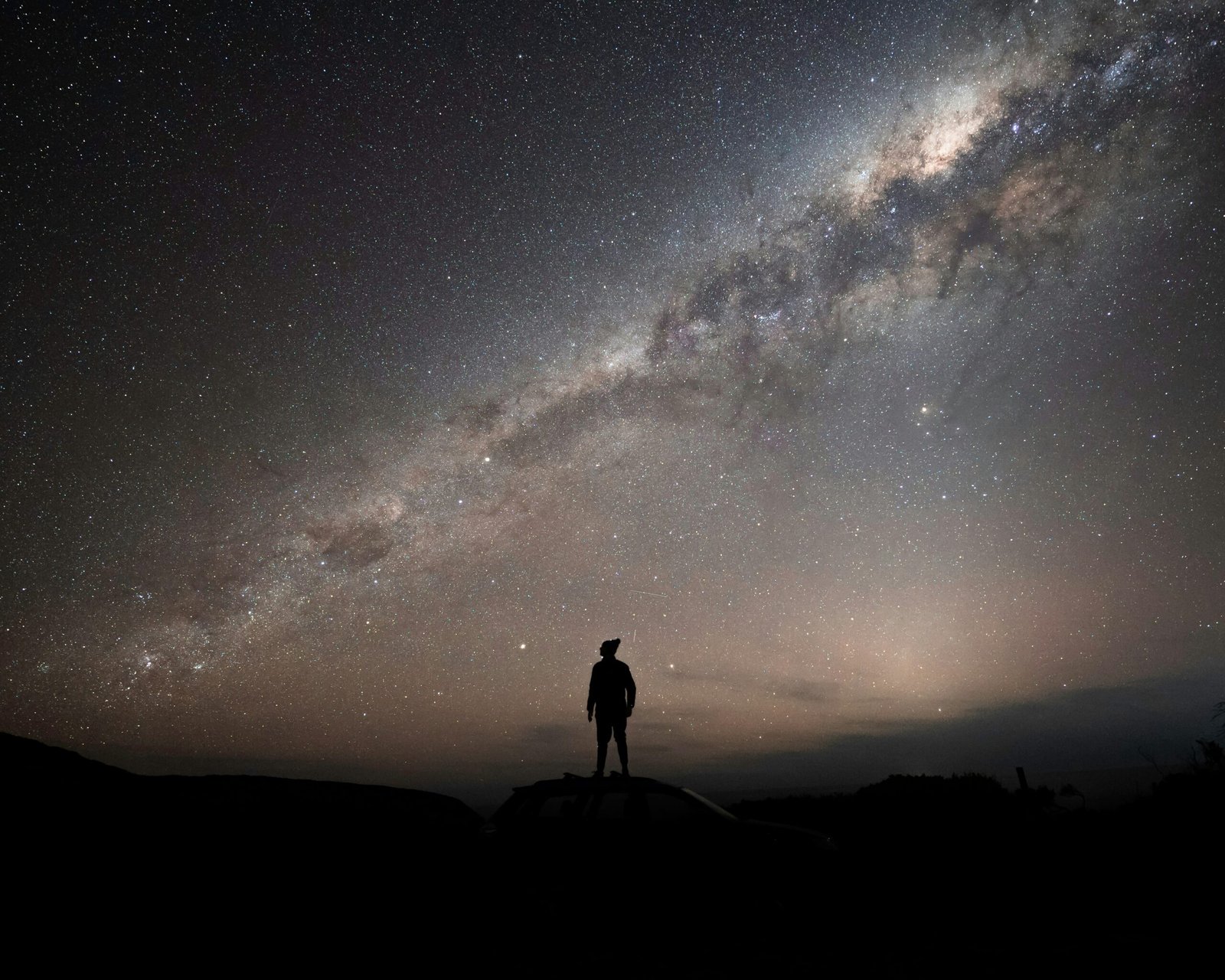
Have you ever stood beneath a sky so full of stars that you felt small and curious all at once?
This image is property of images.unsplash.com.
Mount Shasta's Night Sky: Stargazing And Astronomy Tours
Mount Shasta offers some of the most compelling night-sky experiences in California. Whether you prefer guided astronomy tours with telescopes and commentary or quiet, self-guided nights beneath the Milky Way, you’ll find conditions and settings that make stargazing memorable.
Why Mount Shasta is Outstanding for Stargazing
You’ll notice the dramatic difference in sky quality as you move away from urban lights. Mount Shasta’s high elevation, relatively low population density, and clear inland air often produce dark, stable skies. Those conditions help faint stars, the Milky Way, and distant nebulae pop into view.
The mountain’s terrain also provides many accessible vantage points: lakes, ridgelines, and clearings that face wide horizons. You’ll appreciate how climbs of a few hundred feet can lift you above valley haze, giving you cleaner air and sharper star images.
Key Factors That Improve Night-Sky Viewing Here
Several natural and practical factors combine to create excellent observations on and around Mount Shasta. You’ll want to consider altitude, humidity, light pollution, and local weather patterns. High-altitude sites reduce the atmospheric column you’re looking through, while dry air improves transparency.
Thermal stability matters too: when the air is calm and the ground has cooled, stars appear steadier, making planets and double stars clearer. You’ll get the best results when those conditions align with moonless nights.
Best Times of Year to Stargaze
Different seasons offer different advantages for stargazing around Mount Shasta. You’ll choose the season based on what you want to see and your comfort with nighttime temperatures.
| Season | Benefits | Targets |
|---|---|---|
| Spring (Mar–May) | Generally clearer nights after winter storms, moderate temperatures. | Deep-sky objects such as galaxies (Virgo), spring constellations (Leo), and Jupiter in some years. |
| Summer (Jun–Aug) | Long, warm evenings and prime Milky Way visibility. | Galactic center, rich Milky Way star fields, summer constellations (Sagittarius, Scorpius). |
| Fall (Sep–Nov) | Crisp, stable air and fewer insects; excellent transparency. | Bright galaxies, Andromeda, and rich globular clusters. |
| Winter (Dec–Feb) | Extremely dark skies with long night lengths but colder conditions. | Orion, Taurus, winter constellations, and bright winter planets; ideal for crisp views of nebulae. |
You’ll find summer ideal for Milky Way photos and long nights, while fall often delivers the most stable seeing for high-resolution planetary observations.
Best Times of Night and Moon Phases
To maximize faint-object visibility, plan your observing sessions around moonless periods. You’ll get the darkest skies during the new moon and for several nights before and after it. Astronomical twilight—when the Sun is 18 degrees below the horizon—is the true start and end of usable dark-sky time.
Aim for late evening through the pre-dawn hours when many seasonal objects culminate. If you’re focused on planets, check specific rise and set times because they vary nightly.
Top Viewing Locations Around Mount Shasta
You’ll benefit from choosing a site that balances accessibility, horizon view, and light control. Here are commonly favored types of locations and what they offer.
| Location | Elevation/Access | Pros | Cons |
|---|---|---|---|
| Lake Siskiyou area | Moderate, paved parking and short walks | Wide western horizon, reflective water for scenic photos, close to town amenities | Can be busier on summer weekends |
| Castle Lake | Higher elevation, short hike required | Very dark, rugged backdrop, great northern horizon | Rough access in winter/spring due to snow |
| Mount Shasta Wilderness pullouts | Variable, often require 4WD or hiking | Extremely dark, isolated, high-altitude clarity | Requires planning, possible restrictions, limited facilities |
| Shasta–Trinity National Forest roadsides | Variable | Flexible choices for elevation and exposure | Check for closures and avoid blocking roads |
| Private ranch or lodge sites (hosts offering tours) | Varies | Comfort, guided support, permanent equipment | Availability depends on providers; booking often required |
You’ll want to scout access roads ahead of time, especially in seasons with potential snow or closures. Local visitor centers can confirm current conditions.
This image is property of images.unsplash.com.
Types of Stargazing and Astronomy Tours You Can Book
You’ll find a range of tour styles suitable for different interests and experience levels. Tours can be casually educational or highly technical, depending on the operator.
- Guided telescope nights: An astronomy host brings telescopes and points out major objects. You’ll get a hands-on look at planets, star clusters, and nebulae.
- Star parties and community events: Often organized by local clubs or parks, these gatherings let you try different telescopes and meet fellow stargazers.
- Private or custom tours: If you prefer a tailored experience—photography-focused or family-friendly—you can arrange private outings.
- Educational/lecture-based tours: These combine evening observation with talks about astrophysics, navigation, or cultural astronomy.
- Mobile observatory setups: Some providers bring larger professional-class telescopes on trailers for deeper views.
When you pick a tour, think about group size, focus (visual vs. photographic), and how comfortable you are with being outdoors at night.
What Astronomy Tours Typically Provide
A good guided tour usually includes several practical and educational elements. You’ll often receive a brief orientation on basic sky terms, a description of what you’ll view that night, and guided time at the eyepiece.
Common tour features:
- Telescopes with varying apertures and eyepieces
- Trained guides who explain what you’re seeing
- Star charts or apps recommended for attendees
- Red-light flashlights to preserve night vision
- Weather contingency plans or rescheduling options
Ask about group size and how many telescopes are available so you’ll know if you’ll get adequate eyepiece time.
How to Find and Book Tours
You’ll find tours through several channels: local visitor centers, park services, tour operators, and astronomy clubs. Search for “stargazing tours Mount Shasta” online and read recent reviews. You can also contact lodging providers—many have partnerships with tour operators.
When booking, ask:
- What is the cancellation/rescheduling policy?
- What’s the maximum group size?
- What is the educational focus and difficulty level?
- Will there be hands-on telescope time for everyone?
- What should you bring and what does the provider supply?
Booking in advance is wise for peak seasons, especially around summer Milky Way nights and major meteor showers.
This image is property of images.unsplash.com.
Preparing for a Night Under the Stars
A little planning makes your night much more comfortable and productive. You’ll want to dress in layers, bring food and water, and have appropriate lighting that doesn’t ruin night vision.
Essential planning tips:
- Check the moon phase and weather forecasts for transparency and cloud cover.
- Review site access and potential road closures.
- Confirm the expected temperature range for the night, which can fall quickly at high elevation.
- Bring a printed map or offline GPS if cell service is unreliable.
You’ll appreciate having a checklist so you don’t forget crucial items during your trip.
Stargazing Gear Checklist
A compact and clear checklist helps you get ready quickly. You’ll find a simple table below to guide what to pack for both guided tours and self-guided nights.
| Item | Purpose/Notes |
|---|---|
| Warm layered clothing | Temperatures drop quickly; include gloves and hat |
| Sturdy shoes | For uneven ground and short hikes |
| Headlamp with red filter | Preserves night vision; avoid white lights |
| Star chart app or printed charts | Helps identify objects when guide is absent |
| Binoculars (7×50 or 10×50) | Great for wide-field views and beginners |
| Telescope (optional) | If you own one, bring a reliable mount and power |
| Camera and tripod (for astrophotography) | For long exposures and landscape-star photos |
| Extra batteries/power bank | Cold drains batteries faster |
| Snacks and water | Keeps you comfortable during long sessions |
| Camping chair or pad | For comfortable reclining and horizon watching |
| First-aid kit and emergency supplies | Especially for remote locations |
You’ll tailor this list depending on whether you’ll be at an organized event or camping out on your own.
Equipment for Every Experience Level
Whether you’re starting out or upgrading, the right gear enhances your experience. You’ll benefit from choosing equipment that matches your goals—planetary viewing vs. deep-sky observation vs. photography.
| Skill Level | Recommended Equipment | Why it helps |
|---|---|---|
| Beginner | 7×50 or 10×50 binoculars, star chart app | Wide field of view, easy to use, great value |
| Intermediate | Dobsonian telescope (6–10″), motorized equatorial mount | Better resolution, easy planetary and deep-sky viewing |
| Advanced | APO refractor or large reflector, equatorial mount, guide scope | Higher optical quality for astrophotography and fine detail |
| Photographers | DSLR or mirrorless camera, fast wide-angle lens (f/2.8 or faster), sturdy tripod, intervalometer | Allows Milky Way and star-trail images; stacking improves signal-to-noise |
You’ll want to practice setup at home before heading to a remote site so you spend more time observing and less time wrestling with equipment.
What You Can See from Mount Shasta
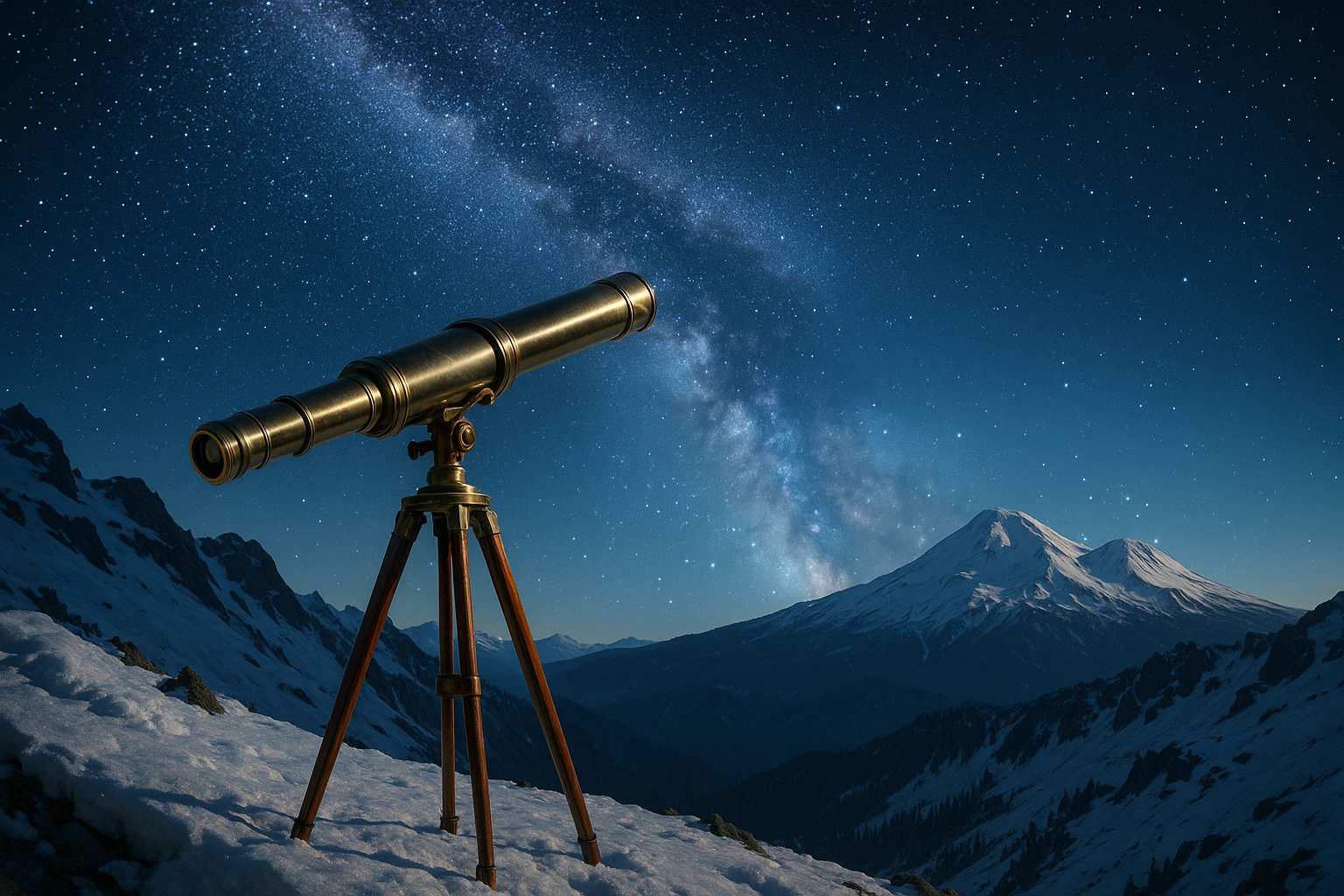
From your vantage around Mount Shasta, the range of visible objects is impressive. Your choices depend on season and time of night.
- The Milky Way: In summer, the galactic center rises and becomes a vivid band of stars and dust.
- Planets: Jupiter and Saturn are bright and show detail in small scopes; Mars and Venus offer striking views when favorably placed.
- Nebulae: Orion Nebula (winter) and the Lagoon/Trifid Nebulae (summer) are photogenic deep-sky targets.
- Star clusters: Pleiades and the double cluster can be enjoyed with binoculars.
- Galaxies: Andromeda (M31) and many others are visible in dark, clear skies.
- Double stars and variable stars: Great training targets to learn the subtleties of seeing and optics.
You’ll find nights where seeing conditions make even subtle objects unexpectedly rewarding.
Meteor Showers and Annual Events Visible from Mount Shasta
Major meteor showers are excellent reasons to plan a night out. You’ll get the best views during showers’ peak nights and when the moon is absent.
| Meteor Shower | Typical Peak | Notes |
|---|---|---|
| Perseids | August 11–13 | One of the most active showers; warm summer nights make it popular |
| Geminids | December 13–14 | Very reliable and productive but can be cold; bring winter gear |
| Quadrantids | Early January | Short peak window; good rates under dark skies |
| Leonids | Mid-November | Known for outbursts some years; variable activity |
| Lyrids | Late April | Moderate activity; sometimes produces bright meteors |
You’ll increase your counts by finding an open sky with 360-degree view and avoiding obstructed horizons.
Astrophotography Tips for Mount Shasta
If you plan to photograph the night sky, Mount Shasta offers dramatic foregrounds and dark skies. You’ll find that combining landscape and sky produces compelling images.
Basic astrophotography guidelines:
- Composition: Include Mount Shasta or lakes like Lake Siskiyou for context that tells a place-based story.
- Exposure: For wide-angle Milky Way shots, start with ISO 1600–6400, aperture as wide as your lens allows (f/2.8 or faster), and shutter around 15–25 seconds (avoid star trailing based on your focal length).
- Tracking: For deep exposures of nebulae and galaxies, use a star tracker or mount to avoid trailing and allow lower ISO for cleaner images.
- Stacking: Capture multiple exposures and use stacking software to reduce noise and reveal faint details.
- Light painting: If you add foreground illumination, use a soft, controlled red or warm light to keep the scene natural and preserve night vision.
You’ll benefit from test shots and practice to find the balance that matches your camera and site.
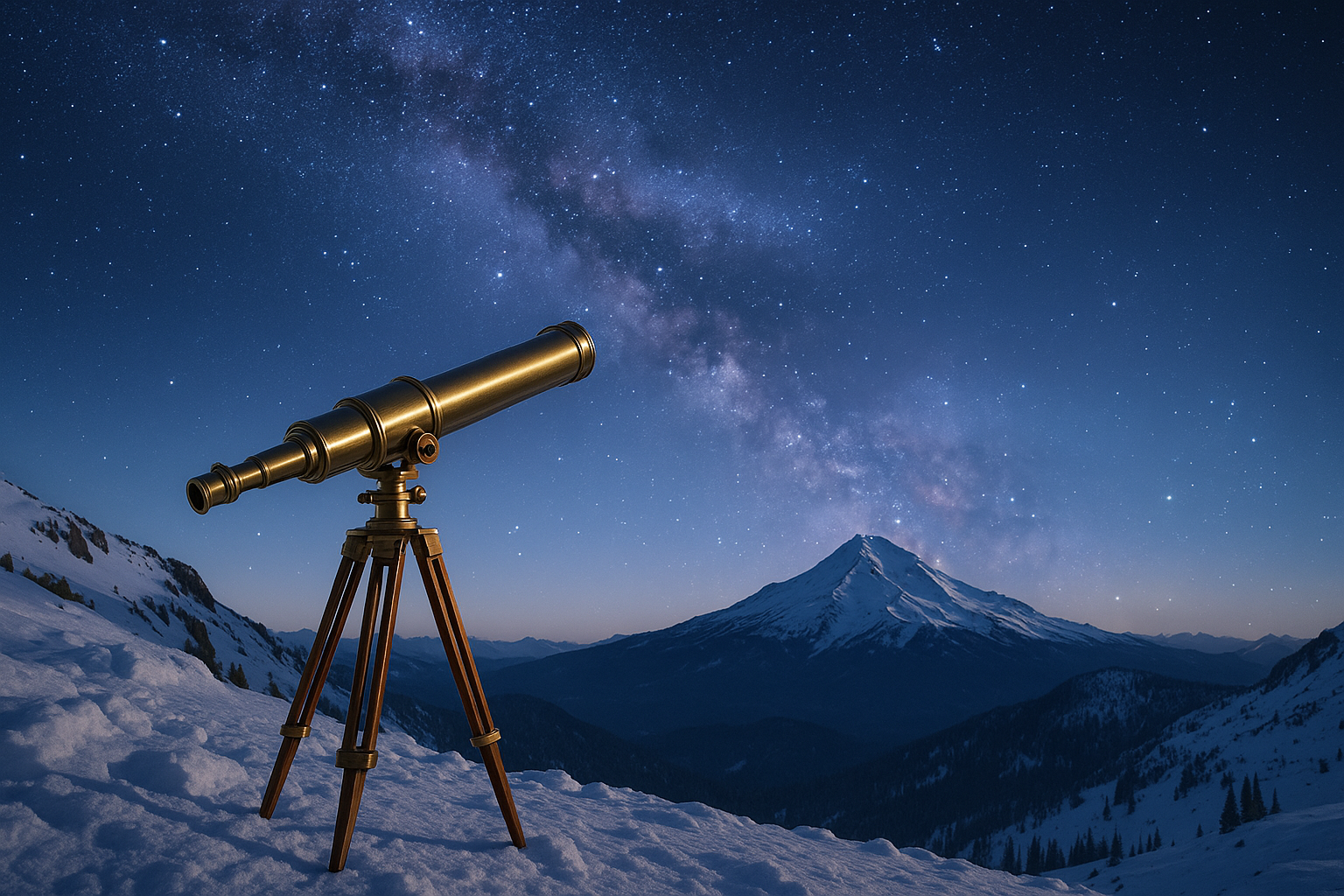
Planning a Safe and Comfortable Night
Safety and comfort ensure your stargazing is memorable for good reasons. You’ll prepare for temperature swings, uneven terrain, and wildlife encounters.
Safety tips:
- Tell someone where you’re going and when you’ll return, especially for remote sites.
- Be cautious of mountain wildlife and keep food stored securely.
- Avoid shining bright white lights; use red light and shielded sources when necessary.
- Carry extra layers, water, and a way to contact help if cell coverage is spotty.
You’ll sleep and travel much better the next day if you plan for a safe night.
Example Itinerary for a Guided Astronomy Tour Night
A sample timeline helps you know what to expect. You’ll adjust this to the season and the specific tour you choose.
- 6:00–7:30 PM — Arrival and orientation at meeting point; gear check and light refreshments.
- 7:30–8:30 PM — Short talk on constellations and basic sky navigation while waiting for full darkness.
- 8:30–10:30 PM — Telescope viewing cycles focusing on planets and bright deep-sky objects. Guides rotate groups to eyepieces.
- 10:30–11:30 PM — Focus on seasonal highlights (Milky Way, meteor viewing, or deep-sky objects), Q&A with guides.
- 11:30 PM — Wrap-up and pack; optional photography session for interested participants.
You’ll find many tours adapt timing to sunset and local conditions.
Night-Sky Etiquette and Leave-No-Trace
You’ll want to respect the environment and other observers. Night-sky etiquette benefits everyone and helps preserve dark skies.
- Use red lights and keep them low and shielded.
- Avoid talking loudly near telescopes; quiet helps concentration.
- Pack out all trash and minimize vehicle use on fragile soils.
- Follow local rules about fires and camping; some areas restrict fires to prevent wildfires.
You’ll contribute to keeping these sites dark and pristine for future visitors.
Weather and Logistics to Check Before You Go
Mount Shasta weather can shift quickly, especially at elevation. You’ll want to check cloud forecasts, wind, and overnight lows.
Useful planning resources:
- Local weather forecasts with nighttime cloud cover and humidity estimates.
- Light pollution maps to gauge sky quality.
- Road and trail status pages for snow or road closures.
- Moon phase calendars to choose the darkest nights.
You’ll find delaying a trip for two to three days can pay off if a clear sky window opens.
Accommodation and Where to Stay
You’ll find accommodations ranging from rustic campsites to comfortable lodges. Your choice depends on how close you want to be to observing sites and how much gear you’re transporting.
Options to consider:
- Campgrounds near Lake Siskiyou or national forest campgrounds for direct access to dark sites.
- Cabins and lodges catering to outdoor enthusiasts that may facilitate late returns.
- Hotels and motels in the town of Mount Shasta if you prefer a warm bed and amenities before and after your outing.
You’ll book early for summer and holiday weekends when availability is limited.
Working with Local Astronomy Communities
Local astronomy groups and park programs can enhance your experience. You’ll often find volunteer-run star parties and knowledgeable hosts who can enrich your understanding of the sky.
Benefits of connecting with local groups:
- Access to more telescopes and expertise than you could bring yourself.
- Opportunities to learn about local sky history, astrophotography techniques, and identification tips.
- Updates on upcoming events and unusual sky phenomena.
You’ll usually find these groups through community calendars, park event listings, and social media groups.
Apps and Resources to Take with You
Smartphone apps and websites make real-time navigation of the sky straightforward. You’ll want to download and practice with them before you go to avoid fumbling with screens in the dark.
Recommended tools:
- Star chart apps (that support offline mode)
- Light pollution maps (showing Bortle scale approximations)
- Weather apps with cloud cover and transparency predictions
- Moon phase and rise/set calculators
- Astronomy forums and local event pages
You’ll use these apps to know what to look for and when to be ready.
Frequently Asked Questions
You’ll likely have common questions about gear, tours, and conditions. Here are concise answers to typical concerns.
- Do I need my own telescope? No—you can enjoy many tours and star parties using provided equipment. Binoculars are an excellent starter option if you prefer to travel light.
- How cold does it get at night? Nights can be surprisingly cold even in summer; always bring layered clothing. Mountain temperatures often dip significantly after sunset.
- Is it safe to go alone? If you plan a remote outing, it’s safer to go with a partner or group. Let someone know your plans and expected return time.
You’ll reduce surprises by asking questions of the tour operator or ranger before you go.
Creating a Personal Night-Sky Checklist
A final custom checklist ensures you’re fully prepared. You’ll customize based on the season and activity (photography vs. casual viewing).
Personal checklist suggestion:
- Tickets/reservations/permissions
- Printed maps and contact info
- Headlamp with red filter
- Clothing layers and rain shell
- Binoculars and/or telescope
- Camera, tripod, extra memory cards
- Snacks, water, thermos with hot drink
- Emergency kit and charged phone/power bank
You’ll feel much more relaxed with this checklist handled.
Closing Thoughts
Mount Shasta’s night sky offers you a rich mix of natural beauty and astronomical opportunity. With thoughtful planning—choosing the right time, site, and gear—you’ll experience stellar views, engaging tours, and nights that feed curiosity. Whether you join a guided astronomy tour or set up your own scope, the clarity and character of the skies around Mount Shasta make each session special.
If you want, you can tell me what season you’re planning to visit and whether you prefer guided tours or solo observing, and I’ll help tailor a night-sky plan just for you.