Have you ever watched two supposedly capable adults negotiate a topographic map as if it were an abstract painting and thought, “This will end well”?
This image is property of images.unsplash.com.
Mike and Tony's Mount Shasta Misadventures
You get the sense, before you even meet them, that Mike and Tony are less a pair of climbers and more a small-scale natural disaster with hiking boots. You follow them because their incompetence is entertaining, and because sometimes you need to see other people botch their way up a mountain to feel better about your own packing mistakes.
A brief introduction to your protagonists
You learn about Mike and Tony the way you learn about other catastrophic duos: from an overheard conversation at a gas station, a chuckle from a barista, and then from photos on a shaky phone. Mike insists he’s read three whole articles about mountain weather; Tony has watched a documentary about survival once and believes that makes him suitably credentialed. You will love them and you will judge them in equal measures.
Mount Shasta at a glance
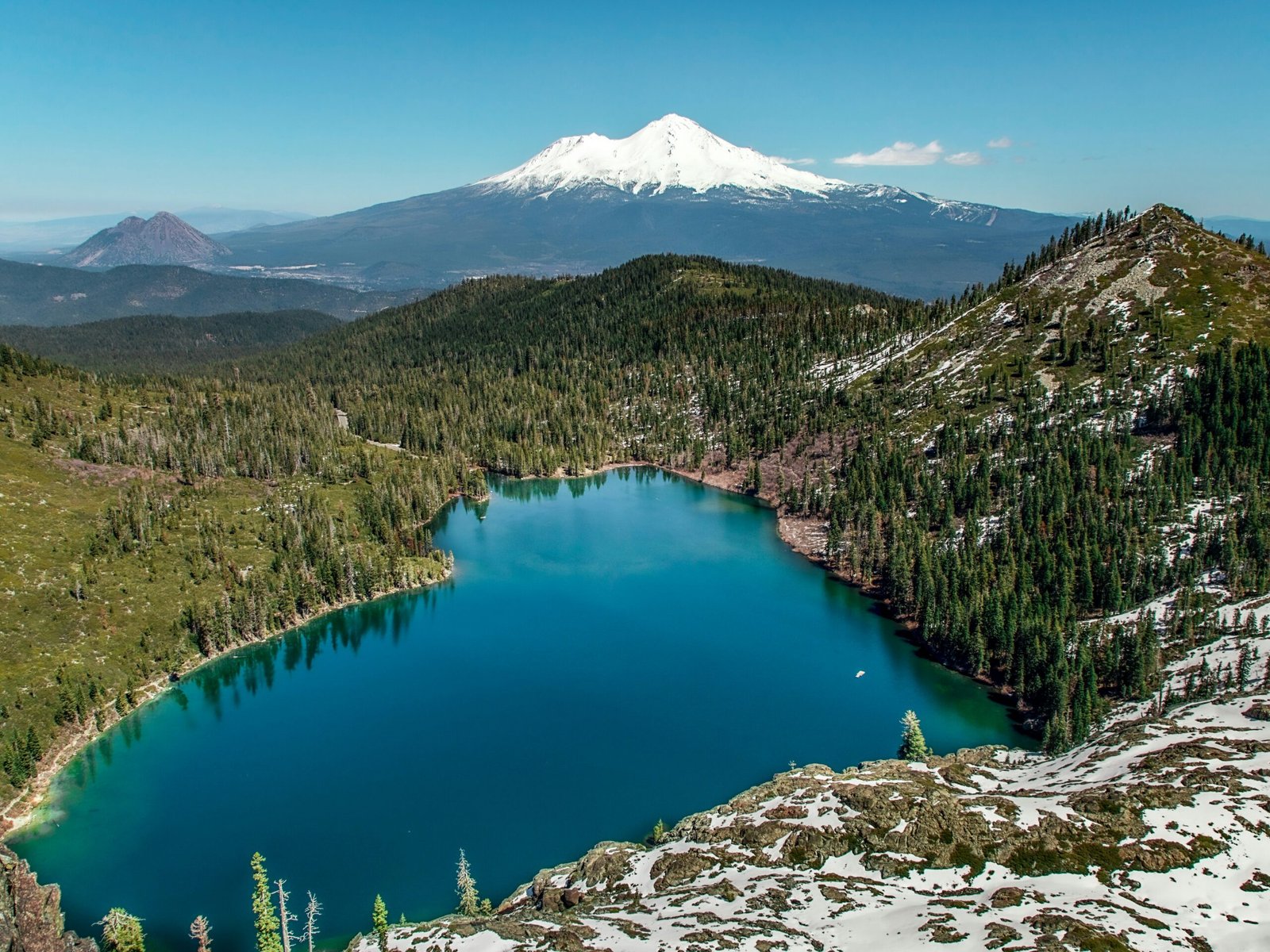
You should know what you’re getting into before you follow in their footsteps, or comedic missteps. Mount Shasta is not merely a pretty backdrop for bad decisions — it is a real mountain with real consequences and a landscape that insists on being taken seriously.
| Fact | Detail |
|---|---|
| Elevation | 14,179 ft (4,322 m) |
| Location | Northern California, Cascade Range |
| Type | Stratovolcano, potentially active |
| Prominent features | Glaciers, volcanic domes, complex glacial terrain |
| Typical climate | Mountain weather: variable, can change quickly |
| Nearest town | Mount Shasta City |
| Popular access points | Bunny Flat, Clear Creek, Lake Siskiyou area |
You will find this table useful when deciding whether to mock Mike and Tony from a safe distance or to join them in their next ill-planned outing.
Why Mount Shasta matters to you
You may go because of the mountain’s impressive summit, the hidden lakes, or the eccentric spiritual culture in town. You will also find that Mount Shasta has geological and cultural histories that deserve some respect, beyond the selfie at the trailhead.
This image is property of images.unsplash.com.
The setting: a mountain that refuses clichés
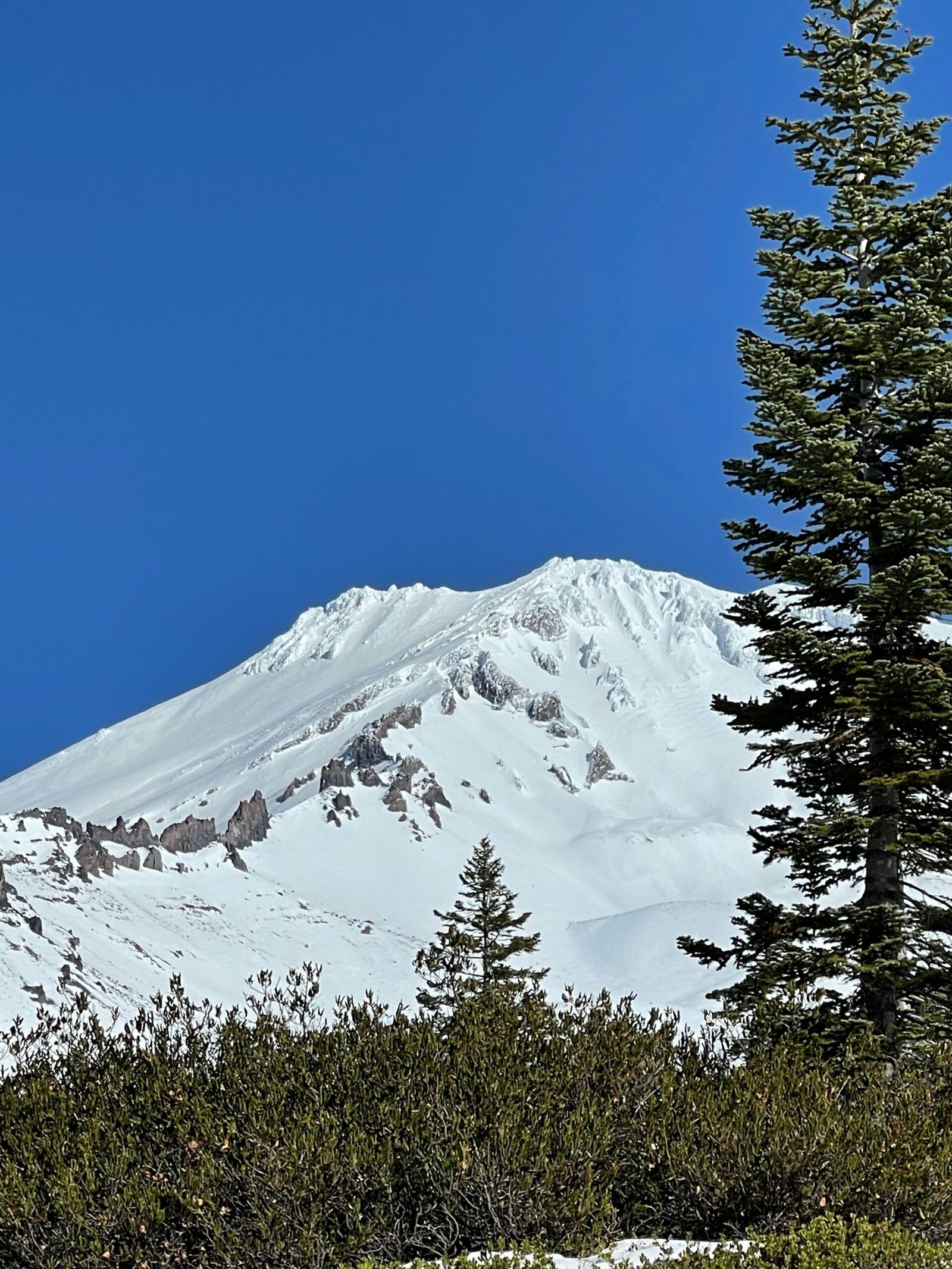
You have seen mountains in postcards and on streaming services, but Mount Shasta is less of a posed photo and more of a character with opinions. It has glaciers despite being in California, a summit that’s both alluring and unexpectedly stern, and a town that alternates between small-town practicality and New Age fervor.
The geology that shapes your plans
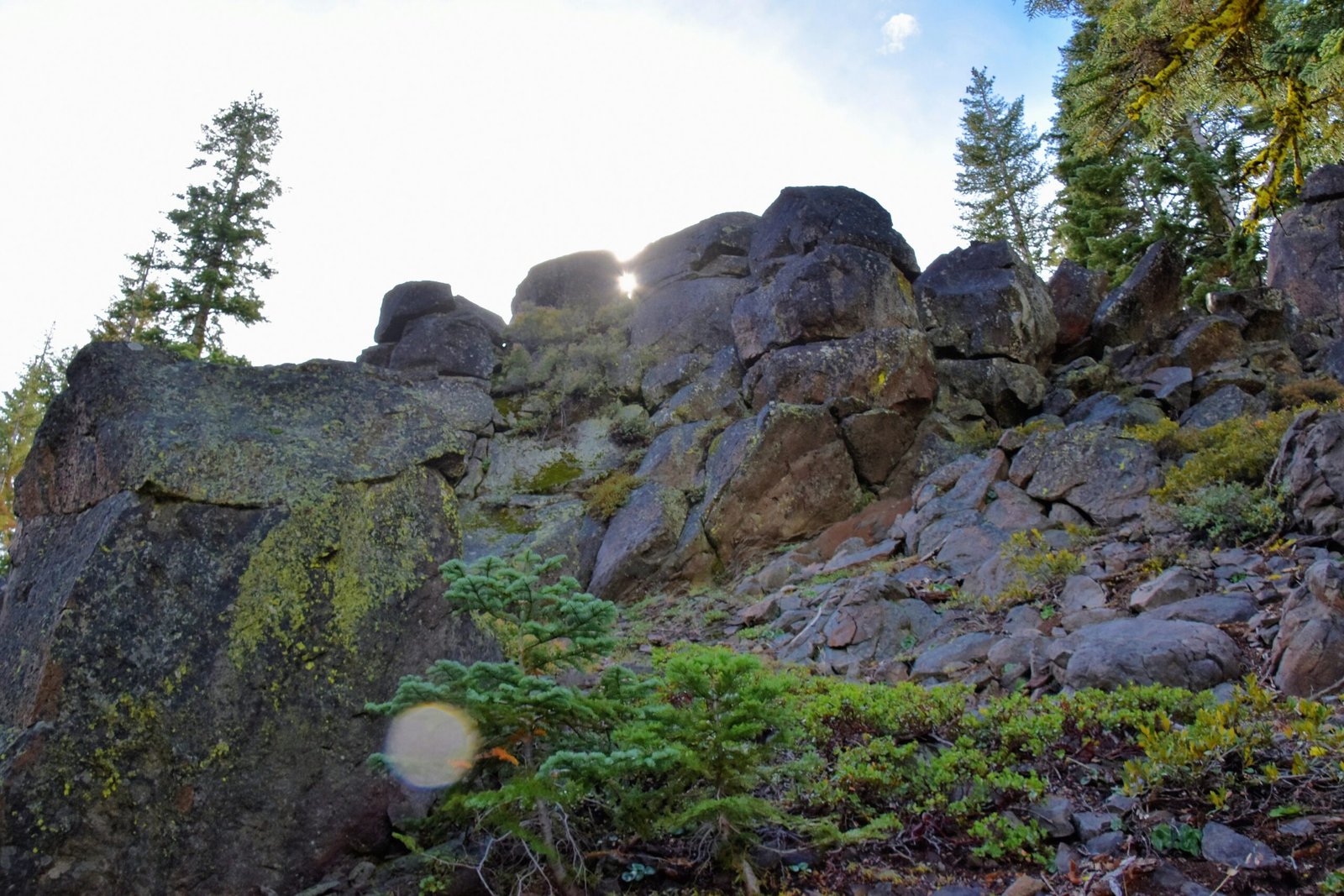
You will find Mount Shasta’s geology fascinating even if you aren’t a geology nerd. It’s a large stratovolcano with a history of eruptions and lava flows; that means steep slopes, loose rock in places, and glaciated sections that require attention to route finding and equipment.
The cultural atmosphere you will encounter
You will meet a peculiar mix of loggers, hikers, long-term locals, and spiritual seekers who treat the mountain as if it were a relative with mood swings. This contrast will make your trip richer and, sometimes, mildly bewildering.
Planning for your trip — what you must consider
You cannot borrow Mike’s optimism or Tony’s single documentary as a plan. Planning is boring but it prevents you from becoming the protagonist of someone else’s cautionary tale.
Permits, regulations, and ranger contact
You will need to check with the U.S. Forest Service for the latest regulations. Day hiking often requires no special permit, but overnight and certain winter activities can trigger need for registration or special notices. The safe route is to call the ranger station and tell them your plan; they usually appreciate a heads-up.
Timing and seasonality
You will discover that season changes everything. Summer offers relatively stable conditions, though afternoons can bring thunderstorms. Late spring and early summer expose you to snow bridges and meltwater; winter is for experienced mountaineers with avalanche training. Choose your season to match your skills and your tolerance for cold.
This image is property of images.unsplash.com.
The routes you might consider (and the ones to avoid if you resemble Mike and Tony)
You will notice that Mount Shasta has several well-traveled routes and many lesser-known lines. If you are new to the mountain, prioritize established trails that are frequently traveled and have clear route markers.
| Route | Typical use | Difficulty | Notes |
|---|---|---|---|
| Avalanche Gulch | Most popular ascent route | Moderate to difficult (glacier travel + steep snow) | Common summit route; steep, can be icy |
| Clear Creek | Alternative ascent | Moderate | More remote; less crowded |
| West Face | Technical | Difficult | Requires route-finding and often more technical skills |
| Bunny Flat area (trailhead) | Access / camping | Easy | Popular trailhead and base area; parking and facilities |
| Lake Siskiyou / McCloud Falls | Day hikes and viewpoints | Easy to moderate | Great for acclimatizing and photos |
You will use this table to pick a route that doesn't require you to invent competence on the fly.
Choosing a route based on your skills
You will be honest about your abilities, right? If you are like Mike, you will be tempted to say yes to everything. Instead, match your chosen route to your conditioning, winter skills, and the type of gear you actually own and know how to use.
Gear, packing, and what Mike and Tony forgot
You will understand by the end of this section whether you care about other people’s mistakes because you can always learn from them. Mike brought sunglasses and enthusiasm. Tony brought a half-empty water bottle and a belief in the medicinal properties of granola bars.
Essential gear checklist
You will check this list twice and then pack accordingly. Missing one item can change a long day into an uncomfortable one.
| Category | Must-have items |
|---|---|
| Clothing | Layered clothing, waterproof jacket, insulating mid-layer, hat, gloves |
| Footwear | Sturdy hiking boots, gaiters if snowy |
| Navigation | Topo map, compass, GPS or phone with offline maps |
| Safety | Helmet (for technical terrain), ice axe, crampons (for snow/ice), headlamp |
| Emergency | First aid kit, whistle, emergency shelter or bivy, fire starter |
| Hydration/Food | 2–3 liters water capacity, water purification method, extra food |
| Communication | PLB or satellite messenger (recommended for remote areas), charged phone |
| Misc | Sunglasses, sunscreen, trekking poles, spare batteries |
You will be grateful for a checklist when the mountain decides to be dramatic.
What they thought was optional
You will hear Mike and Tony argue about items like crampons and a stove as if crampons were purely decorative. You will know better: crampons and an ice axe are not theater props when you are on steep, icy slopes. They are the difference between dramatic rescue stories and finishing the hike with dignity.
The misadventures — a chronological telling you might recognize
You will read this section as if it were a parable: it is both a story and a warning. The chronology accentuates how small errors amplify into memorable calamities.
The planning stage: optimism, minimalism, and bad pizza
You will observe the classic signs: they book the earliest ferry of confidence, they consult attractive-but-unhelpful websites, and they talk about “winging it” as if the mountain is a diner. Mike studies a weather forecast printed three days before. Tony insists “it’ll be fine” at least five times, which you later find is a signal for catastrophe.
You will know that little mistakes compound: one missing tool, wrong socks, a nap at the trailhead — all of these will play their parts.
Arrival, first mistakes, and the map misread
You will picture them at Bunny Flat looking at a map upside-down and arguing about which contour line represents hope. They park in the correct lot but head toward the wrong switchback because the map orientation confuses them and Tony trusts Google Maps that has apparently never been to a mountain. You will stifle laughter and then remember you once made a worse decision while wearing flip-flops.
Snow, cramponless confidence, and the first slip
You will watch as they face a steep patch of residual snow, and Mike produces a pair of hiking poles as if they are a magic wand. They step on an icy shelf. One slide becomes five steps of increasingly panicked flailing. A nearby group, properly equipped, offers help. You will see the difference between preparedness and improvisation.
Shelter improvisation and questionable culinary choices
You will share their campsite, in spirit, as they attempt to create shelter with an emergency blanket and two trekking poles. Their meal is a complicated assembly of dehydrated soup and leftover hamburger bun. You will be tempted to offer them a proper stove, but you also will appreciate their optimism.
Nighttime wildlife cameo
You will be thrilled for a moment when a nocturnal animal snuffles near their tent — until you realize one of the protagonists has left food within arm’s reach. A raccoon or a raccoon-adjacent creature decides their camp is an all-inclusive resort. You will learn from this: do not invite wildlife to dinner.
A summit attempt that is part determination, part stubbornness
You will be rooting for them even as your better judgment screams. They begin a summit push at an ungodly hour with inadequate layering and a mutual refusal to turn back. The mountain presents a weather change and, predictably, a reroute. You will admire that they do attempt to be cautious at the end: group turnaround rules ultimately prevail, even for Mike and Tony.
What you should and shouldn’t do, using their mistakes as a guide
You will leave this section with very specific dos and don’ts. Consider this the part of the story that saves you money, embarrassment, and possibly your life.
Do: be realistic about abilities
You will assess your strengths with brutal honesty. If you are untested in snow, do not lead a group onto glacier-riddled slopes. Take courses, hire a guide, or pick an easier route until you are competent.
Don’t: treat a mountain like a selfie backdrop
You will avoid making the summit the whole point. The mountain isn't a prop; it's the setting of a relationship that requires respect. Do not prioritize photos over safety.
Do: carry redundancy in safety gear
You will bring backups for essential systems: navigation, shelter, and warmth. Batteries die. Phones fall into puddles. Redundancy costs weight but saves grief.
Don’t: rely solely on optimism
You will recognize that optimism is not a plan. It is an attitude that can be useful, but it must be paired with competence.
Weather, hazards, and the things that will surprise you
You will be educated by the mountain’s indifference to your schedule. Weather can shift from summer sun to hypothermic drizzle in an afternoon, and the terrain will not pause for your Instagram story.
Avalanche risk and snow conditions
You will not assume that because it’s late spring there is no risk. Snowpack varies year to year, and late-season sun can make avalanche-prone slabs more treacherous. Check avalanche forecasts and consider taking an avalanche safety course if you plan to travel in winter or spring.
Altitude and your physiology
You will respect altitude. Symptoms of altitude sickness are subtle to begin with: a headache, a poor night’s sleep, and an inexplicable loss of appetite. They are easily dismissed — and sometimes fatal if ignored. Acclimate and watch your teammates.
Navigation challenges
You will practice map and compass skills. Trails may be obscured by snow, and cairns can be unreliable. A GPS with downloaded maps buys calm; knowledge and backup skills buy respect from the mountain.
Wildlife and Leave No Trace practices
You will be the person who secures your food in a bear canister or uses a bear hang. You will not leave food scraps in a tent vestibule or assume raccoons have impeccable manners.
Common wildlife you will see
You will meet marmots, deer, possibly black bears, and the occasional bird of prey. Observing wildlife from a respectful distance is both safer and more rewarding than becoming an accidental meal provider.
Leave No Trace principles
You will pack out everything you pack in. You will use established campsites, avoid camping in fragile meadows, and handle human waste appropriately. It’s not romantic to leave a camp behind like a small landfill.
Local culture, history, and the surprising parts you will appreciate
You will find that Mount Shasta is not merely a geological feature, but a place with layered human stories. From indigenous histories to 19th-century settlers, and then to the modern mix of small-town residents and spiritual communities, the mountain is culturally rich.
Indigenous history you should respect
You will learn that Mount Shasta sits on lands historically important to several Native American tribes. Respect for cultural heritage is essential: do not treat sacred sites as novelty photo spots. If you want to understand deeper histories, ask local rangers or cultural centers.
The town and its unique personality
You will notice odd shops selling crystals beside practical outfitters selling gas canisters. The local food scene is earnest and uncomplicated, and the people who call the mountain home often have stories that are worth hearing — if you listen without interrupting.
Accommodation, logistics, and practicalities
You will need a plan for where to sleep, how to refill water, and how to keep your car from becoming a foot-rest for the town’s stray cats.
Where you might stay
You will choose between campgrounds, small hotels in Mount Shasta City, or private cabins. Lake Siskiyou offers campgrounds with views; Mount Shasta City has small inns and motels that are practical and warm.
Transportation and access
You will arrive by car most commonly. Be prepared for winter road conditions and potentially closed access roads. Cars with adequate clearance and snow chains are useful in off-season conditions.
Photography, journaling, and storytelling (because you will want to tell this story)
You will be tempted to narrate your trip in breathless terms, but the best stories are specific and funny in their humility. Your photos will be better if you take a few slow, well-considered shots rather than a hundred similar images from slightly different angles.
Best vantage points for photos
You will shoot at Lake Siskiyou for mirror-like reflections, at Bunny Flat for classic trailhead scenes, and on ridge lines for dramatic profile shots. Sunrise and sunset offer the best light but also the coldest conditions.
How to keep a travel journal that isn’t boring
You will write down small details: the exact flavor of the coffee you had before climbing, the color of a marmot’s tail, the precise moment Mike decided the weather was “fine.” These specifics make stories vivid.
Emergency planning and what you must make non-negotiable
You will plan for failure modes. Emergencies happen even to people who think they are careful. Having a plan and the right tools is not paranoia; it is prudence.
The must-haves for emergency response
You will carry, at minimum, a first aid kit, a PLB (personal locator beacon) or satellite messenger if you go into remote zones, and a solid knowledge of how to use these devices. You will establish a check-in plan with someone who is not on the mountain.
How to register your trip
You will tell the ranger station or use an online registration service if available. If something goes wrong, this registration can drastically reduce response time.
A practical packing table you will appreciate
You will check this table before you zip your bag. Think of it as the last civilized thing you do before embracing the wilderness.
| Use | Item | Notes |
|---|---|---|
| Navigation | Map & compass | Waterproof map and knowledge to read it |
| Shelter | Lightweight bivy or emergency shelter | For unplanned overnight stays |
| Warmth | Insulating layer(s) | Down or synthetic depending on moisture risk |
| Snow travel | Crampons & ice axe | If snowfields or steep snow are present |
| Water | Filter or purification tablets | Streams are common but not always clean |
| Communication | Satellite messenger / PLB | For remote areas with no cell coverage |
You will use this as insurance against the sorts of oversights that starred in Mike and Tony’s highlight reel.
Lessons learned from Mike and Tony — what you must remember
You will take the following lessons seriously, because they are condensed wisdom earned the hard way.
- You will respect the mountain’s schedule, not the other way around.
- You will train for the conditions you expect to face.
- You will carry redundancy for critical gear.
- You will secure your food and keep your campsite civilized.
- You will prioritize group safety over ego-driven summit attempts.
- You will be willing to turn back and call it a rational decision rather than a failure.
- You will get basic avalanche and winter travel training if conditions require.
- You will leave trip details with someone reliable.
- You will check in with the ranger station when possible.
- You will laugh about the story later, but not at the cost of won safety.
Mistakes vs fixes — a quick reference table you will bookmark
You will find this table useful for immediate decision-making when the adrenaline makes your judgment slightly worse.
| Mistake | Fix |
|---|---|
| Starting too late | Set earlier start time and check weather forecasts the night before |
| Not carrying crampons | Rent or buy crampons; use them on icy slopes |
| Underestimating food/water needs | Overpack calorie-dense foods and water purification method |
| Poor clothing choices | Use layers; keep spare insulating layers dry |
| Ignoring local advice | Talk to rangers and locals for current conditions |
You will print this and maybe tape it to your map, or at least memorize it like the lyrics to a bad song.
After the trip: what you will tell people and how you will change
You will tell the story with humor; every telling will add a little dramatic license. But you will also be quieter about the things that could have ended badly. The change you will consider is practical: better gear, more realistic planning, and a deeper appreciation that mountains are not comedic props.
How to share the story responsibly
You will keep details of rescues or near-misses insulated from humor that could encourage copycats. You will use your tale as cautionary content rather than advertisement for recklessness.
How to become a better mountain person
You will take a course, invest in good gear, and practice with it. You will be kinder to your fellow hikers and more honest with yourself about when the mountain is giving you the courteous but firm suggestion to turn around.
Final thoughts — the mountain, the misadventure, and what you will take home
You will keep the memory of Mike and Tony not as mockery but as proof that humans are both ridiculous and resilient. You will learn practical lessons, and you will also take a clearer view of what you value in an adventure. The mountain will remain unmoved by your plans, but the mountain will reward humility, preparation, and a good pair of socks.
A small, sincere piece of advice
You will pack an extra pair of socks. It seems trivial until it isn’t. Comfortable feet are a surprisingly reliable foundation for good decisions.
You will leave Mount Shasta with stories that sound better than they were, and with an improved understanding that mountains are teachers: they assign tough homework, they correct you gently or sharply, and they give you something honest to be proud of when you return. If you follow better practices than Mike and Tony, your misadventures will be of the mild and amusing variety rather than the headline-making kind. And if you ever meet them again, you might lend them a set of crampons — quietly, and with a smile.