
?Have you ever imagined that a volcanic mountain could hide rooms of blue ice that swallow your voice and rearrange your sense of scale?
This image is property of images.unsplash.com.
The Ice Caves Of Mount Shasta
You’re standing at the edge of something that looks impossibly fragile and stubborn at the same time: ice that survives a mountain that wants to be fire. Mount Shasta’s ice caves are pockets and tunnels carved into perennial snow and glacier ice, and they offer a combination of beauty, danger, and stories that make you question which part of nature is in charge.
Why these caves feel unreal
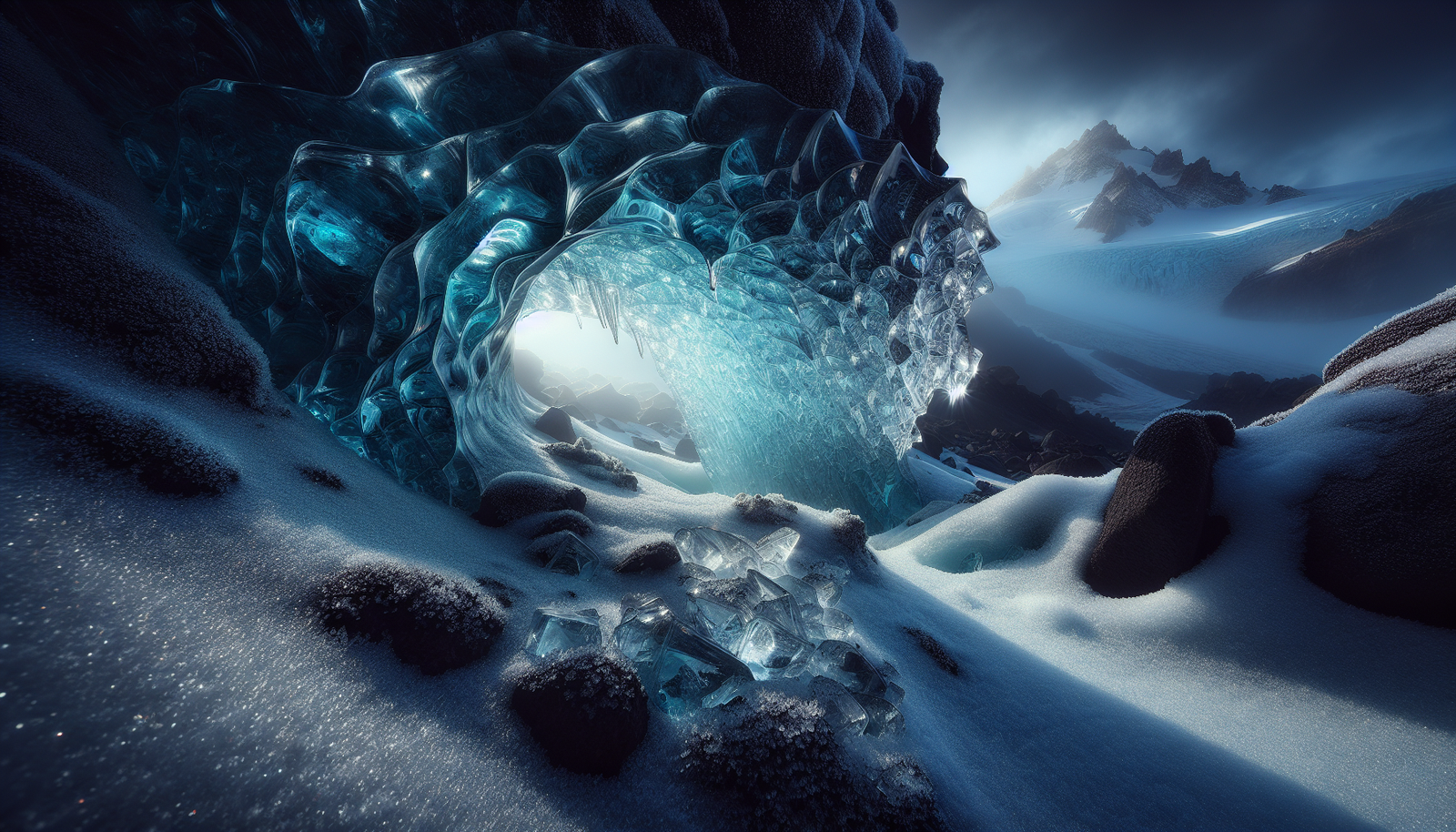
You’ll notice it right away — the walls glow with a light that refuses easy description. That’s partly physics (light scattering through ice), partly atmosphere (you are now in a long, narrow, echoey corridor), and partly your own absurd sense of having stumbled into someone else’s private theater. You may laugh nervously. That’s normal.
Where the ice caves form
The ice caves on Mount Shasta are not a single cave system like you might find in limestone karst. Instead, they form in multiple zones: near glacier margins, within persistent snowbanks, and below rock overhangs where meltwater and air create cavities. Because of changing weather and seasonal thawing, new openings appear and old ones collapse — so what exists one year might be gone the next.
Typical locations and accessibility
Most ice caves appear between roughly 7,000 and 10,000 feet in elevation, often in protected north-facing bowls and beneath steep ridgelines. Accessibility depends on snowpack and recent melt; in heavy-snow winters the approaches can be longer and more hazardous. You should expect to approach on snow or ice for much of the season.
How these caves are made
Ice caves form through a combination of melting, freezing, wind, and rock orientation. Warm sunlight and geothermal heat can create meltwater channels that carve tunnels in the snow and ice. Wind and temperature swings enlarge cavities. Where rock sits above ice, the rock can channel meltwater and cause cavities to form under cliffs.
The role of temperature and melt cycles
If you’re thinking in seasonal cycles, keep this in mind: daytime warmth and nighttime freezing create stress and movement in the ice. Meltwater flows during warm periods enlarge voids, and when flow reduces, hollow spaces can persist. That’s why you’ll find some caves most stable in late spring to early summer — before the full summer melt compromises support, and after winter snow has consolidated enough to form tunnels.
A short geological primer
Mount Shasta is a stratovolcano composed of various lava flows, tephra layers, and intrusive bodies. Over time, glaciers and persistent snowfields formed in sheltered areas. These ice masses are less like alpine glaciers and more like long-lived talus of ice and snow that shift seasonally. When you put those cold masses against warm rock and moving water, caves are made.
How the mountain’s geology influences cave stability
You’ll find that caves beneath talus and volcanic scree can be surprisingly fragile because the rocks themselves shift. Where the bedrock is more stable, caves might last longer. If you’re sizing up a cavity, look for signs of recent collapse — fresh rockfall, vertical cracks, and wetness where melting has undermined support.
This image is property of images.unsplash.com.
Safety first: why respect matters here
This is the part where your inner wise person will clap excitedly while your adventurous streak rolls his eyes and says, “Just one peek.” The ice caves can collapse without warning. You must respect the risk of falling ice, sudden crevasses, and rapidly changing weather. Treat each cave like an unpredictable animal: beautiful, but liable to bite.
Allowances for objective hazards
Avalanche risk, hidden sinkholes, and unstable roof sections are common. If the daytime temperatures are high, or if it’s raining, caves are more likely to collapse because melting undermines their structure. If you’re uncertain, it’s better to photograph from the entrance than to go inside.
Equipment checklist — what you should take
You’ll want high-quality, reliable gear. That means boots, crampons, helmet, ice axe, and layers. In the table below, you’ll find items grouped by priority so you can pack efficiently.
| Priority | Item | Why you need it |
|---|---|---|
| Essential | Mountaineering boots | Support and insulation on snow and ice |
| Essential | Crampons | Traction on steep ice and frozen snow |
| Essential | Helmet | Protection from falling ice or rock |
| Essential | Ice axe | Self-arrest, stability, and climbing aid |
| Essential | Harness & rope (optional for groups) | Safety for technical sections and rescue |
| High | Warm layers + waterproof shell | Temperature control, moisture protection |
| High | Gloves + liner gloves | Warmth and dexterity |
| High | Headlamp with extra batteries | You’ll be inside dark cavities |
| Useful | GPS + map + compass | Navigation in whiteout or featureless snow |
| Useful | Avalanche transceiver, probe, shovel | If there’s avalanche risk in your approach |
| Nice-to-have | Small tripod | For low-light photography inside caves |
| Nice-to-have | Protective sleeves for cramponpoints | Prevent scratching and reduce noise on rocks |
Notes on technical rescue gear
If you plan to move into remote cave interiors, a rope and basic crevasse-rescue kit are prudent. You should only use rope techniques if you are trained. There is a prideful tendency to overestimate your ability; don’t be that person who learns knotwork mid-collapse.
This image is property of images.unsplash.com.
When to visit: seasonal considerations
You’ll find the best combination of cave stability and accessibility in late spring to early summer in many years, but variations are the norm. Early winter will have more consolidated snow but deeper approaches; late summer can mean more collapses due to melt. Always check recent trip reports and local access notes.
Seasonal risk table
| Season | Access | Cave stability | Key hazards |
|---|---|---|---|
| Late Winter (Dec–Feb) | Hard-packed snow, require skis/snowshoes | Generally more stable but entry is icy | Very cold temps, longer approaches |
| Spring (Mar–May) | Ski or snowshoe approaches; lower elevations open | Often stable as snow consolidates; new melt channels appear | Variable weather, hidden weak spots |
| Early Summer (Jun) | Easier approaches at lower elevations | Good photographs; some caves still intact | Increased melt undermining roofs |
| Late Summer (Jul–Sep) | Shortest approaches | Most cave collapse; fewer intact caves | Rockfall, unstable overhangs |
Finding the caves: trailheads and approaches
Mount Shasta has multiple trailheads serving different flanks. Your exact route will depend on which side you approach and what conditions are present. Pay attention to road closures; high-clearance vehicles are often recommended.
| Trailhead | Typical use | Notes |
|---|---|---|
| Bunny Flat | Popular for standard climbs; access to lower glaciers | Long, steady approach; permits required for certain activities |
| McCloud River Road / Hidden Valley | Access to north/northeast approaches | Less crowded, more routefinding |
| Panther Meadow | Lower elevation trails and seasonal meadows | Useful as a low-elevation camp spot |
| Mount Shasta Ski Park area | Skiing approaches in winter | Access varies with road grooming |
Permits and regulations
You’ll likely need a wilderness permit or climbing permit for certain activities, especially if you stay overnight or attempt to summit. Day trips may have trailhead registration requirements. Check the Mount Shasta Wilderness regulations and local land management agencies before you go.
Navigation and routefinding tips
You’ll face featureless expanses of snow at times; GPS and map skills are useful. Look for the mountain’s prominent features (ridges, rock towers) to orient yourself, and make use of cairns or other route markers where available. Always carry a compass as electronics can fail.
How to approach a cave entrance
When you spot an entrance, don’t rush. Check the roof line for cracks or recent fall debris. Approach from above when possible to assess hazards, not from below. If the entrance is narrow and extends into darkness, that’s a cue that it may be deep and prone to collapse further inside.
Photography and lighting inside caves
You’ll want to capture that blue hour—except it’s not an hour, it’s a place that could exist for minutes. Bring a tripod and wide-angle lens. LED headlamps create interesting side-lighting; a balanced flash will preserve some of the ambient blue. Inside, low color temperatures and reflective ice can fool meters, so use manual exposure.
Camera settings and tips
Keep ISO moderate to avoid noise from reflective ice. Use long exposures on a tripod for the richest tones, and bracket exposures because of high contrast between inside shadows and opening highlights. Consider a polarizer to control reflections, but be aware that polarizers reduce incoming light significantly.
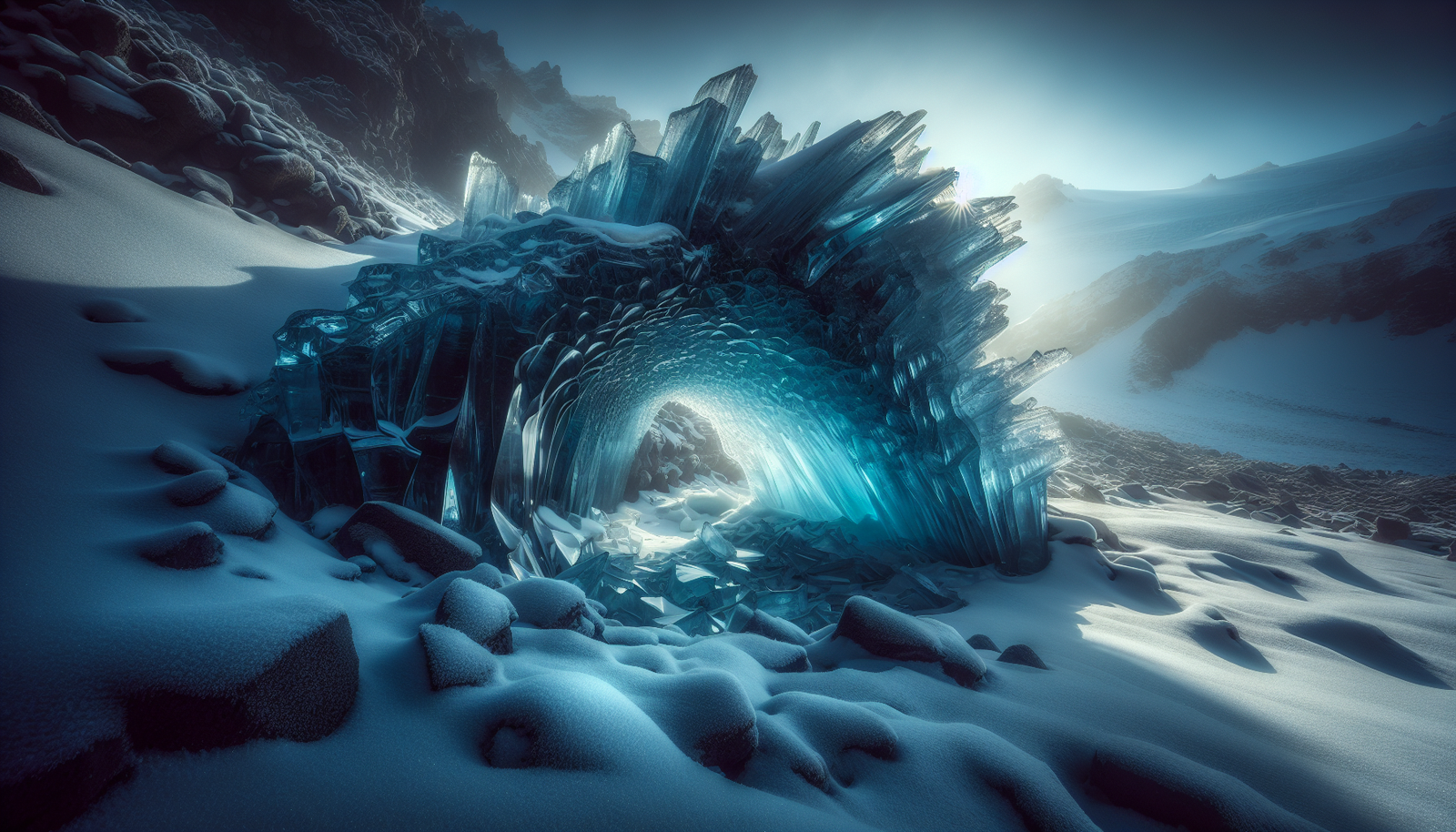
Etiquette and Leave No Trace
You are visiting a fragile environment. Pack out what you pack in; avoid carving initials into ice or hanging equipment from delicate formations. If you find other people already in a cave, give them space and avoid crowding the entrances — congestion can add to risk.
Conservation points you should follow
- Do not break ice formations for souvenirs.
- Avoid using open flames in or near caves.
- Keep noise to a minimum; caves amplify and disturb wildlife and other visitors.
- Report significant collapses or hazards to local land managers.
Cultural and spiritual significance
Mount Shasta has deep meaning for many Native American tribes and modern spiritual communities. The mountain is a heartland of stories, ceremonial sites, and long-held beliefs. If you encounter offerings or ceremonial sites, treat them with respect and maintain distance.
Historical notes and modern myths
You’ll hear stories about underground cities and mystical energies; most are modern folklore layered over indigenous stories and 20th-century spiritual movements. Whether or not you take them seriously, you'll notice how these narratives shape visitor expectations and behavior.
Scientific interest: what researchers study
Scientists are interested in these ice caves for climatology, hydrology, and geomorphology. Ice cores and meltwater studies can reveal local temperature trends and the behavior of perennial snowfields. If you meet researchers, they’ll probably have tools and notebooks and an ability to sound intense while admitting uncertainty.
What you can learn from a single visit
You’ll see firsthand how melt patterns evolve, how light interacts with ice, and how seasonal shifts rewrite the landscape. If you record photos with timestamps and locations, your images can be valuable to researchers tracking change.
Common hazards and how to manage them
The hazards are many: collapse, falling ice, hidden crevasses, hypothermia, and sudden weather changes. Your best strategies are planning, conservative decision-making, and proper gear. If you feel unsafe at any point, don’t be stubborn — retreat early.
Emergency procedures you should know
- If someone is hit by falling rock/ice, don’t move them unless there’s immediate danger. Stabilize, call for help.
- In a collapse, call emergency services and give precise GPS coordinates if possible.
- If someone falls into a crevasse or deep cavity, apply rope rescue skills and perform self-rescue only if trained.
- Carry a satellite communicator or PLB for places without cell reception.
Group dynamics and leadership
When you travel in a group, set clear expectations before you go. Decide who carries navigation, who monitors pace and weather, and who will make the difficult call to turn back. You should pick a leader with experience and humility — someone who listens to others’ concerns.
Decision-making matrix for group turns-backs
- Heavy roof cracking observed: Turn back immediately.
- New rain in forecast: Turn back early.
- A key team member injured: Turn back or call rescue depending on severity.
- Significant navigation uncertainty: Stop, reassess, use GPS and map.
Itinerary suggestions for different trip styles
You’ll have options depending on your fitness and experience: day trips, overnight basecamps, or multi-day climbs that include cave visits.
Sample day trip (non-technical)
- 06:00 — Start from trailhead
- 09:30 — Reach glacier margin and identify cave entrances
- 11:00 — Cave photography and short reconnaissance (do not enter unstable interiors)
- 13:00 — Lunch and leisurely return
- 16:00 — Back to trailhead
Sample overnight (light alpine)
- Day 1: Approach and establish camp at a safe meadow; short reconnaissance in late afternoon.
- Day 2: Early morning cave visit for lower temperatures and better stability; break camp and return.
Local guiding services and when to hire one
If you’re unsure, hire a local guide. Guides know current conditions, have rescue skills, and can help you read subtle signs of instability. Use reputable services with certified guides and solid safety records.
Questions to ask a guide service
- What is your experience with Mount Shasta ice features?
- What is your group size and guide-to-client ratio?
- What is your emergency response plan and communication plan?
- Are you insured and certified in mountain rescue?
Stories and anecdotes (Sedaris-flavored)
You’ll laugh at yourself later for the things you did in the name of curiosity. I remember a friend who insisted on forcing a small camera into a narrow blue slit, only to find that the slit grew louder as the camera came out — as if the mountain had a delayed, amused cough. You’ll have moments that feel cinematic and others that feel like an overcooked rehearsal. Both matter.
How to keep perspective
You’ll want the perfect photo and the perfect story. Hold both lightly. Often the best moments are quiet: the echo of a small pebble skittering off a distant wall, the way your breath fogs in front of your face. Those details will outlast your Instagram caption.
Frequently asked questions
You’ll probably want quick answers to common questions. Below are short, practical responses.
- Do you need a permit? Check local regulations; often yes for overnight or summit attempts.
- Are caves stable year-round? No — they change seasonally and can collapse.
- Can I bring my dog? Generally not advisable because of cold and unstable terrain.
- Is it possible to get lost? Yes — bring navigation tools and tell someone your plan.
- Are these caves safe for kids? Only with experienced supervision and in low-risk situations.
Conservation and future outlook
Climate trends affect Mount Shasta’s perennial ice. You’ll notice change over years: fewer stable formations, earlier melt, and altered meltwater timing. Your visitation choices matter. Responsible behavior helps preserve what remains for scientific study and future visitors.
How you can contribute positively
- Share accurate trip reports with local agencies.
- Participate in citizen science projects when possible.
- Support conservation organizations that protect mountain watersheds and wilderness.
Final thoughts
You’ll go to Mount Shasta’s ice caves for reasons you may not fully name: curiosity, a craving for weird beauty, or a wish to stand inside something that feels older than your to-do list. Keep your feet planted, your helmet on, and your instincts tuned. The mountain is generous in moments and merciless when you ignore signs. Treat it courteously, photograph it thoughtfully, and carry out your trash with the same reverence you bring when you whisper apologies to a glass you dropped in an old shop.
A closing practical checklist
- Check permits and trailhead access.
- Tell someone your route and ETA.
- Pack essentials (boots, crampons, helmet, ice axe, layers).
- Bring communication device (satellite communicator or PLB).
- Plan to turn back if conditions worsen.
You’ll come away with photographs, a cold in your bones that feels deserved, and stories that will probably get a little taller each time you tell them. That’s all part of the trip.