
Have you ever stood on a riverbank, pretending you knew what you were doing while a trout looked at you as if you’d just rearranged the furniture in its living room?
This image is property of images.unsplash.com.
Learn Fly Fishing On The Upper Sacramento River
You’re about to get friendly, practical, and a little bit embarrassed as you learn how to fly fish on the Upper Sacramento River. This guide gives you what you need to know — from where to cast to what flies to use to how not to fall on your face while wading — with enough personality that you’ll enjoy the trip even if the fish don’t.
Why the Upper Sacramento River?
You should think of the Upper Sacramento as an achievement unlocked for anglers who like cold, clear water and honest trout. It’s a river fed by snowmelt and mountain springs, which keeps temperatures cool and trout willing to eat pretty much everything you offer if you don’t panic.
You’ll find access points, beautiful canyon scenery, and a variety of water types: riffles, pocket water, long runs, and tailwater-style sections below dams. That variety lets you practice different techniques in a single day.
Who is this guide for?
If you’re new to fly fishing, it’s written for you. If you’ve fished previously with bait and suddenly decided that sitting at a pond feels like a crime, it’s written for you. If you’re a bit more seasoned and want local intel with a softer edge of humor, that’s you too.
You’ll get practical tips, species notes, seasonal charts, gear lists, and a few strategies for when you want to upgrade from flailing cast to something that might be called respectable.
Getting Started: Licenses and Regulations
Before you tie a fly on or even touch the water, you must have a valid California fishing license and familiarized yourself with local regulations. The Upper Sacramento has sections with special rules and seasonal closures.
Carry the license, read the posted signs, and check the California Department of Fish and Wildlife (CDFW) website before you go. If rules change while you’re trying to remember whether you tied a surgeon’s knot or something from your grandmother’s sewing kit, the CDFW will save you from expensive mistakes.
Special Regulations to Watch
There are catch-and-release sections, bait restrictions, and gear limits on some parts of the river. You’ll also find length and bag limits for trout and salmon in season.
You should check for temporary restrictions after unusual events like major storms, fire, or sudden water releases. Regulations protect the fish and your future fishing privileges, and they make you look like someone who reads directions.
When to Fish: Seasonality and Hatches
Timing matters more than you hope it does. The Upper Sacramento has a hatch and temperature calendar that will decide whether you experience miraculous dry-fly success or a lesson in humility.
Below is a simple seasonal summary so you can plan your best days on the water.
Seasonal Expectations
- Spring (March–May): Snowmelt raises flows but spring hatches (mayflies, caddis) make for great dry-fly action in calmer pockets and tailwater zones.
- Early Summer (June–July): Flows moderate; water warms slightly but still supports strong insect activity; mornings and evenings shine.
- Late Summer (August–September): Low water can concentrate fish; heat can push fish to deeper runs and pools; morning sessions are best.
- Fall (October–November): Cooling water and strong hatches bring aggressive trout; streamers and dries both work.
- Winter (December–February): Cold and quieter. You’ll have fewer anglers to intimidate you; fish can be slow but still catchable on nymphs.
Hatches and Insects Table
You’ll do better if you recognize insects and match your flies. This table gives you a simplified breakdown.
| Insect Type | Typical Months | Best Fly Types | Where You’ll See Them |
|---|---|---|---|
| Mayflies (various) | Spring, Fall | Dry patterns (Adams, Hendrickson), emergers, nymphs | Calm runs, tailouts, banks |
| Caddis | Spring to Early Fall | Small caddis dry flies, soft-hackles, pupae nymphs | Over riffles, near woody debris |
| Stoneflies | Spring to Early Summer | Large nymphs and droppers | Fast riffles, pocket water |
| Midges | Year-round (esp. cold months) | Tiny emergers, midge patterns | Slow water, nymphing under indicator |
| Terrestrials (ants, beetles) | Summer | Hopper patterns, beetle patterns | Banks, overhanging vegetation |
What Fish You’ll Catch
Knowing your quarry helps your strategy. The Upper Sacramento is mostly trout country, with rainbows and browns as the main actors. You may also encounter cutthroat in certain tributaries and, seasonally, migrating salmon or steelhead in lower reaches.
You’ll usually see trout ranging from feisty hungry 10–16 inch fish to trophy fish that make you feel unhelpful and underdressed.
Fish Species Snapshot
- Rainbow Trout: Aggressive, eager to rise, and often found in faster water as well as runs.
- Brown Trout: Wary and clever; they like structure and will punish sloppy presentation.
- Cutthroat Trout: Less common; often near tributary confluences.
- Salmon/Steelhead (seasonal): Check local timing and regulations before targeting.
This image is property of images.unsplash.com.
Essential Gear: What You Need (and What You Don’t)
You’ll be tempted to buy every piece of shiny tackle in the shop. Don’t. Start with what’s essential and functional, then acquire fancier items as you learn which things you’ll actually use.
Below is your condensed gear checklist in table form so you don’t forget to pack anything critical.
Basic Gear Checklist
| Item | Why You Need It | Notes |
|---|---|---|
| Fishing license | Legal requirement | Always carry it |
| Rod (4-6 wt) | Versatile for trout | 9-foot 5-weight is classic |
| Reel with spool of backing | Line storage and drag | Simple is fine |
| Floating fly line + leader | For dry-fly and nymph presentations | Tapered leader 9–12 ft |
| Flies (dry, nymphs, streamers) | Match hatches and tactics | See fly selection table |
| Waders & wading boots | Stay warm and mobile | Felt or rubber studs where legal |
| Vest or pack | Carry gear and tools | Keep flies, tippet, tools handy |
| Forceps, nippers, floatant, indicator | Small tools for big problems | Don’t improvise with spoons |
| Polarized sunglasses | Spot fish and protect eyes | Copper/amber lenses for contrast |
| Hat & sunscreen | Sun protection | You’ll regret the lobster look |
| Net | Landing fish safely | Rubber nets are fish-friendly |
| First aid & phone | Safety | Cell coverage is spotty; bring a charger |
Rod and Line Choices
You should pick a rod matched to the water: a 4- to 6-weight rod is typical. You’ll find a 5-weight 9-foot rod is the well-balanced choice for most of the Upper Sacramento — light enough for delicate presentations, strong enough for larger trout.
You’ll use a floating line most of the time. For nymphing, you’ll add indicators or go Euro nymphing with a longer leader and no indicator if you’re feeling sophisticated and smug.
Fly Selection: What to Tie On
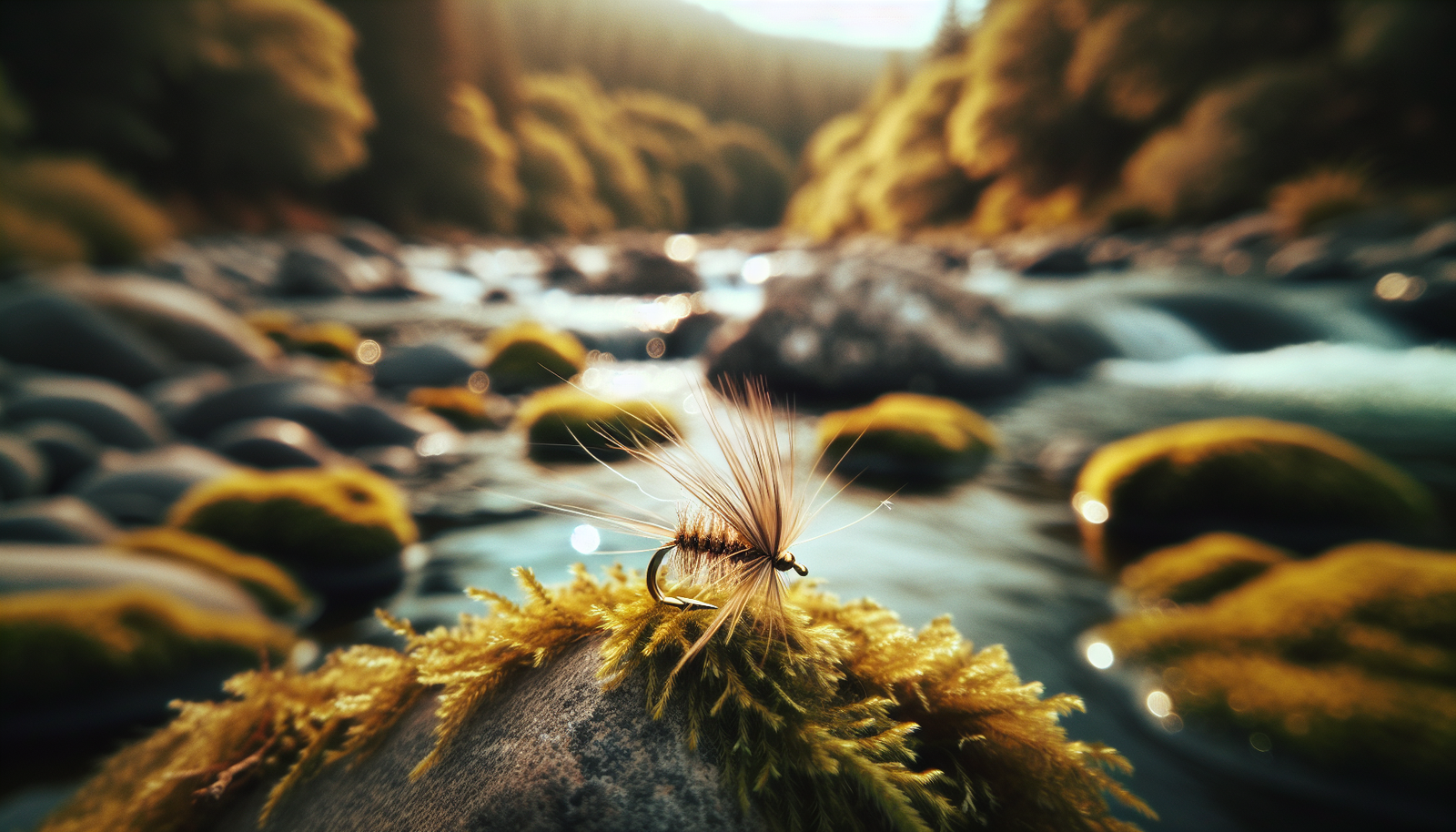
Fly selection is part science and part fashion choice you’ll defend with the dignity of someone wearing socks with sandals. Focus on patterns that imitate local hatches: mayflies, caddis, stoneflies, midges, plus terrestrials for summer.
Common Flies to Carry
- Dry Flies: Adams, Parachute Adams, Elk Hair Caddis, Pale Morning Dun imitations, Griffith’s Gnat.
- Nymphs: Pheasant Tail, Hare’s Ear, Prince Nymph, Soft-hackle caddis, Copper John.
- Streamers: Woolly Bugger (black, olive), Sculpzilla, small zonkers.
- Terrestrials: Foam hoppers, beetle patterns, parachute ants.
Fly Selection by Situation Table
| Situation | Recommended Flies |
|---|---|
| Rising trout on flat water | Light dun dry (Adams, PMD), small emergers |
| Fast pocket water | Small dry-dropper rigs with beadhead nymph |
| Low water, selective fish | Soft-hackle wets, micro nymphs |
| Early morning midge activity | Tiny midge emerger, Griffith’s Gnat |
| Bank-hugging brown trout | Streamers fished aggressively |
This image is property of images.unsplash.com.
Basic Techniques: Casting, Drift, and Presentation
You can have the best gear in the world and still look like a mistaken member of a marching band if you haven’t practiced casting. The Upper Sacramento will punish heavy-handed casting and reward subtle presentation.
Casting Basics
You’ll need to make smooth, efficient false casts to load the rod and then a gentle delivery. Practice your roll cast for tight banks and backcast-free presentations. If your fly slaps the water like an invitation to a duel, you’ll scare trout.
You should focus on line control; mending the line after the cast is as important as where you aim. A good mend equals long, natural drift.
Nymphing and Indicators
Nymphing is where you’ll catch the bulk of your fish. Use an indicator and a two-fly rig if you like complexity, or try a single nymph for simplicity. The indicator should be sensitive but not twitchy; watch for subtle dips.
You’ll want to vary depth until you find where the fish are feeding. If your fly is trailing on the surface like a confused balloon, that’s your cue to adjust.
Dry-Fly Presentation
When fish appear to be rising, a dry fly makes the most beautiful photography of your ego. Cast upstream and let the fly drift naturally. Avoid drag at all costs — trout hate that more than a loud hat.
You’ll need patience and practice. If a trout looks at your fly and then swims away with brows knitted, you’ve probably improved your sense of humility.
Streamer Tactics
For big, lazy trout hiding in structure, streamers imitate baitfish and can produce vicious strikes. Strip with varying speeds and pauses. Expect more explosive takes and fewer gently inspected refusals.
Streamers are satisfying because you can be honest and aggressive without feeling like you’re trying too hard.
Reading Water: Where to Cast
You’ll learn the river’s secret language. Water speed, depth, and structure tell a story about where trout lie. Riffles oxygenate, seams funnel, and tails offer easy ambush points.
Water Types and Tactics
- Riffles: Fish oxygen-rich areas with nymphs or dries; trout often pick off drifting food.
- Runs/Seams: Target seams between faster and slower water for suspended trout.
- Pockets: Pocket water hides trout in small, powerful breaks; use small nymphs.
- Pools and Tailouts: Large, slower water where trout conserve energy; use streamers or large nymphs.
You’ll want to present your fly so it crosses the right seam at the right speed — which you’ll only accomplish through repeated trial and error and a large dose of stubborn optimism.
Wading and Safety
You should treat wading like a dignified attempt at river ballet. Wading boots with good traction, a wading staff, and cautious steps will keep you upright and alive.
Some parts of the Upper Sacramento are technical, with slick rocks and strong currents. Don’t overestimate your coordination.
Wading Safety Tips
- Never wade alone in unfamiliar, technical water.
- Use a wading staff for balance on tricky rocks.
- Wear a properly fitted wading belt — it’s basic safety, not fashion.
- Keep your phone in a waterproof case but know you may not have reception.
- Check flows before you go; sudden releases downstream can create hazards.
Hiring a Guide or Taking a Lesson
You’ll learn faster with a guide, and choosing to hire one is not an admission of weakness — it’s a strategic move. Guides know hatches, pattern changes, and where the river keeps its secrets.
A good guide will teach you casting, reading water, and rig setup, and they’ll put you directly where the fish respond. Expect to pay for experience, and accept that price as a shortcut to actually catching fish instead of practicing knots to feel useful.
How to Choose a Guide
- Look for local shop recommendations and reviews.
- Ask about client-to-guide ratio and what the lesson includes.
- Confirm whether gear is provided or if you should bring your own.
- Make sure they’ll show you techniques you can replicate solo afterward.
Local Resources: Shops, Clubs, and Online Forums
You should get cozy with the local fly shop. They’re information hubs, patch holders of secret patterns, and they sell coffee. Buy a few flies there and listen — your credibility will evaporate if you show up with zero interest in local knowledge.
Join a local fly-fishing club or online group to trade tips and possibly someone else’s stories of catching a 22-inch trout so you can live vicariously.
Useful Contacts (Examples)
- Local fly shop in Dunsmuir or Mount Shasta: For maps, hatch reports, and gear.
- CDFW website: For licenses and regulations.
- Local guides: For instruction and private access.
(You’ll want to search online for up-to-date shop names and guide services; the internet keeps changing like a trout’s mood.)
Catch-and-Release Ethics and Fish Handling
You’ll likely practice catch-and-release, and how you handle fish matters. Use barbless hooks, wet your hands before touching fish, and minimize air exposure to keep them healthy.
If you want fish to thrive for your future grandchildren’s grandchildren, handle them gently and release them quickly. Your conscience will thank you and you’ll sleep better than you might expect.
Quick Fish Handling Rules
- Use rubber nets to reduce injury.
- Keep fish in the water while unhooking when possible.
- Support larger fish horizontally; don’t squeeze.
- Revive fish by holding them facing upstream until they’re ready to swim away.
Common Mistakes and How to Fix Them
You’ll make mistakes; accept this, and treat each error as an opportunity to acquire a better story. Below are frequent missteps and simple remedies.
Mistake/Remedy Table
| Mistake | Why It Happens | How to Fix |
|---|---|---|
| Draggy drift | Long cast, no mend, fast water | Mend line immediately after cast; shorten cast if necessary |
| Too-heavy flies | Trying to match size rather than profile | Use lighter flies or smaller nymphs; be subtle |
| Skittish presentation | Loud wading or clumsy casting | Move slowly; practice roll casts and low-profile approaches |
| Wrong tippet strength | You fear break-offs | Use lighter tippet for spooky fish; stronger tippet for big-structure fish |
| Poor strike detection | Nervous or distracted | Focus on indicator movement; lighten your grip on the rod |
A Sample Day on the River (Itinerary)
You should imagine a typical day that balances learning with actual fishing. This example gives you a structure to follow and modify as you grow bolder.
Morning
- Arrive early for low-angle light and calm water.
- Warm up with 30 minutes of casting practice on the grass.
- Target riffles and runs with a nymph rig as the sun rises.
- Take a break for coffee; pretend caffeine is a legal performance enhancer.
Midday
- Move to deeper runs and try dries if there’s hatch activity.
- Lunch on the bank; observe insect life and ask yourself what the trout see.
- Switch to streamers in slower pools if fish go deep.
Afternoon
- Focus on structure and seams.
- Try a new streamer pattern or a different nymph rig.
- If results are slow, change location or seek advice from a local angler or shop.
Evening
- Return to morning water for evening rises.
- Fish dries until the light fades.
- Pack up with a sense of accomplishment even if you only caught one fish that looked embarrassed but proud.
Advanced Tips and Techniques
When you feel competent, you’ll want to progress. Learn Euro nymphing, controlled streamer stripping, and precision mending. Advanced techniques will make you less of a tourist and more of a threat to trout ego.
You’ll need patience and practice, but mastering them will change your catch rate and your confidence.
Advanced Techniques to Learn
- Euro nymphing: Direct contact, long leaders, light tippets.
- Indicator-less nymphing: Detect strikes by feel and line twitch.
- Presentation mends: Figure-eight and tuck mends for long drifts.
- Sight casting: Learn to read subtle rises and place the fly precisely.
Conservation and Leave No Trace
You’ll love the river more if you treat it like a fragile guesthouse. Pack out what you pack in, avoid trampling banks, and don’t move rocks or logs for photo angles unless you want future anglers to hate you.
Support habitat restoration efforts when possible, and be a polite human. The river wants you to be thoughtful, and frankly, so do the other people who fish there.
Leave No Trace Reminders
- Pack out all trash and used leaders.
- Use biodegradable soap at campsites away from water.
- Stick to designated trails and access points.
- Respect private property and posted closures.
Troubleshooting: If You’re Not Catching Fish
If the fish are not cooperating, you’ll blame the sky, the flies, and possibly government scientists. Before you spiral into conspiracy, try these fixes.
- Change fly size or color; sometimes smaller is better.
- Alter depth: trout move vertically more than you assume.
- Move to different water types: if riffles are dead, try tailouts.
- Fish early or late when trout are most active and less pressured.
You’ll find that the right adjustment often comes after trying something that initially felt wrong but ended up working. Embrace your inner stubborn scientist.
Final Thoughts: Making the River Your Classroom
You’re going to make mistakes on the Upper Sacramento River. You’ll cast into trees, lose flies to rocks, and probably become intimate with a few tangled leaders. All of that is part of learning.
Respect the river, learn from locals, and practice regularly. Each trip will teach you something — about fish, about technique, and, if you’re honest, about how much you enjoy being outside even when you feel slightly ridiculous.
You should leave each outing feeling a little better than you arrived: smarter, wetter, and with at least one story that will sound more impressive with each retelling. If you keep at it, the river will repay you with rises, takes, and the kind of quiet pleasure that makes the whole messy endeavor worthwhile.