
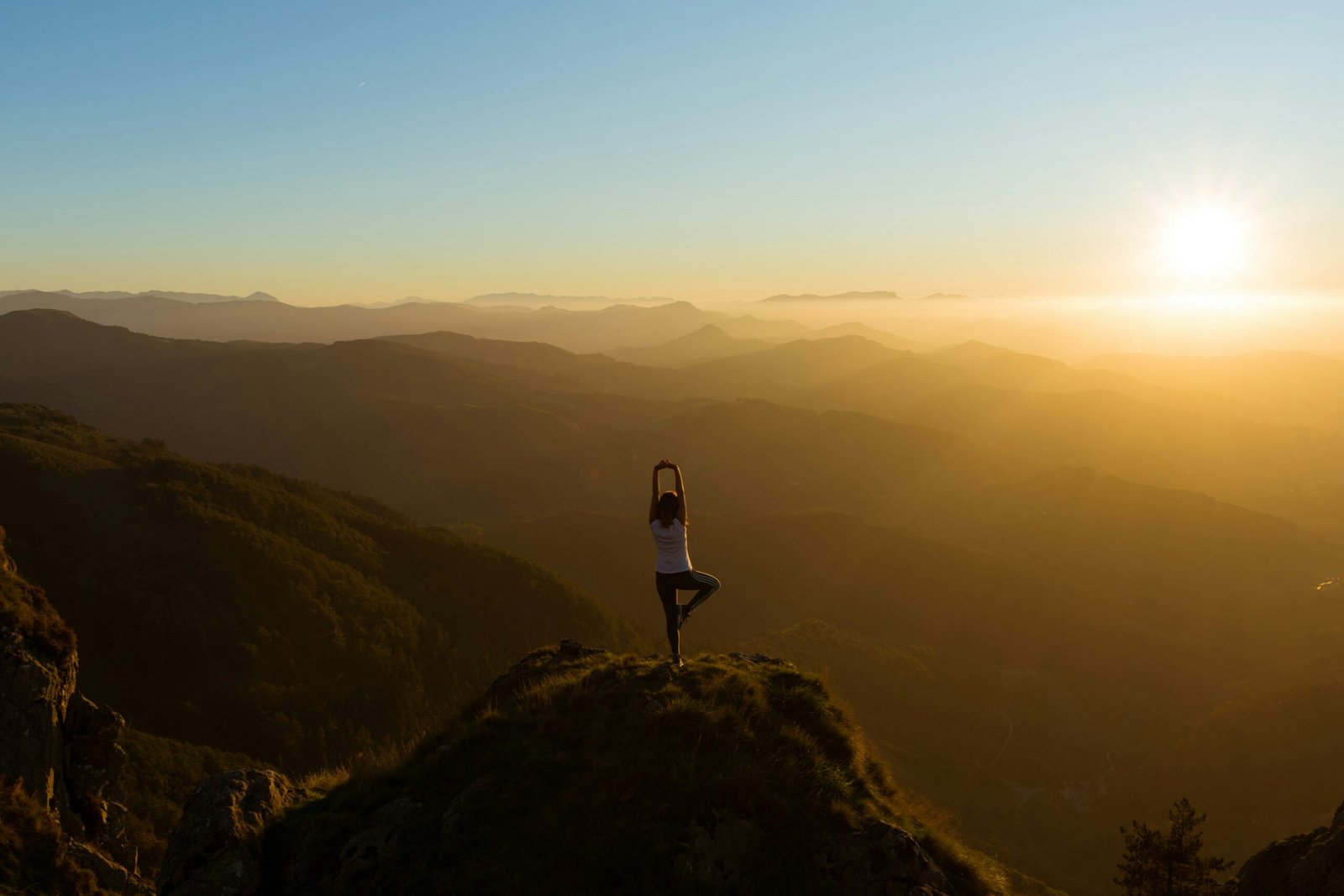
Have you ever found yourself in a small studio, barefoot on a mat, wondering how you ended up agreeing to “soften the hips” when your hips have been building emotional fortresses for decades?
This image is property of images.unsplash.com.
Introduction: A Reluctant Yogi in a Mountain Town
You can tell stories about yoga in many tones: reverent, clinical, breathless. Your story is more likely a confession — equal parts amusement and earnestness — set against a mountain that treats metaphors like currency. In Mount Shasta, CA, Yoga Studio One is more than a place that offers sun salutations; it’s a local institution that quietly insists you pay attention to your body, your breath, and your propensity to laugh at yourself when your foot refuses to stay lifted.
You’ll get practical details about the studio, the town, class types, etiquette, and how to manage life as a reluctant yogi. You’ll also get the kind of anecdotes that make you feel less alone when you accidentally groan during a forward fold.
The Setting: Mount Shasta — What Makes It Special
Mount Shasta is a town that seems to have been built for introspection: dramatic, snow-capped, and forever promising spiritual significance to anyone with good walking shoes and a poor tolerance for cynicism.
The mountain itself looms like a kindly but insistent relative: it asks you to slow down, breathe deeper, and possibly reconsider your life choices — or at least your footwear selection for trail walking.
Geography and Atmosphere
Mount Shasta sits in Northern California, an alpine presence with a big personality. You’ll notice pine-scented air, a lodge-and-cafe vibe downtown, and the occasional earnest person in linen pants who swears they had a spiritual encounter on the peak.
Weather is variable: snowy in winter, pleasantly cool in summer, and generally humid enough to make every yoga class feel like an event.
Spiritual Reputation and Cultural Context
Many people come to Mount Shasta for more than hiking; they arrive seeking energy work, pilgrimages, and communities that practice trance states and tea ceremonies. It’s not all incense and crystal shops — there’s an active outdoor recreation scene and a small-town normality that keeps things from tiptoeing into melodrama.
When you attend a local class, you’ll notice that the spiritual climate is permissive and warm. Teachers respect tradition without insisting you renounce your skepticism.
Yoga Studio One: Overview
Yoga Studio One is a community-focused studio in Mount Shasta that balances experienced teachers, varied class offerings, and a welcoming atmosphere. You’ll find seasoned locals and travelers who tag in for a class before an early-morning hike.
This is a place where the teacher knows your name by the third visit, and your presence is noted whether you’re a regular or the person who shows up once in a blue moon with hiking boots and a suspiciously new yoga mat.
Location and Accessibility
The studio is located centrally in town, often within walking distance of cafes, lodging, and local shops. You’ll find street parking and, depending on the season, a short walk through aromatic pines to get there.
If you’re driving from further afield, the terrain is straightforward but watch out for winter weather: tire chains and an attitude of mild respect for the elements will serve you well.
Studio Layout and Ambience
Inside, the studio usually features a single main practice room with natural light, a smaller space for workshops or private sessions, and a reception area with a shelf of props and gear. You’ll notice clean floors, friendly clutter like a bulletin board of local events, and frequently a resident cat or two if the owners are indulgent.
The ambience leans toward practical comfort rather than minimalist asceticism; you’ll be glad for the padded mats and the thoughtfully placed bolsters.
Teachers and Staff
Teachers range from seasoned instructors who’ve trained extensively to passionate community members who lead restorative classes. Each teacher brings a unique voice: some are anatomically precise, some are poetic, and some make jokes behind the microphone in ways that make your downward dog feel like a stand-up routine.
Staff typically help you choose a class, rent a mat if you forgot one, and recommend a good post-class coffee spot — because the healing process is often followed by caffeine.
Class Types Offered
You’ll find a variety of class styles that suit different energy levels and body conditions. If you’re a reluctant yogi, start with gentle or restorative options before you commit to a heated, sweaty hard-core Vinyasa that requires its own towel.
Below is a simple comparison to help you match your mood (and current level of willingness) with a class.
| Class Type | Description | Level | Typical Benefits | Typical Length |
|---|---|---|---|---|
| Gentle Yoga | Slow-paced, lots of modifications and props | Beginner | Flexibility, relaxation, stress relief | 60–75 min |
| Hatha | Foundational poses, slower tempo | Beginner-Intermediate | Alignment, basic strength | 60–90 min |
| Vinyasa | Flow sequence linked to breath | Intermediate-Advanced | Strength, cardio, coordination | 60–90 min |
| Yin | Long-held passive poses for connective tissue | All levels | Mobility, joint health, mindfulness | 60–90 min |
| Restorative | Supported poses with bolsters and blankets | All levels | Deep relaxation, recovery | 60–75 min |
| Hot Yoga | Heated room with vigorous practice | Intermediate-Advanced | Flexibility, detox sensation | 60–90 min |
| Power Yoga | Fitness-oriented, strength-focused vinyasa | Advanced | Stamina, muscle tone | 60–90 min |
| Chair Yoga | Seated or supported yoga | Seniors/Accessibility | Mobility, gentle stretching | 45–60 min |
| Workshops | Focused training on specific themes | Varied | Skill development, intensive learning | 2–6 hours |
| Private Sessions | One-on-one tailored practice | Varied | Personalized adjustments, rehab | 60–90 min |
Specialty Classes and Offerings
The studio often hosts themed workshops, teacher training, and visiting instructors. You’ll see special weekend intensives on alignment, breathwork nights, and seasonal events like full-moon circles or mountain-guided sessions. These are great if you want a deeper commitment without the pressure of a daily practice.
This image is property of images.unsplash.com.
Schedule and Pricing
Studios often update schedules seasonally. Typical offerings include early morning classes for hikers who like to stretch before they ascend the mountain, midday classes for locals, and evening sessions for those who find serenity after a busy day.
Pricing structures generally include drop-in rates, class packs, and monthly memberships. Drop-ins are convenient but add up fast if you attend regularly.
| Pricing Option | Typical Cost (Estimate) | Best For |
|---|---|---|
| Drop-in | $15–$25 | Single visits, travelers |
| 5-class pack | $60–$100 | Casual regulars |
| 10-class pack | $110–$180 | Frequent visitors |
| Monthly unlimited | $80–$150 | Local regulars or vacationers staying long |
| Private session | $60–$120 per hour | Personalized attention, therapy |
Ask the studio about sliding-scale options, discounts for seniors or students, and community classes that run on donation.
What to Expect in a Class
When you arrive, you’ll likely sign in, possibly hand over a membership card or app confirmation, and be offered a mat if you forget yours. You’ll find a place on the floor, unroll your mat like a reluctant flag, and try to not stare at other people’s flawless poses.
The teacher usually begins with a short centering practice or breath awareness. Classes progress through warm-up, standing sequences, peaks (if any), and a closing relaxation or guided meditation.
Don’t be surprised if the teacher offers modifications — your body is not a bad student, it’s an honest one. If you need help, ask — teachers appreciate the chance to offer a helpful adjustment.
Arrival Timing and Logistics
Arrive 10–15 minutes early, especially for the first class or a workshop. You’ll need time to sign in, use the restroom, and arrange props. If it’s a heated class, the studios often warm the room in advance, so earlier arrival helps your body acclimate.
If you’re late, enter quietly and choose a spot near the back. Teachers usually don’t want to interrupt the flow of practice.
Class Intensity and Modifications
Intensity varies: a Vinyasa class may leave you sweating and mildly triumphant, while Yin invites you to test your ability to stay emotionally present in stillness. The studio emphasizes safety: props like blocks, straps, bolsters, and blankets are available.
If you have injuries or chronic conditions, tell the teacher beforehand. They can offer modifications or suggest a more appropriate class.
Etiquette and Studio Rules
Yoga studios have culture and courtesies. You’ll be grateful for rules that keep the experience pleasant for everyone.
- Arrive early; late arrival is disruptive.
- Silence your phone and place it on airplane mode.
- Keep perfumes and heavy scents at home; people are often scent-sensitive.
- Wipe down rented mats and props after use.
- Ask before adjusting someone physically.
- Respect the teacher’s guidance and the group energy.
- Tip or donate for special events and visiting teachers where appropriate.
What to Bring and How to Dress
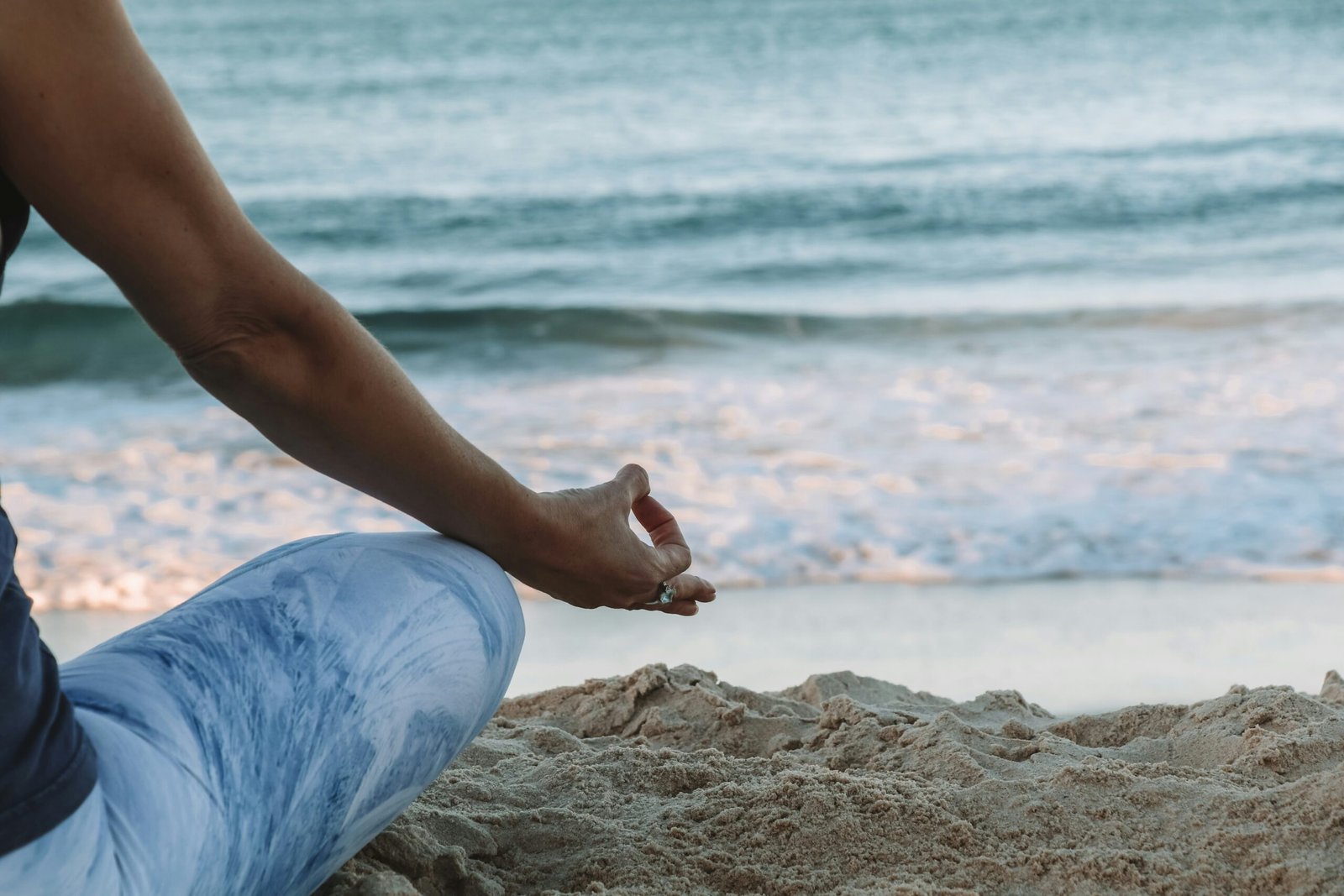
You don’t need a lot: a supportive mat, breathable clothing, and an open mind. Practical clothing allows you to move without tugging or self-scrutiny.
| Item | Purpose |
|---|---|
| Yoga mat | Provides traction and comfort |
| Towel | Sweaty classes, or to place over your mat for grip |
| Reusable water bottle | Hydration before/after, typically not during hot-paced breaths |
| Layers | Studio temperatures vary; bring a light sweater for Savasana |
| Props (optional) | Strap, blocks, blanket if you prefer personal items |
| Comfortable clothing | Breathable, fitted enough for inversion safety |
| Allergy items | If pollen is an issue, consider nasal relief after outdoor classes |
If you’re renting a mat, test it before class. Some mats are delightfully sticky, others feel like polished skin on slippery stone.
This image is property of images.unsplash.com.
For the Reluctant Yogi: Confessions and Overcoming Resistance
You didn’t wake up one day and decide, “Today I will willingly hamstring myself.” Your entry to yoga was probably accidental, reluctant, or forced by a friend with a cheery voice. But reluctance can become a useful tool: it teaches you to pay attention to what you resist.
Confession: you will compare yourself to others in the room. You will measure flexibility as proof of moral worth. You will fight the urge to leave when the teacher asks you to sit still for an uncomfortable length of time. All of these are normal and human.
How to move from reluctance to engagement:
- Start with curiosity rather than commitment. Attend one gentle class and note three things you enjoyed.
- Use humor as oxygen. Laugh at your attempts; it softens frustration.
- Keep a small ritual: a specific water bottle, a playlist for the drive, a brief intention you tell yourself before class.
- Set pragmatic goals: improve sleeping, reduce back pain, or meet new people. Avoid dramatic promises to “become enlightened by summer.”
Beginner-Friendly Practices and Modifications
You don’t need to be flexible to practice yoga. You need attentive curiosity and an awareness of limits. Below are practical modifications to make familiar poses accessible.
- Downward-Facing Dog: Bend your knees and lift your hips while keeping your spine long. Use blocks under hands if wrist pain occurs.
- Warrior II: Keep the back foot at a comfortable angle and don’t force a deep bend in the front knee. Rest your hands on your hips if balance is tricky.
- Forward Fold: Place your hands on shin blocks or a chair seat; micro-bend the knees to protect the low back.
- Child’s Pose: Use a bolster under your torso for chest support if your hips are tight.
- Plank: Drop to knees for a modified plank; focus on a straight line from head to knees rather than perfect form.
Teachers are used to offering these cues; if a class doesn’t mention them, ask.
Helpful Props and How to Use Them
Bolsters, blocks, and straps are not accessories — they are translators for your body’s language.
- Block: Use it for reaching in Forward Fold or to raise the floor in seated poses.
- Strap: Loop around the foot in Seated Forward Fold when hamstrings protest.
- Bolster/Blanket: Support your torso in restorative poses to promote relaxation.
- Wall: Use for balance in standing poses and inversions.
Breathing and Mindfulness Practices to Try
If you remember nothing else, learn simple breath awareness. It’s portable and effective.
- Diaphragmatic Breathing: Place a hand on your belly, inhale deeply so the hand rises, exhale slowly so it falls. Repeat for several minutes.
- Ujjayi Breath (Ocean Breath): Slight constriction at the back of the throat creates a soft ocean sound as you breathe. It warms the body and steadies the mind.
- Box Breathing: Inhale for 4 counts, hold for 4, exhale for 4, hold for 4. Ordinary but profoundly calming.
- Body Scan: Lie in Savasana and mentally note sensations from toes to crown.
These practices can help quiet the internal monologue that loves to remind you of errands you forgot.
Outdoor Yoga on Mount Shasta
Practicing outdoors on a lawn or at a trailhead has its own rhythm. You’ll encounter birds, breezes, and occasionally a nosy squirrel. The views are restorative and often remind you that nobody’s alignment matters much against the mountain.
Advantages: fresh air, expansive views, natural soundscape. Challenges: weather variability, uneven ground, and potential for public curiosity.
If you attend an outdoor class, pack sunscreen, insect repellent, a sturdy mat or blanket, and a willingness to accept the world as a yoga prop.
Retreats, Workshops, and Special Events
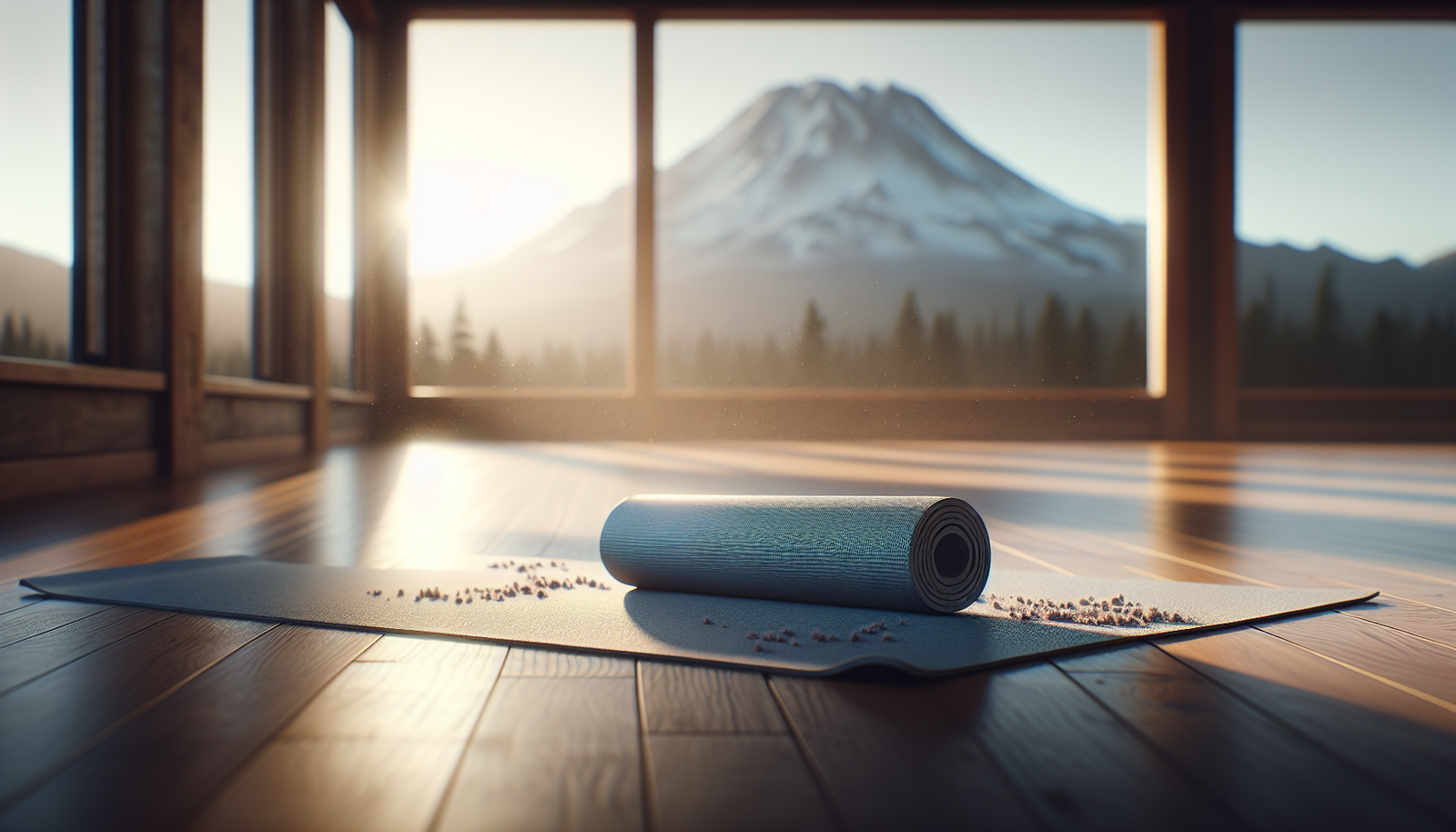
Yoga Studio One often hosts multi-day retreats and intensive workshops if you want a stronger relationship with your practice. Retreats range from local weekend immersions to multi-day experiences combining hiking and yoga.
Workshops may focus on:
- Alignment and anatomy
- Pranayama and breathwork
- Inversions and arm balances
- Restorative and therapeutic practices
Attending a workshop can accelerate skill development and deepen your understanding of how your body works in relation to yoga.
Community and Connections
One of the nicest surprises is how yoga fosters gentle social ties. You’ll chat with someone in the lobby, join a potluck, or receive a compassionate nod from the person who always seems to arrive at the same time as you.
Studios often host community nights, donation-based classes, and events that encourage socializing without pressure. If you’re new, introduce yourself after class — it’s easier than you think, especially when you both smell like eucalyptus and achievement.
Health and Safety Considerations
Yoga is generally safe but not risk-free. You may have pre-existing conditions that require attention: herniated discs, joint replacements, vertigo, pregnancy, or cardiovascular concerns.
- Inform the teacher of injuries or conditions before class.
- Start with gentler classes if you have medical concerns.
- Check with your healthcare provider before beginning a vigorous practice.
- During hot classes, hydrate well and come prepared to modify poses.
Studios usually have policies for injuries and liability; read them if you’re considering a private session for therapeutic reasons.
Accommodations and Local Amenities near Yoga Studio One
Mount Shasta provides a range of accommodation types, from cabins to inns. Staying nearby makes it easier to attend early classes or evening workshops.
| Option Type | Example Features | Best For |
|---|---|---|
| Budget Inns | Basic rooms, central location | Short stays, budget travelers |
| Mid-range Hotels | On-site breakfast, comfortable amenities | Weekend retreats, families |
| Cabins & B&Bs | Local character, quieter settings | Romantic getaways, solitude seekers |
| Campgrounds | Near trails, rustic | Adventurous travelers |
| Vacation Rentals | Full kitchens, longer stays | Group retreats, extended visitors |
Local amenities include cafes, outdoor outfitters, small grocery stores, and a handful of restaurants that cater to varying dietary preferences. Many places offer vegetarian and vegan options, and some cafes cater to a yoga-after-class crowd with nourishing bowls and quality coffee.
Getting There and Practical Tips
You’ll probably arrive by car; the nearest major airport is a couple hours away. Consider the season — winter roads can be dramatic and demanding.
Practical tips:
- Pack layers for varying day temperatures.
- Bring local cash for small purchases; some places are cash-preferred.
- If you intend to hike the mountain, check permits and local conditions.
- Book lodging and workshops ahead in high season.
Parking near the studio is usually available but limited during peak times. Walking or biking is a pleasant option if you’re staying close.
Accessibility and Inclusivity
Yoga Studio One typically aims to be inclusive. If you have mobility concerns, ask about chair yoga or private sessions. Many teachers are trained to adapt poses for differently-abled bodies.
If you have sensory sensitivities, request low lighting or quieter classes. Community-minded studios often accommodate reasonable needs when given advance notice.
Online and Hybrid Options
If you can’t attend in person, check whether Yoga Studio One offers recorded or live-streamed classes. Online options let you maintain momentum, especially if travel plans or weather prevent an in-person visit.
Private virtual sessions are often available, providing personalized guidance while you practice at home.
FAQs about Yoga Studio One and Practicing in Mount Shasta
| Question | Answer |
|---|---|
| Do I need experience to attend classes? | No. Many classes welcome beginners; choose Gentle or Hatha for your first visits. |
| What should I wear? | Comfortable, breathable clothing that allows movement. Avoid clothing that’s too loose for inversions. |
| Are props available? | Yes. Studios typically provide blocks, straps, bolsters, and blankets for use. |
| How early should I arrive? | 10–15 minutes for a regular class; 20–30 minutes for workshops. |
| Is there parking? | Yes, but spaces can be limited during peak times. Street parking is common. |
| Are classes dog-friendly? | Usually not inside the studio; service animals are permitted with prior notice. |
| Can I bring children? | Some studios offer kids’ yoga; otherwise childcare is not provided. Ask about family-oriented classes. |
Testimonials and Local Voices
People who live in Mount Shasta often speak about Yoga Studio One in the tone you reserve for favorite restaurants — personal and slightly possessive. Travelers tend to describe a class as a highlight of their stay and mention teachers who made them feel seen.
Here are paraphrased impressions you might hear:
- “The teacher adjusted my alignment and also told a joke about succulents — both equally helpful.”
- “I went for the sunrise class and felt like the mountain approved.”
- “I came in stiff and left wondering how long it’s been since I felt so calm.”
Practical Packing Checklist for a Yoga & Mountain Weekend
| Item | Why it matters |
|---|---|
| Yoga mat (or plan to rent) | Core tool for practice |
| Layered clothing | Temperatures change quickly |
| Hiking shoes | For trails and uneven ground |
| Water bottle | Hydration is essential, especially after practice |
| Sunscreen and hat | Outdoor classes and trails |
| Small towel | For hot classes or sweating |
| Journal | To record intentions or workshop notes |
Final Thoughts: Confessions Concluded
You will arrive reluctant and possibly defensive about your flexibility record. You’ll stay because yoga at Yoga Studio One is a series of small, well-timed invites: to breathe, to soften, and to notice the way the light hits the floor in the last minutes of Savasana. You’ll be offered practical instruction and human warmth, with occasional wit from teachers who understand the humor in human bodies.
If you find yourself inspired to practice regularly, don’t mistake that for sudden spiritual awakening. It’s more likely the cumulative effect of better breath, improved sleep, and a community that notices when you’re not in class. Bring a little curiosity, a willingness to laugh at missteps, and maybe a spare pair of socks for walking back to your car in the dark. Mount Shasta and Yoga Studio One will do the rest: they’ll let you reveal your better self one awkward, enlightening pose at a time.