
Have you ever wanted to stand where a mountain seems to breathe on the river and pretend that your problems are as small as a pebble tossed into clear water?
This image is property of images.unsplash.com.
Water Works Park: An introduction
You arrive at Water Works Park in Mount Shasta expecting tidy municipal landscaping and a picnic table. What you get — if you pay attention — is a surprisingly theatrical combination of river, mountain, and people doing their best to look like they belong outdoors. The park sits on the banks of the Sacramento River near the town of Mount Shasta, California, and offers easy river access, shady lawns, and enough local character to keep your eyes busy while your sandwich becomes soggy.
The park functions both as a recreational green space and as a quiet reminder of how the area’s water has shaped the town. Whether you come for a quick walk, a family picnic, or an attempt at fly-fishing that ends with more dignity lost than fish caught, the park is built for low-key days and high-elevation scenery.
Quick facts
This table gives you an at-a-glance sense of what to expect before you unpack the cooler and the bad jokes.
| Item | Details |
|---|---|
| Location | Water Works Park, Mount Shasta, CA (on the Sacramento River, near town) |
| Typical hours | Generally open year-round during daylight hours; check city or county sites for seasonal changes |
| Cost | Generally free to enter; some nearby activities (guided trips, rentals) may charge |
| Primary uses | Picnicking, river access, walking, birdwatching, fishing, relaxing |
| Parking | On-site parking available; spaces may fill on warm summer weekends |
| Restrooms | Often available on-site or nearby; check local signage |
| Accessibility | Portions of the park are accessible; inquire locally for specifics |
| Safety notes | No lifeguards; strong currents and cold water possible; always supervise children |
Getting there and parking
You will probably find the park after a short drive from downtown Mount Shasta. The route is straightforward: head toward the river and let the mountain act as your compass. Parking exists on-site and on nearby streets; during warm weekends or local events, it can be busy, so arrive early if you want a prime picnic table that isn’t too close to someone else’s Bluetooth speaker.
If you have a large group, consider arriving in more than one vehicle or carpooling. Large gatherings might require a permit from the city, so call ahead if you plan something ambitious like a barbecue with 30 people and a brass band.
What you’ll find at the park
You will notice that Water Works Park offers a pleasant mix of features suitable for a casual outing. It’s not a vast national park, so your expectations should be set accordingly: think comfortable municipal charm, not wilderness conquest.
Amenities at a glance
| Amenity | What to expect |
|---|---|
| Picnic areas | Tables and open lawns suitable for blankets and small gatherings |
| River access | Gentle banks and shallow entry in places; currents can be deceptive |
| Restrooms | Often available but check for seasonal closures |
| Trails | Short riverside paths for walking and birdwatching |
| Shade | Trees provide relief, though sunny spots abound |
| Parking | Street and lot parking; limited during peak times |
| Playground | Some parks nearby have playgrounds — check current maps for exact locations |
The riverside setting
The Sacramento River near Mount Shasta has clear, cold water fed by mountain snowmelt. You’ll be tempted to wade in. Resist the temptation if you don’t have a good reason or a flotation device, because the water is famously cold, and currents are stronger than they appear. That said, the river’s edge is a great place to read, sketch, or perform the occasional interpretive sigh.
Historical context
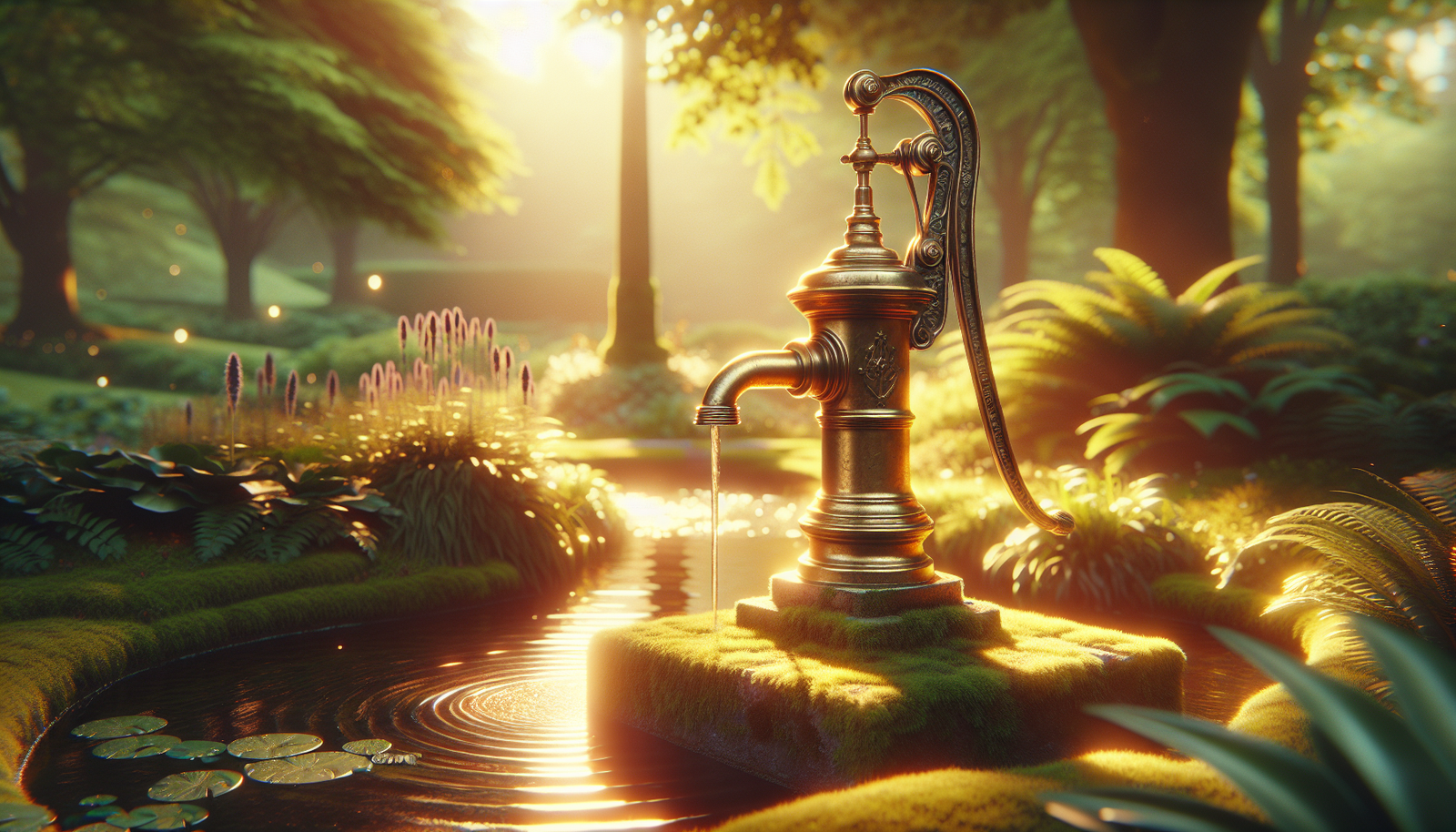
You will appreciate the subtle history that lingers in the park: municipal water infrastructure and the town’s relationship with its watershed. The park’s name nods to the city’s water service origins, and while the machinery is no longer front and center, the plain practicality of water management shaped the site’s layout. If you like history, ask at the local visitor center or library — small-town historians love to be useful and will happily tell you about old pumps or municipal decisions that now seem quaint.
This image is property of images.unsplash.com.
Activities you’ll enjoy
Many activities suit the park’s size and mood. You’ll find that most visitors come with modest goals: a good sandwich, a book, a camera, possibly a dog wearing a bandana. Here are the main options you should consider.
Picnicking and relaxing
You will find a quiet spot under a cottonwood and try to eat without dropping anything into the river. The picnic areas are ideal for families, couples, and solitary people who want to look like they aren’t eating an entire bakery selection alone. Bring a blanket, and consider a small weight for it; mountain breezes have a mischievous way of making linen look aerodynamic.
Swimming and wading
You will be tempted to wade. The water is cold even on hot days; that’s the point. There are shallow sections where people paddle or sit with their feet in the flow, but there are no lifeguards. If you swim, choose a calm stretch, wear a life jacket, and never go alone. You’ll also want to watch for sudden increases in flow during spring runoff or after storms.
Fishing
You will likely see anglers with fly rods doing their best to look mysterious. The river supports trout and other freshwater species typical of northern California mountain streams. Remember to carry a valid California fishing license, check local regulations for catch limits and seasonal closures, and practice respectful fishing: unhook carefully, handle fish gently, and follow catch-and-release guidelines where advised.
Walking and birdwatching
You will notice that even short strolls produce a surprising number of birds and other wildlife. Bring binoculars or borrow a keen neighbor’s and watch for riparian species: kingfishers, songbirds, and sometimes raptors circling above the valley. The river corridor serves as a natural corridor for animals, so keep your eyes open and your voice low if you want to see more than pigeons.
Photography and painting
You will find the interplay of river light and mountain presence irresistible. If you’re taking photos, come during golden hour for the best light. Bring a small tripod if you like long exposures of moving water, and consider a polarizing filter to reduce glare. Painters will appreciate the relatively calm composition: mountain, water, and people who didn’t quite get the memo to leave their shoes in the car.
Family and kid-friendly features
You will find families with kids building rock towers, searching for interesting pebbles, and making dramatic, often brief, attempts at skipping stones. The park’s open space is good for games or a low-stakes game of tag, but supervise children at the water’s edge and bring wading shoes if they want to participate in aquatic archaeology.
Regulations and safety
You will want to read the signs. Some are bland, some are blunt, and all are designed to keep you and the environment intact. Here’s what tends to matter most.
General rules
- Pack out what you pack in. If you leave it, the park will be left to someone else in a worse mood.
- Alcohol and open fires may be restricted in some areas; check local signage and city ordinances.
- Dogs should be on leash in many park areas. You’ll see some leashes longer than others; that’s not a reason to imitate them.
- Respect posted hours; many parks close at dusk.
Water safety
You will notice that the river looks inviting but is often colder and swifter than expected. Always supervise children and weaker swimmers closely, and consider a life jacket for any small person or adult prone to theatrics. Watch for signs of high water after storms, and avoid wading in cloudy or fast-moving water.
Fishing regulations
You will need a California fishing license for most anglers aged 16 and older. Check the California Department of Fish and Wildlife for current rules about seasons, limits, bait types, and protected species. Always follow local restrictions and practice catch-and-release where recommended.
Permits and large groups
You will organize picnic parties for 20 people and maybe a portable speaker. For gatherings that exceed normal use, you may need a permit from the city. Check with Mount Shasta municipal offices if you plan to bring a band, a bounce house, or an unusual number of balloons.
This image is property of images.unsplash.com.
Seasonal considerations
The mountain climate gives you a variety of moods depending on the time of year. You’ll want to pack accordingly.
Spring (March–May)
You will encounter spring runoff that can make the river faster and colder. Wildflowers begin to appear, and migratory birds return. This is a beautiful but sometimes unpredictable time: water levels can rise quickly, and trails may be muddy.
Summer (June–September)
You will cherish summer for its long days and warm air. The park becomes busier, and the river becomes a popular cooling-off spot. Pack sunscreen, hats, and lots of water. Expect more people and more dogs.
Fall (October–November)
You will enjoy cooler temperatures and fewer crowds. Fall colors can be pleasant along the riverbanks, and fishing may be good. Always watch for early snow at higher elevations that can alter local conditions.
Winter (December–February)
You will experience cold days and occasional snowfall. The park is far quieter, and your picnic may involve thermoses and wool. Some facilities may close seasonally, so check ahead if a restroom is crucial to your peace of mind.
What to pack: practical checklist
You will be prepared and slightly smug about it. Use this checklist for a comfortable visit.
| Category | Items to pack |
|---|---|
| Essentials | Water (extra), snacks, daypack, ID, cash/card, phone with charger |
| Safety | First aid kit, sunscreen, sunglasses, hat, insect repellent |
| River comfort | Water shoes, towel, small blanket, life jackets for paddling or weak swimmers |
| Fishing | Rod, tackle, valid fishing license, net, pliers |
| Leisure | Binoculars, camera, book, sketchbook |
| Seasonal extras | Warm layers (spring/fall/winter), insulated mug, waterproof jacket |
| For dogs | Leash, waste bags, bowl, water |
| Environmental care | Trash bags, biodegradable soap (if needed outside), knowledge of Leave No Trace |
Suggested itineraries
You will like a plan, even if you end up ignoring it for something more spontaneous. Here are some friendly itineraries to help structure your day.
Half-day: Riverside calm (2–4 hours)
- Arrive mid-morning and pick a shaded picnic table.
- Take a short walk along the riverbank to scope for birds and fishing spots.
- Eat, read, nap, or attempt one long conversation you have been avoiding.
- If you brought a camera, stay for golden hour before leaving.
Full-day: Active outdoors (6–8 hours)
- Early arrival to secure parking and a table.
- Morning walk or light hike, followed by a picnic brunch.
- Afternoon fishing or wading (with safety precautions).
- Late afternoon photography session; finish with coffee or a takeout meal in town.
Weekend: Basecamp for local highlights (2 days)
- Day 1: Spend time at Water Works Park, then head to nearby Lake Siskiyou for sunset.
- Overnight in town or at a campground.
- Day 2: Visit Bunny Flat trailhead or McCloud River Falls, with time for a leisurely meal in downtown Mount Shasta.
Nearby attractions and local highlights
You will find that Water Works Park is an excellent hub from which to enjoy Mount Shasta’s attractions. These nearby places will round out your trip.
Lake Siskiyou
You will find Lake Siskiyou a short drive away. It’s excellent for paddleboarding, kayaking, swimming in calmer water, and gentle lakeside hikes. The flat water and views of Mount Shasta reflect the mountain in ways that make your camera much happier than you are.
Bunny Flat and Mount Shasta Wilderness
You will be tempted by trailheads that lead into the Mount Shasta Wilderness. Bunny Flat provides access to trails suited for both day hikes and multi-day mountaineering. If you plan to head higher or attempt a summit, prepare properly: the mountain’s weather can change rapidly and serious gear is required.
McCloud River Falls and Upper Falls
You will find a sequence of waterfalls nearby that are scenic and relatively accessible. The McCloud River Falls are popular and well-loved for good reason: they offer clear pools and a chance to see the river in a different mood.
Castle Crags State Park
You will gain a sense of geological drama at Castle Crags, with granite spires and rugged trails. It’s a great complement to your river day, offering more elevation and panoramic views.
Downtown Mount Shasta
You will enjoy the small-town charms of downtown: locally owned restaurants, coffee shops, and a handful of galleries and outdoor retailers. It’s a convenient spot to resupply, sit for a real meal, or purchase a last-minute layer.
Where to eat, drink, and resupply
You will want to eat after exertion, regardless of how minimal it was. Mount Shasta’s dining scene is friendly and unpretentious, with options for comfort food, local coffee, and simple craft beers. Look for farm-to-table choices, sandwiches, pizza, and a café where you can sit outside with your dog wearing a bandana. For groceries, the town has markets where you can pick up picnic staples and fuel up for the day.
Where to stay
You will sleep better if you think about a roof before it gets dark. Options include hotels, motels, bed-and-breakfasts, and campgrounds. Lake Siskiyou Camp Resort and other nearby campgrounds offer tent and RV spots if you prefer to be close to the water. Book early during summer and holiday weekends.
Local events and culture
You will encounter seasonal events: farmers markets, outdoor concerts, and community festivals occur during warmer months. These are opportunities to meet local makers, sample regional produce, and add a little cultural garnish to your river day. Check community calendars for current listings before you plan your trip.
Environmental stewardship and Leave No Trace
You will want the river to stay handsome for future picnickers and your grandchildren’s children. Practice these habits:
- Pack out all trash and dispose of it properly.
- Avoid disturbing wildlife and nesting areas.
- Use established paths to prevent erosion.
- Don’t introduce non-native species; rinse gear and boats before moving between water bodies.
- Be mindful with campfires and adhere to local fire restrictions.
Accessibility
You will notice that while parts of the park are relatively flat and easy to traverse, not every path is ADA-compliant. If accessibility is critical to your visit, call local city parks or visitor services to confirm restroom availability, parking near accessible paths, and specific site details.
Tips from locals (the ones who write in the margins of town brochures)
You will pick up a few very useful local tips if you listen:
- Arrive early on warm days for quieter parking and better picnic spots.
- Bring layers: mountain sun can be fierce by noon and chilly by late afternoon.
- If you want solitude, try weekdays or shoulder seasons.
- For the best photos of Mount Shasta, look at dawn or warm evening light reflected on the river.
- Treat the river with respect. It looks gentle and will punish hubris with cold.
Common mistakes visitors make
You will learn quickly what not to do if you watch the people who make the mistakes before you.
- Underestimating the cold water: People wade in for 30 seconds and then spend 30 minutes regretting their life choices while sitting in wet shorts.
- Forgetting a water bottle: There’s something embarrassing about buying a liter of water from a convenience store after trudging through the parking lot like a castaway.
- Assuming dogs are welcome off-leash: Not everyone likes frisbee retrieval attempts; leash laws matter.
- Leaving food unattended: Squirrels and daring ravens will not respect tablecloths.
Photography and social media etiquette
You will take pictures and probably post them. That’s fine, but be mindful: some locals prefer their private moments without being the background. Ask permission before photographing a clearly private family scene, and resist the urge to stand on private property for a better angle.
Final thoughts
You will leave Water Works Park with damp socks, perhaps a new appreciation for small-town life, and the sense that a mountain can be both severe and funny at once. The park is not a remote wilderness, but it holds a particular kind of calm that makes you believe, if only for a few hours, that cold water can solve many problems — or at least make you appreciate the dry ones from a slightly different perspective.
If you go, pack layers, bring patience, and be ready to accept that the best plans will include a spontaneous nap under a cottonwood. Will you forgive yourself for the sandwich you left on a rock the river stole? Probably. Will the mountain notice? In its own patient way, it already has.