
Have you ever told yourself a small, absurd story so often that it begins to feel like local history?
This image is property of images.unsplash.com.
Trout Paradiso and Other Small Lies I Tell Myself in Mount Shasta
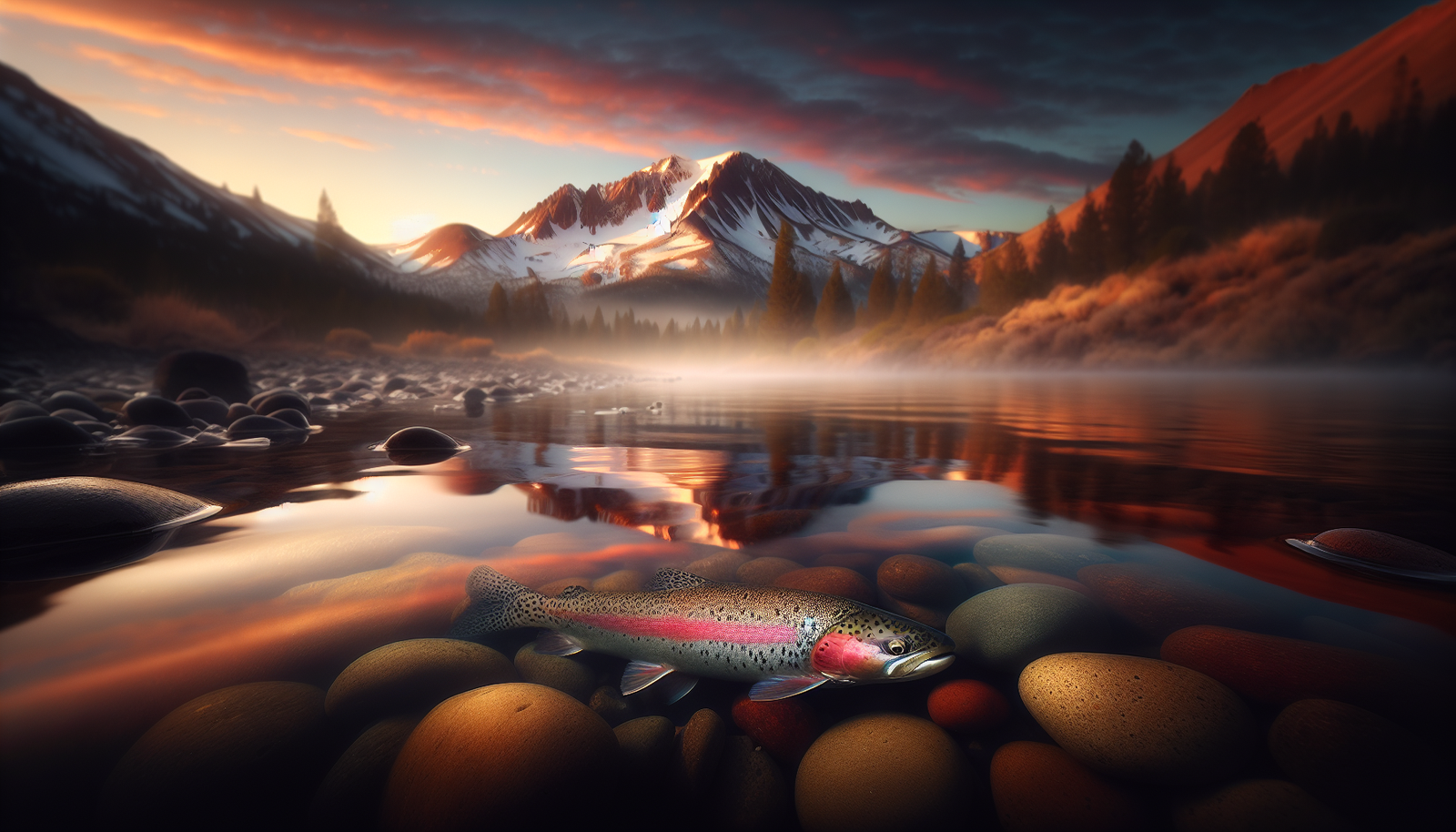
You arrive convinced that Mount Shasta will fix something about you that nothing else has: patience, appetite, humility, or at least the ability to stand very still and not behave like a television character in a reality show. You whisper to yourself that there is a place called Trout Paradiso — a bench by a stream, a tiny roadside shack with a chalkboard menu, or an inside voice that promises the perfect trout will leap into your lap if you sit still and look holy enough. That promise is one of many small, comforting lies you tell yourself while the mountain watches with the serenity of a cat that has outlived you.
Trout Paradiso: The Perfect Lie
You imagine Trout Paradiso like a church for anglers and people who prefer their spirituality buttered and pan-fried. In your version, the trout are generous, obliging, and mildly theatrical; the coffee is strong; the pastries have no calories; and the locals treat you like a long-lost relative who arrives with the exact right casserole. You know, intellectually, that Trout Paradiso is a fiction — an invented place designed to short-circuit disappointment — but the fantasy gets you up early, packs your car, and moves you north on Interstate 5.
You will find, whether you admit it or not, that those small lies are useful. They soften the edges of the weather, the cost of the cabin, and the stubbornness of a trout that prefers the company of rocks to yours.
The Mountain That Keeps Its Secrets
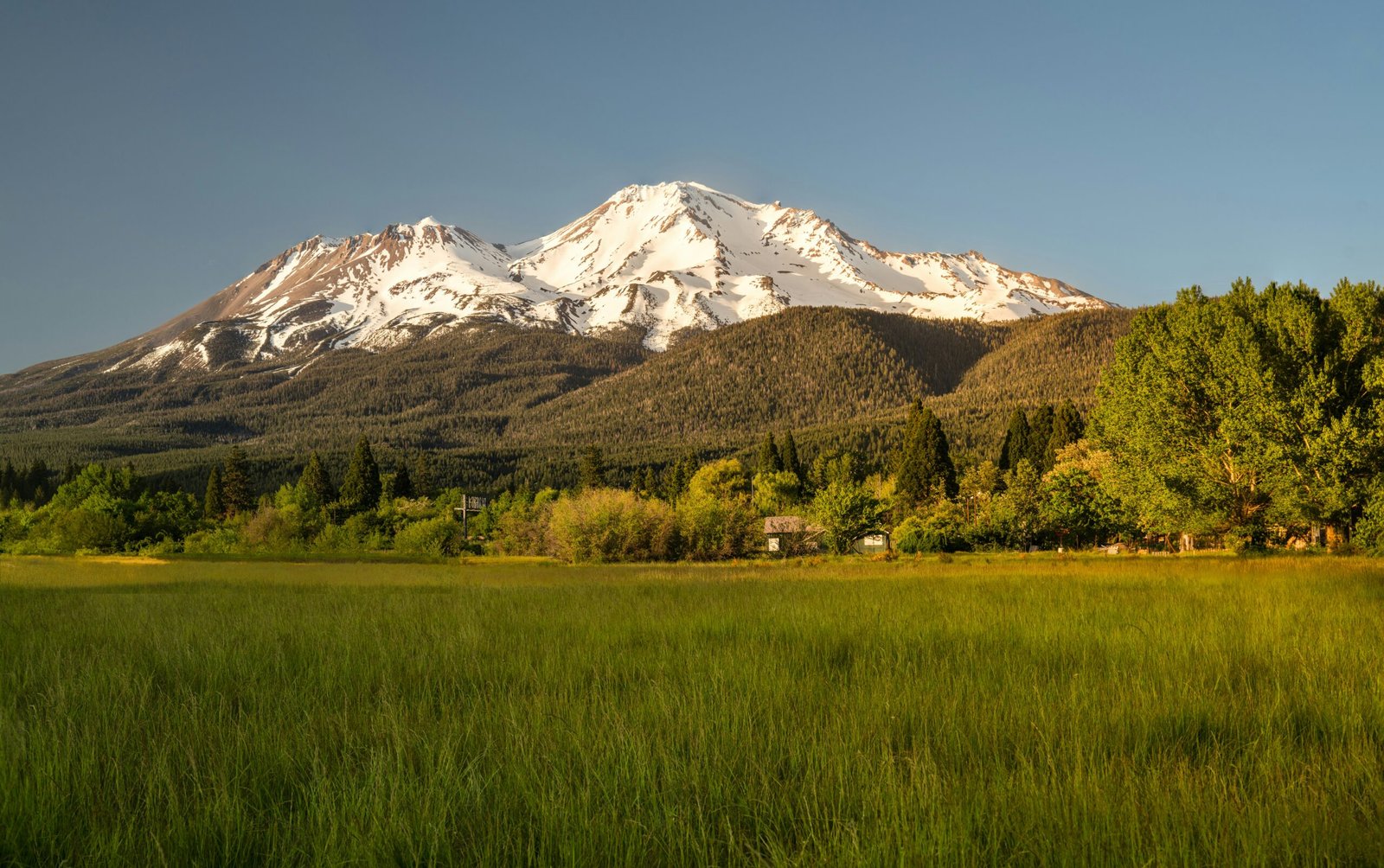
Mount Shasta itself is a blunt instrument of geology and grace — a dormant stratovolcano rising to 14,179 feet (4,322 meters). From far distances it looks like an insistence, a white-tipped cone reminding you that some things are older and less interested in your plans than you are. The peak draws climbers, monks, weekend warriors, photographers, and anyone with an overactive sense of destiny.
You should know that the mountain is both a piling of ancient lava flows and a cultural focal point. To many local indigenous peoples, including the Winnemem Wintu, it is sacred ground; their stories and stewardship are part of the place’s fabric even when the stories aren’t printed on postcards. Saying the mountain is “majestic” might be lazy language, but you will hear it because it is accurate.
This image is property of images.unsplash.com.
Spiritual and Cultural Background
You will encounter spirituality around Mount Shasta in many forms: traditional Indigenous ceremonies, New Age gatherings, and hikers quietly adjusting their packs as if packing away sorrow. This is a place where people make bargains with altitude and belief.
If you are visiting, take the hint: not every ceremony is a performance and not every ceremony welcomes an audience. Respectful curiosity will get you further than loud questions. Learn that the stories here are not souvenirs.
Fishing Around Mount Shasta
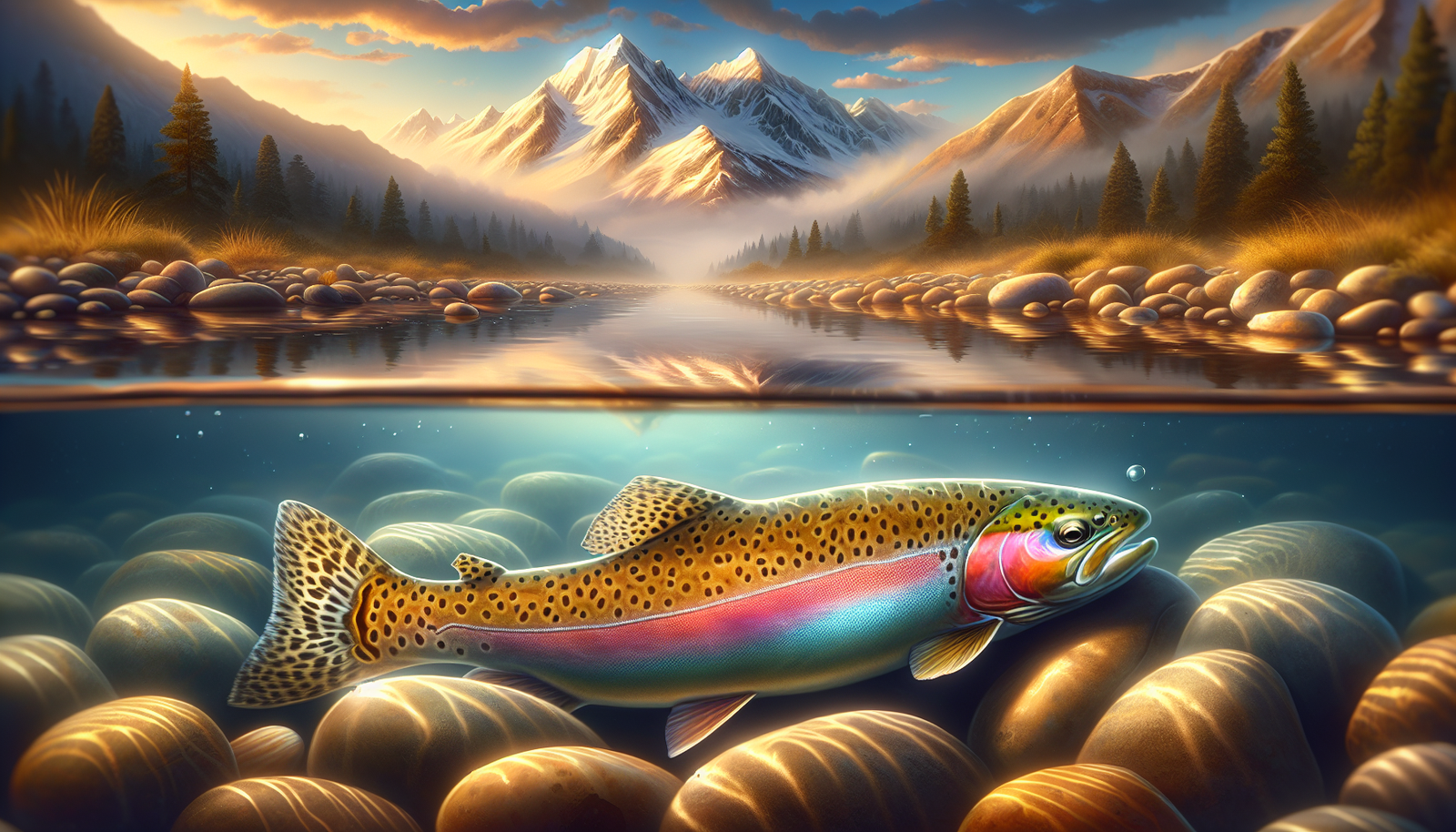
Mount Shasta’s waterways are the kind of tidy fantasy that make Trout Paradiso believable. Streams and lakes descend from snowmelt and feed trout-heavy waters that sustain seasonal fishermen and people who eat fish reluctantly but appreciate the drama of landing one. The most common sport species you will likely encounter are rainbow, brown, and brook trout; many waters are stocked seasonally and others sustain wild populations.
You should plan around seasons: spring and early summer offer fast runoff and colder water, which can make trout less active; late summer and early fall often present calmer conditions and clearer fishing. Winter ice and snow alter access and require different gear and judgment.
Where the Trout Really Are
You will be tempted to believe that every bend in a stream houses a trout the size of your childhood ambitions. The reality is practical: some spots are reliably good, some are seasonal, some are private, and some are equally reliable at making you feel small and wet. Below is a table summarizing accessible spots near Mount Shasta where you might find fish and a little solace.
| Spot | Distance from Mt. Shasta City (approx.) | Typical Species | Difficulty/Access | Best Months |
|---|---|---|---|---|
| McCloud River (Upper & Lower) | Within 15–25 minutes | Rainbow, Brown | Easy to moderate; some spots require walking | Late spring–early fall |
| Lake Siskiyou | Within 10–15 minutes | Trout (stocked), Bass | Very accessible; family-friendly | Late spring–early fall |
| Castle Lake | 20–30 minutes | Brook, Rainbow (cold-water) | Moderate; steep approaches | Summer–early fall |
| Spring-fed creeks & smaller lakes | Nearby, scattered | Native/wild trout | Varies; often requires hiking | Late spring–early fall |
| Shasta Lake area (further south) | ~40–60 minutes | Trout, Bass | Larger water, boat recommended | Spring–fall |
You will notice “Trout Paradiso” is absent from that table. That’s intentional. The places listed are real enough to put your name on a license that will get you in trouble if you ignore regulations.
Regulations and Permits
Before you decide to win the hearts of the trout, you need a California fishing license. If you are 16 or older, the state expects you to hold one — there are exceptions for short visits or specific conditions, but it’s simpler to buy a license online or at a local vendor. Licensing funds fisheries management, hatchery programs, and conservation, which will, in the long run, keep Trout Paradiso from being merely a good idea.
You also need to check the season dates, bag limits, size restrictions, and any special rules for the specific water you plan to fish. Regulations change; officials update notices for closures, trout plantings, or emergency measures. Your small lie about Trout Paradiso doesn't exempt you from the law.
This image is property of images.unsplash.com.
Gear and Techniques
You will want the right tools, but not an armory. Light to medium spinning gear and a selection of small lures, spinners, or flies cover most situations. If fly fishing sounds like a foreign language, remember that it is less about grammar and more about rhythm. Flies that mimic mayfly, caddis, and small nymphs are reliable standbys.
Here are a few practical suggestions:
- Rod: 6-7 ft light-to-medium for spin; 4-6 wt for fly.
- Line: 4–8 lb test for trout-friendly tactics; match your weight to the rod.
- Flies/Lures: woolly buggers, pheasant tail nymphs, elk hair caddis, small inline spinners (size 0–3).
- Boots: waterproof wading boots for cold streams; felt or rubber soles depending on rules.
- Accessories: polarized sunglasses, small net, pliers, barbless hooks if practicing catch-and-release.
You will be happier if you bring a folding chair, snacks that are not granola bars alone, and a small first-aid kit — the mountain has opinions about your preparedness.
Fly Patterns That Tend to Work
You will not need an encyclopedic knowledge of flies to be decent company on the river. Choose a few patterns that cover different stages of insect life:
- Nymphs (e.g., pheasant tail) — work underwater where trout spend most of their time.
- Emergers — for trout rising below the film.
- Dry flies (e.g., elk hair caddis) — for thrilling surface strikes.
If you feel awkward asking a local what works, remember: admitting ignorance in exchange for a fishing tip is a cheap and effective social contract.
For the Unwilling Fisher
If you are not someone who wants to be judged by their catch, there is good news: Mount Shasta is generous in non-fish ways. Lake Siskiyou offers flat water for paddleboarding and a short lakeside trail. The McCloud River waterfalls — Upper, Middle, and Lower — are photogenic and require only moderate energy. Castle Lake is a cold, reflective alpine basin that invites you to sit and think regretfully about the great many other places you could be.
You can also join a guided nature walk, attend a local market, or pack a thermos and a book that will finally be read on page three.
Getting There and When to Go
Mount Shasta is positioned along Interstate 5 in Northern California, which makes it approachable by car from multiple directions. The nearest big city with an airport and many services is Redding (roughly 60–80 miles south, depending on which road you prefer). The mountain is also reachable by Amtrak trains with connections and regional airports for seasonal air traffic.
Timing is everything. Summer — June through September — tends to offer the most accessible trails and calmer water, though daytime heat can be surprising. Spring runoff makes some streams unfishable and trails muddier, while winter offers a different set of pleasures: snowshoeing, high-contrast landscapes, and the holy terror of storms that remind you to call the lodge first.
Approximate Drive Times
These are rough estimates to help plan:
- From Redding: ~1–1.5 hours
- From Sacramento: ~3–3.5 hours
- From San Francisco: ~4–5 hours
- From Portland, OR: ~5–6 hours
Road conditions and weather will make a liar of any timetable; leave buffer time and bring patience.
Lodging and Local Flavor
You can sleep like an ascetic or like someone who refuses to accept that they are camping. Options range from campgrounds and rustic cabins to motels, small inns, and vacation rentals. You should expect friendliness rather than haute hospitality; the people you meet often prefer to be helpful rather than polished.
Local food tends toward hearty home cooking: eggs the size of decisions you hope to reverse, sandwiches that guarantee you’ll fall asleep in the car, and coffee that might start a small ritual. There are also places that take fish seriously, and if you have any pretenses left, they will deliver trout in pan-seared humility.
Food, Coffee, and the Myth of Culinary Providence
You will often be hungry in Mount Shasta, the way you are hungry at life transitions and after hiking Terrain You Didn’t See on the Map. Local cafes and small restaurants offer unpretentious meals that taste like someone took their time, which, in a world of instant everything, feels like a minor miracle.
If you are counting on Trout Paradiso to offer flawless, trout-centric cuisine, prepare to be amused by the earnestness of real people who cook from experience rather than from a curated social media brief. That earnestness will taste like gravy and understanding.
Weather and Safety
The weather at Mount Shasta can move with dramatic purpose. Afternoon thunderstorms in summer, sudden snow at higher elevations in early fall, and icy conditions in the shoulder seasons require vigilance. If you plan to climb above treeline or attempt any long route, learn the basic signs of altitude illness and acclimate gradually. Dress in layers, bring rain protection, and do not pretend you are a weatherproof human.
Wildlife is largely avoidant, but bears, coyotes, and rattlesnakes are real. Respect wildlife by storing food properly, keeping a distance, and knowing when to leave tracks to the animals.
Avalanche and Winter Considerations
If you climb or ski in the winter, take avalanche training seriously. The snowpack above treeline can be unpredictable. Carry appropriate safety gear (beacon, probe, shovel) and know how to use it. Do not romanticize winter hope — the mountain is indifferent to your narrative.
Small Lies You Tell Yourself (A Field Guide)
You will tell yourself many lies because they make the long hour of waiting more pleasant. These lies are harmless in small doses and can become part of the narrative that keeps you returning.
-
“You’ll catch your limit.” This is the most common lie and involves optimism about trout behavior, weather, and your technique, measured against the probability of at least one trout agreeing with you. The result is usually a good story and a modestly bruised ego.
-
“You’ll have privacy.” The mountain promises solitude and sometimes delivers foot traffic disguised as quiet hikers, a picnic, or a dog that treats your concentration like an affront.
-
“You’ll meet a local who will tell you the secrets.” The truth: locals are often kind, sometimes guarded, and mostly busy. If they give you a secret spot, accept it with gratitude and silence.
-
“You’ll always return.” People say forever more easily under tall pines. Life complicates returning. That lie, though wistful, isn’t malicious — it’s a promise you make to your future self.
-
“Trout Paradiso is real.” You will keep telling this one until you either find a place that matches your imagination or you stop searching and accept that the perfect trout might be a memory you manufacture for comfort.
In the end, these lies are a kind of ritual you perform to keep the day manageable.
Practical Tips and Packing List
You will do better with a checklist, even if you are the kind of person who believes in improvisation and sudden inspiration. Below is a simple table to help you prepare for a day on the water or a long weekend near Mount Shasta.
| Item | Why it matters |
|---|---|
| Valid California fishing license | Required; supports conservation |
| Polarized sunglasses | Reduces glare; helps spot fish |
| Layered clothing (base, insulating, waterproof) | Weather changes quickly |
| Waterproof boots/wading shoes | Cold streams and slippery rocks are inevitable |
| Hat and sunscreen | High elevation sun is stronger |
| Small first-aid kit | For cuts, blisters, and minor embarrassment |
| Rope or cord & multi-tool | Extremely useful for unexpected fixes |
| Snacks and water (extra) | Energy and hydration keep you from being dramatic |
| Map/GPS and charged phone (backup battery) | Navigation and emergencies |
| Camera or notebook | Stories need witnesses |
| Waste bag | Leave no trace; pack out your trash |
You may add creature comforts like a thermos, a small cushion for sitting on rocks, or a paperback that you will pretend you intend to finish.
Leave No Trace and Respecting the Area
You will carry out more than your trash if you accept that Mount Shasta is a shared story. Pack out what you pack in. Respect trail signs, private property, and fragile riparian zones. Fishing ethics mean not only following regulations but also being gentle with fish: wet your hands, handle them minimally, and use barbless hooks if you plan to release.
You will probably fail at perfect stewardship at least once. Forgive yourself, learn, and do better next time.
Local Services and Resources
You will find a small network of local services that support outdoor life: bait shops and outdoor outfitters, guide services, visitor centers, and volunteer rangers. These people and organizations are sources of reliable information about conditions, plant and animal protection, and current regulations.
If you are unsure whether a site is open, call ahead. If a local tells you something, listen; they see this place across seasons, not just through the lens of a weekend.
Photography: How to Make the Mountain Kind to Your Camera
You will want a photographic record that proves you were here without making the mountain look like a staged set. Early morning and late afternoon offer the best light. Use a tripod for low light and be mindful of the horizon — Mount Shasta is vertical vanity, and composition that makes it too central can feel like an advertisement.
Keep your camera battery warm in the cold; batteries die faster in low temperatures and you will find this emotionally significant when your last good shot refuses to take.
Health, Altitude, and Personal Limits
You will sometimes overestimate your ability to climb a trail after a long drive and a few egg-heavy breakfasts. Altitude can make you feel clever, then tired, then faintly scandalized at your own breathlessness. Acclimate by moving slowly, hydrating, and resting. If your head aches, your pulse races, or you feel nauseated, descend. Prideful ascents are an easy way to meet the mountain’s humility.
Where You Might Sleep That Feels Like Trout Paradiso
You will find accommodations that flatter your romanticism: a cabin with a woodstove, a lakefront campsite that makes you attempt poetic sentences, or a small inn where people leave cookies in a jar because they were taught by their grandmothers. Choose what suits your needs: comfort, solitude, or a social place where you can borrow a charging cable and someone else's good conversation.
The People You’ll Meet
You will meet weekend warriors with gear that suggests an unwritten competition, retirees who know secret trails, and kids who treat rivers like conveyor belts for happiness. Conversations often begin awkwardly — about weather or fish — and then open into unexpected tenderness or a salty opinion about the best brand of granola.
Be friendly, be curious, and try not to turn every chat into a fishing tip exchange. Some people carry their entire life in a few sentences and want to share it without coaching.
Final Thought: Bringing the Lie Home
You will leave Mount Shasta with a combination of truths and embellished memories. Trout Paradiso may remain a fiction, but you will keep the feeling it gave you: the soft conviction that a simpler, slightly kinder version of yourself could exist if the weather permits. That feeling is valuable even if it isn’t exact truth.
When you return home, you will tell stories about a place that changed your perspective or taught you how to be more patient, or at least how to keep better socks. If anyone asks whether Trout Paradiso is real, tell them the truth: it is as real as the way you treat yourself and others after a weekend beneath a mountain that teaches people how small they are and how vast their capacity for wonder remains.
If nothing else, you will have a map of small lies that make life more bearable, and a memory of a trout that may or may not have obliged you by leaping into your narrative at precisely the moment you needed it to. That, in its own imperfect way, feels like a responsible outcome.