
Have you ever wondered if the elevation of a city could influence your decision on where to live? When considering relocating to a place with such unique geographical features like Mount Shasta City, it can be intriguing to contemplate how elevation might play a role in your decision-making process. From climate implications to lifestyle considerations, does the elevation of Mount Shasta City truly affect the choice of residence?
Understanding Elevation and Its Impact on Living Conditions
Elevation refers to the height of a place above sea level. Mount Shasta City, nestled in California, stands at approximately 3,600 feet (about 1,097 meters) above sea level. How does this altitude create a unique living environment, and what should you consider about it when thinking about making Mount Shasta City your home?
Climate and Weather Patterns
The elevation of a city can significantly impact its climate. Mount Shasta City's elevation contributes to cooler temperatures compared to surrounding lower-lying areas. Summers tend to be mild, with temperatures rarely climbing into extreme heat, making it appealing for those who prefer avoiding sweltering summer heat prevalent in other parts of California. However, winters can be brisk with plenty of snowfall, offering a white wonderland but also demanding readiness for snowy conditions.
Considering these weather patterns, your lifestyle, personal preferences, and tolerance for cold weather may influence your decision. If you love seasonal changes and don’t mind donning winter gear, Mount Shasta's elevation and its resulting climate might be just what you're looking for.
Health Benefits and Considerations
Living at higher elevations like Mount Shasta has several health implications. The air is thinner, which means there's less oxygen. For some, this can improve fitness levels as the body becomes more efficient at using oxygen. However, those new to higher altitudes might experience altitude sickness, characterized by headaches, nausea, or dizziness until they acclimatize.
If you have pre-existing health conditions, consulting a physician before moving to a higher elevation is advisable. For some, the invigorating effects of high-altitude living could be a positive factor, whereas for others, it might require some adjustment period.
Outdoor Recreation and Lifestyle
The elevation of an area directly influences the kind of outdoor activities available and accessible. Mount Shasta is renowned for its outdoor recreational opportunities, drawing enthusiasts who revel in hiking, skiing, and mountaineering. The unique terrain fostered by the city's elevation offers an adventure-laden lifestyle brimming with breathtaking treks and winter sports.
If your hobbies align with these activities, you might find living in such an environment rewarding and fulfilling, complementing an active lifestyle. On the flip side, those who prefer urban pastimes might need to assess the balance between these recreational opportunities and personal preferences.
Economic and Practical Considerations
Aside from lifestyle and personal preferences, the practical implications of living at an elevated altitude must be weighed. How does residing in Mount Shasta City impact your day-to-day life financially and practically?
Housing Market and Real Estate
Elevation can influence housing prices and availability. In cities like Mount Shasta, where the elevation contributes to specific weather conditions and aesthetic appeal, real estate demand might differ. Homes with picturesque views of Mount Shasta or in proximity to popular outdoor areas may command premium prices.
Before deciding, looking at the housing market trends could help understand whether your desired lifestyle is financially viable. Considerations about long-term investment potential are also worth pondering in a locale like this with its unique geographical allure.
Accessibility and Transportation
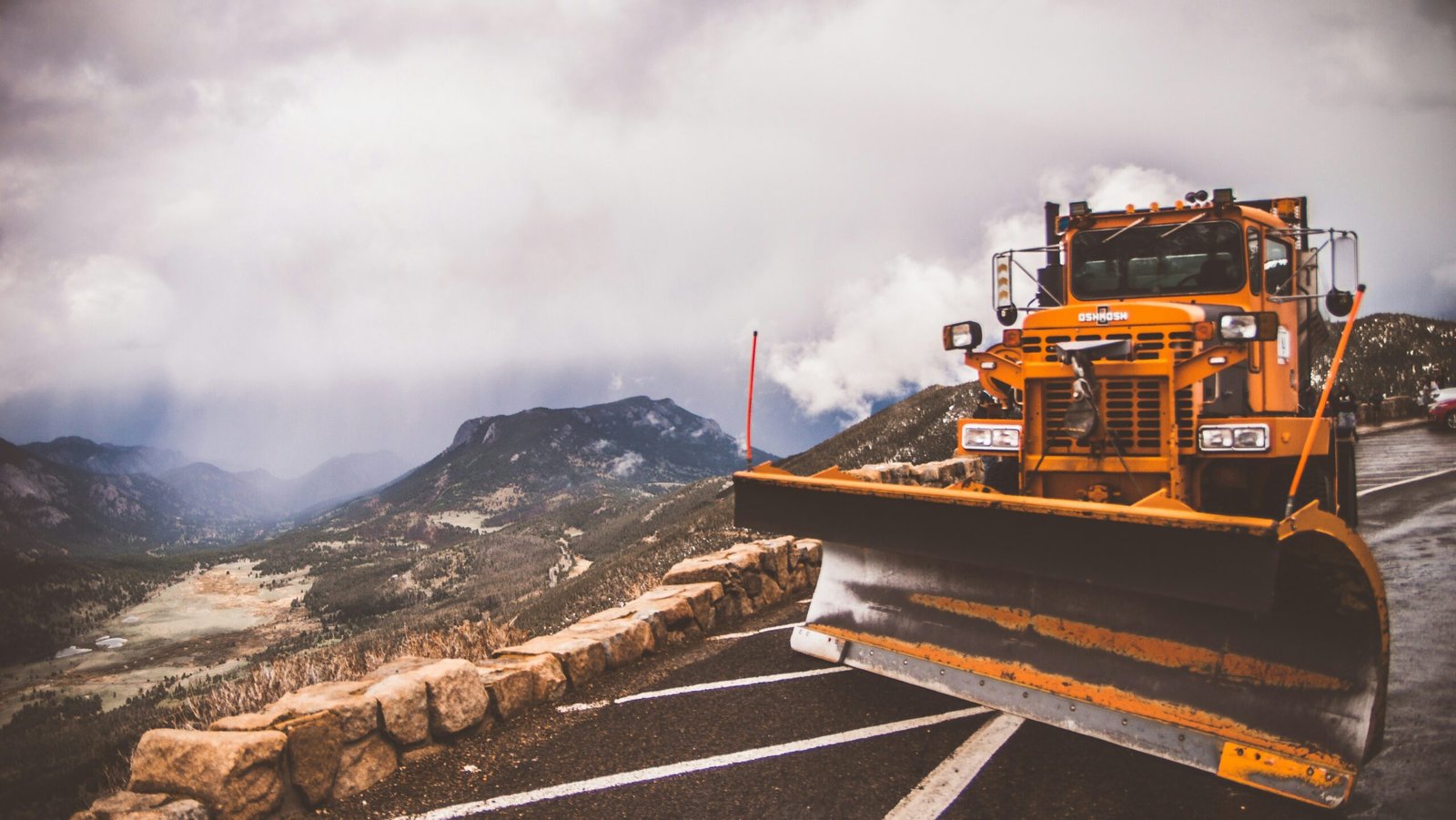
Transportation can be another aspect influenced by living at higher elevations. Snowfall in winter months can affect road conditions, impacting commutes and travel. It's essential to consider the infrastructure in place to manage such conditions, like snowplowing and maintenance services.
Evaluating your willingness and ability to adapt to these conditions can guide your decision. If you or your family requires frequent travel for work or school, ensuring alternatives such as public transportation or reliable road access becomes crucial.
Community and Cultural Aspects
The elevation and geographic positioning of Mount Shasta City contribute to its distinct community feel. Understanding how these elements shape the culture and community dynamic is key to deciding whether it’s the right fit for you.
A Sense of Community
Residing in a place like Mount Shasta City often fosters a strong sense of community centered around shared interests in the natural environment and outdoor activities. Neighbors might bond over mutual love for hiking, camping, or skiing. For those seeking such a tight-knit community atmosphere, the elevation-related lifestyle might be just what you need.
Cultural Events and Activities
The elevation also affects the range of activities one can participate in. Festivals celebrating winter sports or nature might be prevalent, offering diverse cultural experiences that complement an active lifestyle. Locals and tourists alike participate in and enjoy these events, enriching the community experience.
If community involvement and cultural fit are high on your priority list, understanding these nuances becomes central to choosing Mount Shasta City as your potential new home.
Environmental and Ecological Considerations
The elevation of a city affects more than just its climate or lifestyle. It impacts the local ecosystem significantly, from flora and fauna diversity to environmental challenges faced by the community.
Flora and Fauna Diversity
Mount Shasta's unique elevation supports specific plant and animal species. This diversity can be a boon for nature lovers and anyone interested in exploring unique ecological niches. Hiking enthusiasts, bird watchers, and naturalists may find living in Mount Shasta rewarding for different reasons, like rare plant species or unique wildlife sightings.
Environmental Challenges and Conservation
Despite the beauty and diversity, living at such an elevation comes with responsibilities. Environmental concerns such as conservation of natural resources and sustainable development practices are critical. Residents might be more engaged in environmental advocacy, contributing to preserving the natural beauty surrounding them.
If these values resonate with you, participating in local conservation efforts might add a fulfilling dimension to your life in Mount Shasta City.

Final Thoughts: Is Elevation the Deciding Factor?
In deciding to make a place like Mount Shasta City your home, elevation is one of many factors to weigh. It interplays with your lifestyle, preferences, and practical considerations, contributing to a unique living experience. Weighing the benefits against the challenges can guide you in determining if the picturesque views and enriched, active lifestyle offered by a city perched over 3,000 feet is your best fit.
Balancing personal needs with what Mount Shasta City offers involves evaluating the entire tapestry of a city that thrives on its elevation—a boon for those seeking a serene, naturally abundant lifestyle fused with a strong community spirit.