
Have you ever set out to be quietly reverent in nature and found that silence is a public performance for which you are woefully underprepared?
How I Tried to Be Quiet at Hedge Creek Falls
You tell yourself that being quiet is simple: breathe softly, move slowly, and let the waterfall do the talking. You imagine a cinematic hush — the kind where you tiptoe, receive a benediction from mist, and leave with fewer interesting anecdotes than you arrived with. Hedge Creek Falls, tucked in the shadow of Mount Shasta in Northern California, will accept your intention graciously and then promptly undermine it with trains, tourists, and your own clumsy reverence.
Where Hedge Creek Falls Is and How to Get There
You will find Hedge Creek Falls near the town of Dunsmuir, along Interstate 5, in Shasta County. It’s the sort of roadside treasure that rewards anyone who can resist the urge to tap their GPS and instead follow signs to a small parking area and a short, well-marked trail. From the parking area you proceed down a brief pathway that soon reveals a curtain of water and the possibility of walking behind that curtain — a rare treat that feels like a secret handshake between you and the mountain.
Getting there is straightforward:
- From the south (Redding), take I-5 north to the Dunsmuir exit and follow local signage.
- From the north (Mount Shasta City), take I-5 south and look for the same Dunsmuir exit.
- Ample travelers use it as a quick stop on longer trips along the I-5 corridor — which means you will often be competing with RVs, retirees on scenic circuits, and people who think a waterfall is best captured by balancing on a railing.
Quick facts at a glance
You appreciate quick facts, because they make you feel prepared and slightly superior.
| Item | Details |
|---|---|
| Location | Hedge Creek Falls, Dunsmuir, Shasta County, near Mount Shasta, CA |
| Trail length | Short loop — typically under 0.5 miles round trip (approximate) |
| Accessibility | Short paved sections, steps; parts are accessible but surfaces may be wet and slippery |
| Feature | Walk-behind waterfall; viewing platforms; proximity to railroad and I-5 |
| Best time to visit | Spring for higher flows; early morning on weekdays for quiet |
| Fees | Free; parking limited |
This image is property of images.unsplash.com.
What the Falls Look and Feel Like
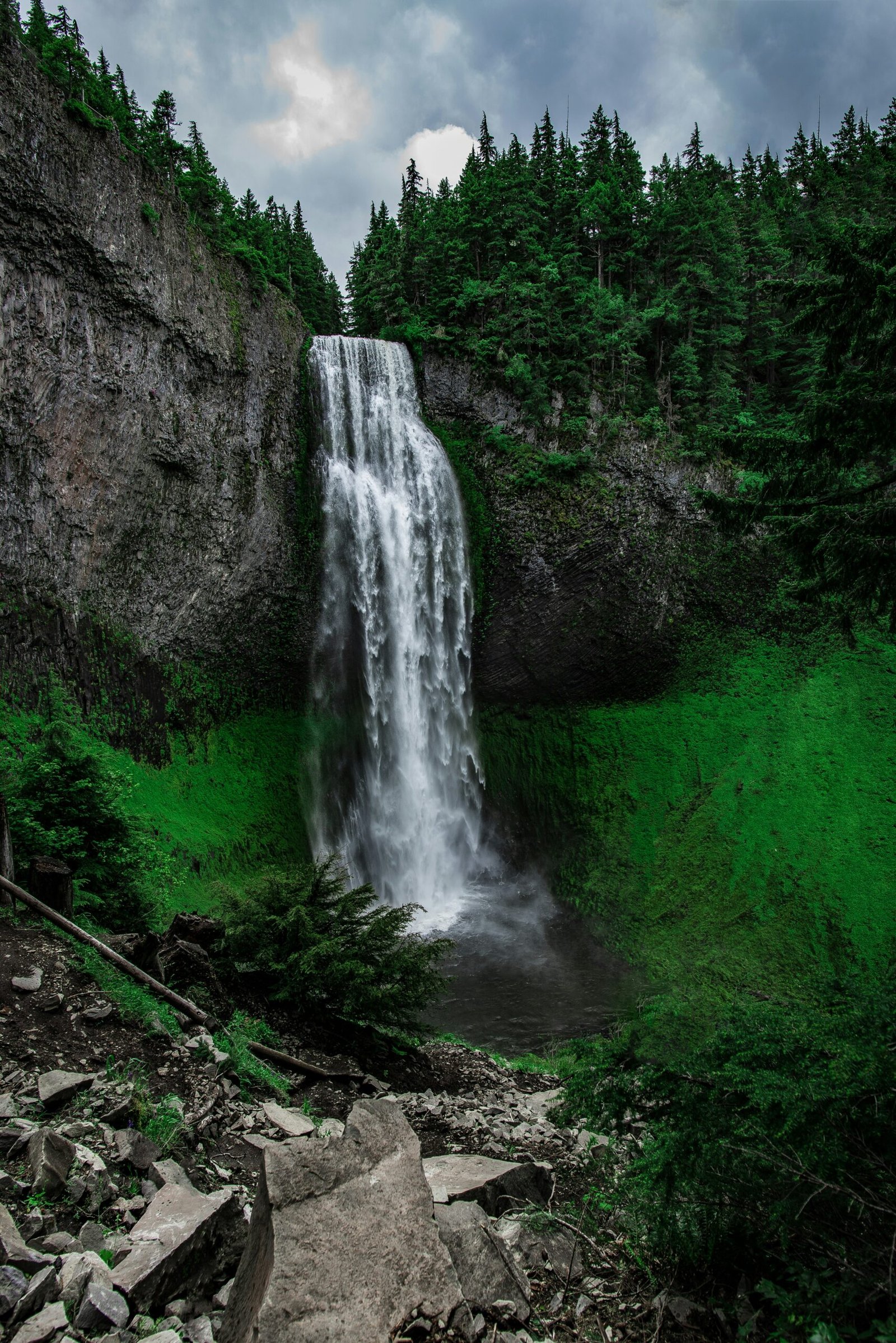
You see a narrow cascade that tumbles over an old volcanic outcrop, spilling into a ravine lined with moss and ferns. It is not Niagara; it doesn’t need to be. You can watch it closely, from under the water's arch if you are willing to get a little damp, and feel the air change — cooler, wetter, more honest.
Walking behind the falls feels theatrical without the actual theater: the rock forms a shallow alcove and the water creates a curtain. If you time it right, you can stand in near-darkness and watch droplets fracture the light. It’s a private moment that nature offers to the public, which means it’s typically shared with at least one person who is very bad at being quiet.
Geology and Natural History
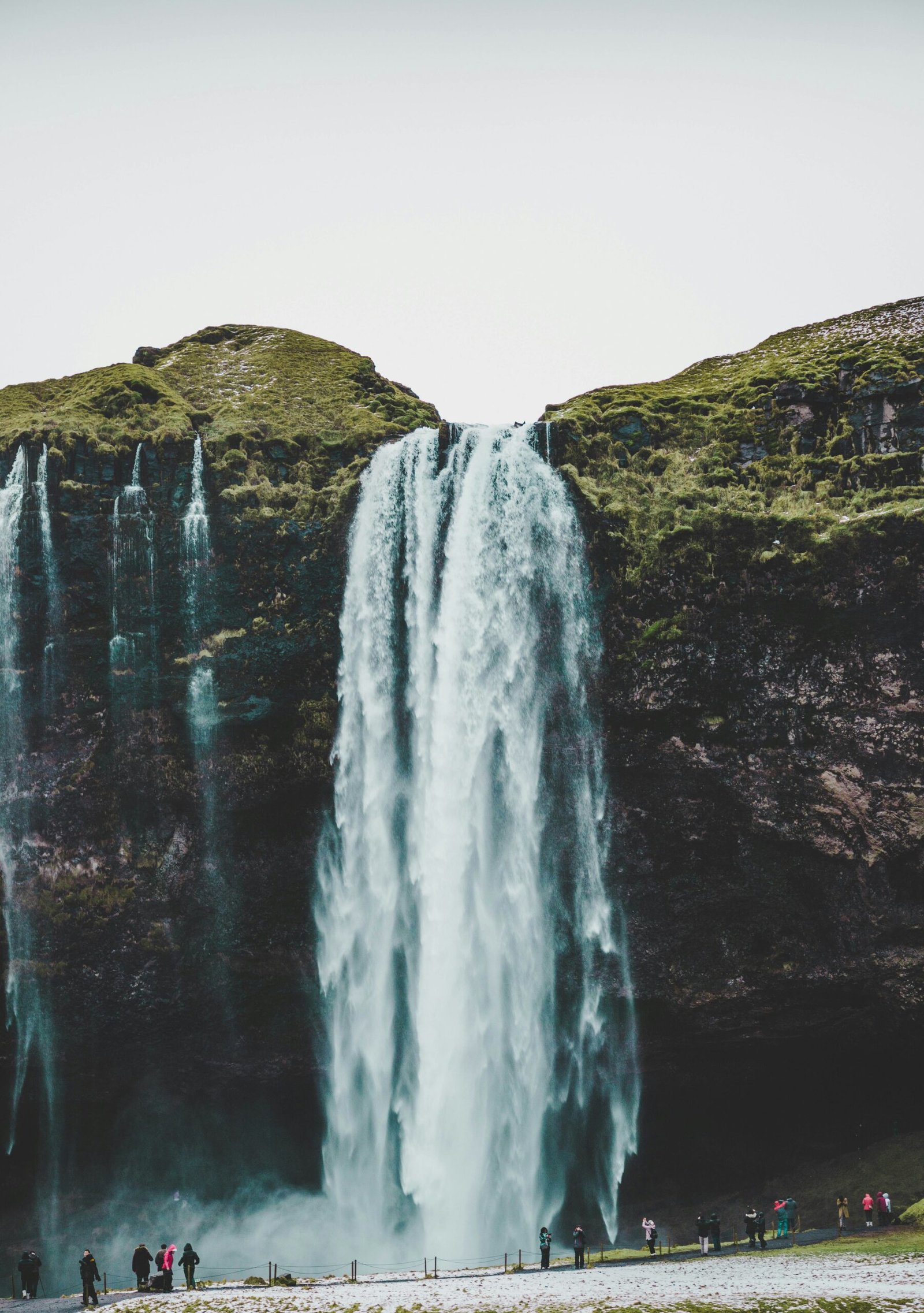
You might not think about geology as poetry, but Hedge Creek Falls is a staccato verse written by Mount Shasta’s volcanic history. The rock you stand on is basalt and other volcanic deposits formed over millennia of eruptions and slow cooling. Hedge Creek itself has carved a path through these ancient flows, finding weaknesses, and creating the small but photogenic drop you came to see.
Water shaping rock is not glamorous; it is stubborn and patient. Over thousands of years, water exploited fractures, eroding softer material and leaving the harder layers to form an overhang. That overhang is what allows you to walk behind the curtain and feel, briefly, like you are inside a living postcard.
This image is property of images.unsplash.com.
Flora and Fauna You Might Notice
You will see a small but convivial community of plants: ferns clinging to damp niches, mosses that act like nature’s felt pads, and conifers and hardwoods that frame the ravine. The area around Dunsmuir and Mount Shasta supports a mix of Douglas fir, pine, cedar, and oak at lower elevations — a palette that quietly insists on being picturesque without any help from you.
Birds flit through the canopy — kinglets, juncos, and possibly the occasional woodpecker. If you time your visit to coincide with seasonal movements, you may hear the distant rush of the Sacramento River and the chatter of water-loving wildlife. You may also encounter small mammals or the footprints of a raccoon; the area is not remote, but it is alive. Your goal of silence is partly to honor these lives, but partly because you want to hear the waterfall and not your own voice.
Practical Visitor Information
You like to know logistics before romance; it helps you pack the right shoes and prevents you from looking like a badly prepared extra in a nature documentary.
| Topic | Details & Tips |
|---|---|
| Parking | Small lot near trailhead; can fill up during peak times |
| Trail surface | Paved and dirt sections; stairs present |
| Accessibility | Reasonably accessible but be cautious: wet surfaces and steps |
| Restrooms | Limited; nearby facilities may be available in Dunsmuir |
| Pets | Dogs on leash usually allowed, but keep them under control due to cliffs and trains |
| Fees | No entrance fee |
| Cell service | Spotty in places; good to have offline map or directions |
| Seasonal hazards | Ice in winter, higher flows in spring, heat in summer |
This image is property of images.unsplash.com.
Being Quiet: Why You Might Want To
You think silence is a reasonable request: to let water have its monologue and to listen to the natural soundscape. There are gentler reasons too: you like to meditate, to record audio without traffic hiss, to take a photograph not ruined by someone loudly describing the best angle, or simply to practice humility.
You also know that silence is a social contract. It implies respect for other visitors, for wildlife, and for the place itself. Quietness in a public outdoor space is a cooperative endeavor — and therefore vulnerable to failure at the hands of the loudest person who has ever owned a selfie stick.
How You Tried to Be Quiet: A Personal Account
You arrive with the best intentions: soft shoes, breath controlled like a monk, a camera that you have learned to operate with a furtive touch. Your goal is simple: stand behind the falls, listen, and leave without adding a single unnecessary sound to the ravine.
At first, you succeed. You step lightly, feeling the path beneath your feet, and slip under the overhang. The sound of the waterfall swells and becomes tactile — a kind of salty thrum that presses on your ribs. You close your eyes because your inner narrator keeps saying things like “Isn’t nature wonderful?” and you want to punish it.
You hold still. You are a statue of reverence until you are not. It happens in three acts, like any good mini-tragedy.
Act One: The Sneeze. You think you can predict your body. You are wrong. A speck of something — someone’s picnic crumb, a pollen demon, the ghost of a peppercorn — finds its way into your nose. Your body does the unthinkable: it stages a full-body convulsion that is not at all quiet. Because you are behind a curtain of water, it echoes, and because you are certain every other person in the valley must hate you for it, you whisper an apology to the rock.
Act Two: The Train. There is always a train. Dunsmuir is threaded with rail lines, and trains are noisy in the charming way of a giant creature trying to make small talk. As you are trying to calibrate your breathing back to something resembling calm, a freight or passenger train — sometimes both — identifies its presence with a long, melancholy horn. It reverberates through the canyon like a mechanical lament, and you suddenly feel unoriginal for trying to be quiet in a place where the earth itself occasionally schedules loud interruptions.
Act Three: The Group. A family arrives. They are earnest, loud in the manner of excitable humans, and their leader has a voice like a megaphone trying to be friendly. They step behind the falls and assume the roles of auditioning actors. One member insists on reading the entire text of a very bad poem into the mist, and another is committed to capturing a photo of Grandpa doing a triumphant pose that involves raising both arms and making a face reserved for sports announcers.
You try to maintain an interior composedness. You swallow your mortality, breathe more carefully, and attempt to recalibrate your posture into something that says “I am one with the canyon.” This goes well until you drop your camera strap into the water. The strap makes a sound like a fish flopping in slow motion. There is no recovery. You emerge from the cave-like overhang slightly damp, etiolated in self-regard, and with the knowledge that silence was never truly the point — it was a personal experiment that the canyon and its occupants refused to respect.
Yet something else happens: despite the sneeze, the train, the poem, and the dropped strap, you notice small details that have nothing to do with your performance. A patch of sunlight through the ferns looks like someone took a photograph and forgot to delete it. Drops on the rock refract like tiny, cheap glass ornaments. A bird lands, unperturbed by human clumsiness, and sings a single, perfect note. You realize that your attempt at silence was not about achieving an absolute state; it was about trying, awkwardly, to be present — and being present is a noisy business. The world accommodates you with grudging beauty, and you go home with a story.
Tips to Actually Be Quiet (Do’s and Don’ts)
You are pragmatic: you want tools, not platitudes. Here are practical ways to improve the odds that your attempt at quiet will meet with success.
Do:
- Visit early on weekdays to avoid crowds.
- Wear soft-soled shoes and tread carefully to reduce clacking and slipping.
- Turn phone ringtones to vibrate and reduce screen brightness to avoid the temptation of public commentary.
- Speak in whispers and agree on a hand signal system with companions.
- Use a small cloth camera strap to avoid metallic clangs, or secure gear to your person.
- Keep pets leashed and under control; they are often louder than people.
Don’t:
- Assume quiet is contagious; it’s not. You will still be responsible for your own decibel level.
- Shout across the canyon to people in order to be helpful.
- Try to herd other visitors into silence; you are not the keeper of hush.
- Use flash photography if others are seeking a subdued experience.
- Leave anything behind that crunches, rustles, or otherwise argues audibly with the waterfall.
Photography and Instagram Reality
You probably imagined a set of photos that would quietly stare back at you from your social feeds, full of tasteful filters and the hint of a narrative arc. Reality is different: lighting in a ravine is tricky, and people, trains, and gusts of wind conspire to make perfect framing elusive.
Tips for better photos:
- Use a neutral density filter if you want that silky-water look; bring a tripod or steady surface to avoid shake during long exposures.
- Golden hour lighting produces dramatic contrast, but you might sacrifice quiet to get it because more people visit at those times.
- Include context: a shot that frames Mount Shasta in the background (when visible) gives scale and tells a fuller story.
- Take candid, unafraid frames of the scene as it is — people included — because authenticity often beats aesthetic sterility.
Remember the paradox: sometimes your best photo is the imperfect one that captures sound and motion without actually recording audio.
Weather and Seasonal Considerations
You will despise weather that you haven’t planned for. Hedge Creek Falls behaves like a barometer of seasons: it is delicate and loud depending on the amount of snowmelt and rain.
- Spring: Higher flows, more dramatic water, potential for wet feet. Ideal for dynamic photos and the soundscape you came to hear.
- Summer: Lower flows, warmer weather, popular with day-trippers. Expect more people and fewer theatrical splashes.
- Fall: Cooler air, crisp light, chance of colorful leaves depending on the year.
- Winter: Possibility of ice on the trail and a dramatic, icicle-laced scene. Exercise caution; surfaces can be treacherous.
A final meteorological note: storms can transform the area quickly. If the creek swells, stay away from the base of the falls and follow posted safety guidelines.
Safety and Conservation
You want to be quiet and you want to come back. They are not mutually exclusive.
- Stay on marked trails; erosion and fragile microhabitats are real concerns.
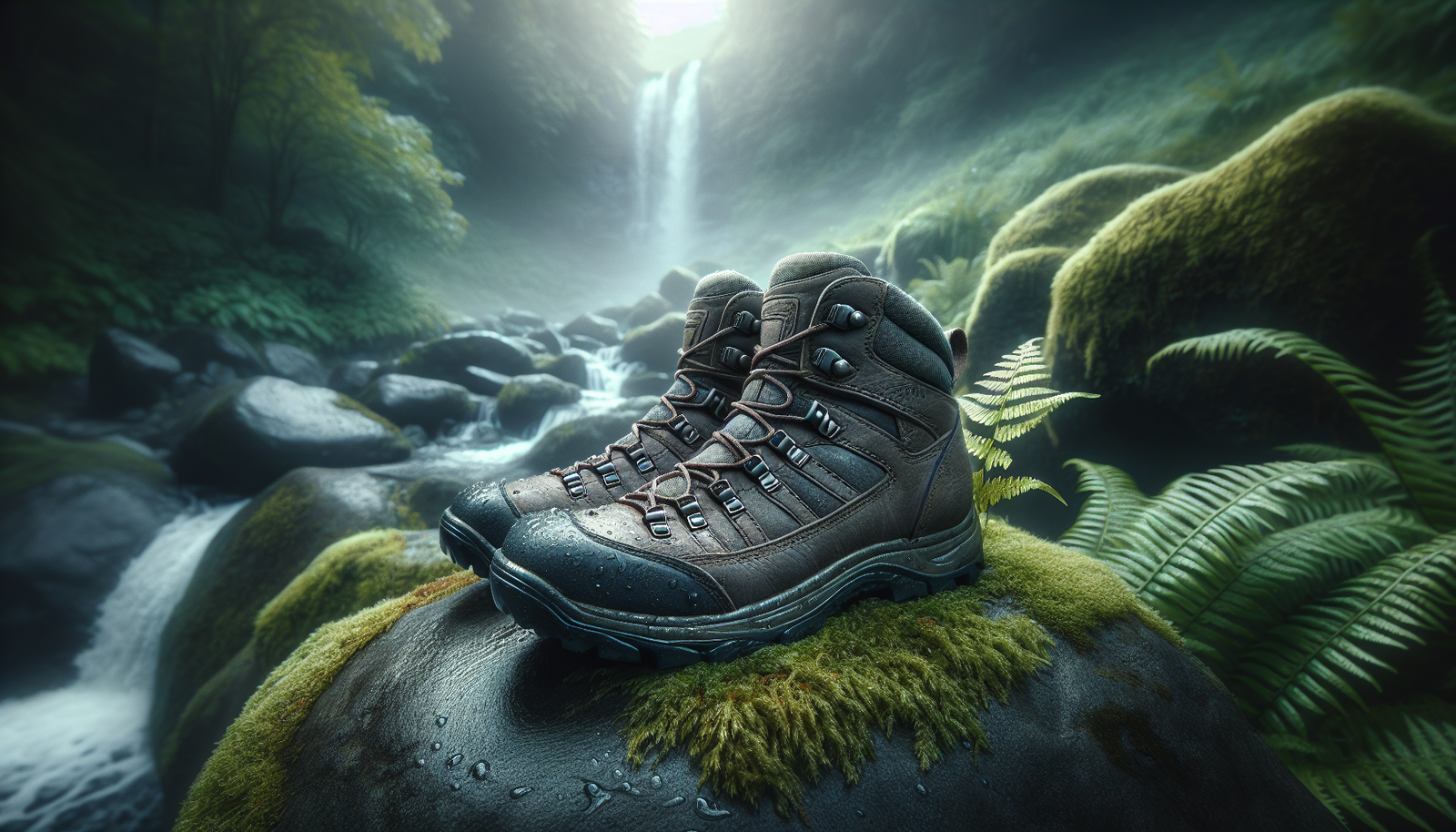
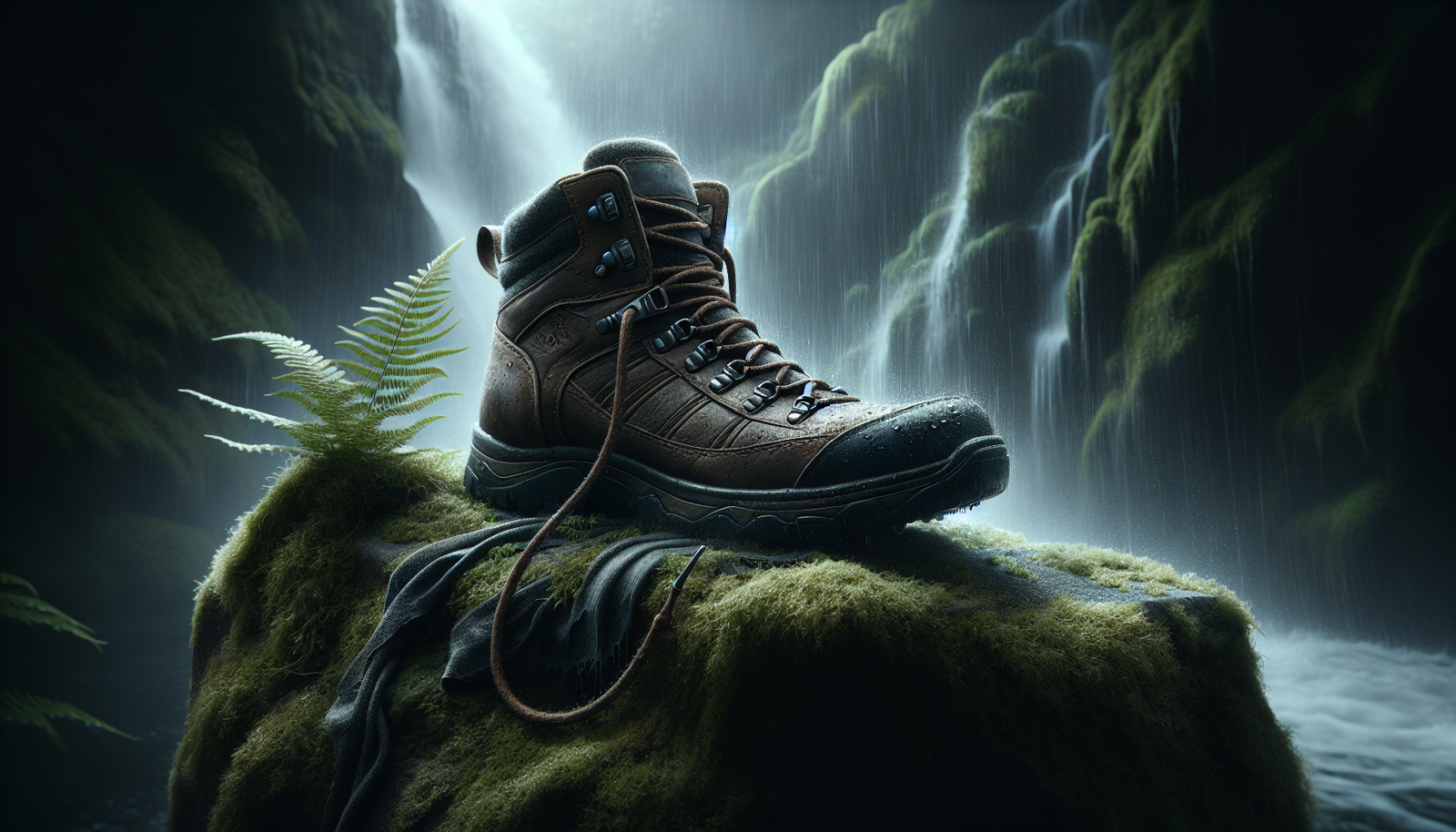
- Walking behind a waterfall can be slippery — wear appropriate footwear and be mindful of boots with good traction.
- Keep an eye on children and pets near cliff edges.
- Respect wildlife by observing at a distance and avoiding feeding.
- Pack out what you pack in: wrappers, coffee cups, and the existential remnants of your picnic do not biodegrade into good manners.
Conservation is not dramatic, but it matters. Your choice to be quiet often correlates with your choice to be careful.
Nearby Attractions and How to Make a Day of It
You’re already by Mount Shasta, which tempts you with its summit fantasies and hundreds of hiking trails. Hedge Creek Falls can be a contemplative stop on a longer day of outdoorsy decisions.
Nearby options:
- Dunsmuir itself: a small town with historic charm, local eateries, and train-watching opportunities.
- Sacramento River: offers fishing, rafting, and scenic riverbanks.
- Castle Crags State Park: dramatic granite spires and hiking.
- Mount Shasta: for more ambitious climbing, spiritual reflection, or protracted weather considerations.
Combine activities thoughtfully: if you plan a strenuous hike or climb later in the day, Hedge Creek Falls makes for a gentle warm-up or a cool-down. If you want to keep the mood quiet, aim for single-activity days instead of trying to be silent through an epic itinerary.
What You’ll Remember (Even If You Fail at Silence)
You will leave with a small dossier of memories: the precise way the mist hung in the air, the sound of a train that momentarily rendered the waterfall politically irrelevant, and the image of a kid daring the water like it is a negotiation. You might not leave in perfect silence, but you will leave with an appreciation for the attempt.
You will also remember the little human failures: the sneeze, the dropped strap, the narrator within you who insists on commentary. These are the tender humiliations that make outdoor experiences human rather than curated. Part of being a good visitor is accepting that your presence will be noisy sometimes, but not to make noise an excuse for carelessness.
Final Thoughts and a Little Humility
You came to Hedge Creek Falls wanting to be quiet and discovered that quietness is not a static achievement but a series of kindly attempts. You tried and failed and learned something: that being quiet is less about muffling sound and more about tuning your attention. The falls will not notice your performance, nor will the mountain correct your etiquette. The more important measure is whether you left it better than you found it — cleaner, more respected, less dented by your footsteps.
In the end, the canyon makes the rules, and they are simple: be kind, be careful, be present. Your attempts at silence are a small, lovely rebellion against the habitual noise of life — worth trying, worth laughing at, and worth doing again.