
Have you ever walked along a river and felt like the water was listening to secrets you hadn’t decided to tell anyone else?
You will find that the McCloud River Loop invites a small, private confession from everyone who walks it. The air seems to encourage honesty: it’s cold enough to wake you up and quiet enough to make even the most ridiculous thoughts feel important. If you come with practical questions, a desire for beauty, or a secret you promised yourself you’d never breathe aloud, this is the place where all of that tends to come out.
This image is property of images.unsplash.com.
What is the McCloud River Loop?
You should understand the McCloud River Loop as both a literal and an emotional circuit. Literally, it’s a hiking route that threads through the McCloud River canyon near the town of McCloud, just east of Mount Shasta in Northern California. Emotionally, it tends to loop back to the same few themes for most people: humility, wonder, and the sudden urge to eat something you packed but now consider gourmet.
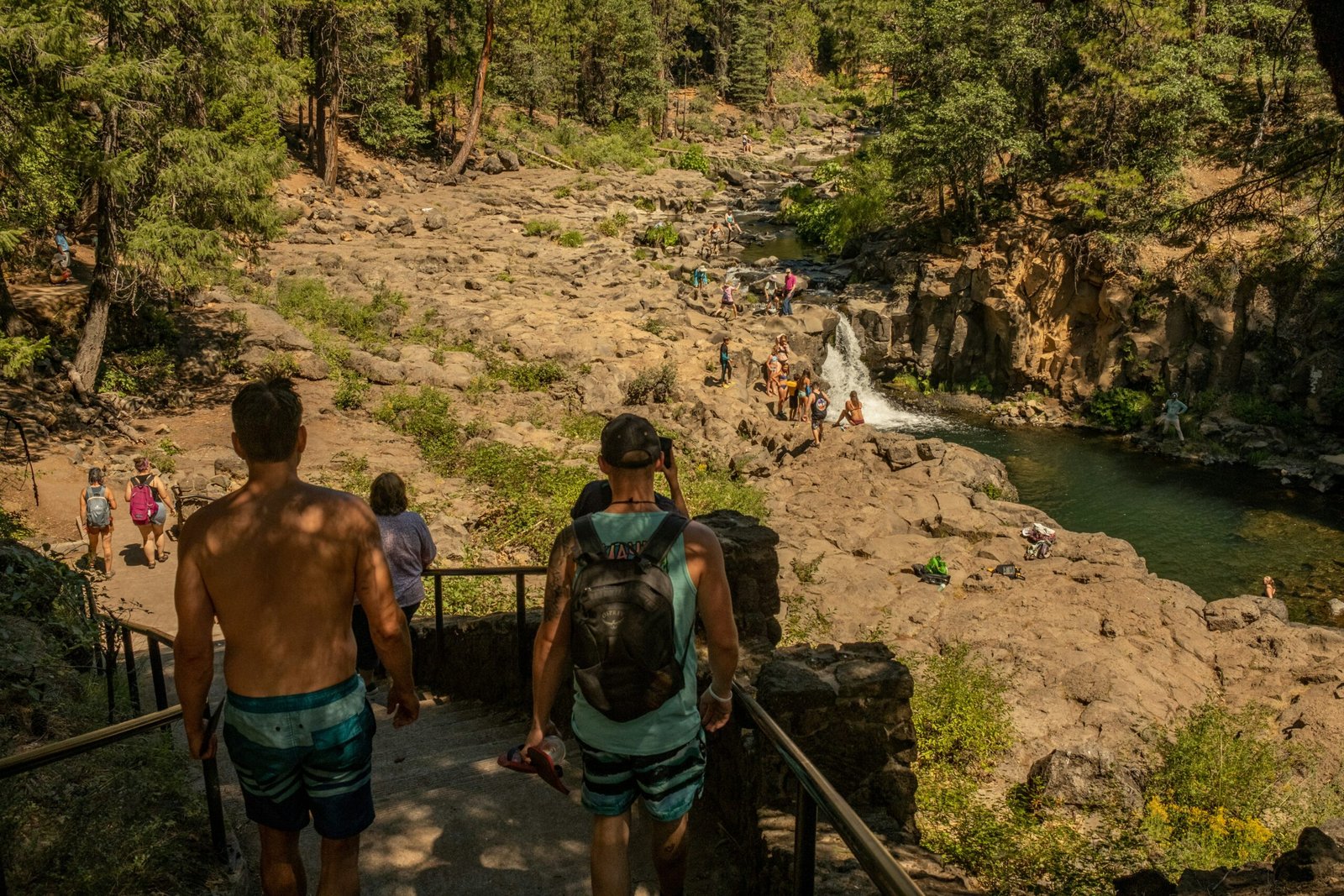
The loop embraces the river’s famous waterfalls—Upper, Middle, and Lower Falls—and provides a range of scenery from basalt cliffs to cedar-shaded pools. It’s refreshing in multiple senses; it will make your lungs work and your cheeks cold.
Where exactly is the loop?
You’ll find it in Siskiyou County, within reach of Mount Shasta’s volcanic silhouette. The small town of McCloud sits nearby and acts as a sensible basecamp. From Mount Shasta city it’s a reasonable drive, but the river feels a world away the moment you leave the highway.
It’s useful to bring a paper map or a charged GPS device because cell service can be patchy. You will be grateful for anything that keeps you on the path and off a rocky ledge where you’re pretending you meant to be for dramatic effect.
Geographic overview and landscape
You will notice the landscape is a study in contrasts: black volcanic rock beside clear, cold water; dense conifer forest opening to sunlit granite slabs. Mount Shasta’s presence is often a silent, distant thing—more like a memory or a promise than an up-close feature of the loop.
The McCloud River has a geologic backstory that reads like a novel: lava flows, glacial action, and river erosion have sculpted the canyon and created the stepped falls that are the loop’s showpieces. The river’s relentless work is visible in the ridges and pools that make suitable places to sit and quietly admit you bought trail mix in bulk.
Best time to go
You will find each season offers something special. Spring brings high flows and impressive waterfall volume, summer gives warm days and relatively easy traipsing, fall supplies a riot of color and cooler hikes, and winter delivers a magic of snow and ice but requires extra caution.
If you want the full roar of the falls, aim for spring and early summer when snowmelt feeds the river. If you prefer quieter trails and postcard-perfect light, late summer or early fall will serve you well. Winter can be intimate and beautiful, but you must be ready for slippery conditions and less predictable access.
Getting there and parking
When you drive toward the McCloud area, you will end up on smaller roads that are well maintained in summer but can be tricky after storms. Look for signs to McCloud River Falls or McCloud River Park. The town of McCloud is small and helpful if you need directions, coffee, or a map that smells faintly of old paper and optimism.
Parking is generally available at trailheads near each of the falls and at the visitor access points, but spaces can fill up on peak weekends. Bring coins or a credit card for any small local fees, and always read posted signs—they’re less enthusiastic than you but much better at governing behavior.
Table: Parking and access basics
| Location | Typical Parking | Notes |
|---|---|---|
| Lower Falls/Visitor Area | Small lot near trail | Often busiest; short walk to viewpoint |
| Middle Falls | Street parking and small pullouts | Closer to picnic areas |
| Upper Falls | Smaller turnout | More secluded; some uneven footing |
| Town of McCloud | Public lots | Good base if lots are full; cafes and supplies nearby |
This image is property of images.unsplash.com.
Trail description: segments and experience
You will appreciate a segment-by-segment breakdown because it saves you from the embarrassment of thinking every mile is the last mile. The loop can be arranged to start at any falls, but most people begin at the most accessible parking and work their way around.
Table: Typical loop segments (approximate)
| Segment | Approx. Distance | Terrain | Estimated Time |
|---|---|---|---|
| Visitor Area to Lower Falls viewpoint | 0.2–0.5 miles | Paved/unpaved, easy | 10–20 min |
| Lower to Middle Falls | 1.0–1.5 miles | Gentle incline, forest trail | 20–40 min |
| Middle Falls to Upper Falls | 1.5–2.0 miles | Rocky sections, occasional steps | 30–60 min |
| Upper Falls back to Visitor Area (loop return) | 2.0–3.0 miles | Mixed terrain, gradual descent | 40–80 min |
Distances are approximate and subject to change due to trail reroutes. You will want to account for stopping to look at things, taking photographs, or confessing to the river.
Lower Falls
You will reach Lower Falls with minimal effort from the visitor area, and that’s part of its charm. It offers broad views and is great for first-time visitors who are not yet committed to the entire loop.
The falls leap gorgeously over basalt ledges into turquoise pools that make you momentarily wonder if you should start speaking in metaphors more often. There are often viewing platforms and interpretive signs.
Middle Falls
You will find that the Middle Falls have a quieter personality. They’re framed by thick trees and little rock gardens that suggest someone once practiced arranging stones here and achieved satisfying balance.
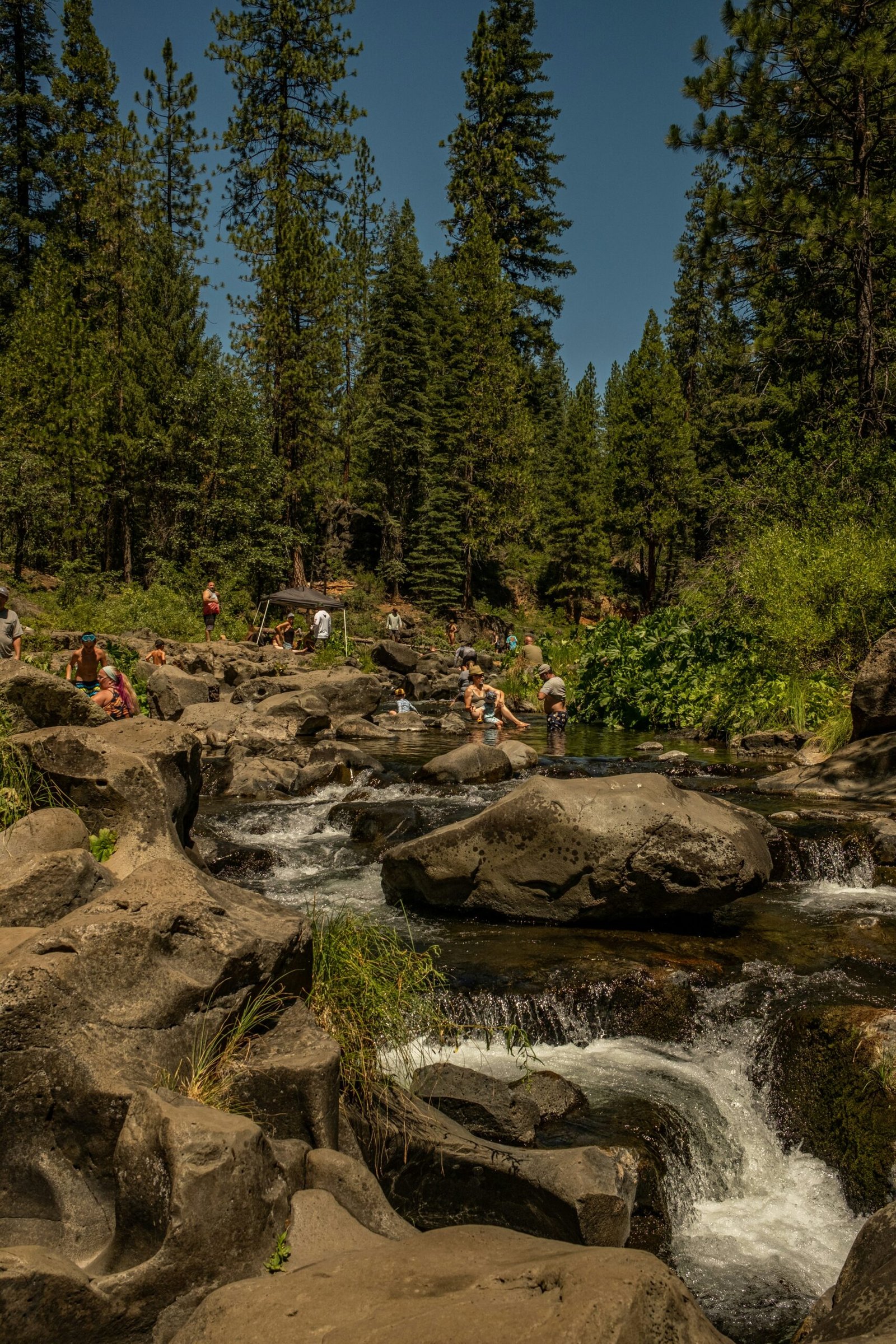
This section is pleasant for picnics and has spots where you can sit close enough to feel the spray without actually admitting how cold it is. If you listen closely you might hear a guidebook’s footnotes rustle.
Upper Falls
You will sense the wildness increasing as you approach Upper Falls. The canyon narrows, water tumbles more aggressively, and the trail becomes a little more intimate with the landscape.
Upper Falls offers dramatic viewpoints and often fewer people. It’s the place where strangers tend to lower their voices and where you’re more likely to confess something you planned to keep to yourself.
Trail conditions and difficulty
You will not mistake this for a high-alpine scramble, but the loop will test you enough to justify everything you packed. Expect roots, rocks, occasional slick patches, and modest elevation change.
Bring good footwear with grip and ankle support if you’re prone to feeling betrayed by flat surfaces. If the river is high, some paths near the banks may be wet or temporarily closed. Use caution and follow signage.
This image is property of images.unsplash.com.
What you’ll see: flora, fauna, and geology
You will see trees that look like they have full careers in silent stoicism—Douglas firs, incense cedars, and ponderosa pines. Shrubs and wildflowers edge the sunlight gaps, and in spring you’ll be rewarded with a riot of lupine and monkeyflower where sun touches water.
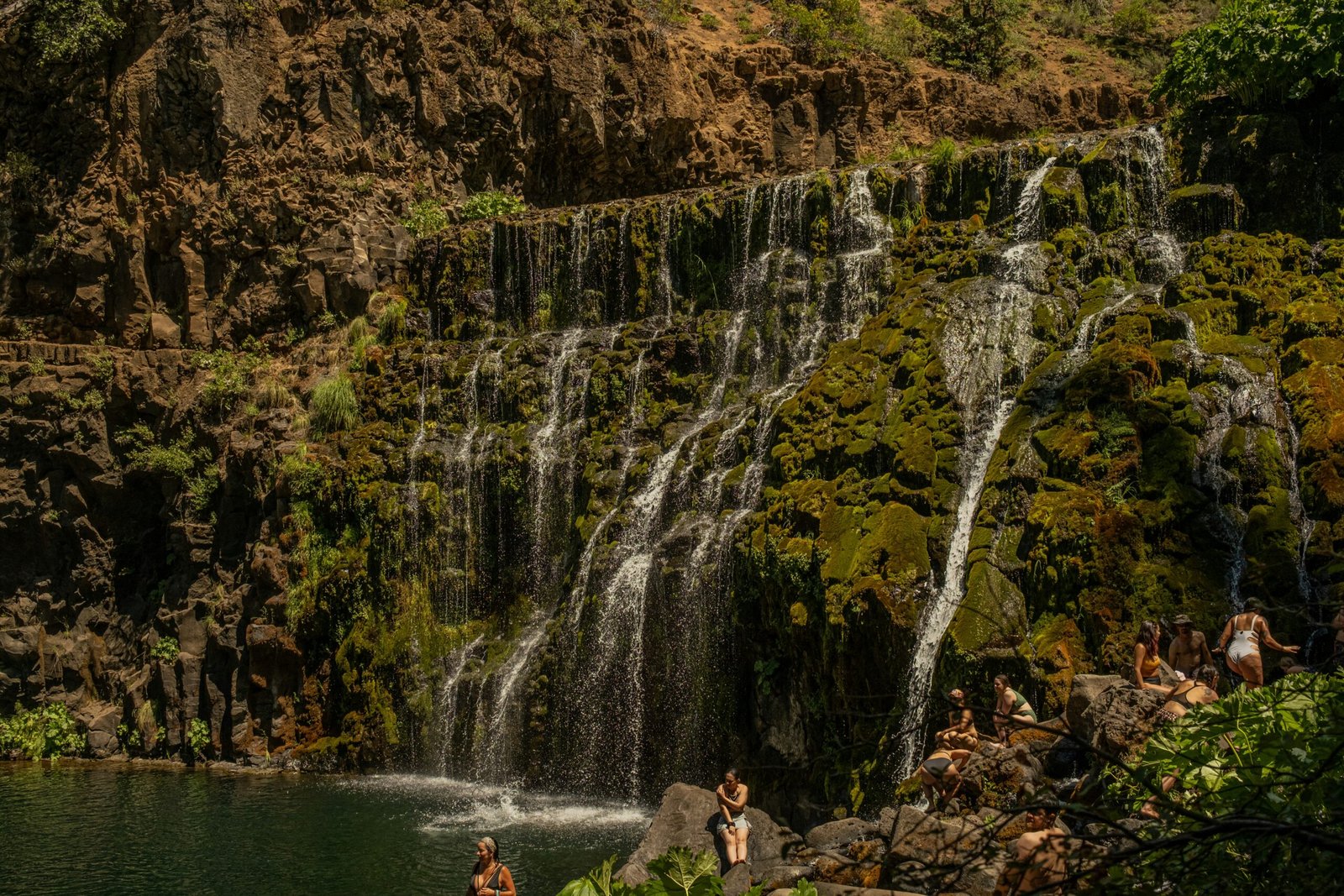
Geologically, you will get to see basalt flows and volcanic rock that speak to Mount Shasta’s long volcanic history. The river has carved ledges and pools that make excellent photo opportunities and excellent private moments of awe.
Table: Wildlife highlights and tips
| Animal | Likelihood of sighting | Notes & etiquette |
|---|---|---|
| Black bear | Low to moderate | Make noise, store food securely, don’t approach |
| Deer (mule/black-tailed) | Moderate | Often seen at dawn/dusk |
| Birds (kingfisher, stellar’s jay, warblers) | High | Binoculars are rewarding |
| Trout | Moderate | Observed in clear pools; fishing requires license |
| Raccoons/small mammals | Moderate | Nighttime visitors to campsites—secure food |
You will find that wildlife acts much like actors who learned their cues from nature. They’re not stage crew; they’re doing their own thing. Give them space.
Safety and practical tips
You will be safer and more confident if you treat the river and the trail with a healthy respect. Riverbanks can be deceptively soft; old lava rock can be sharper than your sense of humor; and weather can change faster than you can invent a reason to postpone your hike.
Keep your phone charged, tell someone your plan and expected return time, and carry a basic first aid kit. If you bring children, watch them closely near water and rocky ledges. If you bring a dog, keep it on a leash and be mindful of wildlife.
Table: Safety checklist
| Item | Why it matters |
|---|---|
| Fully charged phone + portable battery | For emergencies and navigation |
| Whistle | Attracts attention if needed |
| Map and compass/GPS | Cell service can be unreliable |
| First aid kit | For blisters, cuts, or sprains |
| Waterproof layers | Weather can be unpredictable |
| Water filter or purification tablets | River water may look pure but isn’t guaranteed safe |
| Bear canister or food storage bag | Keeps wildlife and you safe |

Leave No Trace and regulations
You will be asked, mostly by signs and sometimes by people who look like they have a very strong opinion about litter, to pack out what you pack in. Leave No Trace principles are not a moral suggestion but a practical way to ensure everyone else gets to enjoy this place like you do—preferably without your wrappers.
Common rules you should follow: pack out trash, don't remove rocks or plants, keep dogs under control, and follow any posted restrictions on camping or fires. If you are unsure about a rule, assume the stricter behavior is the correct one.
Gear and packing list
You will feel safer knowing that your pack contains thoughtful bits of equipment. Below is a table to help you assemble one that won’t weigh you down but will keep your confidence intact.
Table: Suggested gear
| Category | Essentials | Optional but recommended |
|---|---|---|
| Clothing | Moisture-wicking base layer, insulating mid-layer, waterproof jacket | Lightweight gloves, hat |
| Footwear | Sturdy hiking shoes or boots | Gaiters for muddy seasons |
| Navigation | Map, compass, GPS | Trail app with offline maps |
| Hydration/food | 2+ liters water, snacks | Electrolyte mixes, sandwich |
| Safety | First aid kit, whistle, headlamp | Multi-tool, emergency blanket |
| Photography | Waterproof case, spare battery | Tripod, ND filter |
| Misc | Sunscreen, insect repellent, biodegradable soap | Binoculars, journal |
You will also appreciate small luxuries: a proper thermos for coffee, a packable seat pad, or a snack that feels novelist-worthy—cheese and fruit, not the granola bar you will secretly love.

Photography and composition tips
You will probably want to record the scenery, but you’ll be glad if you let the place exist without constant framing. When you do shoot, consider long exposures at the falls for silky water effects, and bring a polarizing filter to reduce glare and saturate the river’s colors.
Try low angles to emphasize foreground textures like pebbles and moss, and don’t forget vertical shots for the falls. Golden hour light—early morning or late afternoon—makes everything more flattering than you thought nature could be.
Seasonal variations—what to expect month-by-month
You will find that month makes a difference in what the trail feels like. Here’s a practical summary to help you choose the moment that matches your temperament.
Table: Seasonal snapshot by month
| Month(s) | Conditions | What to pack |
|---|---|---|
| March–May | High flows, spring blooms, muddy trails | Waterproof boots, umbrella, warm layers |
| June–August | Warm days, lower flows, busy trails | Sun hat, sunscreen, plenty of water |
| September–October | Cooler, fall colors, moderate flows | Insulating layers, camera for colors |
| November–February | Snow/ice possible, quieter trails | Traction devices, insulated layers, check closures |
You will want to check local reports before going in winter: access can change and the trail can become more intimate in unexpected, slippery ways.
Itineraries and pacing suggestions
You will find your day shaped by how much honesty you want to feel afterward. Some people prefer a brisk, focused loop; others want to sit for hours near a pool and decide whether they are the sort of person who writes poems.
Table: Sample itineraries
| Type | Plan | Time |
|---|---|---|
| Quick look | Start at visitor area, Lower Falls viewpoint, short walk along river | 30–60 min |
| Classic loop | Visitor area → Lower → Middle → Upper → return | 2–4 hours |
| Leisure day | Bring a picnic, linger at 1–2 spots, swim if conditions allow | 4–6+ hours |
| Overnight | Camp nearby, early sunrise to the river | Full weekend |
You will do best by letting your plan be practical yet generous with time for sitting, considering, and regretting the idea of not packing better snacks.
Where to stay and eat
You will find lodging options in the town of McCloud and in Mount Shasta if you prefer more amenities. McCloud has charming local establishments—small inns, cabins, and campgrounds—that are perfect for sunset-thinking.
Table: Nearby amenities
| Town/Area | Options | Distance to trail |
|---|---|---|
| McCloud | Inns, cabins, small markets | Very close |
| Mount Shasta City | Hotels, restaurants, outdoor stores | 20–30 minutes by car |
| State park/campgrounds | Tent sites, picnic areas | Varies; seasonal availability |
You will enjoy local bakeries and diners in town; they serve coffee the way people serve apologies—warm and earnestly.
Fishing, swimming, and river etiquette
You will see people fishing in the river; it has a reputation for trout and historically had salmon runs. If you plan to fish, obtain the appropriate California fishing license and follow local regulations.
Swimming is appealing but the water is cold and currents can be stronger than they appear; wading in shallow areas is safer than leaps into unknown pools. Always assess water conditions and resist the urge to perform dramatic gestures unless you have a life jacket and a supportive audience.
Confessions on the McCloud River Loop
You will find confessions are part of the loop’s supply closet—an informal, communal offering. If you listen, people admit small things: the time they pretended to be a naturalist, the moment they cried for no reason and attributed it to pollen. Since you asked for confessions, here are the kinds you might witness—or experience—yourself.
-
You will confess that you came for the waterfalls but stayed for the sound. That rhythmic clatter of water over rock becomes background music to introspective thoughts, and before you know it, you’re making up a life story you didn’t live.
-
You will confess that you once told someone you hiked five miles when it was two and you looped again because shame is its own calorie source. You told the story with a straight face and a granola bar as a prop, and the person nodded like they believed you, which was enough.
-
You will confess that you speak to birds and expect them to answer, mostly because their stares suggest they judge your fashion choices less severely than strangers at the supermarket.
-
You will confess that you considered stealing a small, perfect pebble and then returned it because it looked like the kind of pebble that would be terribly offended at being relocated to your kitchen windowsill.
-
You will confess that you cried when you first saw Upper Falls not because it was beautiful—which it is—but because you suddenly had to decide whether your life could justify the expense of a nicer jacket.
-
You will confess that you have argued silently with the river about how brave you are, only to duck behind a tree when a gust of spray reminded you you were a mild-mannered human after all.
These confessions are the loop’s secret side-effect. You’ll leave with a few fewer secrets and a few more thoughts about whether you should learn to identify wildflowers by name or by personality.
Responsible behavior and cultural respect
You will want to respect not only the land but the community that cares for it. The McCloud area has a history that involves indigenous peoples, settlers, and generations who have used and loved this river. Treat local signs, stories, and people with courtesy and curiosity rather than entitlement.
If you see cultural artifacts or evidence of historical use, photograph from a distance and report any concerns to local authorities. You will feel better knowing you didn’t disturb something that belongs to a story you are only part of for an afternoon.
Nearby attractions and day trips
You will find that the McCloud River Loop is a good center point for other local outings: Mount Shasta’s trails, Castle Crags State Park, and the larger Shasta-Trinity National Forest all offer complementary scenery.
Table: Nearby day-trip suggestions
| Destination | Why go | Travel time (approx.) |
|---|---|---|
| Mount Shasta hiking | High vistas, alpine meadows | 20–40 minutes |
| Castle Crags State Park | Dramatic rock spires, more trails | 40–60 minutes |
| Lake Shasta | Boating, fishing | 45–90 minutes |
| Local wineries | Tasting rooms and relaxed food | 30–60 minutes |
You will appreciate that each of these places encourages you to consider different kinds of patience—the patient climb, the patient sip, the patient wait for wildlife to stop being coy.
Common mistakes and how to avoid them
You will probably make at least one avoidable mistake; that’s part of the charm. Here’s how to avoid the classic ones.
-
Mistake: Underpacking water. Fix it: Bring more than you think you need. Cold weather doesn’t eliminate thirst.
-
Mistake: Wearing new shoes. Fix it: Wear well-broken-in footwear.
-
Mistake: Forgetting layers. Fix it: Temperature changes are sneaky; pack a warm layer.
-
Mistake: Trusting cell service. Fix it: Carry an offline map or a printed map.
-
Mistake: Getting too close to slippery edges. Fix it: Keep a respectful distance from water where the rocks look polished.
You will find most mistakes are correctable and make for better stories later. Admit them quietly and then move on with slightly improved planning skills.
For the reflective hiker: journaling prompts
You will want to remember the day beyond a photograph, and journaling is humble but effective. Here are prompts that suit the mood of the loop.
- What sound did you hear first when you turned a corner?
- Which color dominated your walk and why?
- What small thing surprised you—an insect’s wing, a pattern in the rock?
- Did you feel like speaking to anyone? What did you say?
- What truth did the river seem to insist upon?
Write a few lines. You will find that the act of writing makes small confessions feel tidy rather than messy.
Final thoughts
You will leave the McCloud River Loop with something light and heavy at once: lighter because the confessions came out, heavier because the landscape refuses to let you off easily in matters of meaning. The river is patient in a way humans are not; it erodes and refreshes without commentary. If you treat it well, it will return your kindness with scenery, solitude, and the occasional uneasy revelation about how competent you are at packing.
When you drive away, you might catch yourself turning the radio to something you don’t particularly love just to hear a human voice. That is normal. You will also find you plan your next, slightly more punctual return. This loop has a way of suggesting you are part of something that goes on whether you confess or not; confessing just makes the story yours for a moment.
Go prepared, be considerate, and don’t feel bad if you cry a little near the Upper Falls. The river already knew.