
Have you ever stood at the trailhead, palms damp, breath shallow, and wondered if your anxiety is an exotic new species that will claim you before the summit does?
This image is property of images.unsplash.com.
Confessions of a Nervous Hiker at Castle Crags State Park
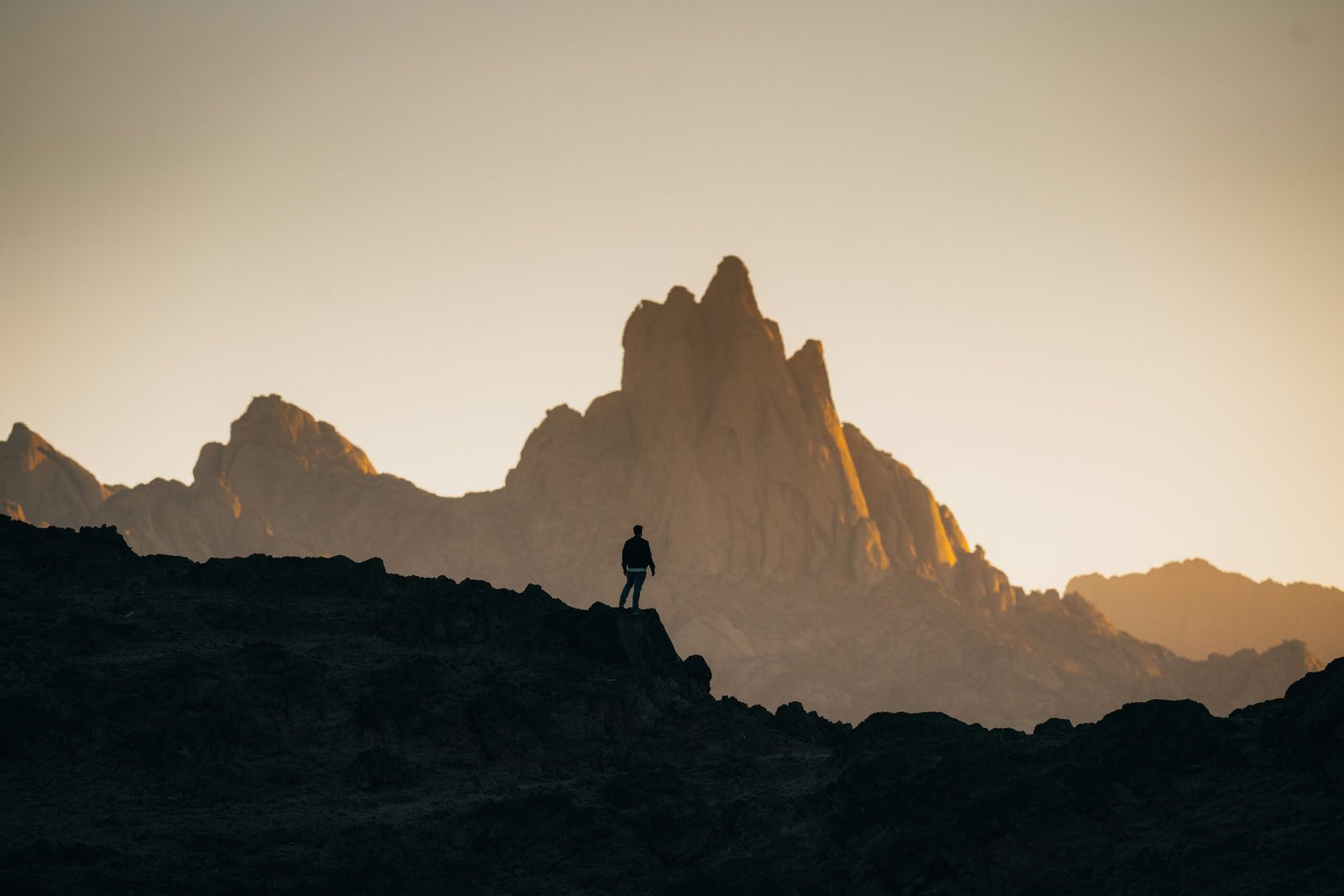
You will find that being a nervous hiker at Castle Crags State Park is a particular brand of absurdity. On the one hand, you are surrounded by granite spires that look like they were sculpted by a god with a grudge against flatness; on the other hand, you are busy counting pebbles in your pocket to stave off catastrophic thoughts about slipping. This park, near Mount Shasta in northern California, keeps tempting you with postcard views while simultaneously reminding you how thoroughly unprepared you sometimes are.
What Castle Crags Feels Like
You will notice the castle-like granite towers immediately, thrusting up from the canyon walls like teeth in a jaw. The air feels dry and sharp, and the Sacramento River threads through the rocks below, whispering about water you will someday wade in when you are braver.
Castle Crags State Park sits in a dramatic landscape—granite crags, forested ridges, and river canyons—each element conspiring to make you feel both infinitesimal and oddly alive. Your nervousness will punctuate every sight; sometimes it will make you pay closer attention in a way that calmness never could.
Why You Should Care — Even If You're Nervous
You might think your nervousness disqualifies you from enjoying the park. It doesn't. Your hypervigilance can become an asset: you’re more likely to check the map, carry water, and notice subtle trail markers others pass by while humming indie folk songs. The park is both forgiving and exacting; it rewards preparation and punishes blasé optimism.
If you appreciate geology, quiet rivers, wildflowers, or haunted little confessions whispered to yourself at viewpoints, Castle Crags is a comfortable, wild place to practice being brave in small increments.
The Geology — Why Those Rocks Look Like That
You will ask what made those jagged towers. The crags are mostly granite, products of ancient intrusive magma that cooled slowly underground and later got exposed by uplift and erosion. The jointing and vertical fractures created tall, sheer faces that weathered into the spires you see now.
This is a geology class with a dramatic soundtrack: earthquakes, uplift, erosion, and retreating rivers all playing a part. If you are the kind of person who likes a story with a long timeline and granite protagonists, you’ll be entertained.
This image is property of images.unsplash.com.
Trails and Hikes — What to Expect on the Ground
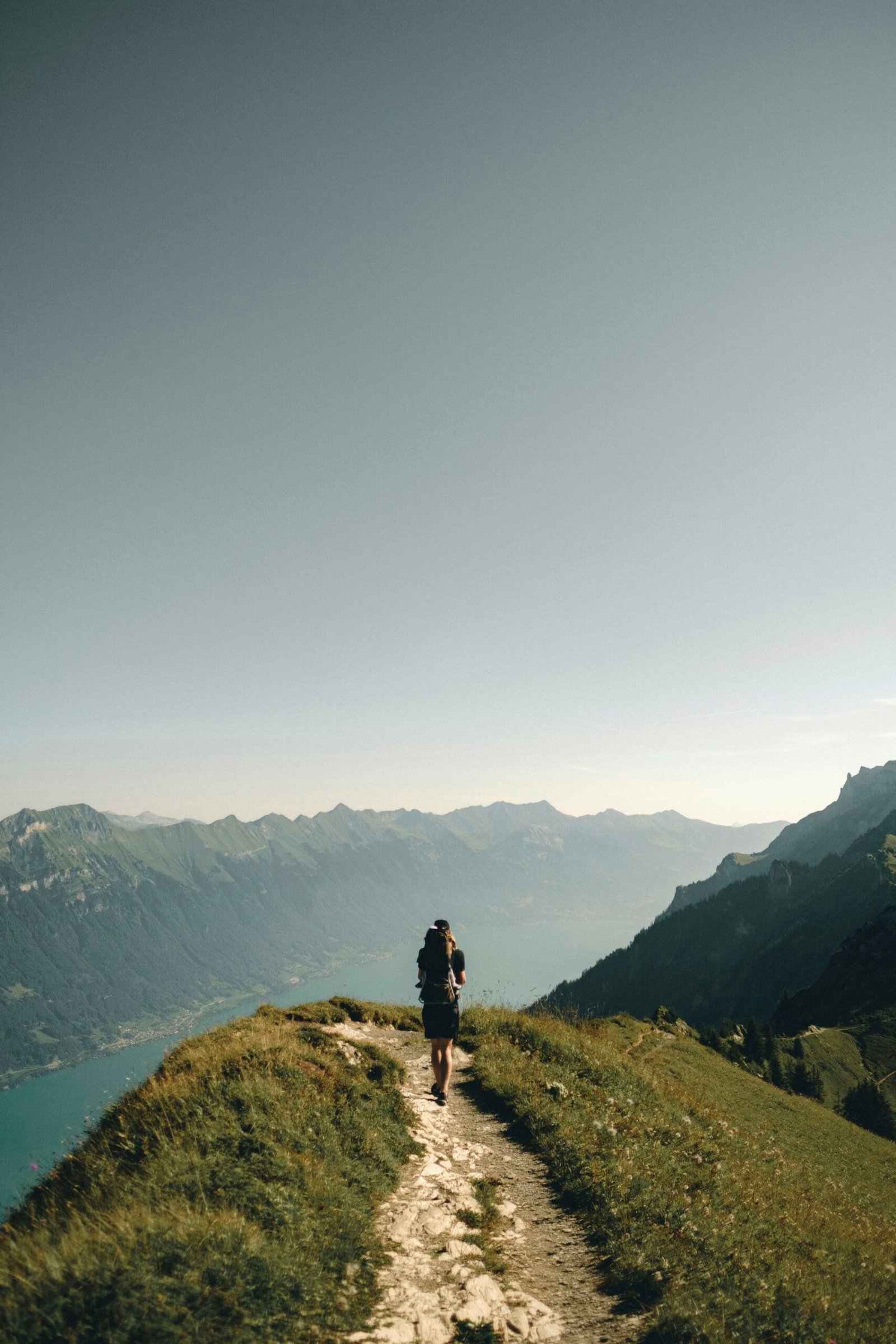
You will want specifics, and the trails at Castle Crags are many and varied, ranging from short viewpoint strolls to longer, more serious hikes that connect with the Pacific Crest Trail (PCT). Below is a practical table to help you choose a route that suits your nervousness level and ambitions.
| Trail / Route | Approx. Distance (round trip) | Difficulty | Highlights |
|---|---|---|---|
| Castle Crags Vista Trail (to Castle View) | 1–3 miles | Easy–Moderate | Short steeps, iconic view of the crags; great if you want a quick, satisfying payoff. |
| PCT through Castle Crags area (segment) | Variable (3–10+ miles) | Moderate–Strenuous | Long views, connections to Mount Shasta vistas, more solitude. |
| Castle Dome / Crags View (longer approach) | 4–8 miles | Strenuous | Extended elevation gain, closer approach to spires, good for those seeking exposure and views. |
| Sacramento River Trail / River access | 0.5–2 miles | Easy | River access for cooling swims, picnicking, and fishing; more relaxed. |
| Loop options combining park trails | 5–10 miles | Moderate–Strenuous | Mix of viewpoints, river crossings, and forested ridges; good for full-day missions. |
(Notes: Distances are approximate; trail difficulty varies with season and conditions. Check current trail status and maps before you go.)
You will likely oscillate between wanting the shortest route and wanting to prove something to yourself. Both impulses are valid. Start small and build up.
First-Time Arrival — The Nervous Rituals You Didn’t Know You Had
You will perform rituals that, in your mind, prevent catastrophe. You will check your phone five times for signal and then immediately put it in your pack where you can’t get to it without appearing conspicuous. You will triple-check your water bottle and then buy another at a gas station thirty minutes from the park like an exhibit in a museum called “Pre-Hike Paranoia.”
These rituals are harmless and oddly comforting. Try to transform one of them into something practical—tie a knot in the end of your map so you remember the parking lot name, or snap a photo of the trailhead sign so you can find your car if memory deserts you.
Practical Information — Logistics You’ll Thank Yourself For
You will appreciate knowing that Castle Crags State Park is near Mount Shasta and Dunsmuir in northern California. Parking is at designated lots; some areas require a day-use fee or California State Parks pass. Cell service can be patchy, especially in canyon areas. Restrooms are available at trailheads, but supplies and services in nearby towns are limited—buy what you need in town.
If you’re prone to anxiety about fees, permits, or rules, confirm current requirements on the California State Parks website before you go. Your higher-functioning nervous side will thank you for the check.
When to Go — Seasons, Weather, and Crowds
You will consider timing very seriously. The best times for hiking are late spring through early fall when trails are mostly snow-free and wildflowers are abundant. Summer brings hot days and busier weekends; mornings are cooler and quieter. Winter can drop snow and ice on higher routes, making them technical and risky without proper gear.
You will be happiest if you pick early morning for afternoon sunshine without crowds. If you are sensitive to crowds, choose weekdays or arrive at sunrise to claim a patch of solitude.
This image is property of images.unsplash.com.
Gear Checklist — What Your Nervous Self Will Appreciate
You will collect gear like a squirrel hoarding useful things, and here is a sensible checklist. Replace exact brands with items that fit your comfort and budget.
| Item | Why You Need It |
|---|---|
| Water (2–3 liters for day hikes) | Hydration beats bravado; you will drink more than you think. |
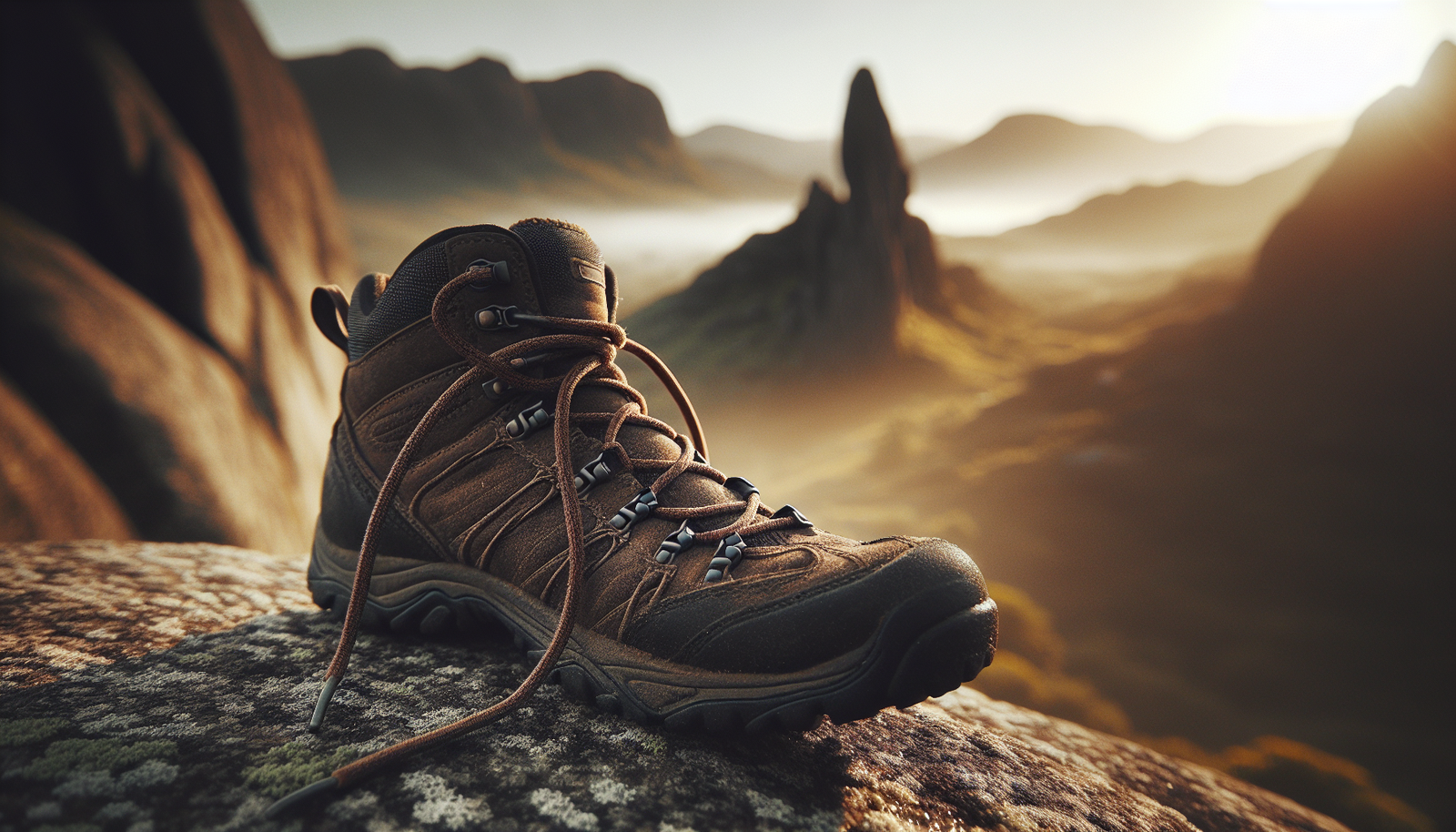
| Sturdy hiking shoes or boots | Traction and ankle support prevent most falls and panicked imaginings. |
| Layers (fleece, wind shell) | Weather shifts quickly near the crags; layers keep your core stable. |
| Map and compass or GPS | Technology fails; maps don’t. Your nervousness will appreciate redundancy. |
| First-aid kit | Small injuries are inevitable; a kit helps you stay calm and functional. |
| Sun protection (hat, sunscreen, sunglasses) | Granite reflects light; your skin will remember any mistake. |
| Snacks and electrolytes | Hunger amplifies fear; snacks anchor you to the present. |
| Headlamp | Useful for unexpected delays or dramatic exits. |
| Trekking poles (optional) | They steady you, both physically and emotionally. |
You will want to pack obsessively and then leave half of it in the car and take only what you need. The key is balance: bring enough to be safe without making your pack a portable panic room.
Safety Tips — How to Manage Your Anxiety on the Trail
You will find that preparation and small rituals can quiet your inner critic. Use these practical strategies:
- Tell someone your plan—destination, trail, expected return time. It reduces the hypothetical stakes in your head.
- Start on short trails to build confidence. Return home slightly triumphant and not exhausted.
- Use a pacing strategy: walk 20 minutes, rest 5. It breaks the hike into manageable islands.
- Practice controlled breathing when you feel your heart race: inhale for four, hold for four, exhale for six.
- Learn to accept “unease” as a temporary guest. It will often leave if you don’t feed it on catastrophizing scenarios.
- If a section looks exposed, opt for the alternate route. Your dignity will remain intact and so will your knees.
You will be surprised how often fear is an anticipatory illusion; the trail usually requires attention, not alarm.
Wildlife and Plants — Who Lives Here and Why You Should Care
You will encounter a variety of flora and fauna, from Douglas firs and ponderosa pines to manzanita, ceanothus, and riotous assemblages of wildflowers in spring. Animals you might spot include deer, squirrels, various birds of prey, and smaller mammals like chipmunks and marmots. Black bears are possible but tend to avoid humans when food is properly stored.
You will gain confidence by learning what is likely and what is rare. For example, encountering a hawk on a rock is dramatic but not dangerous. Remember to observe from a distance, keep food secured, and avoid startling animals.
Camping and Overnight Options — Sleeping Near the Crags
You will find both developed campgrounds and more rustic options nearby. State park campsites offer basic amenities and are good for nervous campers who prefer a committed plot and fellow humans within earshot. Dispersed camping in surrounding national forest land is an option if you like solitude and are comfortable with fewer amenities.
Plan for chilly nights even in summer, and store food properly to avoid nocturnal bear audits. Sleeping outdoors can be surprisingly soothing—your anxiety might quiet down overnight because the sky is louder than your internal monologue.
Climbing and Bouldering — For When You Want to Feel Taller
You will notice climbers and wonder whether you’ll ever be that fearless. Castle Crags offers technical rock faces and bouldering opportunities, mostly on granite, with routes of varying difficulty. Rock climbing here is for prepared and experienced climbers; if you are interested, consider hiring a local guide or taking a class.
If you are content to admire from below, the climbing community here provides visual theater: humans in bright harnesses scaling vertical absolutes while you eat your sandwich.
River Access, Swimming, and Fishing — Cool Things to Do When You’re Hot
You will be grateful for the Sacramento River’s cooling presence. River access points provide chances to wade, swim, or cool your feet. Fishing is popular in season; you’ll need the appropriate license and knowledge of local rules.
If you are nervous about water, stay in shallow calmer sections and consider a swim vest. The river can be swift in places; safety is always preferable to a dramatic rescue story.
Photography Tips — How to Capture the Crags Without Looking Like a Tourist
You will want pictures that don’t scream “I panicked at every switchback.” For better photos:
- Use morning or late-afternoon light for deep colors and long shadows.
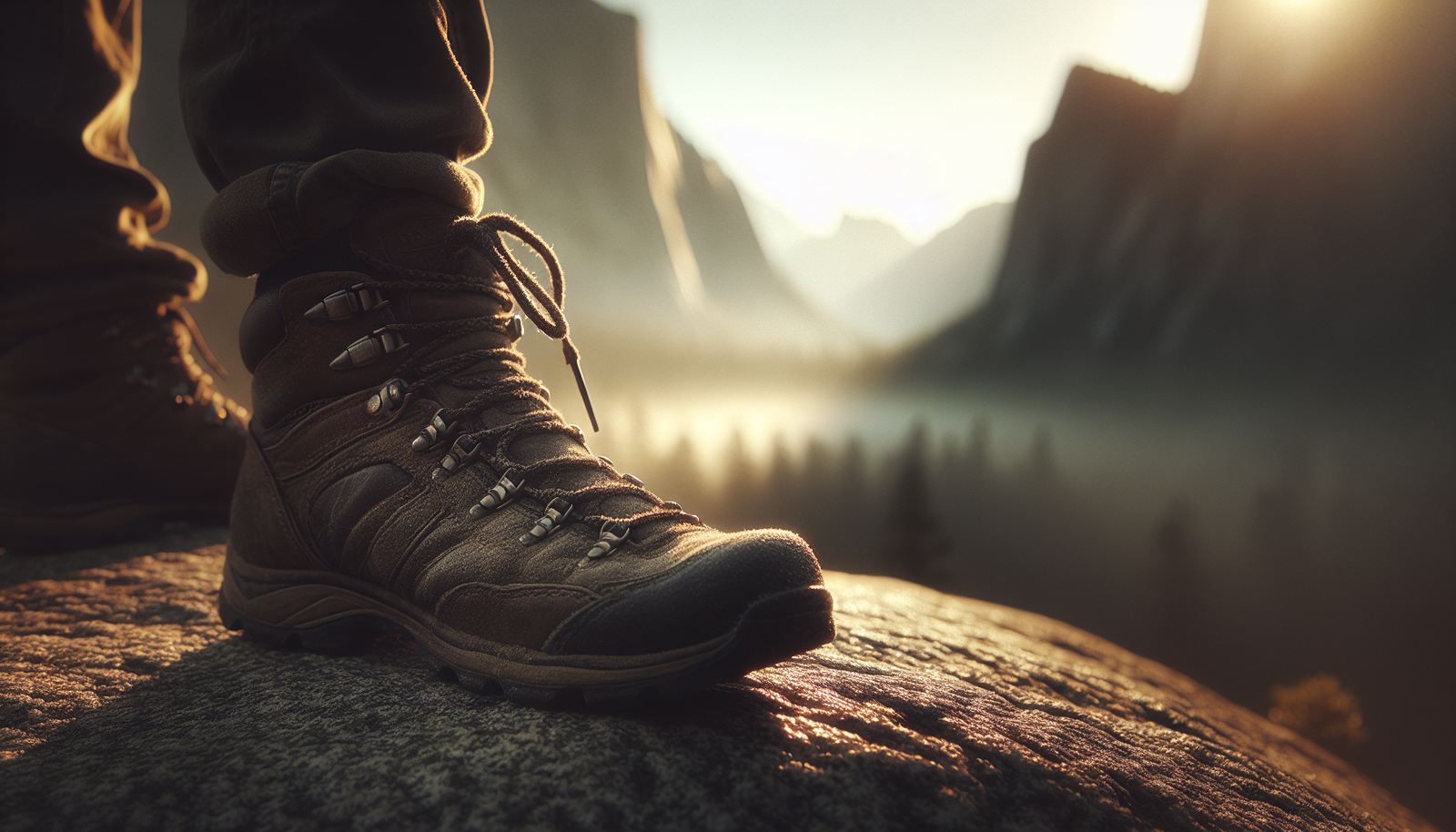
- Include a human element to show scale—a friend, a boot, or even your pack.
- Try different perspectives: river foregrounds, low-angle shots of the crags, and wide panoramas from ridgelines.
- If you’re anxious about equipment, use a phone and keep it simple. Your memory is competitive with the camera when you pay attention.
You will return with images that make your nervousness look poetic, or at least like a believable chapter in an alt-memoir.
Sample Day Plans — Pick One Based on Your Ambition Level
You will appreciate concrete options that match how you feel in the morning.
- Gentle Day (short and restorative): Arrive early, hike the shorter Castle Crags Vista Trail, picnic by the river, sit in silence, drive home before dinner. You will feel accomplished and pleasantly tired.
- Moderate Day (balance and satisfaction): Combine a viewpoint hike with a mid-length PCT segment, bring lunch, and plan to be back by late afternoon. You will push your comfort zone gently.
- Full-Day Adventure (for low-anxiety days): Tackle a longer loop that includes steeper elevation gain and closer access to the spires, with plenty of breaks and a novelty snack at the summit. You will be exhausted in a good way and will sleep well.
Choose based on how your morning mood reads. If in doubt, choose shorter and leave with unresolved ambition—you can always return.
Navigation and Maps — How Not to Get Lost (Or at Least How to Handle It)
You will carry at least one offline map and know how to read it. Even if you have GPS, battery life and signal are temperamental. Download the relevant trail map to your phone, and carry a paper map as a backup.
Markers are generally good, but intersections and switchbacks can create friendly confusion. When in doubt, follow cairns or check the map. If you decide to go off-trail, accept full responsibility for any dramatic consequences.
Regulations and Leave No Trace — Be Responsible
You will want to behave admirably and leave nature as you found it. Pack out trash, keep dogs leashed where required, respect signs, and observe fire restrictions. Many local ecosystems are fragile; your small decisions have cumulative effects.
State parks often have rules about camping, fires, and resource protection—check current regulations before you go. Your anxious checklists will be useful here.
Local Services and Nearby Towns — Where to Resupply or Soothe Your Nerves
You will find basic services in nearby towns like Mount Shasta and Dunsmuir. Gas stations, grocery stores, and outfitters are available but limited compared to large urban areas. If you are particular about food or gear, resupply before you reach the park.
Coffee shops and small diners serve as recovery centers after hikes. You will find that a hot sandwich and an earnest pastry can fix many things that trekking poles can’t.
Accessibility — Making the Park Work for Different Needs
You will note that some viewpoints and picnic areas are accessible from parking lots with minimal walking required. Many trails are uneven and rocky, which can be challenging for those with mobility limitations. If you need specific accommodations, contact park staff in advance to understand what’s feasible.
You will be surprised by the number of ways a place can be inclusive if you ask questions ahead of time.
A Few Historic Notes — The Human Stories Imprinted on the Landscape
You will read traces of human history everywhere: indigenous peoples who lived with the land for millennia, the impacts of gold mining and frontier settlement, and early conservation efforts that protected these crags. The Wintu and other tribes inhabited and used river and forest resources long before the area became a state park.
If you are the kind of person who likes to feel the weight of history as you walk, these layers add depth to your nervous little narrations about the crags being “intimidating.”
Food and Water — Strategic Nourishment for Your Nervous Brain
You will eat more than you think. Bring a mix of quick sugars (dried fruit, energy gels) and sustaining protein (nuts, jerky, cheese). Salty snacks help if you’re sweating, and a treat—chocolate, gummy bears, whatever—can punctuate triumphant moments.
Always carry more water than you expect to need; the dryness paired with exertion is a sneaky combination. A hydration bladder is soothing because sipping frequently prevents panic about “running out.”
Dealing with Heights and Exposure — A Practical Therapy
You will confront exposure—narrow ridgelines, open ledges, steep drops. Techniques that can help:
- Face your anxiety: avoid locking knees or rigid posture.
- Keep your center of gravity low when negotiating exposed steps.
- Focus on stable footholds, not the void below.
- Walk slowly and deliberately where others might rush.
If exposure terrifies you, consider bringing a friend who moves confidently or a hiking pole to steady yourself. Sometimes company is the best safety gear.
Stories from the Trail — Confessions You Might Make (Out Loud or Internally)
You will laugh later about the things you whisper to yourself on the trail: bargaining with the weather, inventing imaginary parents who would be disappointed if you turned back, or thanking inanimate objects like trail signs. These small stories are part of the experience and humanize the grand scenery.
You will probably tell one of these stories around a campfire and find that other people nod as if they, too, have had similar inner dialogues. Discomfort is oddly communal.
How to Build Confidence — A Practical Plan
You will want to grow braver. Here’s a small program:
- Start with very short hikes and celebrate them publicly (or in a journal).
- Gradually extend distance and elevation by 10–20% per outing.
- Practice emergency skills in low-stakes environments: treat a blister, read a map, set up a tarp.
- Learn to self-soothe: breathing, calming mantras, simple stretches.
- Go with a more experienced friend occasionally and copy their sensible decisions.
You will find that courage accumulates like mileage on your shoes—visible and oddly reassuring.
If Something Goes Wrong — Basic Emergency Steps
You will attempt to be prepared for small emergencies. Steps to take:
- Stop and assess calmly. Panic uses energy and impairs judgment.
- If someone is injured, stabilize them and use basic first-aid.
- Use your phone or a personal locator beacon if you have one.
- Stay put if you’re lost and it’s getting dark, unless staying guarantees danger. Visibility helps rescuers find you.
- Signal with a whistle or reflective object if you see rescuers.
You will be more useful if you keep a level head; practice these responses before you need them.
Final Confessions — Why You Should Attempt Castle Crags, Nervousness and All
You will learn that being nervous is not a handicap so much as a mode of heightened attention. At Castle Crags State Park, your nervousness will make you meticulous about water, mindful of footing, and appreciative of small comforts—a patch of shade, a good snack, or a friendly trail dog. These little moments add up to a day that is both challenging and oddly tender.
You will experience a tension that is the essence of any worthwhile outdoor pursuit: the landscape asks for presence and gives back perspective. If you are afraid on the trail, it means you are engaged. With preparation and small progressive challenges, you can transform that engagement from fear into a steady, watchful joy.
So pack correctly, breathe deliberately, plan reasonably, and allow yourself to be a nervous hiker with astonishingly good taste in destinations. The crags may intimidate you with their scale, but they won’t laugh at you. They’ll stand there, majestic and indifferent, offering views to anyone willing to make the climb. And when you return home, you will have a story that begins with trembling and ends with you eating a sandwich while looking like you always meant to be outdoors.
Quick Resources — Where to Get Up-to-Date Info
You will want authoritative updates before you go: check the California State Parks site for Castle Crags, local ranger stations, and recent trip reports for trail conditions. Local outfitters provide gear rentals and guided options if you want to outsource some of the nervousness.
If you prefer analog reassurance, call the park office and speak to a human who can tell you whether the river is running high or the trail is muddy. You will appreciate the voice on the other end.
You will probably keep telling the story anyway: how your knees wobbled but you stepped on, how you refused to look at the drop and then accidentally loved the view, how you ate a questionable sandwich at the summit and felt, briefly, like all of life’s small fears had been put in their place. Castle Crags State Park will continue to be a place for you to test your nerves against granite, water, and sky—and to find, more often than not, that you are better company than you feared.