
? Have you ever wanted to show up somewhere with a camera and leave feeling like you actually captured what your eyes saw — instead of a flattened, overexposed memory that looks like an emoji?
This image is property of images.unsplash.com.
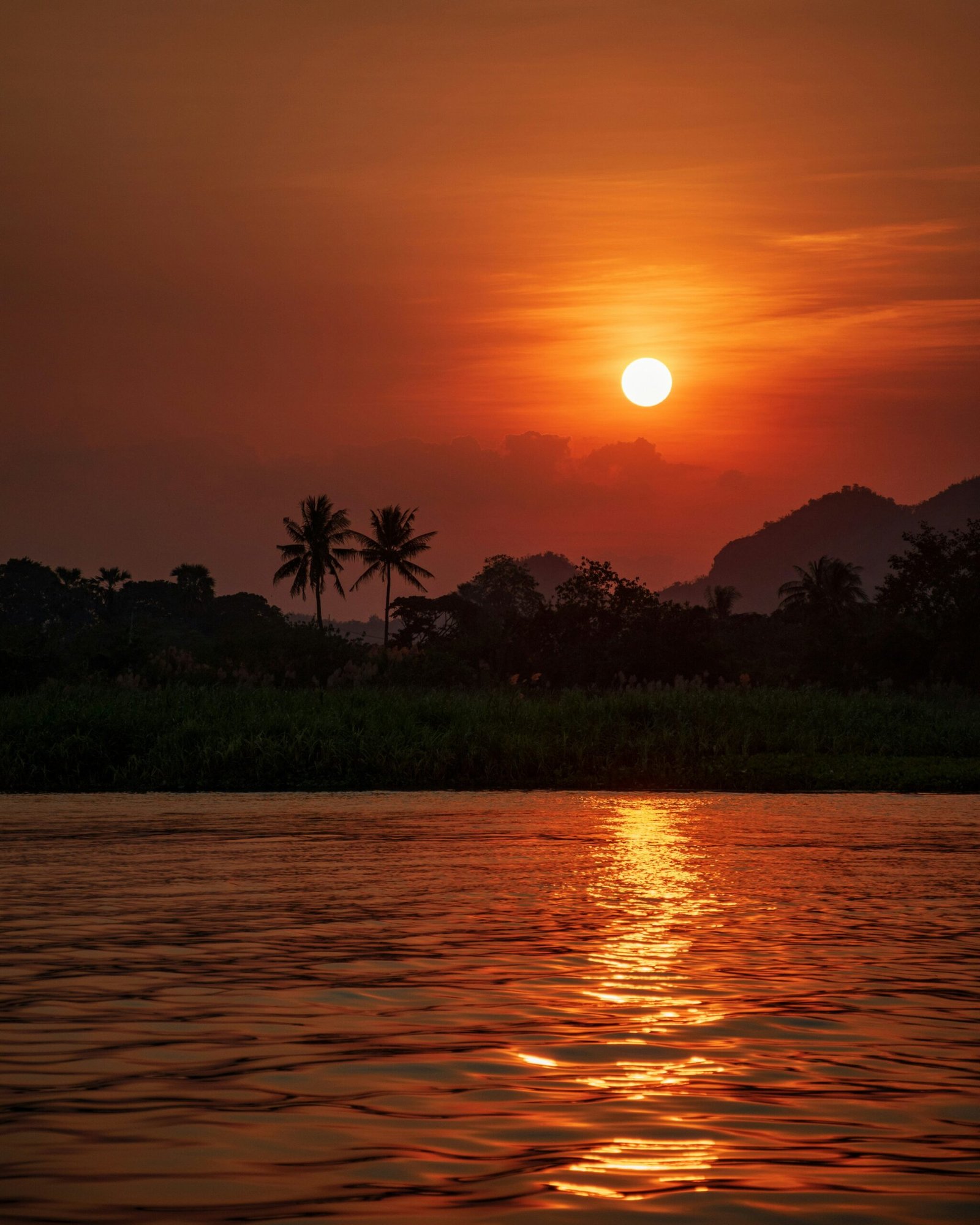
Capture The Perfect Sunset At Bunny Flat
You’re reading this because you want a sunset photograph that makes you proud, not one you hide in the “edited-on-the-fly” folder. Bunny Flat offers dramatic skies, alpine air, and terrain that rewards a little planning; with a few practical choices and an eye for timing, you’ll leave with images that feel like souvenirs rather than accidents.
Why Bunny Flat?
You might already know Bunny Flat as a trailhead on Mount Shasta’s southern approach, but it’s also a remarkable place for sky work: clear horizons, clean air, and a way of catching warm light on alpine trees and distant ridges. The landscape gives you both open vistas and small, intimate foregrounds, which makes it excellent for playing with scale and color.
What Makes a Sunset “Perfect”?
A perfect sunset isn’t necessarily the most saturated or dramatic scene — it’s the story you build with foreground, sky, and exposure. You’ll leave satisfied when the image communicates where you were, what time it was, and how the world felt at that precise moment.
When to Go
Timing is everything, both in life and in photography. For a great sunset at Bunny Flat, you’ll consider season, weather, and the time you arrive.
Seasons and Their Character
Each season changes the mood. Summer brings extended golden hours and accessible trails; fall gives spectacular color changes and crisp air; winter provides snow-dusted pines and a surreal quiet; spring can surprise you with late snow or sudden green. You’ll plan your gear accordingly: warmth and traction in the cold months, light layers and bug spray in the warm.
Arrival Time and the Golden Hour
Arrive early enough to scout — an hour before golden hour is safe. You’ll set up, find foreground elements, and wait for light that evolves. If you want both golden hour and blue hour captures, plan to stay until about 30–60 minutes after sunset.
Moon, Clouds, and Weather
A little cloud often helps; a sky with layered clouds tends to produce color. A completely clear sky is beautiful but can be monotone. Use a moon-phase app if you want moonlight included or prefer darker twilight for stars. Check weather forecasts the day before and an hour before; mountain weather changes fast.
How to Plan Your Evening
Preparation reduces panic and increases the chances of intentional images rather than lucky ones.
Apps and Tools That Help
You’ll find PhotoPills or The Photographer’s Ephemeris handy for sun angles and timing; weather apps like MeteoBlue or Windy help anticipate cloud cover and wind. Mark potential compositions on a map and note parking and restroom locations so you’re not wandering at the wrong moment.
Scout and Rehearse
Visit Bunny Flat earlier in the day if you can. Walk potential lines, note where the horizon sits, and imagine where the sun will drop. If you can’t visit ahead of time, study satellite maps and photos from other photographers to identify likely vantage points.
Gear: What to Bring
You could go minimal, but bringing the right kit at the right time will give you freedom. The table below helps you pack with purpose rather than panic.
| Item | Why you need it |
|---|---|
| Camera (mirrorless or DSLR) + backup body (optional) | Main tool for control, dynamic range, and RAW capture |
| Lenses: wide (16–35mm), mid (24–70mm), tele (70–200mm) | Wide for vistas, mid for flexibility, tele for compressed light and sun detail |
| Sturdy tripod | Essential for low light, long exposures, and bracketed HDR |
| Remote or intervalometer | Prevents shake; necessary for timelapse and long exposures |
| Filters: ND, graduated ND, polarizer | Helps control exposure and reflections |
| Extra batteries & memory cards | Cold drains batteries fast; you’ll shoot more than you think |
| Lens cloth and blower | Mountain dust and moisture can ruin a shot |
| Headlamp with red light | For setup, safety, and preserving night vision |
| Warm layers, water, snacks | Temperature drops quickly at altitude |
| Microfiber towel or groundpad | Keeps you comfortable and gear clean |
| Portable power bank | For phone apps and charging in the field |
| Map and emergency info | No cell signal sometimes; be prepared |
Camera and Lenses
You’ll use a wide-angle lens for expansive skies and a telephoto to isolate cloud drama or compress foreground layers. A standard zoom gives flexibility if you prefer fewer lens changes. Keep a lens hood handy to reduce flare.
Tripod and Stabilization
A sturdy tripod is non-negotiable for sunset work. If you’ve ever cursed yourself for handheld blur in dim light, you’ll appreciate the peace of a rock-solid base. Bring a three-way head for precise framing and a quick-release plate for speed.
Filters and Accessories
Graduated neutral density (GND) filters help balance a bright sky with a darker foreground. Neutral density (ND) filters let you smooth clouds or capture motion, like moving tree branches or water. You’ll use a polarizer sparingly during sunset — it can sometimes extinguish the sky’s warmth if used aggressively.
For Phone Photographers
You’ll get excellent results with modern phones if you work intentionally. Use the native camera RAW (or Pro) mode, lock exposure and focus, and treat a small tripod and a Bluetooth shutter as essentials. Phone-specific clip-on lenses can expand your options.
| Phone Tip | Quick How-to |
|---|---|
| Lock exposure & focus | Tap and hold the area on the screen to lock AF/AE |
| Use RAW mode | Use Pro or third-party apps like Halide to get RAW files |
| Stabilize | Use a small tripod or steady surface; use a timer or Bluetooth shutter |
| Bracket | Use apps that enable exposure bracketing if native support is absent |
| Avoid digital zoom | Move closer or crop later; digital zoom reduces quality |
This image is property of images.unsplash.com.
Camera Settings for Sunset
Sunsets are dynamic emotional rollercoasters — your settings should be tools, not rules. Below are starting points you’ll adjust to taste and light.
| Scene | Aperture | Shutter Speed | ISO | Notes |
|---|---|---|---|---|
| Wide landscape, tripod | f/8–f/11 | 1/4s to 1/60s | 100–200 | Use tripod; focus 1/3 into scene; bracket exposures |
| Silhouette of trees | f/8 | 1/250s–1/500s | 100–200 | Meter for the sky to darken foreground into silhouette |
| Long exposure (smooth clouds) | f/8–f/11 | 1–30s (use ND) | 100 | ND filters and tripod; use remote shutter |
| Telephoto compressed sun | f/5.6–f/8 | 1/100–1/500s | 100–200 | Handheld possible with stabilization; watch for heat shimmer |
| Phone sunset | f/1.8–f/2.8 (device-dependent) | automatic or manual 1/30–1/125s | Auto/ISO 50–200 | Use RAW/Pro mode and lock exposure for consistent color |
Shooting RAW and Metering
You’ll shoot in RAW whenever possible. RAW preserves color and dynamic range so you can rescue highlights and lift shadows during editing. Meter off the bright part of the sky if you want silhouette, or use spot metering for subjects offset from the average scene. Check the histogram: if it’s clipping the right, dial back exposure to preserve highlight detail.
Exposure Bracketing and HDR
When dynamic range exceeds what your sensor can capture, bracket exposures. Take 3–7 frames at different exposures and merge them in software to produce a balanced image that retains sky color and foreground detail. Use a tripod and consistent framing; an intervalometer helps when lighting changes fast.
White Balance and Color
Set white balance for consistency. Auto white balance can shift colors between frames; use a Kelvin value (e.g., 4800–6500K depending on warmth) or a sunset preset, then fine-tune in RAW. Remember: you can warm or cool in post, but preserving the base information in RAW gives you options.
Composition and Creativity
A brilliant sky is only half the work. The other half is what you do with the foreground, middleground, and the way you lead the viewer’s eye.
Foreground Interest
You’ll look for rocks, trees, a fence, or a snowdrift to anchor the scene. Foreground elements add depth and scale, helping viewers understand where the moment occurred. Try placing a prominent foreground element at a bottom third intersection for balance.
Leading Lines and Framing
Paths, ridgelines, and tree branches guide viewers into the frame. You’ll place lines so they draw the eye toward the sunset or a focal point. Natural frames like pine branches or arching ridgelines add context and intimacy.
Silhouettes and Reflections
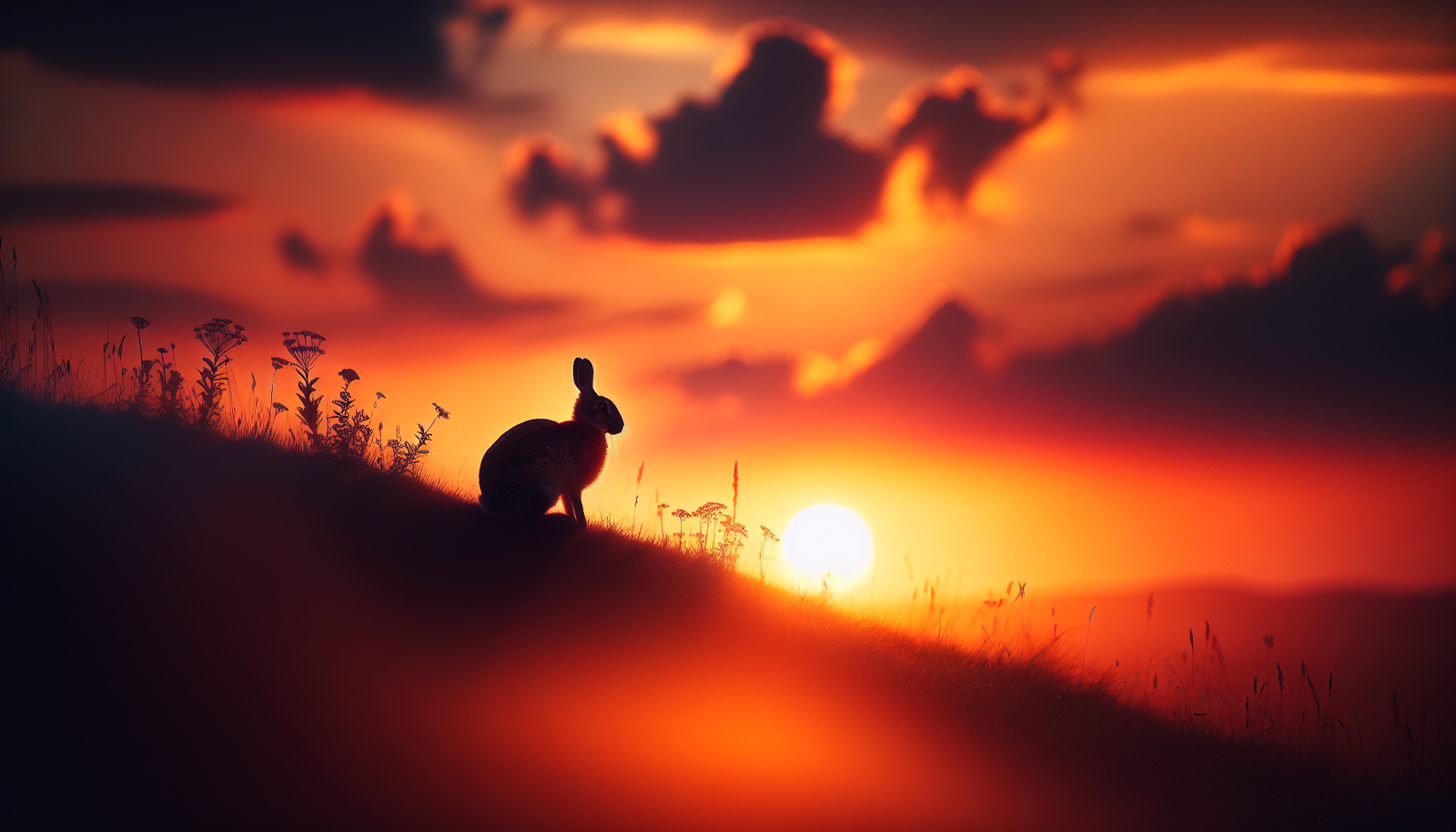
Silhouettes are dramatic and simple: expose for the sky and let subjects fall dark. Reflections (in puddles or snowy hollows) can double the impact, but you’ll match angles carefully so the reflected scene is pleasing and not distracting.
Clouds and Sky Layers
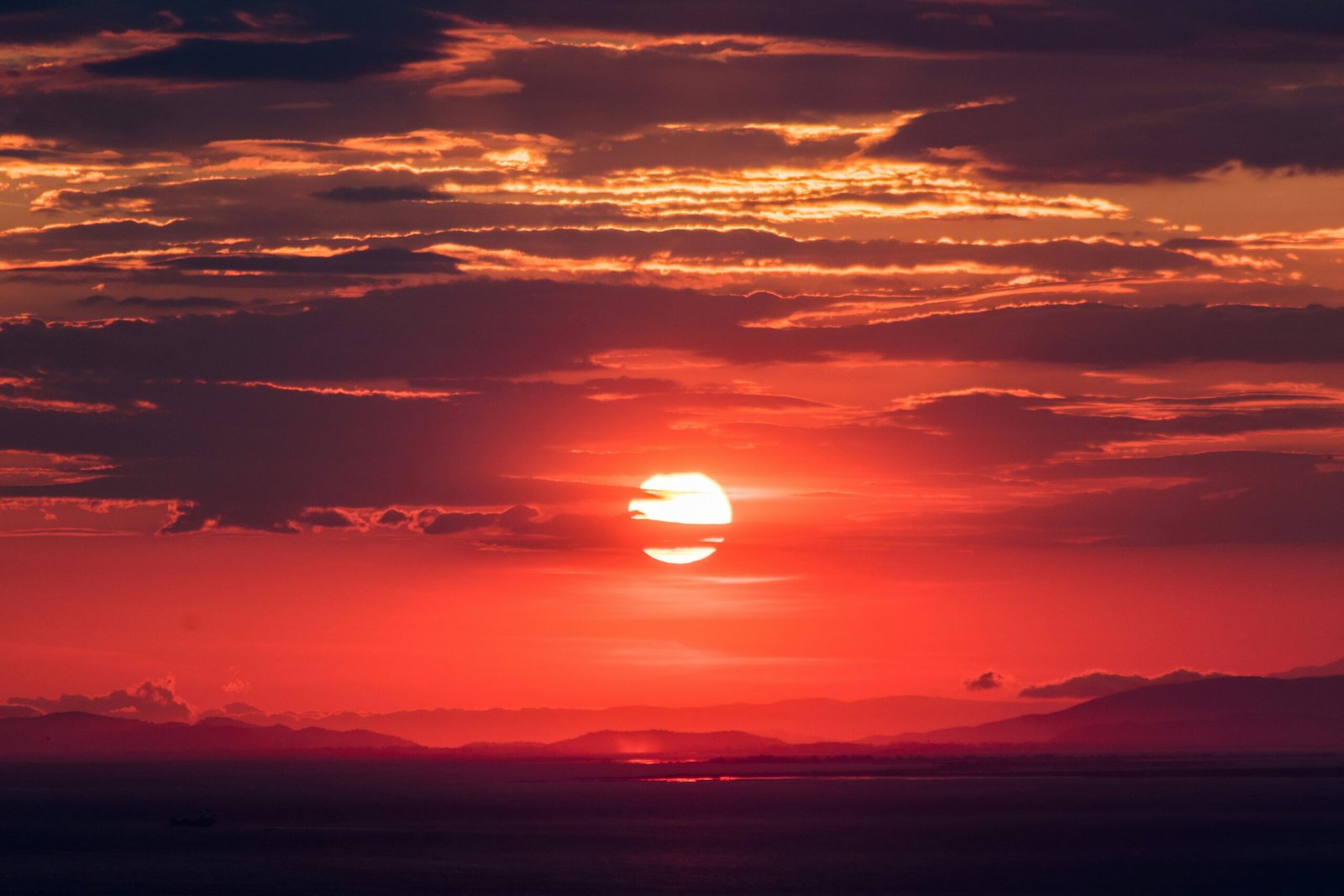
Your most powerful compositional tool at Bunny Flat is cloud layering. Look for bands of low, mid, and high clouds; they catch light differently and add depth. You’ll anticipate how light will change as the sun slips behind a distant ridge.
Minimalism and Negative Space
Sometimes less is more. If the sky produces a vast, clean color gradient, you’ll let it breathe by isolating a single subject — a lone tree or rock. Negative space emphasizes emotion and can be more evocative than cluttered detail.
This image is property of images.unsplash.com.
Timing: Golden Hour and Blue Hour
Understanding the timing gives you technical and creative advantages.
Golden Hour
The period shortly before sunset offers softer light and warm tones. You’ll want to be in place for this moment because shadows lengthen and textures pop. If the sun is low but not yet over the ridge, you’ll get directional light that sculpts the foreground.
Blue Hour
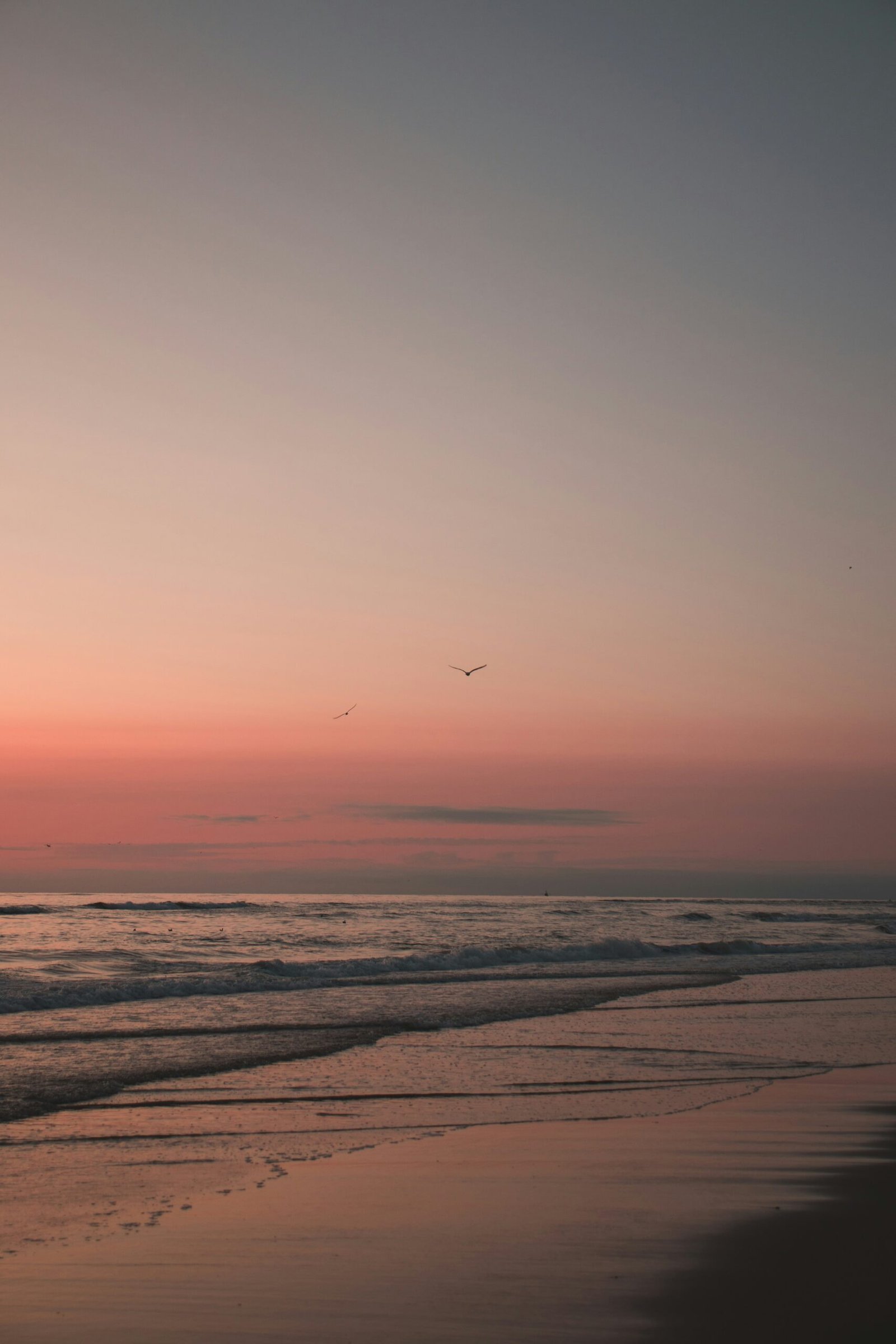
After the sun drops, blue hour brings cooler tones and subtle contrasts. This is when you’ll get luminous skies with increased color saturation and the opportunity to balance ambient sky light with city or vehicle lights if present. If you’re doing long exposures or star work, this is prime time.
Advanced Techniques
Once you’re comfortable with the basics, you’ll enjoy using techniques that expand creative control.
Timelapse
Timelapses condense the full sunset into moving color transitions. Use intervalometer settings between 1–10 seconds depending on cloud speed; shoot in RAW if your camera supports it for maximum grading flexibility. Keep battery life and memory in mind — a 90-minute timelapse can generate thousands of frames.
Panoramas
Wide panoramas capture the entire sweep of color. Use manual exposure and white balance to avoid visible seams. Overlap frames by 30%, keep level, and use a tripod-mounted panoramic head if possible. Merge in software and crop for dramatic aspect ratios.
Star Trails and Milky Way
If conditions permit and the sky darkens quickly after sunset, you can transition to star work. For the Milky Way, you’ll target times when it’s visible and use wide apertures (f/2.8 or wider), high ISO, and short exposures to avoid star trails. For star trails, shoot many 20–30 second frames and stack them later to build length.
Focus Stacking and Exposure Blending
Focus stacking helps when you want near-to-far sharpness at wide apertures: take multiple images focused at different distances and blend in post. Exposure blending lets you retain a natural feel without the often-overcooked look of automated HDR.
Post-Processing Workflow
Your sunset image becomes the work you remember after a little digital housekeeping. You’ll adopt a workflow that’s methodical and respectful to what you captured.
Import and Cull
Import into Lightroom, Capture One, or your preferred RAW processor and cull quickly. Keep the best 10–20% for detailed work, then refine. You’ll discard duplicates and mistakes to save time.
Basic Corrections
Start with exposure, contrast, highlights, shadows, and white balance. Recover highlights to preserve sky color and open shadows for foreground detail if you didn’t bracket. Use the tone curve and selective adjustments to refine.
Color Grading
Use vibrance and HSL adjustments sparingly to keep colors believable. Add global warmth or targeted oranges and magentas to emphasize sunset hues. If you shot in RAW, you’ll have plenty of latitude to push tones without artifacts.
Merging and Stacking
If you bracketed, merge exposures into HDR for a balanced look. For noise reduction in long exposures or high-ISO shots, consider stacking or dedicated denoising tools. For panoramas, use stitching software and retouch seams carefully.
Final Polish
Clone out distracting elements, straighten horizons, and sharpen selectively. Preserve a bit of softness in distant elements to maintain depth.
Practical Considerations and Safety
You’ll be in mountain terrain; attention to safety keeps your night from becoming an accident story.
Clothing and Altitude
Bunny Flat sits high enough that temperatures drop quickly. Wear layers and carry windproof and waterproof options. Bring gloves that still let you operate dials. You’ll also notice reduced oxygen if you’re climbing; pace yourself.
Trail Etiquette and Leave No Trace
You’ll be sharing the space with hikers and other photographers. Stay on durable surfaces, pack out your trash, and avoid trampling fragile alpine vegetation. If you bring a pet, keep it leashed and clean up afterward.
Wildlife and Environmental Concerns
Mountains host wildlife. You’ll keep food secure, avoid feeding animals, and maintain distance. Be mindful of fragile habitats like wetlands and meadows.
Parking and Facilities
Plan for limited parking during busy weekends. Bring a small headlamp for the walk back if you stay late. Check whether restrooms are open at the season you visit — plan accordingly.
Dealing with Crowds
A sunset draw can mean other people. You’ll handle this with patience and small strategies that keep your images and nerves intact.
Arrival Strategy
Arrive earlier to claim a spot without bumping others. Walk the perimeter to find less obvious vantage points; sometimes a small detour yields a better composition with fewer people.
Respect and Communication
You’ll be polite. If someone steps into your frame, a friendly ask usually resolves things. Share tips, swap position ideas, and everyone leaves happier.
Sample Shot List and Workflow
You’re in the field. The light is changing. Use this plan to prioritize shots so you don’t miss the best moments.
- T-minus 60–30 minutes: Scout and choose three compositions (wide vista, mid-range subject, intimate foreground). Capture test exposures and lock settings.
- T-minus 30–10 minutes: Photograph golden hour wide angles, varying aperture for depth of field. Capture bracket sets every 2–3 minutes as light changes.
- Sunset minus 10 to +10 minutes: Focus on the sky’s drama. Shoot silhouettes, telephoto compressed sun shots, and one or two long exposures with ND filters.
- +10 to +40 minutes: Blue hour. Capture longer exposures, city or valley lights, and star transition frames. Start timelapse if desired.
- Final 20 minutes: Pack redundant shots of favorites, check your battery and card, and prepare for the walk back. Make sure you’ve recovered all gear.
Common Mistakes and How to Avoid Them
You’ll appreciate knowing what trips people up so you can avoid becoming one of those photographers they whisper about on the trail.
- Mistake: Shooting only what's obvious. Fix: Look for a foreground to anchor a vast sky.
- Mistake: Chasing saturation in-camera. Fix: Maintain RAW discipline and edit carefully.
- Mistake: Leaving when the sun sets. Fix: Stay for blue hour and the color afterglow.
- Mistake: Blowing highlights. Fix: Check histogram and bracket exposures.
- Mistake: Forgetting spare batteries. Fix: Bring multiples and keep them warm in your pockets.
Final Thoughts
You’ll find that a “perfect” sunset at Bunny Flat isn’t about luck so much as preparation, patience, and a willingness to stand in cold air while color slowly negotiates with clouds. The best images come from a combination of planning, basic technical skills, and a little willingness to be present in the moment — even when the wind is dramatic and your fingers are numb.
If you treat the evening like a short performance — one where you’re an attentive stage manager rather than a frantic actor — you’ll return with images that match the impression in your memory. And if you don’t, you’ll still have a story about the time you almost caught the perfect sunset and learned something for the next try. Either way, you’ll be outside, which is a pretty good start.