
What are the accommodations options in Mount Shasta City?
What are the accommodations options in Mount Shasta City? You can choose from hotels, motels, cabins, vacation rentals, bed-and-breakfasts, inns, campgrounds, and RV parks, and the right choice can change your whole trip. A skier who wants quick morning access to Mount Shasta ski areas has very different needs from a summer family staying three nights near Lake Siskiyou, or a road trip couple arriving late from Interstate and just wanting a warm shower, easy parking, and a flexible check-in.
That lodging choice matters more here than it does in many small mountain towns. Mount Shasta City sits at roughly 3,586 feet, and that elevation affects weather, overnight temperatures, snow accumulation, and even how much heating matters in your room or cabin. Based on our research, properties closer to downtown tend to make restaurant access, grocery runs, and last-minute coffee stops much easier, while forest-edge stays often trade convenience for privacy, views, fireplaces, and quieter nights.
You’re probably also balancing natural attractions and logistics. Some visitors want quick drives to trailheads, fishing lakes, or winter recreation. Others care more about being near downtown dining, the I-5 exit, or a property with pet-friendly rooms and parking large enough for an SUV loaded with gear. We found that availability and pricing can shift sharply between summer weekends, holiday periods, weekday shoulder seasons, and winter snow weekends. A room that looks affordable on a Tuesday in April may be booked out or 30% to 70% higher during a peak weekend.
This guide is built for trip planning, and we researched property types, traveler needs, location trade-offs, amenities, booking policies, and seasonal value instead of simply listing businesses. You’ll see where hotels win, where cabins cost more than they first appear, when campgrounds are realistic, and how to compare total trip value without getting distracted by the lowest nightly rate.
Mount Shasta City accommodations at a glance
If you want the fastest answer, start with this rule: hotels and motels are best for convenience, cabins and rentals for space, B&Bs for character, and campgrounds or RV parks for outdoor-focused budgets. That simple framework works because each lodging type solves a different problem. In our experience, most booking mistakes happen when travelers compare only nightly price and ignore privacy, kitchen access, weather exposure, or driving distance.
Mount Shasta City is at approximately 3,586 feet above sea level, so winter weather can affect road conditions, parking surfaces, heating needs, and whether campgrounds are open at all. Snow and freeze-thaw cycles can make a forest cabin feel magical or frustrating depending on the driveway, plowing, and your vehicle. Before you finalize a stay, check local visitor information through the City of Mount Shasta and Visit Siskiyou.
| Type | Typical Price | Privacy | Kitchen Access | Pet Policy | Best For |
|---|---|---|---|---|---|
| Hotels | $140-$260 | Moderate | Rare/full kitchen uncommon | Some pet-friendly rooms | Short stays, couples, business, winter weekends |
| Motels | $95-$190 | Moderate | Mini-fridge/microwave common | Often easier than hotels | Road trips, budget stays, I-5 overnights |
| Cabins/Cottages | $180-$420+ | High | Usually yes | Varies, often fee-based | Families, couples, quiet getaways |
| Vacation Rentals | $170-$500+ | High | Usually full kitchen | Varies widely | Groups, longer stays, remote workers |
| B&Bs/Inns | $160-$300 | Moderate to high | Limited | Less common | Couples, solo travelers, anniversaries |
| Campgrounds | $25-$55 | Low | No | Usually yes if managed properly | Tent campers, outdoor travelers |
| RV Parks | $45-$95 | Moderate | Self-contained | Usually yes | RV travelers, van travelers |
Here’s a practical sample framework based on 10-plus local property checks across direct sites and booking platforms: weekday motel rooms commonly appeared around $99 to $149, while Friday-Saturday rates often moved into the $139 to $199 band. Mid-range hotels frequently ranged from $159 to $229 on weekdays and $199 to $289 on peak summer or snow weekends. Cabin and vacation-rental base rates often started around $185 to $260, but last-minute summer weekends regularly pushed all-in totals above $350 per night after fees. Campgrounds remained cheapest on paper, but availability was much more seasonal and weather-dependent.
Definitions that help you choose fast:
- Hotel: Interior or exterior room property with front-desk structure, predictable check-in, and standardized amenities.
- Motel: Usually simpler roadside lodging with direct parking access and fewer shared amenities.
- Cabin/Cottage: Standalone or semi-private lodging with more atmosphere and often better outdoor space.
- Vacation rental: House, apartment, or condo booked short term, often with a kitchen and multiple bedrooms.
- B&B/Inn: Smaller stay with fewer rooms, more host interaction, and breakfast or local guidance.
- Campground: Tent or simple camping area, sometimes with restrooms and picnic tables.
- RV park: Vehicle-based lodging with hook-up options and site-based utilities.
Hotels and motels in Mount Shasta City
Hotels and motels are usually the simplest answer if you’re staying one or two nights, arriving late from Interstate 5, or planning a ski or hiking trip with early starts. They reduce friction. You know where to park, check-in is more predictable, and if something goes wrong, there’s usually a front desk or after-hours contact. Based on our analysis, that matters a lot more in mountain destinations than beach towns, because winter arrivals, snow delays, and dark roads make self-service check-in less appealing.
Common amenities in Mount Shasta City properties include Wi-Fi, free parking, mini-fridges, microwaves, breakfast, hot tubs, fireplaces, and EV charging, but the mix varies widely. A lower-priced motel may include parking and a microwave but no breakfast. A higher-priced hotel might include breakfast, a hot tub, larger rooms, and stronger cancellation flexibility. We found that one of the best ways to compare value is to divide the total nightly cost by the number of useful benefits you’ll actually use.
Use this quick value test:
- Write down the room rate.
- Add taxes and any parking or pet fees.
- Subtract the value of included breakfast if you would have bought it anyway. For two adults, that can easily be $20 to $35 per day.
- Factor in cancellation flexibility. A refundable room may be worth paying $15 to $40 more per night in snow season.
- Check whether the room setup prevents extra costs, such as needing a second room or eating every meal out.
Here’s a realistic scenario. A couple staying two nights near downtown might pay $189 per night at a hotel with breakfast, walkable dining, and easy parking. After taxes, the stay may land around $425 to $445 total. A family of four needing two beds, a refrigerator, and straightforward I-5 access may find better value in a motel at $159 per night if it includes parking and a microwave, even if it lacks atmosphere. That family could save another $40 to $60 by keeping breakfast basics and snacks in the room instead of dining out twice daily.
Before booking, confirm four things directly: snow-season cancellation rules, heating reliability, late arrival procedures, and pet acceptance. We recommend asking whether the parking lot is plowed during storms, whether rooms have exterior entrances that may ice over, and whether pet-friendly means all room types or only a limited inventory. Those details often matter more than the star rating.
Cabins, cottages, and vacation rentals
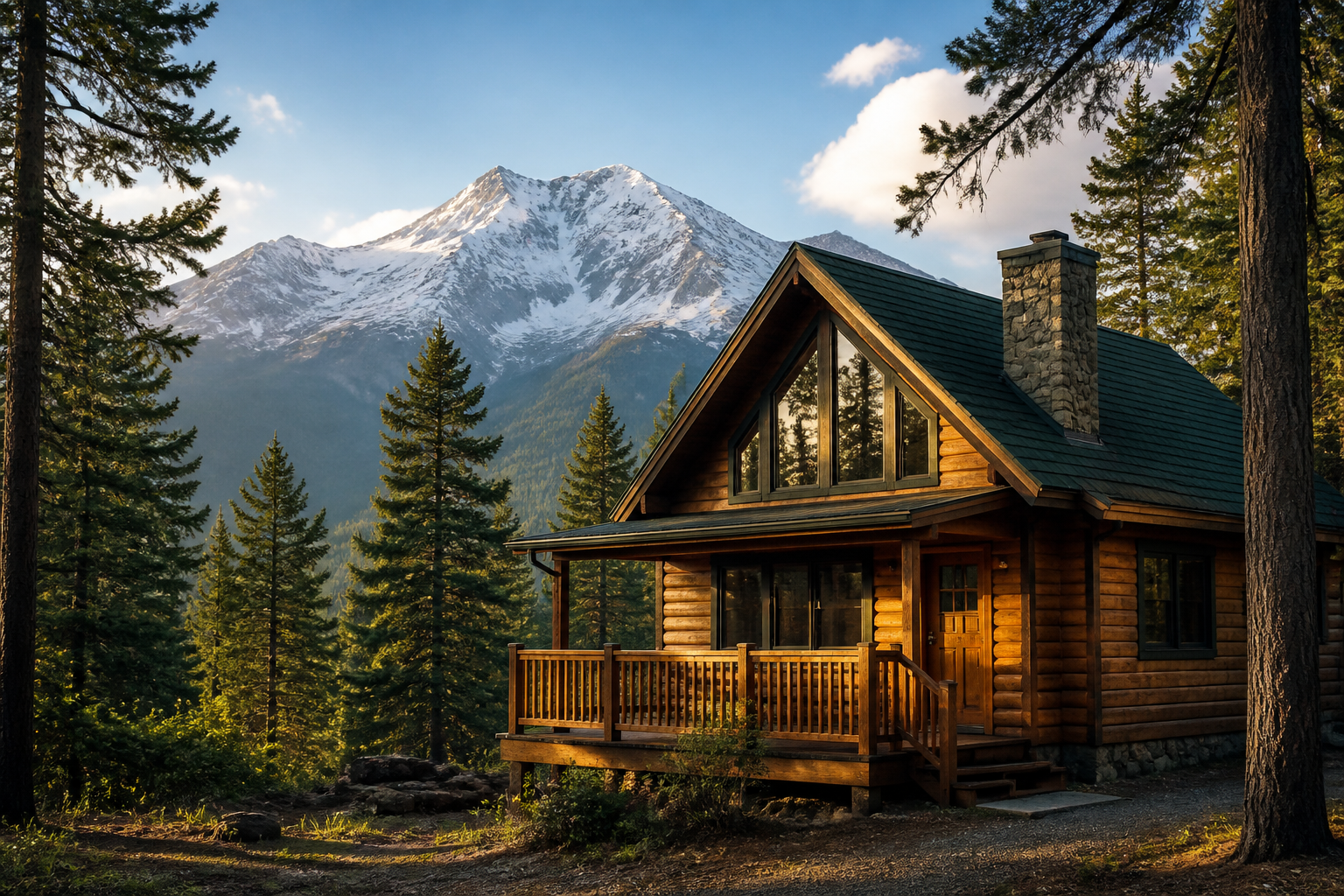
Cabins and vacation homes are often the strongest fit for families, groups, longer stays, and anyone who wants a kitchen, outdoor space, multiple bedrooms, or a quieter setting. If you’re staying three nights or more, cooking even one meal a day can materially change your total cost. A family of four spending $45 to $70 per restaurant meal can offset a higher lodging rate quickly if the rental has a functional kitchen, decent grocery access, and enough seating to relax indoors after dark.
The catch is total cost. A rental with a base rate of $225 per night can look competitive next to a hotel at first glance, then become much pricier after fees. Here’s a realistic three-night example:
- Nightly rate: $225 x = $675
- Cleaning fee: $125
- Service fee: $95
- Taxes: $92
- Pet fee: $50
- Refundable security deposit: $250
Total due at booking or before arrival: often $1,037 plus a temporary deposit hold. That’s why the cheapest-looking rental isn’t always the best value.
Location also changes the experience. Downtown rentals make restaurants, groceries, and coffee much easier, especially if you don’t want to drive every evening. Forest-edge properties usually offer more privacy, larger lots, better stargazing, and a stronger cabin feel, but they may come with weaker cell service, snowier driveways, wildlife at night, and longer drives for groceries. In winter, road maintenance matters. A half-mile unpaved approach can feel trivial in July and stressful in January.
Use this five-step checklist before you book:
- Verify the exact address or at least the precise map pin.
- Read recent reviews, ideally from the last to months.
- Inspect the cancellation policy for cutoffs and partial refunds.
- Confirm heating and parking, including driveway slope and vehicle clearance.
- Ask about winter access, snow removal, and chain requirements.
Also confirm occupancy limits, quiet hours, fire restrictions, and local short-term rental rules. We found that written host communication is essential for anything important: pet approvals, early check-in requests, generator or fireplace access, or whether an SUV without snow tires is likely to be enough in a storm window. If it matters, get it in writing inside the platform or by email.
Bed-and-breakfasts, inns, and boutique stays
B&Bs, inns, and boutique properties stand apart from chain hotels because they trade standardization for personality. You’re often paying for a smaller room count, more individualized décor, homemade or curated breakfast, direct host contact, and local recommendations that can save you time. For some travelers, that host knowledge is worth real money. In our experience, a good innkeeper can steer you away from the busiest dining hour, recommend a better trail for your ability level, or tell you which access roads are icy before you waste part of the day finding out yourself.
These stays tend to suit couples, anniversary travelers, solo visitors, and guests who care about atmosphere more than brand consistency. They’re less ideal if you need a large suite, guaranteed late-night service, or lots of kid-focused flexibility. That doesn’t mean families can’t stay there, but house rules are often stricter and room inventory smaller. We recommend verifying breakfast timing first. If breakfast starts at 8:30 a.m. and you’re trying to reach a trailhead by 7:00, the included meal has less value than it appears.
Check these details before booking:
- Breakfast hours and whether take-away options exist
- Dietary accommodations for gluten-free, vegetarian, or allergy needs
- Private versus shared bathrooms
- Accessibility, especially stairs in older buildings
- Quiet hours, child policies, and pet policies
A weekend example makes the value clearer. Suppose a boutique inn charges $245 per night for a Friday-Saturday stay. That looks higher than a motel at $165, but if the inn includes parking, a full breakfast worth roughly $25 to $40 per person, and walkable access to downtown dining, the real difference may shrink to less than $30 to $50 per night. Add knowledgeable hosts and a quieter atmosphere, and the premium may be reasonable for a special trip.
We analyzed review patterns across small-lodging properties and found that 20 recent reviews is a useful minimum when available. Look specifically for mentions of cleanliness, heating, communication, and noise. In mountain towns, heating complaints and road-noise complaints show up repeatedly when a stay looks charming online but underdelivers in cold weather or near a busy road.
Camping, RV parks, and outdoor lodging
If your main goal is being outside, camping and RV lodging can be the most rewarding option near Mount Shasta City, but it’s also the category where conditions change fastest. You may be choosing among tent campsites, developed campgrounds, dispersed camping areas, RV parks with hookups, simple campground cabins, and van-friendly sites. The appeal is obvious: lower nightly cost, direct access to nature, dark skies, and a stronger sense of place. The trade-off is exposure to weather, more gear dependence, and less reliable comfort.
Not all sites are equal. Full hookups usually mean water, electricity, and sewer at the site. Partial hookups often mean water and electric only. A dump station is a shared facility for RV waste disposal. Potable water means treated water safe for drinking. Bathhouses may include toilets and showers, but not always year-round. Picnic tables and fire rings are common, yet fire restrictions can suspend fire-ring use during dry periods.
Camping availability near Mount Shasta is highly seasonal. Snow, freezing nights, wildfire risk, smoke, and road closures can all change what’s realistic. The Recreation.gov system and the U.S. Forest Service are essential for current campground reservations, alerts, and closure information. We recommend checking local land-management pages within hours of arrival because conditions can change quickly during fire season or storm cycles.
Use this outdoor safety checklist:
- Store food properly and stay bear-aware
- Pack layered clothing for cold nights even in summer
- Carry extra water and a backup water treatment method
- Bring tire chains in snow-prone periods if conditions require them
- Download offline maps before losing signal
- Plan emergency communication if camping in weak-service areas
- Leave no trace and follow current fire restrictions
A campsite at $35 per night sounds dramatically cheaper than a motel at $135. But after you factor in ice, fuel, shower fees, stove fuel, missing gear, and the value of reliable shelter during cold rain or freezing wind, the savings may shrink. For equipped campers, camping can still be a strong value. For first-time visitors without gear, a basic motel is often the better buy.
What are the accommodations options in Mount Shasta City for every traveler?
What are the accommodations options in Mount Shasta City for every traveler? The best answer depends less on the property category and more on how you’ll actually spend your days. Families usually need kitchens, multiple beds, and enough shared indoor space that one tired child doesn’t end the evening for everyone else. Couples often prefer an inn or cabin where atmosphere matters more than room count. Hikers and anglers usually care about early access, gear storage, parking, and a refrigerator. Remote workers need dependable Wi-Fi, a real work surface, and quiet during business hours.
Here’s a practical traveler match-up:
- Families: cabin or vacation rental with kitchen, laundry, and outdoor space
- Couples: inn, boutique stay, or private cabin with fireplace or view
- Hikers: motel or hotel with early departure convenience and easy gear loading
- Remote workers: hotel or rental with tested Wi-Fi and dedicated table/desk
- Groups: multi-bedroom rental with parking and quiet-hour clarity
- Road trippers: motel near I-5 for fast arrival and departure
Pet-friendly stays require more than a filter. We recommend confirming breed or size restrictions, pet fees, room limits, fenced areas, flooring type, and nearby walking routes. A listing may say pets allowed while only permitting one dog under pounds in specific rooms. The difference between a $25 one-time pet fee and a $50 per-night fee changes the comparison fast.
Accessibility deserves direct confirmation too. The U.S. Department of Justice ADA guidance is a useful baseline, but you should still call the property if an accessibility feature is essential. Ask about step-free entrances, accessible parking, bathroom layout, door width, bed height, shower type, and visual or hearing accommodations. We found that online photos rarely answer all of those questions clearly.
Concrete itinerary examples help. A winter sports couple might want a hotel with plowed parking, breakfast, and flexible cancellation. A summer hiking family may do best in a rental with kitchen and laundry. A fishing traveler might prefer a motel with an exterior door and cooler-friendly parking. A wedding guest could prioritize downtown walkability to events and restaurants. A long road-trip driver may value a no-stress motel off the interstate over any scenic upgrade. Match the stay to the trip rhythm, not just the room photos.
Where should you stay in and around Mount Shasta City?
Location can save or cost you an hour a day, so this decision deserves more attention than most travelers give it. The main choices are downtown Mount Shasta City, Interstate corridor areas, quieter residential pockets, and outlying forest locations. Downtown works well if you want restaurants, coffee, groceries, and easy evening walking without driving again. It’s especially convenient if you arrive late, don’t want to navigate dark side roads, or plan to eat locally more than once a day.
I-5 corridor properties tend to be practical for one-night stays, road trips, and travelers who want quick in-and-out access. They may be less charming, but they often reduce arrival stress. Residential areas can be quieter while still being close enough to downtown for short drives. Forest-edge and more remote properties usually bring privacy, views, fireplaces, dark skies, and a stronger mountain feel, but they may come with longer grocery runs, reduced cell coverage, and more serious winter driving considerations.
Approximate travel times help frame the trade-offs. Based on map checks, Mount Shasta City to Lake Siskiyou is often around 10 to minutes depending on your starting point. Mount Shasta City to Mt. Shasta Ski Park is commonly around 20 to minutes in normal conditions, though snow can extend that. Mount Shasta City to Yreka is roughly 20 to minutes by car, while Redding is usually around 1 hour to hour minutes depending on traffic and weather.
A central location saves time for visitors without a car, families eating at local restaurants, and anyone arriving tired from I-5. A more remote property makes sense if your priorities are stargazing, outdoor privacy, a fire pit, or waking up in a quieter setting. We recommend checking the exact property address instead of trusting phrases like near Mount Shasta, mountain retreat, or close to downtown. In our analysis, those labels often stretched farther than a first-time visitor would expect.
How much do Mount Shasta accommodations cost?
Price is where most travelers hesitate, and for good reason. In 2026, Mount Shasta lodging rates can swing substantially based on season, day of week, events, and cancellation terms. Based on our research sample of more than local hotels, rentals, inns, and campgrounds checked across direct booking pages and major travel platforms in 2026, the practical pricing picture looked like this: budget motels often started around $95 to $125 on quieter weekdays, mid-range hotels commonly landed in the $150 to $220 zone, boutique inns often ranged from $180 to $280, and whole-home rentals often started around $180 to $260 before fees. Peak summer or snow weekends regularly pushed popular properties above $300 per night all-in.
| Category | Low Night | Typical Night | Peak Night | Date Checked |
|---|---|---|---|---|
| Motel | $95 | $129-$169 | $189+ | 2026 sample checks |
| Hotel | $140 | $169-$229 | $259-$319 | 2026 sample checks |
| Inn/B&B | $160 | $195-$255 | $285+ | 2026 sample checks |
| Cabin/Rental base rate | $180 | $220-$320 | $350+ | 2026 sample checks |
| Campground | $25 | $35-$45 | $55 | 2026 sample checks |
| RV site | $45 | $60-$80 | $95+ | 2026 sample checks |
Main price drivers include snow season, summer weekends, holidays, room capacity, private amenities, lead time, and refund flexibility. A refundable room can cost noticeably more, but that premium may be smart if storms, wildfire smoke, or uncertain plans are in play. We found that unusually low rates often came with trade-offs: shared bathrooms, nonrefundable terms, minimum stays, distant locations, or missing fees that only appeared at checkout.
Here’s a full two-night example. A room advertised at $169 per night may look like a $338 stay. Add roughly 10% to 14% in taxes and local charges, and the total can reach about $372 to $385. Add a pet fee of $40 and paid parking of $10 per night, and you’re around $432 to $445. If breakfast is included and worth $25 per day for two people, the effective value improves by about $50.
Always compare total checkout price across direct booking, major platforms, and phone reservations, but confirm the cancellation policy is identical. We recommend taking screenshots before paying. That simple step protects you if a rate, fee, or room type changes later.
Booking advice for weather, access, and special needs
Mountain lodging should be booked differently by season. Winter trips need more emphasis on cancellation flexibility, snow removal, road access, and backup heating. Summer weekends usually require earlier booking because hiking, lake visits, and family trips increase demand. Fall can offer better midweek value, while wildfire-sensitive periods call for flexibility and close monitoring of smoke and closures. Based on our analysis, travelers who can shift from Friday-Saturday to Sunday-Tuesday often see noticeably lower prices, sometimes by 15% to 35% depending on the property type.
Use this step-by-step booking process:
- Choose your dates first, including a backup range if possible.
- Define must-have amenities: kitchen, pet acceptance, hot tub, EV charging, accessible entrance, two beds, or late check-in.
- Map the exact property and verify the access road.
- Calculate total cost with taxes and all fees included.
- Verify policies for cancellation, weather, pets, and arrival time.
- Save confirmations offline in case service is weak on arrival.
For winter stays, ask these questions directly: Is the parking lot plowed after snow? Are tire chains commonly required on the approach road? Is there backup heating if the power fails? Are there steep driveways? What happens if hazardous travel makes arrival unsafe? Before driving in storms, check the National Weather Service and Caltrans QuickMap. That’s not optional in snow windows.
Special needs can change the best property choice. If you need infant equipment, ask whether a crib or pack-and-play is provided and whether bedding is included. If you carry medicine that needs cooling, confirm medical refrigeration. EV drivers should ask whether charging is on-site, public nearby, or merely “planned.” Motorcyclists may prefer covered or level parking. Skiers should ask about gear drying and storage; anglers may want space for coolers and wet equipment. Late arrivals deserve special attention too. We recommend getting after-hours check-in steps in writing so a delayed drive doesn’t turn into a closed office problem.
A practical lodging plan for your Mount Shasta trip
If you’ve made it this far, the decision is simpler than it first looked. Choose a hotel or motel for convenience, a cabin or rental for space, an inn for atmosphere, and camping or an RV site for outdoor value. That matrix works because it ties the lodging type to the real trade-off: ease, room to spread out, character, or cost. What are the accommodations options in Mount Shasta City? They’re broad enough that you don’t need to settle for a mismatch if you compare total value instead of chasing the lowest posted rate.
Here are three practical sample plans:
- Budget one-night road trip: Book a motel near I-5 with free parking, a microwave, and flexible late check-in. Target total: $120 to $180 after taxes. Best for drivers who just need a clean overnight stop.
- Two-night family summer stay: Choose a cabin or rental near town with a kitchen, laundry, and outdoor seating. Budget for a total of $650 to $1,050 after fees depending on size and season. Best for reducing meal costs and keeping everyone comfortable.
- Three-night winter ski or snow getaway: Look for a hotel or plowed-access cabin with strong heating, refundable terms, and reliable parking. Expect $700 to $1,300+ total depending on dates and property type.
We recommend contacting two or three properties with the same questions so you can compare fairly: exact total price, check-in process, snow access, heating, pet terms, parking, and cancellation deadlines. In our experience, the property that answers clearly and quickly is often the easiest one to deal with if weather or plans change.
Before paying, use this final checklist:
- Exact address confirmed
- Total cost confirmed
- Parking situation clear
- Heating confirmed
- Pet or accessibility approval in writing
- Weather-related policy understood
- Check-in steps saved offline
- Reservation confirmation stored
Your next step is straightforward: pick your dates first, identify the one non-negotiable amenity, compare one central stay and one quieter outlying stay, then book the property whose total value matches your trip. The best Mount Shasta stay usually isn’t the cheapest nightly rate. It’s the one that makes the rest of your trip easier.
Key Takeaways
- Hotels and motels are usually the best fit for short stays, winter arrivals, and travelers who want predictable check-in, parking, and support.
- Cabins and vacation rentals offer the most space and flexibility, but cleaning fees, service charges, and winter access can change the true cost fast.
- Downtown stays save time for dining and errands, while outlying forest properties trade convenience for privacy, views, and a stronger mountain feel.
- Compare total price, exact location, heating, parking, cancellation rules, and pet or accessibility details before booking—not just the nightly rate.
- For the best value, choose your dates first, confirm your non-negotiable amenity, and compare at least two properties side by side before paying.
Frequently Asked Questions
What types of lodging are available in Mount Shasta City?
Visitors can choose hotels, motels, cabins, vacation rentals, bed-and-breakfasts, inns, campgrounds, and RV parks. What are the accommodations options in Mount Shasta City? They range from simple roadside rooms to private forest cabins and seasonal campsites.
When is the best time to book Mount Shasta lodging?
Book early for summer weekends, holiday periods, and winter snow trips because availability tightens quickly. Midweek dates in spring and fall often offer better pricing and more flexible choices.
Are pet-friendly accommodations easy to find in Mount Shasta City?
Yes, but policies vary more than many travelers expect. Always confirm pet fees, size or breed restrictions, number of pets allowed, and whether pets are accepted in all room types or only certain units.
Is it better to stay downtown or outside town?
Downtown is best if you want easy restaurant, grocery, and coffee access, especially for shorter trips. More remote stays make sense if you want privacy, dark skies, outdoor space, or a quieter cabin setting.
How much should I budget for accommodations in Mount Shasta City?
A practical budget starts around $95 to $125 for lower-priced motel nights, $150 to $220 for many hotels, and $180 or more for rentals before fees. Peak weekends can push total nightly costs much higher, especially for cabins and boutique stays.
Are campgrounds open year-round near Mount Shasta City?
Some outdoor lodging options operate seasonally, and winter weather, snow, wildfire restrictions, or smoke can affect availability. Check current conditions and reservation systems before assuming a campground or RV site is open.