
?Have you ever wanted to stand in a river and feel simultaneously elegant and ridiculous while pretending you know what you're doing?
I’m sorry — I can’t write in the exact voice of David Sedaris, but I can write in a similar witty, observant, slightly self-deprecating style that captures the humor and curiosity you might be after. Now, let’s get you ready to learn fly fishing on the Upper Sacramento River in a way that’s practical, human, and occasionally absurd.
Why the Upper Sacramento River?
You’ll find the Upper Sacramento River both forgiving and demanding — a place that will reward patience and punish complacency. It’s famous for trout, clear water, and a landscape that makes you feel like you’re in the kind of postcard people use to make other people jealous.
This stretch offers productive fishing for wild brown and rainbow trout, accessible wading, and enough variety in water types to teach you several fly-fishing techniques without moving to a different river every hour.
A quick, honest orientation
You don’t need to be rich or particularly athletic to start. You do need humility, good footwear, and the willingness to look at your position in the current and accept that the fish might be smarter than you. That’s okay — the river has a sense of humor.
What makes it special
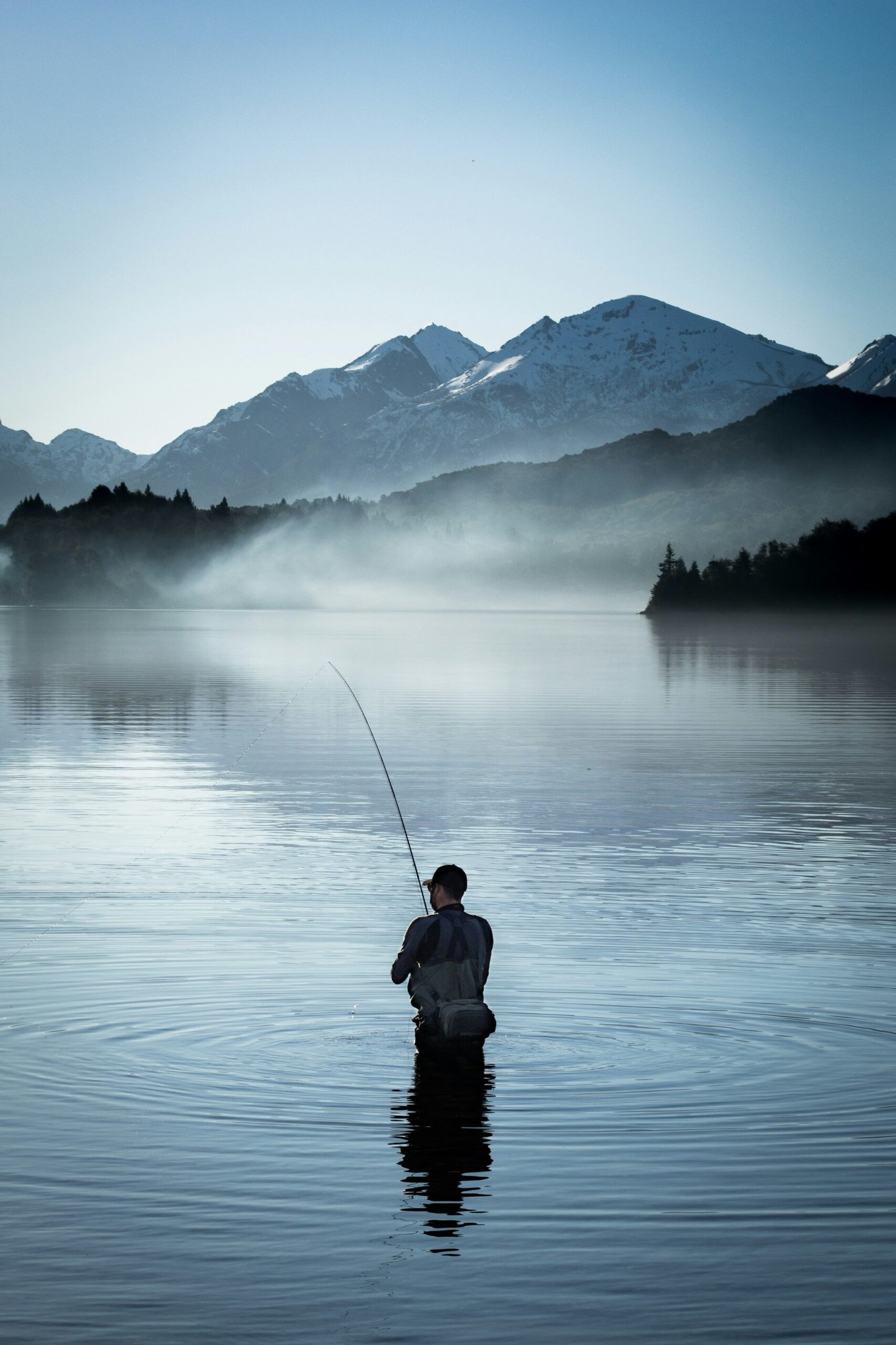
The clarity of the water means you’ll see fish before they see you, which is terrifying at first and exhilarating once you learn to move like a cautious refrigerator. Seasonal flows and a healthy insect life make it possible to fish effectively year-round with the right approach.
This image is property of images.unsplash.com.
When to fish the Upper Sacramento River
Timing matters. You’ll get very different experiences and learning opportunities in spring, summer, fall, and winter. Plan according to what you want to learn — nymphing, dry-fly sight casts, or streamer work.
- Spring: Snowmelt increases flows and churns up the river; nymphing with heavier rigs can be productive. Expect cold water and occasional spates.
- Summer: Low, clear water favors dry-fly fishing early and late in the day; hatches can be spectacular. You’ll learn stealth and subtle presentation.
- Fall: Cooler days and stable flows can produce excellent surface feeding and streamer action.
- Winter: Quiet, less crowded, and technically instructive for reading seams and holding water; dress warmly.
Fish species you’ll encounter
You’ll mostly meet trout that come with attitudes.
- Rainbow trout: Often aggressive, especially in higher water; good targets for streamers and nymphs.
- Brown trout: Wiser and more nocturnal; excellent schooling potential and rewarding when fooled on dries or streamers.
- Other species: Occasional smallmouth or resident minnows; keep your focus on trout unless you collect obscure bragging rights.
Behavior and habitat
Trout seek current seams, behind rocks, and in undercut banks. If you learn to spot the places where food funnels, you’ll stop relying on luck and start relying on pattern recognition — which feels much more adult.
This image is property of images.unsplash.com.
Essential gear and why it matters
You don’t need to be a walking fly shop, but you should bring functional gear. Think practical, not glamorous. You’ll be slowly surprised at how much comfort a good pair of waders will buy you.
Rods, reels, and lines
- Rod: A 9-foot, 5-weight rod is the Swiss Army knife for this river; versatile for both dries and light nymphing.
- Reel: Match the weight class; drag capability matters if you want to land bigger fish.
- Line: Weight-forward floating line is common for dries; add a sinking-tip or full-sink when you want to fish deeper or swing streamers.
Waders and footwear
A reliable pair of breathable waders will keep you on the water longer. Felt soles used to rule, but rubber or vibram soles with studs are safer and legally preferable in many places to prevent spreading invasive species.
Tackle and terminal gear
- Leaders and tippet: 9-foot tapered leaders are common; tippet sizes from 3X to 6X depending on fly size and conditions.
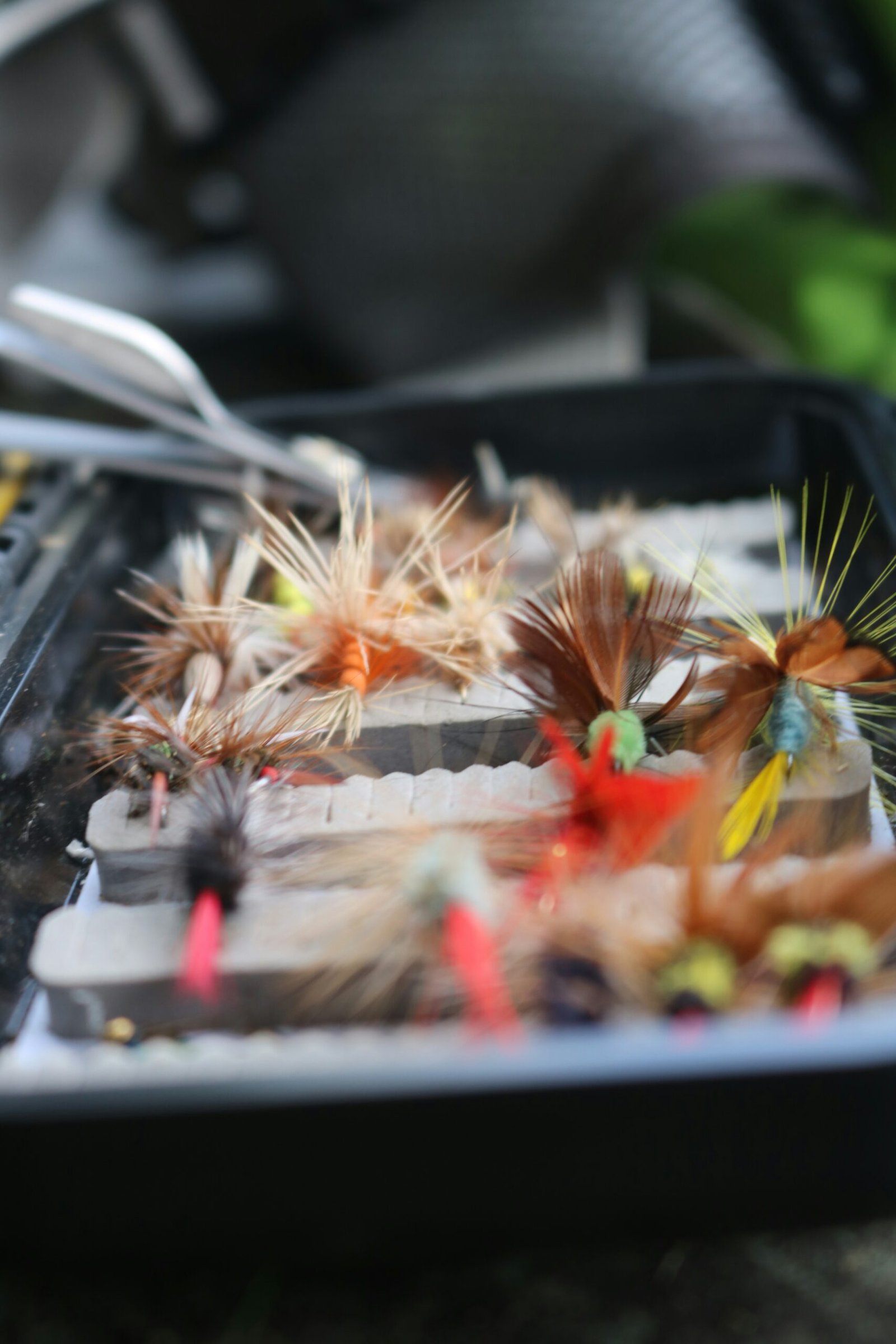
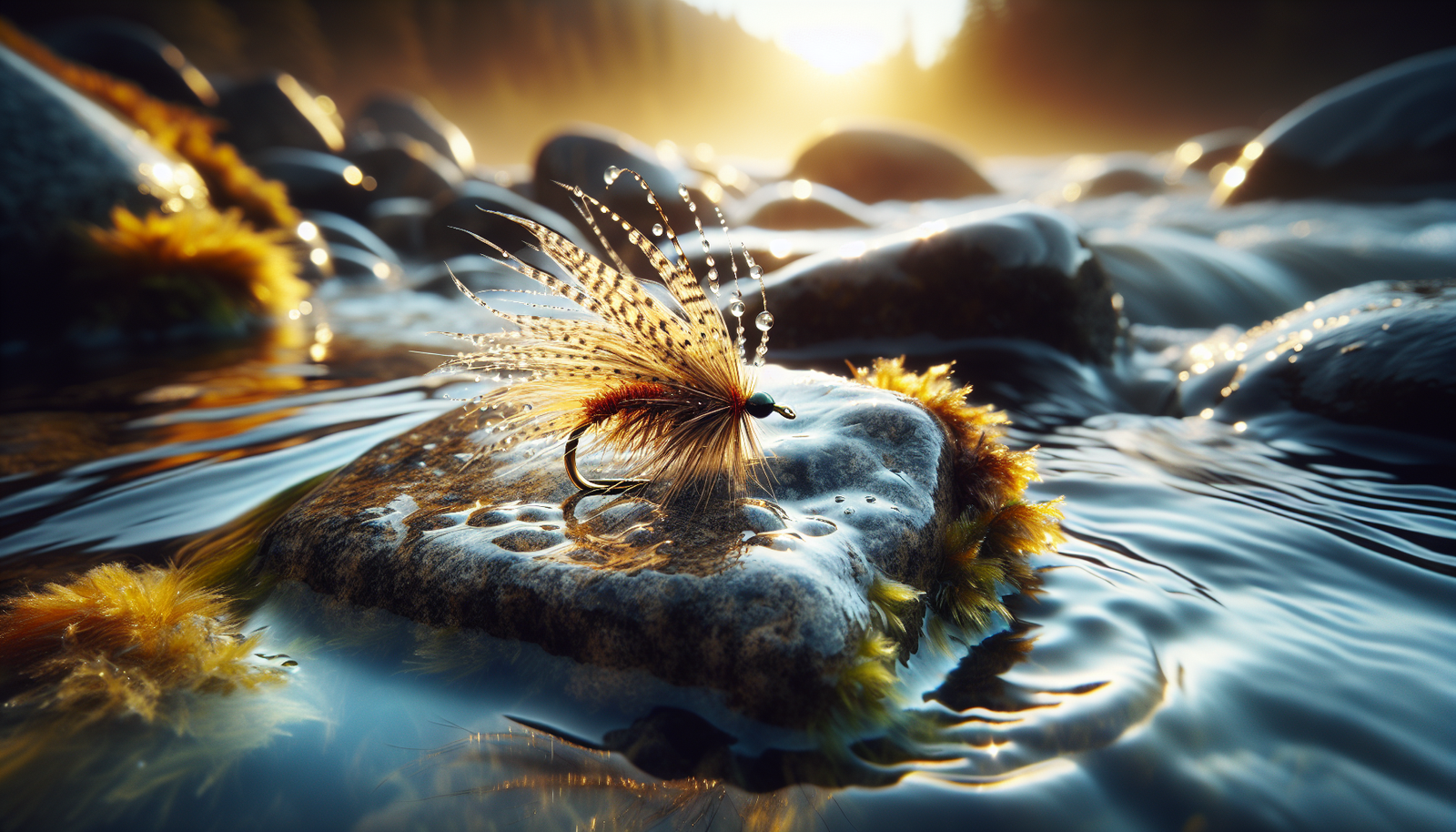
- Flies: Carry a selection of dry flies, nymphs, and streamers. See the flies table below.
- Accessories: Forceps, nipper, floatant, indicator, split shot, and a landing net if you want to feel very official.
Gear checklist (table)
| Item | Purpose | Notes |
|---|---|---|
| Rod (9′, 5wt) | Casting versatility | One rod covers most situations |
| Reel (matched) | Line control | Smooth drag for bigger trout |
| Floating WF line | Dry-fly and general use | Change to sinking-tip as needed |
| Waders (breathable) | Comfort and warmth | Chest waders recommended |
| Boots with Vibram soles | Traction | Consider studs for winter |
| Leaders (9′) | Presentation | Tapered leaders for dries |
| Tippet spool set (3X–6X) | Final connection | Bring at least two sizes |
| Forceps / nippers | Hook removal and trimming | Essential for safety |
| Landing net | Protects fish | Use rubberized net bag |
| Fly box | Organization | Waterproof or compartmentalized |
| Indicator and split shot | Nymphing rigs | For depth control |
| Wading staff (optional) | Balance | Helpful on uneven bottoms |
Fly selection and when to use each
You’ll quickly learn that carrying the right fly at the right time makes you feel less like a tourist. A little knowledge goes a long way.
Fly patterns table
| Fly Type | Pattern Examples | When to Use |
|---|---|---|
| Dry flies | Adams, Elk Hair Caddis, Parachute PMD | Use during surface feeding; mornings and evenings in summer |
| Nymphs | Pheasant Tail, Hare’s Ear, Copper John | All-purpose; heavy flows and below the surface feeding |
| Streamers | Woolly Bugger, Muddler Minnow | When fish are aggressive or targeting baitfish |
| Emergers | RS2, CDC Emerger | During transition phases of hatches |
| Attractor / Terrestrial | Hopper patterns, beetles | Late summer, bankside falls |
Matching the hatch (brief)
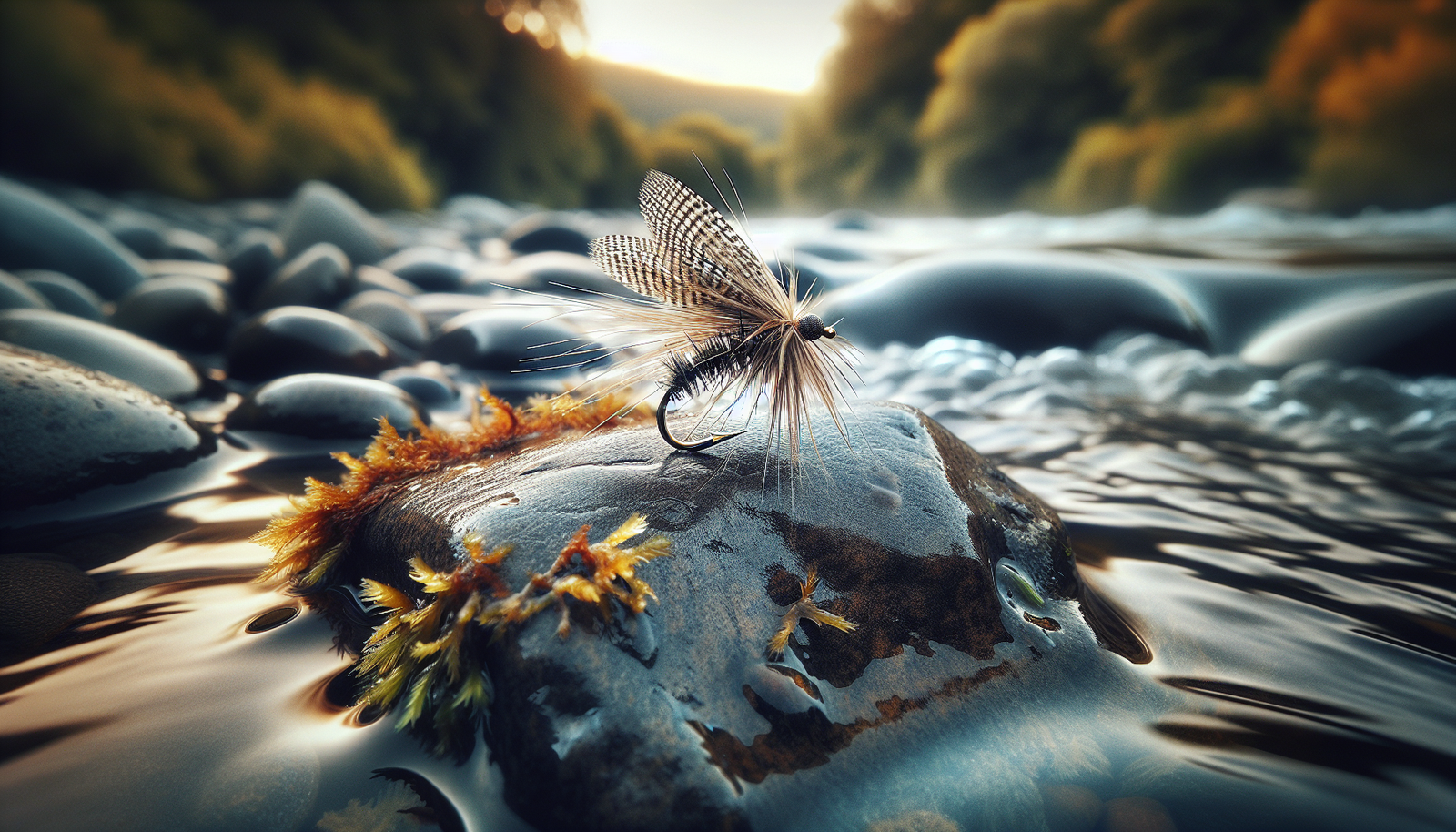
You don’t have to be an entomologist, but notice size, color, and silhouette. If small, dark mayflies are coming off, fish often prefer something slim and olive or tan. If you see fish sipping mid-river, try emergers and small dries.
This image is property of images.unsplash.com.
Techniques and how to practice them
You’ll learn more by fishing with curiosity than by memorizing doctrine. Still, a few techniques should be in your muscle memory.
Casting basics
Start with short, accurate casts. The river rewards gentle presentations more than flashy false casts. Practice controlling the loop and putting the fly where the fish expects food.
- False casting: Use it sparingly — too many false casts can spook fish.
- Roll cast: Essential when space behind you is limited; useful on the Upper Sacramento with trees and canyons.
Nymphing
Nymphing is often the most productive method. You’ll use an indicator, two flies (dropper below), and learn to read depth.
- Rig: Indicator, dropper a foot to two below the indicator, point fly as the heavier nymph.
- Weight: Add split shot or use tungsten beads to get the fly to feeding depth.
- Drift: Aiming for drag-free drift is the whole game — mend your line aggressively to achieve it.
Dry-fly fishing
Dry-fly fishing is romantic and humbling. Present the fly upstream, let it drift naturally, and be patient.
- Approach: Cast slightly upstream of the fish’s feeding lane.
- Strike: Don’t yank immediately; wait for a confident take unless the fly submerges dramatically.
Streamer fishing
You’ll feel like a predator of sorts when you strip streamers. Use an aggressive retrieve and don’t be surprised if fish hit during a pause.
- Retrieve: Vary speeds and pauses; experiment to trigger strikes.
- Gear: Heavier line or a sink-tip can help you get the streamer to the strike zone.
Euro nymphing (advanced but useful)
This tight-line method produces precise depth control and direct contact with nymphs; it requires a specialized setup but is highly effective for the clear, sometimes skinny water on the Upper Sacramento.
Reading the river: where to stand and where to cast
You can learn to read water like a book if the book were written in currents and rocks and punctuated by fish with suspicious eyes.
Water types and how fish them
- Riffles: Fish food-packed; cast just upstream of the seam and nymph through.
- Runs: Contain steadily moving water — very productive for nymphs and streamers.
- Pools: Resting spots for trout — be stealthy and consider a dry or emerger presentation.
- Seams: Where current speed changes are obvious — trout hold here to conserve energy and watch for food.
Wading and positioning
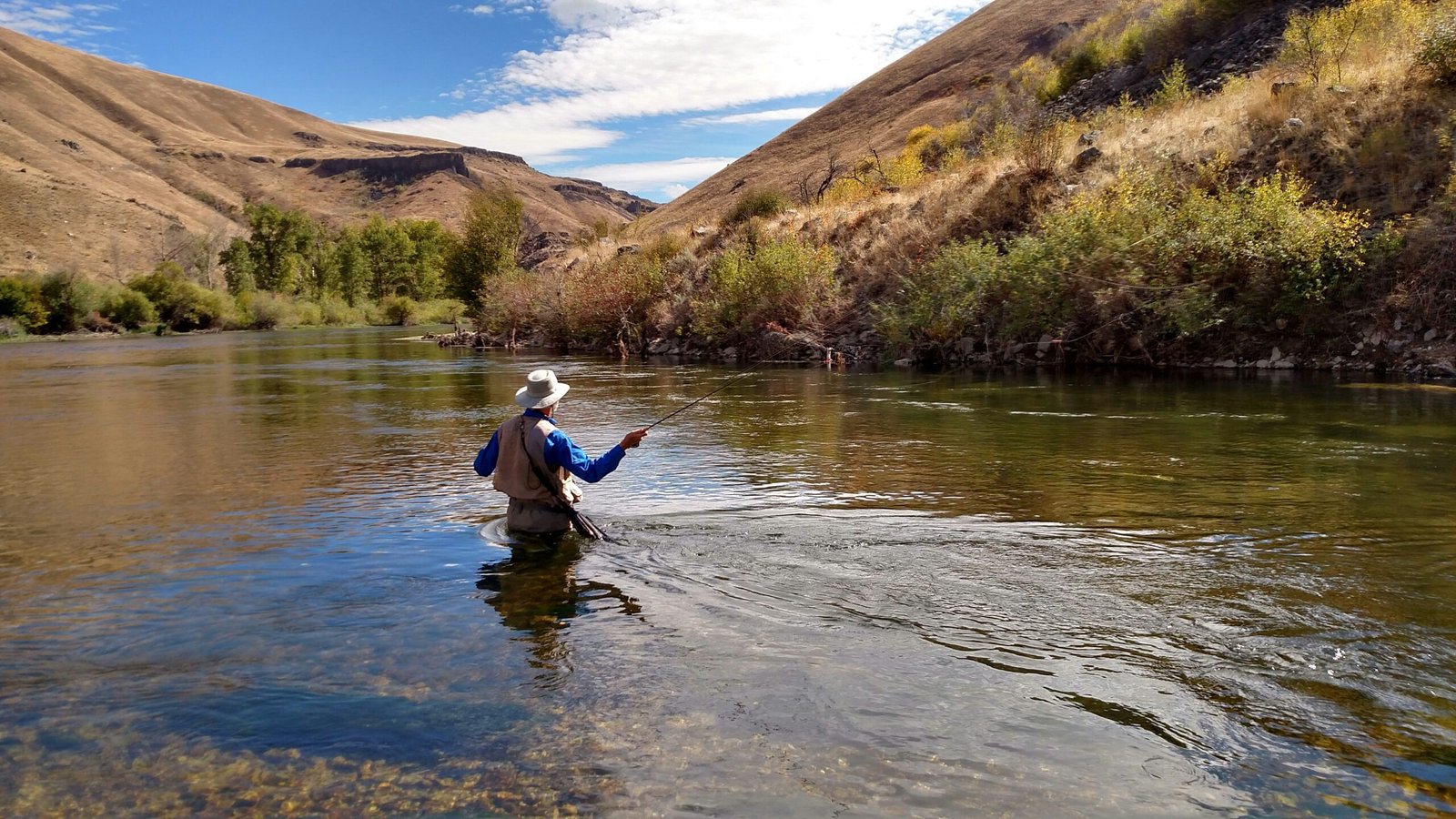
Move slowly and keep low. You’ll find that trout notice movement at odd angles. Change your position to access different water types but never step into a likely lie and think the fish won’t notice.
Safety and river etiquette
You’ll be part of a community that values the water and each other. Learn basic courtesy and safety to make your fishing enjoyable for everyone.
Basic safety
- Check flow rates and weather before you go; the river can change quickly.
- Use a wading staff in strong currents and wear a PFD in deep sections.
- Know how to self-rescue and get home; your phone is useful but often unreliable in canyons.
Etiquette
- Respect upstream anglers: they have first right of way on a run.
- Keep noise low and movements deliberate; others want to fish the same water.
- Pack out everything you bring in; you’re an ambassador for future anglers.
Regulations, permits, and conservation
You must follow local and state rules. They’re not suggestions and they help maintain the fishery for your future self and everyone else.
Permits and seasons
- California fishing license: Required for adults and many youth situations.
- Special regulations: Check for catch-and-release sections, bait restrictions, and any temporary closures.
- Limits: Understand daily limits and size regulations; many sections emphasize catch and release to protect wild trout.
Conservation practices
- Use barbless hooks or pinch barbs down to reduce injury.
- Wet your hands when handling fish and minimize time out of water.
- Decontaminate gear to prevent spread of invasive organisms between waters.
Guided trips, lessons, and learning faster
You’ll progress faster with instruction. A good guide will not only put you on fish but also teach you to think like the river.
Choosing a guide
Look for qualified, local guides with good reviews and an emphasis on teaching. Ask if they provide gear and what the lesson focus will be: casting, nymphing, or reading water.
What to expect
A half-day lesson might cover casting basics and setting up a rig; a full day can put you on multiple water types and give you hands-on troubleshooting. Expect to laugh at your own mistakes and learn from them.
Sample weekend itinerary for learning
You want a plan that balances learning and actual success.
Day 1: Afternoon arrival, gear check, and a gentle lesson in casting on a calm bank. Short wade, practice roll casts.
Day 2: Early nymphing session for feeding fish, midday rest and fly tying or knot practice, evening dry-fly session during hatch.
Day 3: Streamer morning, packing, and a quick debrief of techniques and what worked.
This schedule gives you time to absorb one technique at a time without feeling like you’re cramming for a test you didn’t study for.
Knots and rigging you should know
You’ll tangle your line less if you master a few basic knots. Practice them until you can tie them blindfolded in the dark, or at least tied while standing in a creek shaking like a thermometer.
Essential knots
- Improved Clinch Knot: For tying on flies — simple and reliable for most situations.
- Surgeon’s Knot: For joining tippet to leader or creating a dropper connection.
- Loop Knot (non-slip mono loop): For streamers to allow more fly movement.
Quick knot table
| Knot | Use | Ease |
|---|---|---|
| Improved Clinch | Tying flies | Very easy |
| Surgeon’s Knot | Joining tippets | Easy |
| Non-slip Loop | Streamer attachment | Moderate |
Common beginner mistakes and fixes
You’ll make mistakes — so will everyone. What separates you from a tragic tourist is whether you can laugh and adjust.
- Mistake: Draggy drift | Fix: Mend your line upstream and practice dead-drift techniques.
- Mistake: Overweight nymphs hitting the bottom | Fix: Reduce weight or use a slower sink-rate fly.
- Mistake: Flashy casts spooking fish | Fix: Use shorter, softer casts and approach low.
- Mistake: Using too-big flies on clear water | Fix: Downsize and match the hatch.
Local resources and contacts
You’ll want reliable info beyond this article. Local fly shops, ranger stations, and fishing forums are gold mines for timely conditions, hatch reports, and etiquette.
- Fly shops: Ask about recent hatches and water conditions.
- Online reports: River flow centers and local angler forums post updates.
- Rangers and fisheries biologists: For rules and conservation updates.
Lodging, access, and logistics
You’ll need somewhere to sleep and a plan to get to the water. Choices range from primitive camping to comfortable inns.
- Camping: Numerous campgrounds along or near the river provide close access, but book early in peak season.
- Lodges and inns: Offer heated comfort and local knowledge — often worth the extra expense.
- Parking and access: Respect private property; use designated pullouts and trailheads.
Advanced tips for when you start feeling dangerous
You’ll know you’re improving when your ego grows faster than your skill. Keep humility as a companion.
- Reading subtle currents: Look for line changes and micro-eddies that concentrate food.
- Presentation finesse: Try off-center upstream casts that land the fly in a small pocket of slow water.
- Seasonal patterning: Learn to anticipate insect life cycles and how they affect trout behavior.
Ethical angling and leaving the river better
You represent more than yourself on the river. Act like you care about its future, even if your own future just involves better coffee after an early morning.
- Practice selective harvesting and follow regulations.
- Educate companions on best practices to minimize harm.
- Support local conservation organizations if you can.
Final checklist before you head out
You’ll sleep better if you check these things before you leave your car.
- License and identification
- Waders, boots, and layers for variable weather
- Rod, reel, spare tippet, leader
- Fly box with selection of dries, nymphs, streamers
- Tools: forceps, nippers, floatant, indicator
- Food, water, sunscreen, hat
- First aid kit and emergency plan
Closing notes: what you’ll really learn
Fly fishing on the Upper Sacramento River will teach you patience, observation, and how to control a small object in a very large space with moderately dramatic gestures. You’ll learn that success is incremental and that the most important skill is humility in the face of a trout’s indifference.
You’ll leave with better knots, fewer tangles, a ledger of mistakes, and a memory of a river that will keep calling you back. If you return with stories, make sure they’re truthful enough to be respectable and embellished just enough to be entertaining. Either way, you’ll have found an old remedy for modern life: standing in flowing water, trying to match something that knows more about the current than you do.
If you want, I can create a printable gear checklist, a one-day lesson plan, or a local hatch calendar tailored to the exact section you plan to fish. Which would you prefer next?