Have you ever stood at the base of a mountain so polite it insists you camp several times before it will let you climb it?
Mount Shasta's Best Camping Spots
You’re about to spend time around a mountain that behaves like a proper guest: tall, dramatic, occasionally mysterious, and liable to change plans on a whim. This guide helps you pick the best camping spot for the sort of trip you want — whether that’s a soft, civilized campground with coffee in the morning or a marshmallow-and-stargazing backcountry experience that makes you question why city life ever seemed appealing.
Why Mount Shasta?
You’ll find something for every kind of camper here: alpine meadows, old-growth forest, clear lakes, and volcanic rock that looks like an expensive abstract painting. Mount Shasta isn’t just a backdrop; it’s an active participant in your trip. Learn how to read the mountain’s moods and choose a campsite that complements your temperament.
How to use this guide
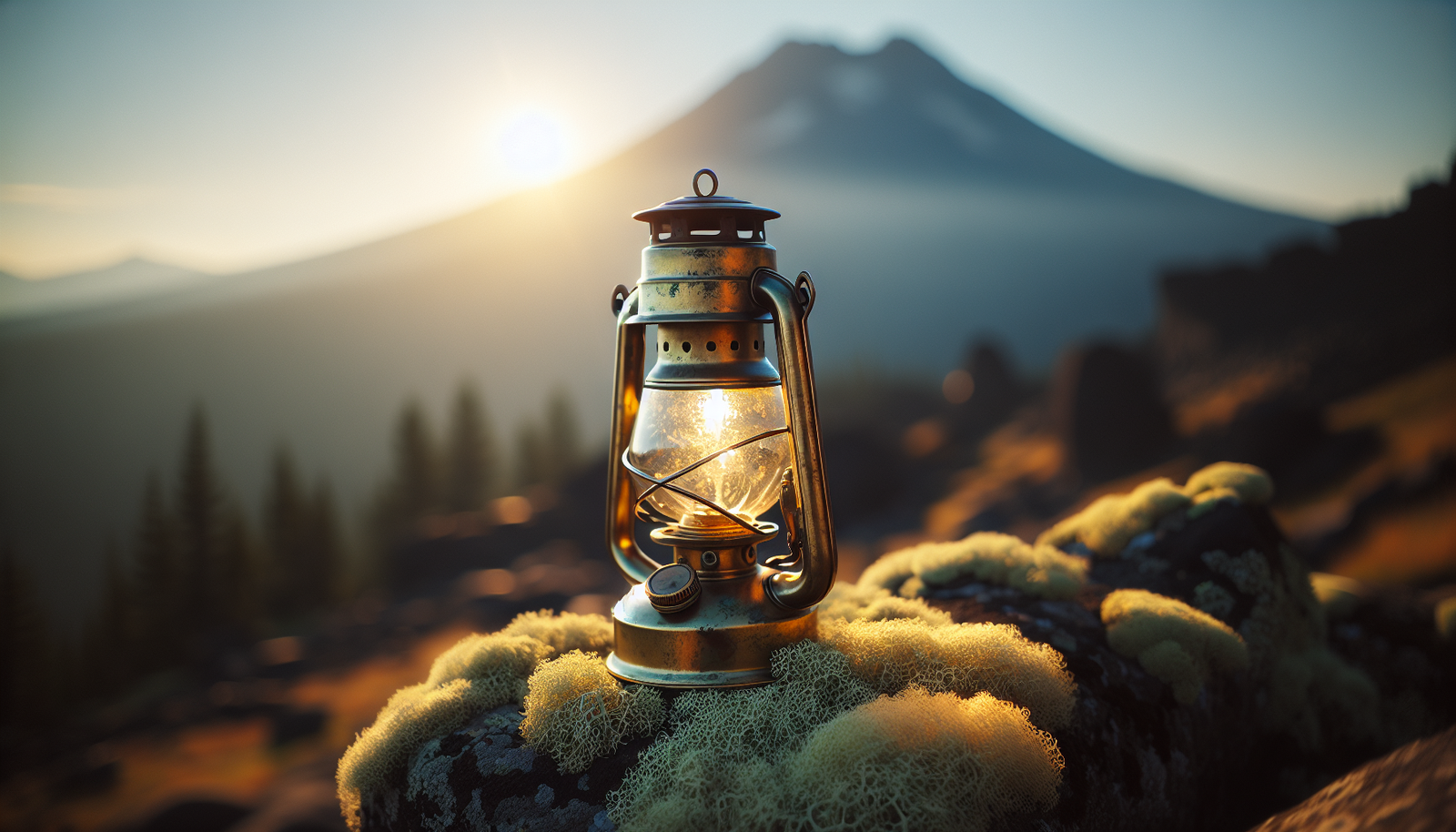
You’ll find descriptions of top campgrounds, backcountry options, practical advice on permits and safety, suggested itineraries, and a gear checklist that will stop you from inventing glorious but unnecessary camping accessories. When in doubt, remember: the mountain will not be impressed by your novelty lantern.
When to go
You’ll want to weigh the seasons like a chef tasting soup: summer is predictable and packed, spring and fall offer fewer crowds but changeable weather, and winter is a special kind of beautiful with deep snow and limited access.
- Summer (June–September): Best for access to most campgrounds and trails, but expect company. Elevations below 5,000–7,000 feet are comfortable by day and cool at night.
- Shoulder seasons (May, October): Fewer people and crisp mornings. Snow can linger at higher elevations, so always check conditions.
- Winter (November–April): For experienced snow campers or those with snowshoes and crampons. Many roads and campgrounds close. If you like cold solitude, this is your mood.

This image is property of images.unsplash.com.
Top campground summary
Here’s a quick table to help you compare the major camping choices. You’ll find a little something snarky in the notes column because life is too short for dry-boned charts.
| Campsite | Type | Elevation (approx) | Amenities | Best for | Reservations? | Notes |
|---|---|---|---|---|---|---|
| Lake Siskiyou Campground (and Siskiyou Lake Resort) | Developed | ~3,000 ft | Flush toilets, boat launch, RV hookups, café nearby | Families, water activities, RVs | Yes (summer) | You can swim, kayak, and convince yourself you’re healthier than you are. |
| Castle Crags State Park | Developed | 1,400–2,000 ft | Restrooms, picnic areas, trails, some RV sites | Hikers, scenic access | Yes (peak season) | Granite spires are dramatic and mildly judgmental. |
| Mount Shasta KOA (or similar private campgrounds) | Developed/Commercial | ~3,300 ft | Full hookups, showers, Wi‑Fi | Comfort campers, RVs | Yes | Great if you can’t let go of hot showers and low-brow mini-golf. |
| McCloud River/Ah-Di-Na area campgrounds | Developed | ~2,000–3,000 ft | Toilets, river access, trailheads | Water lovers, falls hikers | Some | If you love waterfalls, you’ll be whispering sweet nothings to moss here. |
| Forest Service Campgrounds (Clear Creek, Deadfall, etc.) | Developed/Primitive | 2,500–5,000 ft | Vault or pit toilets, picnic tables | Car campers who want quiet | Usually first-come (some reserve) | More rustic, closer to the forest vibe you hoped for in childhood. |
| Bunny Flat / Panther Meadows (Trailhead/backcountry) | Trailhead / Backcountry | 6,900 ft (Bunny Flat) to 9,000+ ft | Limited/no services; backcountry permits may apply | Summit attempts, high alpine camping | Permits for some backcountry | Expect wind, thin air, and magnificent sunsets that humiliate your Instagram. |
| Castle Lake / Heart Lake (backcountry) | Backcountry | 5,800–7,000 ft | No facilities; alpine lakes | Backpackers, photographers | Wilderness permit required | Clear water, fewer people, frogs with better tans than you. |
Note: Always confirm amenities and reservation rules with the managing agency before you go. Agencies can change rules, reopen, or close sites on short notice.
Detailed campsite profiles
You’ll read charming lists elsewhere, but here you get the honest lowdown on what you might actually experience and why each spot is different.
Lake Siskiyou (Lake Siskiyou Campground / Siskiyou Lake Resort)
Lake Siskiyou is the textbook answer for people who like the idea of camping but retain a dignified affection for having a café nearby. The campground has tent loops and RV spaces, and the lake is excellent for swimming, paddleboarding, and easy evening reflections that require minimal physical exertion.
Why you might pick it: You want water, convenience, and the kind of evening where someone plays guitar and no one files a municipal complaint. It’s ideal for families and mixed-ability groups.
What to expect: Shared spaces, friendly neighbors, and sunsets that make you think you might write a poem — and then you will actually forget the last line.
Castle Crags State Park
This state park offers classic granite spire scenery and a network of trails, including routes that lead to spectacular viewpoints of Mount Shasta. Campsites are set among pines and manzanita, and the nearby Sacramento River tributaries keep things green and lively.
Why you might pick it: You want a day-hikeable dramatic outcrop without carrying your life on your shoulders. It’s photogenic and efficient.
What to expect: Breezes, excellent day hikes, and the occasional picnic table that seems to have been placed with architectural intent.
McCloud River and Ah-Di-Na areas
If waterfalls are your religion, McCloud’s three-tiered falls are a pilgrimage site. Campgrounds are generally near water, which means you’ll have the lovely accompaniment of running streams and the sound of your marshmallows getting judgmental.
Why you might pick it: You want river walks and trout-hunting stories (actual fishing requires a license and the patience of someone who enjoys early mornings).
What to expect: Cool, shaded campsites with lots of moss and the smell of wet bark. Great for warm-weather camping.
Mount Shasta KOA and private campgrounds
These campgrounds pamper your camping sensibilities. You’ll get hot showers, level pads, and possibly a nostalgic arcade. They’re for people who plan to hike during the day but still crave a civilized bed at night.
Why you might pick it: You like the idea of a campground but don’t want to misplace your dignity along the trailhead.
What to expect: Clean facilities, occasional children with sticky faces, and that warm, guilty feeling of having made a grown-up choice.
Forest Service Campgrounds (Clear Creek, Deadfall, etc.)
Managed by the National Forest, these campgrounds are spread across the slopes and foothills and offer a broad mix of solitude and convenience. Some are first-come, others accept reservations.
Why you might pick it: You want quieter surroundings without committing to deep backcountry travel.
What to expect: Rustic amenities, fewer crowds than state park campgrounds, and proximity to trails that will make you feel tough without requiring crampons.
Bunny Flat (trailhead) and Panther Meadows (backcountry)
This is the high-country answer: Bunny Flat serves as the primary trailhead for climbers and backpackers. From here you’ll access Panther Meadows, a high-elevation basin with spectacular wildflower displays (in certain years) and a genuine mountain vibe.
Why you might pick it: You’re trying for the summit or you want the kind of night sky that reminds you of adjectives you didn’t know you knew.
What to expect: Thin air, wind that rearranges possessions, and mornings where you will wonder why you ever liked warm beds.
Castle Lake and Heart Lake (backcountry)
These alpine lakes offer superb scenery with fewer people than lower-profile spots. They require a backcountry approach but reward you with reflective water and the kind of solitude that changes your breathing.
Why you might pick it: You want to be alone with a lake and your questionable campfire-cooking skills.
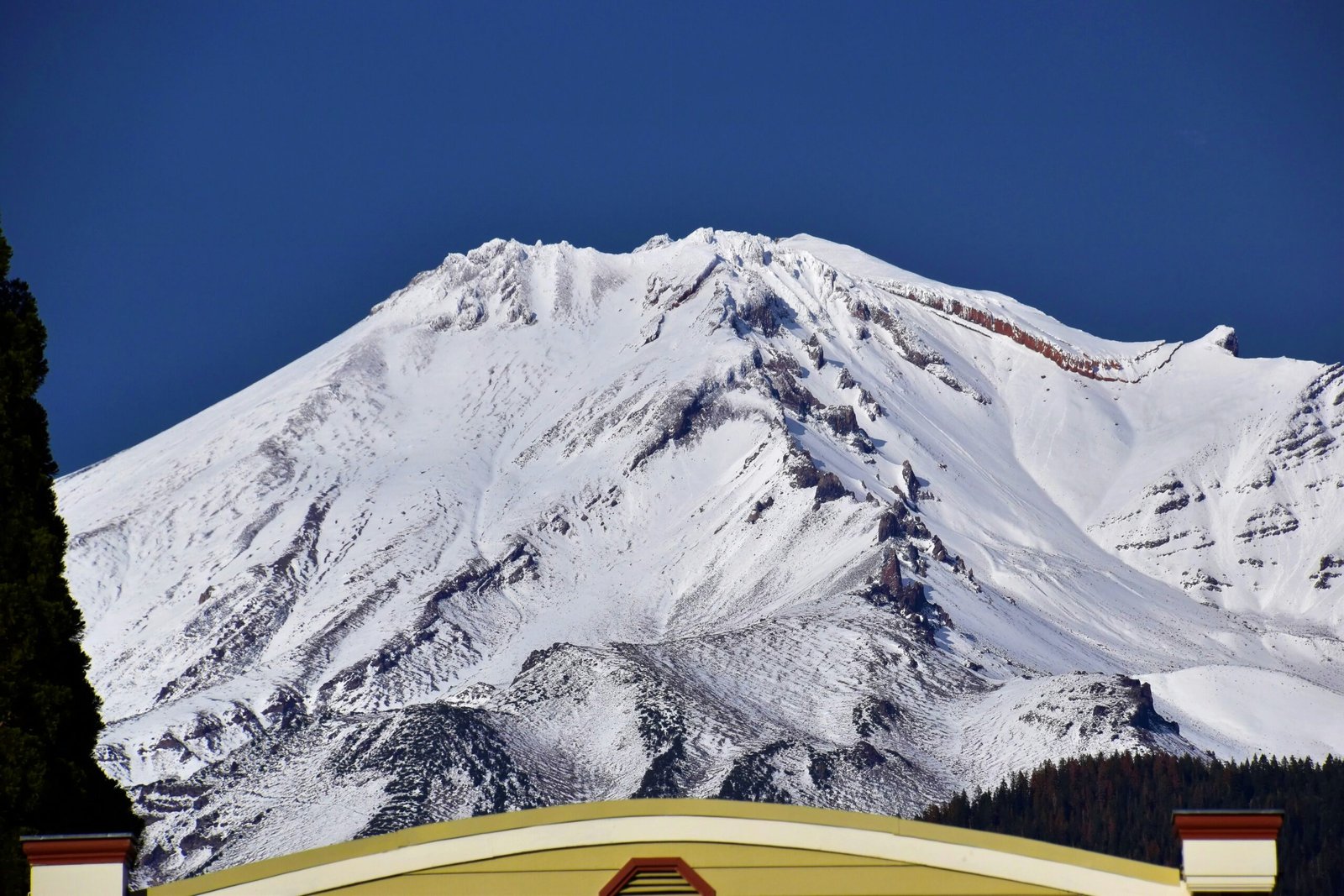
What to expect: Clear, cold water; rocky beaches; and the sudden, almost theatrical presence of the mountain itself, which has opinions.
This image is property of images.unsplash.com.
Permits, reservations, and rules
You’ll want to be practical about the paperwork because nothing spoils poetry like a ranger ticket.
- Developed campgrounds: Many accept reservations through Recreation.gov or the county parks system. Summer weekends fill fast. Reserve early if you have a schedule.
- Backcountry and wilderness: You may need a permit for overnight stays in certain high-use areas (Panther Meadows, for summit attempts, etc.). Check with the Forest Service for current rules.
- Climbing permits: Summit attempts may require permits and registration with the local rangers to assist with search-and-rescue and awareness of conditions.
- Campfire rules: Fire danger changes rapidly. Follow posted restrictions and use existing fire rings. In sensitive alpine meadows, campfires are often prohibited.
- Bear and food storage: Use bear lockers where provided and keep food in vehicles or bear-resistant containers. Don’t be the person who treats wildlife like roommates.
Always check the official Mount Shasta or Shasta-Trinity National Forest websites before you go. They have the last word, and you’d rather not have the last word be from a ticket.
Safety, wildlife, and weather
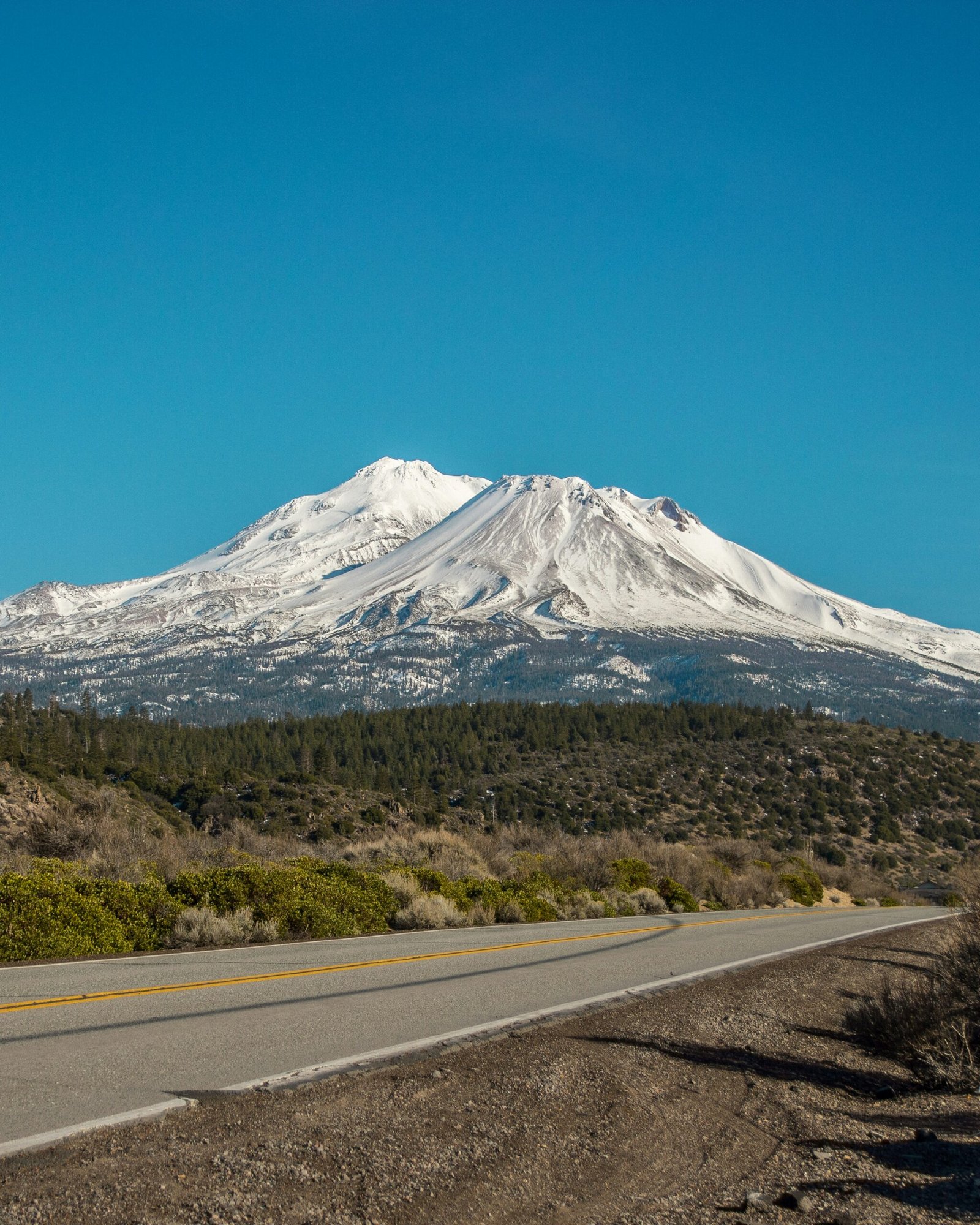
You’ll feel grand until a thunderhead forms directly over your picnic. Safety is mostly common sense plus the humility to turn back.
- Weather: Mountain weather is capricious. Afternoon storms are common in summer. Carry layers and rain protection even on sunny mornings.
- Altitude: Above 6,000–7,000 feet, you’ll notice thinner air. Hydrate, sleep lower if you have altitude sensitivity, and avoid making summit plans on your first morning unless you like headaches.
- Wildlife: Black bears, coyotes, deer, and smaller foragers live here. Store food securely, don’t feed wildlife, and give animals space.
- Trail hazards: Rockfall, loose talus, and steep snowfields can be present. Bring appropriate footwear and trekking poles if you like your ankles.
- Emergency services: Signal can be patchy. Bring a map, compass, and consider a satellite communicator for remote trips. Tell someone your plan and expected return.
This image is property of images.unsplash.com.
Gear checklist (what to bring and why)
You’ll want practical gear, not affectation. Here’s a checklist that helps you stay warm, dry, and marginally heroic.
- Shelter: Tent rated for the conditions you expect. If you plan to camp at Bunny Flat or higher, choose one that stares down wind without crying.
- Sleeping system: Synthetic or down sleeping bag appropriate for temperatures you expect; sleeping pad for insulation and comfort.
- Clothing: Layers — base layer, insulating midlayer, waterproof shell, hat, gloves. Nights can bite early around Mount Shasta.
- Footwear: Sturdy hiking boots for trails; camp shoes if you enjoy the dignity of having warm socks.
- Cooking: Portable stove, fuel, lighter/matches (in waterproof container), cookware, utensils, biodegradable soap.
- Water: Filter or purification tablets for backcountry. Even in lush areas, treat water before you drink it.
- Navigation: Map of Mount Shasta trails, compass, GPS device or app (offline maps).
- Lighting: Headlamp with spare batteries. You’ll be cursing me less if you have one.
- First-aid kit: Include blister treatment, pain relief, and any personal medications.
- Sun protection: Sunscreen, sunglasses, and a brimmed hat. Snow and lake surfaces intensify sun.
- Bear protection: Bear canister or ability to secure food in vehicles if required.
- Communication: Cell phone, and for serious backcountry trips, consider a satellite messenger or PLB.
Campfire etiquette and Leave No Trace
You’ll want to cook your dinner without starting an unwanted forest fire or a neighborhood debate with a ranger.
- Use established fire rings where available.
- Only burn dead and downed wood, if fires are allowed. Never cut live branches.
- Keep fires small and manageable.
- Fully extinguish fires with water and stir until cool.
- Pack out what you pack in; leave nothing that will explain your presence to future campers.
Family-friendly and accessibility considerations
You’ll find plenty of spots suitable for children and older adults; choose lower elevation, flatter campsites with amenities.
- Lake Siskiyou and some private campgrounds offer flat, accessible pads, and nearby water activities.
- Castle Crags State Park has shorter, family-friendly hikes.
- For groups with limited mobility, contact park staff ahead of time to discuss accessible sites and facilities.
Suggested itineraries
Pick a pace and plan according to your fitness and how many s’mores you intend to consume.
2-night weekend (family-friendly)
- Night 1: Lake Siskiyou campground. Set up, swim, and take a short lakeside walk.
- Day 2: Drive to Castle Crags for a day hike. Return to the lake for an easy evening.
- Night 2: Same campground. Pack out with dignity.
3–4 day backpacking (alpine lakes)
- Night 1: Car camp at Bunny Flat to acclimatize and prepare.
- Day 2: Hike to Castle Lake or Heart Lake area, set up camp near water.
- Day 3: Day hikes around the lake or up toward the ridgelines. Enjoy long sunset and cold-water baths.
- Night 3: Return to Bunny Flat or continue down.
Summit-oriented trip (for experienced climbers)
- Day 1: Arrive and camp at Bunny Flat. Check gear and register intent if required.
- Day 2: Move to high camp (e.g., near Horse Camp or Platina levels, depending on route and conditions).
- Day 3: Summit attempt in pre-dawn hours and return to lower elevation for recovery.
Always adjust based on conditions and consult with local ranger stations and guide services.
Hiking and day trips from camp
You’ll have countless trail options radiating off the mountain and along the rivers.
- Pacific Crest Trail section: Accessible in places near Mount Shasta; offers long, scenic stretches for ambitious day hikers.
- Castle Crags Trail: A shorter, steep hike with bouldery viewpoints.
- McCloud River Falls Trail: Gentle walks with multiple waterfall viewpoints.
- Summit routes: Routes like the Avalanche Gulch or North Ridge require technical skills and appropriate safety gear. Don’t improvise.
Photography and nature-watching tips
You’ll find Mount Shasta photogenic in ways that make you want to be a better photographer or an instant poet.
- Sunrise and sunset: The mountain glows; plan for golden hour.
- Reflections: Lake Siskiyou and Castle Lake give glorious, mirror-like reflections early in the morning.
- Wildlife: Early morning and late evening are prime times. Use a long lens and remain quiet.
- Weather drama: Clouds scudding over the summit create dynamic skies perfect for dramatic shots.
Food and camp cooking ideas
Good camping meals are part comfort and part conspiracy against hunger.
- Breakfast: Oatmeal with dried fruit and nuts is resilient and morale-boosting.
- Lunch: Tortilla wraps that avoid crumbling in your pack.
- Dinner: One-pot meals — pasta, chili, or stews. They’re efficient and delicious if you season like you remember your grandmother.
- Snacks: Jerky, trail mix, chocolate. Chocolate serves multiple roles: reward, morale booster, and accidental dessert.
Always pack food securely and store it in approved containers or vehicles.
Firewood and local regulations
You’ll be told repeatedly to avoid bringing firewood from far away. This is not civic authoritarianism but good forestry practice.
- Buy local firewood to avoid transporting pests and diseases.
- If the area forbids firewood burning, respect the order and plan meals accordingly.
- Collecting wood in wilderness areas is often prohibited; follow signage.
Dealing with crowds
You’ll sometimes find the mountain popular, particularly in summer.
- Arrive early on weekends for a better campsite haul.
- Consider weekday trips for solitude.
- For popular trailheads like Bunny Flat, arrive early for parking or use shuttle options if available.
Solo camping tips
You’ll probably feel more introspective alone; that’s part of the magic. Be practical about safety.
- Tell someone your itinerary and check-in expected times.
- Carry a personal locator beacon or satellite messenger in remote areas.
- Choose campsites near other groups if you want a balance of solitude and backup.
Responsible climbing and group dynamics
If you’re coming for climbing, you’ll meet people who love ropes, crampons, and elaborate plans. Respect the mountain and your companions.
- Communicate clearly about goals and abilities.
- Turn back if conditions exceed your comfort or skill level.
- Know basic self-rescue and first aid.
Nearby attractions and side trips
You’ll want to vary your scenery. These are quick detours worth your time.
- Lassen Volcanic National Park (a drive away): More volcanic vistas and hiking.
- Shasta Caverns and Lake Shasta: Boat trips to caverns and scenic water routes.
- Shasta Dam and Visitor Center: Engineering for people who like human-scale astonishment.
Frequently asked questions
You’ll appreciate short answers for quick packing crises.
- Do I need a permit to camp at Bunny Flat? Generally not for car camping at the trailhead, but overnight backcountry spots and summit attempts may require registration or permits. Check Forest Service updates.
- Is Mount Shasta safe for beginner climbers? Some routes are objective-danger heavy and require experience and equipment. Consider hiring a guide.
- Can I swim in Mount Shasta area lakes? Yes, but waters are cold — even in summer. Know hypothermia risks and supervise children.
Final practical tips
You’ll get the most from your trip by mixing humility with curiosity.
- Check conditions just before you go; mountain weather and regulations change.
- Bring a printed map even if you use digital tools.
- Leave a trip plan with a friend and set check-in times.
- Be flexible: sometimes the best nights are the unplanned ones spent in a small clearing with good coffee and questionable storytelling.
If Mount Shasta had a personality test, it would have a few contradictions: austere yet nurturing, severe yet playful, the kind of houseguest that rearranges your furniture and then leaves your plants thriving. Choose a campsite that suits your needs, bring sensible gear, and you’ll come back with stories about nights so quiet you could hear your thoughts unpacking themselves.