
?Have you ever imagined that a harmless misstep, a too-loud laugh, or a clumsy attempt at being helpful could end up with your name on a placard and your likeness preserved for future generations?
This image is property of images.unsplash.com.
How I Accidentally Became an Exhibit at the Mount Shasta Sisson Museum
You arrive at the Mount Shasta Sisson Museum thinking you will spend an hour looking at photographs, learning about pioneers, and possibly buying a postcard that looks better than your handwriting. Instead, you discover that museums are like small towns: they accept you if you stay long enough, and they immortalize you if you behave in a way that is both memorable and mildly ridiculous. This is a friendly, slightly embarrassed guide to how that happened and what you can expect if you ever find yourself in the same peculiar position.
About the Mount Shasta Sisson Museum
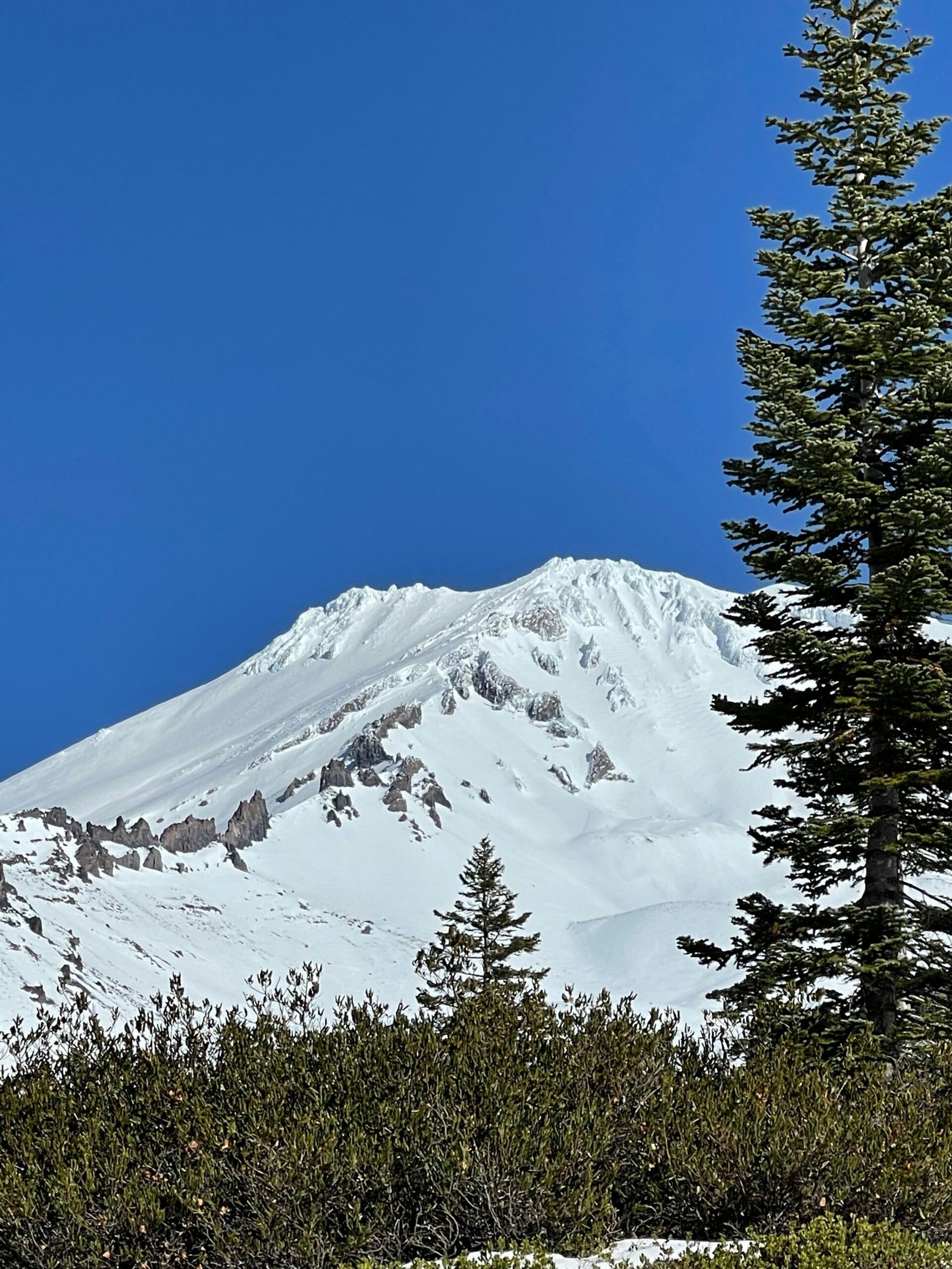
You should know that the Mount Shasta Sisson Museum sits at the heart of Mount Shasta, California, and functions as the local memory bank. It holds artifacts, photographs, and stories of the city's origins, Native American heritage, and the geological drama of the mountain itself. The building is modest, the volunteers are proud, and the collection is curated with the love of people who treat history like an extended family photo album.
The name “Sisson” and local history
You might not realize that “Sisson” was the original name of the town before it was changed to Mount Shasta. Knowing that gives you the sense that the museum is less an institution and more of a carefully tended shrine to local identity. The Sisson family and other early settlers appear frequently in the stories and objects here, which is both endearing and occasionally bewildering if you thought you’d come only for scenic views.
What the museum focuses on
You will find that the museum emphasizes local history: pioneer life, the 19th-century town development, Native American artifacts, and the natural history of Mount Shasta. There are geological samples, mining tools, homestead artifacts, and a surprising number of black-and-white photographs of men wearing large hats and looking like they could have been in your grandfather’s closet. The placement of objects is conversational rather than clinical, which is part of its charm.
The building and atmosphere
You should expect a small building that feels like a lovingly maintained attic with label cards. The volunteers are often retirees with encyclopedic knowledge and an ability to tell the same story three different ways depending on your reaction. The lighting is gentle, the floors creak in a way that makes you feel that history literally sighs under your feet, and the gift shop features a postcard with the mountain and the word “resilience.”
Layout and flow
You will notice the museum is compact: a main gallery, a few side rooms for rotating exhibits, and a small research area. The flow encourages a meandering rather than a guided march, which is why accidents of memory and identity—like becoming an unintentional exhibit—are more probable than in more formal institutions.
This image is property of images.unsplash.com.
Why the museum matters
You will appreciate that for Mount Shasta, the museum is more than a building. It is a community hub that preserves local narratives and artifacts that otherwise might vanish. It supports school programs and local historians and provides a way for residents and visitors to connect with the past.
Community involvement
You should understand that the museum relies heavily on volunteers and donations. Community events often center around the museum: lectures, artifact donations, and seasonal celebrations. It’s the sort of place where your neighbor might be the person cataloguing an old glove you once wore and then casually remarking on how it fit you.
How a normal visit turns peculiar: the accident
You might go to the museum to look, to learn, or to escape the incessant social obligations of a vacation. The moment where you “accidentally” become an exhibit usually starts with small decisions: choosing to stay when the lights dim, offering to help carry a box, or suggesting that the mannequin could use a sweater. Museums have policies about conservation and security, but they are run by humans who prefer to laugh and tell stories. That human element is where the accident germinates.
The chain of events
You will probably recognize the pattern: you volunteer help, you unintentionally rearrange an exhibit for what seems like a clearly better aesthetic, or you become part of a photograph for an internal newsletter you thought would remain internal. A volunteer then uses your phrase, your pose, or your sketch as inspiration for a display. Over time, a label is made—not maliciously, but with a tone of affectionate narrative—and your temporary act acquires permanence.
The plaque: storytelling and consent
You will be relieved to know that most museums, including the Mount Shasta Sisson Museum, do not randomly put people on display without permission. However, “permission” in small towns is flexible; it can occur through social consent, community humor, or through a generous misinterpretation of your willingness to participate. When that happens, the plaque is less legal documentation and more of a narrative flourish.
The wording and humor
You will notice that the wording on such an unofficial plaque often reads like a footnote in a family scrapbook: playful, explanatory, and slightly forgiving. It places your action in context and makes the visitor who reads it feel complicit in a village joke. If you are sensitive, you may dislike this. If you're like most people, your reaction will fall somewhere between laughter and embarrassment.
This image is property of images.unsplash.com.
The museum's notable exhibits you will enjoy
You should plan to spend time at several key exhibits. Each one paints a different facet of Mount Shasta’s identity and will explain, in methodical detail, why a person might linger long enough to be remembered.
Native American artifacts and stories
You will find artifacts from the indigenous peoples of the area. These objects are treated with respect and contextual information, which you will appreciate if you value cultural sensitivity. The displays often include oral histories and photographs of ceremonies, offering a narrative depth that goes beyond objects.
Geological and volcanic exhibits
You will be fascinated by the geological sections devoted to the mountain itself. There are rock samples, diagrams of eruptions, and timelines that illustrate why Mount Shasta is simultaneously a spiritual symbol and a geological threat. This duality is part of what makes the museum's narrative so compelling.
Pioneer life and local industry
You will see tools, clothing, ledger books, and mining equipment that tell the story of settlement, commerce, and daily life in the 19th and early 20th centuries. These artifacts are displayed with a combination of pride and rueful humor about the harshness of frontier life.
Photographs and the human face of history
You will enjoy the portrait gallery: faces of townspeople, children at summer picnics, and factory workers whose names you might see repeated on multiple placards. The repeated names create a sense of continuity—of families that still live in the area and whose stories continue.
Practical visitor information
You will appreciate clear practical information to plan your visit. Below is a concise table with key details that will help you arrive prepared and not accidentally become a weekend-long volunteer.
| Item | Details |
|---|---|
| Location | 151 N Old Stage Rd, Mount Shasta, CA (example address—check current sources) |
| Hours | Typically seasonal; often open Tuesday–Saturday, 10 AM–4 PM (confirm before visiting) |
| Admission | Modest donation suggested; some programs may have specific fees |
| Phone/Contact | Local number listed on museum signage and websites |
| Parking | Street and small lot parking available; can be limited on busy days |
| Accessibility | Ramp access and limited ADA accommodations; call ahead for specific needs |
Tips for planning
You should call ahead if you have mobility concerns or if you want to bring a larger group. Special events can change hours, and volunteers appreciate heads-up when a busload of visitors is expected.
How to avoid becoming an exhibit (if that is your goal)
You will likely be amused by the notion that you can take measures to prevent your accidental enshrinement. These steps are both practical and a little theatrical, which suits the museum's tone.
Practical avoidance strategies
You will want to avoid prolonged involvement in volunteer tasks unless you intend to return. Politely decline offers to “help” reorganize displays. If a volunteer asks you to be photographed, ask for details on use. Keep your smartphone ready to document any moments you would prefer remain ephemeral.
Social strategies
You will adopt a slightly guarded friendliness: amiable, appreciative, and consistent in saying “no thanks” when the conversation turns toward relic handling. Smile, thank the volunteers, and admit your enthusiasm without offering to model the pioneer hat.
If you do become an exhibit: what to expect
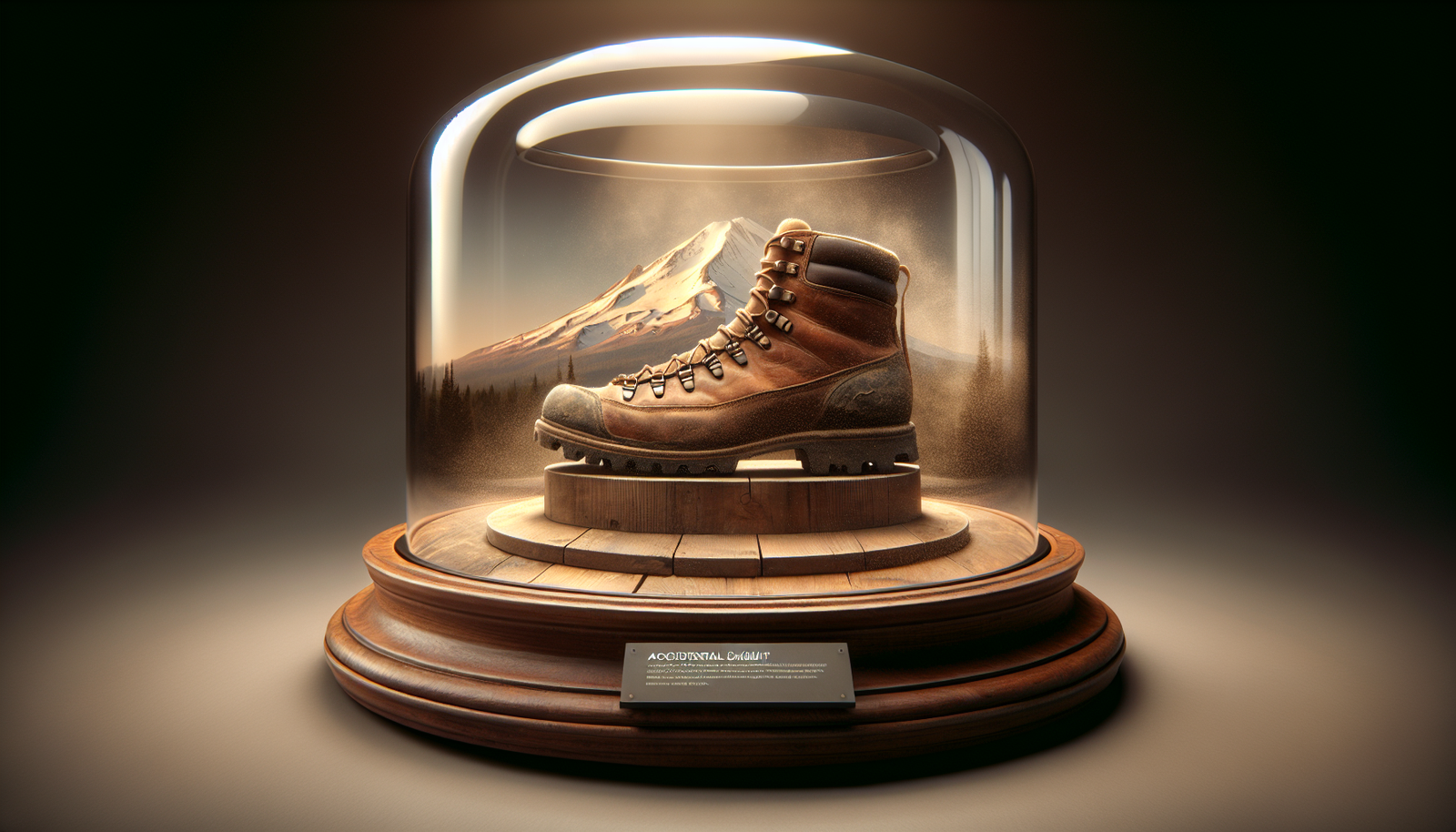
You will probably feel a mix of horror and amusement when you discover a label referencing your behavior. Remember that the museum community is likely honoring you rather than humiliating you. The plaque will be gentle and the narrative forgiving.
Steps to take
You will have options. First, ask for the label text—many times the museum will be happy to show you what was written. If you find it objectionable, you can request an edit. If you are flattered, you can accept and perhaps enjoy the minor celebrity. If you are truly upset, you can ask for its removal; volunteers will often comply because community harmony matters more than permanence.
Conservation basics the museum lives by
You will want to appreciate that museums handle artifacts with rules that might read like protocols in an opera of caution. These practices protect fragile objects and inform how staff interact with donors and visitors.
Handling artifacts
You will notice gloves, tables with felt pads, and signs that politely ask you not to touch. The volunteers are careful; this is their act of devotion. If you are tempted to pick up an object “just for a moment,” resist. Your fingerprints are an unexpected kind of biography for an object.
Environmental control
You will learn that light, humidity, and temperature are the invisible curators of an artifact's fate. The museum balances these elements as best it can, given budget and building constraints. This is why some rooms may feel dimmer or slightly chilly; the museum prefers to preserve items for future visitors.
Ways you can participate responsibly
You will find that participation is welcomed in structured ways: volunteering, donating, or contributing stories to oral history projects. These options let you be part of the narrative without risking accidental statuehood.
Volunteering
You will likely be delighted by the variety of volunteer roles: docents, archivists, event helpers, and cataloguers. Training is offered, and the experience can be oddly addictive; people who volunteer often adopt it as a seasonal habit.
Donations and loans
You will be encouraged to donate artifacts or loan them for special exhibits. If you decide to donate, prepare to provide provenance: the story of the object’s origins and ownership. Museums value the stories as much as the objects.
Oral history and storytelling
You will have the opportunity to record your memories for posterity. These oral histories are treated with respect and can be used in future exhibits. This is the clean, dignified way to ensure your story becomes part of the collection without your physical presence becoming a public fixture.
Policies and ethics
You will want to understand the ethical codes museums follow. Even small community museums adhere to standards about provenance, repatriation, and respectful representation—especially regarding Native American artifacts and human remains.
Repatriation and cultural sensitivity
You will be reassured that modern museum practice increasingly prioritizes the return of sensitive items to their communities. The Mount Shasta Sisson Museum understands these concerns and engages with local tribes when relevant, aiming to handle cultural items with consultation and care.
Nearby attractions and how to make a full day of it
You will appreciate options for extending your visit beyond the museum: hiking, local shops, and historic sites make Mount Shasta more than a single stop. Combining activities helps you avoid lingering too long in any one place—an effective strategy if you wish to remain unexhibited.
Hiking and nature
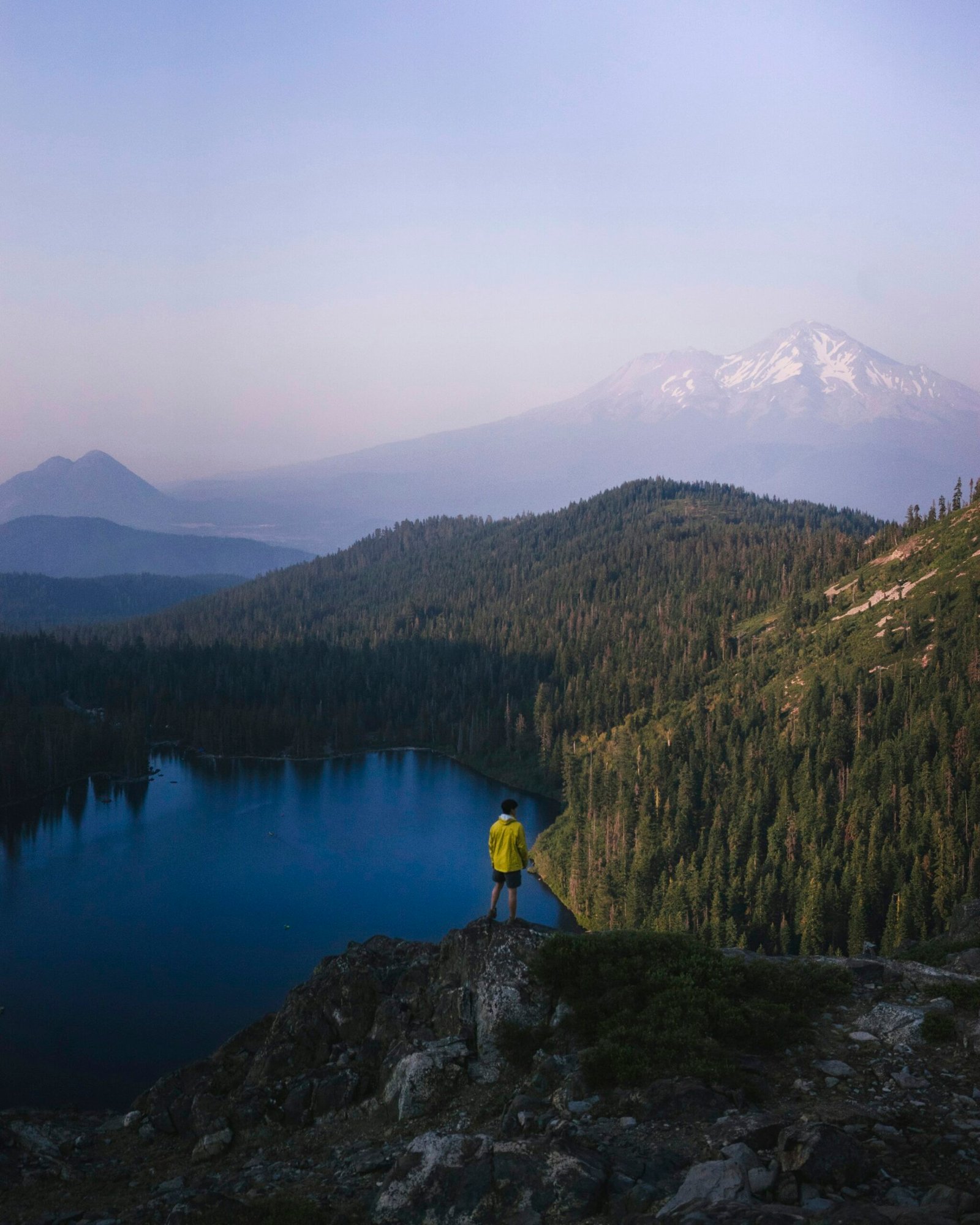
You will find trails that offer views of the mountain and gentle immersion in the landscape that inspired so many legends. The outdoors here asks for appropriate preparation: water, layers, and respect for altitude.
Local cuisine and lodging
You will notice charming cafes and inns that offer comfort after a morning of cultural absorption. Small-town hospitality is often warm and slightly idiosyncratic, which you will likely enjoy.
Sample one-day itinerary
You will benefit from a practical plan to get the most out of your visit without becoming part of permanent display.
- Morning: Arrive in town, have coffee, and visit the Mount Shasta Sisson Museum for a guided walkthrough.
- Midday: Lunch at a local cafe and a stroll through the historic downtown.
- Afternoon: Short hike or scenic drive around the mountain, then return for a community lecture if available.
- Evening: Dinner at a local restaurant and reflection on the day—preferably without reenacting pioneer tasks.
Frequently asked questions
You will find answers to common concerns useful before you go.
Do I need a reservation?
You will rarely need one for the museum, but special programs or group visits may require booking in advance.
Can I photograph exhibits?
You will usually be allowed to take non-flash photographs for personal use. Museums ask you to avoid flash near sensitive artifacts and to respect signage that indicates no photos.
Is the museum wheelchair accessible?
You will want to check current accessibility details with the museum directly. Many community museums offer partial accommodations and will gladly assist if told in advance.
Who runs the museum?
You will find that the museum is typically run by a combination of a board of directors, staff, and volunteers from the local community. Their pride in the collection is visible in every corner of the building.
What not to say when talking to volunteers
You will avoid certain types of comments if you wish to keep interactions pleasant and avoid being immortalized for all the wrong reasons.
Avoid trivializing artifacts
You will not joke about sacred items or question provenance publicly. Treat objects and the people who care for them with curiosity and respect.
Avoid offers to “fix” displays
You will refrain from offering unsolicited curatorial advice. If you are a curator, by all means offer credentials. Otherwise, smile and take notes.
If you leave a trace—how to embrace it
You will sometimes leave a trace: a comment in a guestbook, a photograph, or a funny anecdote that gets retold. If that trace turns into something more, consider embracing it. Humor and humility go a long way in small communities.
How to respond when you discover your plaque
You will either laugh or object. Laughing often buys you goodwill and stories told with your name as punchline for years. If it bothers you, you can request changes; the museum staff wants to maintain relationships with locals and visitors.
Preservation for future accidental exhibits
You will be part of the museum's ongoing story whether you intended to be or not. That realization can be oddly comforting: your small eccentricities become part of the fabric of a place.
Legacy beyond objects
You will understand that museums are as much about stories as they are about items. Your misstep, your helpfulness, and your laugh might all be recorded not as evidence of folly but as evidence of what it means to be human in a community.
Resources and contacts
You will want to confirm current hours, events, and contact info before your visit. Museums change, and volunteers rotate—the human element is part of the charm and the reason you should call ahead if you have specific questions.
| Resource | Purpose |
|---|---|
| Museum phone & website | Confirm hours, events, accessibility |
| Local visitor center | Maps, lodging, and local business recommendations |
| Historical society | Deeper research opportunities and archives access |
| Tribal offices | Consultation about cultural items and repatriation issues |
Final thoughts (a small, sheepish confession)
You will likely leave the Mount Shasta Sisson Museum feeling slightly better informed, a bit more connected to a place that has seen soot, snow, and sturdy optimism. If you find yourself chuckling later at the memory of volunteers and plaques, remember that small-town museums cherish human stories in a way that grandes institutions sometimes forget. If you became an exhibit, accept it as a compliment wrapped in a modest brass plate.
You will also realize that your accidental enshrining is less about personal vanity and more about the museum’s desire to tell a fuller story—one that includes the living, the comic, and the kindly inept. The next time you visit a small museum, you might behave with new caution, or you might lean into the possibility with deliberate foolishness. Either way, you will have become part of a place that values memory, community, and the gentle humor of life around a conspicuous mountain.
If you want specific contact information, directions, or help planning a visit, you should call the museum directly or check local resources for the most up-to-date details. And if you leave your hat behind, there is a good chance you will be invited back, possibly for a portrait. If that happens, you will now be prepared—perhaps with a better hat and a willingness to laugh at yourself.