Have you ever pretended to be a beer snob just long enough to avoid an awkward conversation at a bar?

This image is property of images.unsplash.com.
Mount Shasta Brewing Company and the Confessions of an Amateur Beer Taster
You arrive in Mount Shasta with a map, a backpack, perhaps a legitimate hope to climb something, and a secret affinity for floral-scented IPAs you will never admit to ordering in public. Mount Shasta Brewing Company sits conveniently in that strange space where serious mountain air meets the casual certainty that beer solves most social dilemmas. This article is equal parts guide, confession, and survival manual for your next trip to a small-town brewery, where you will learn to taste more confidently, mispronounce hop varieties with flair, and perhaps accept that your palate is still a work in progress.
Why Mount Shasta is a Natural Home for a Brewery
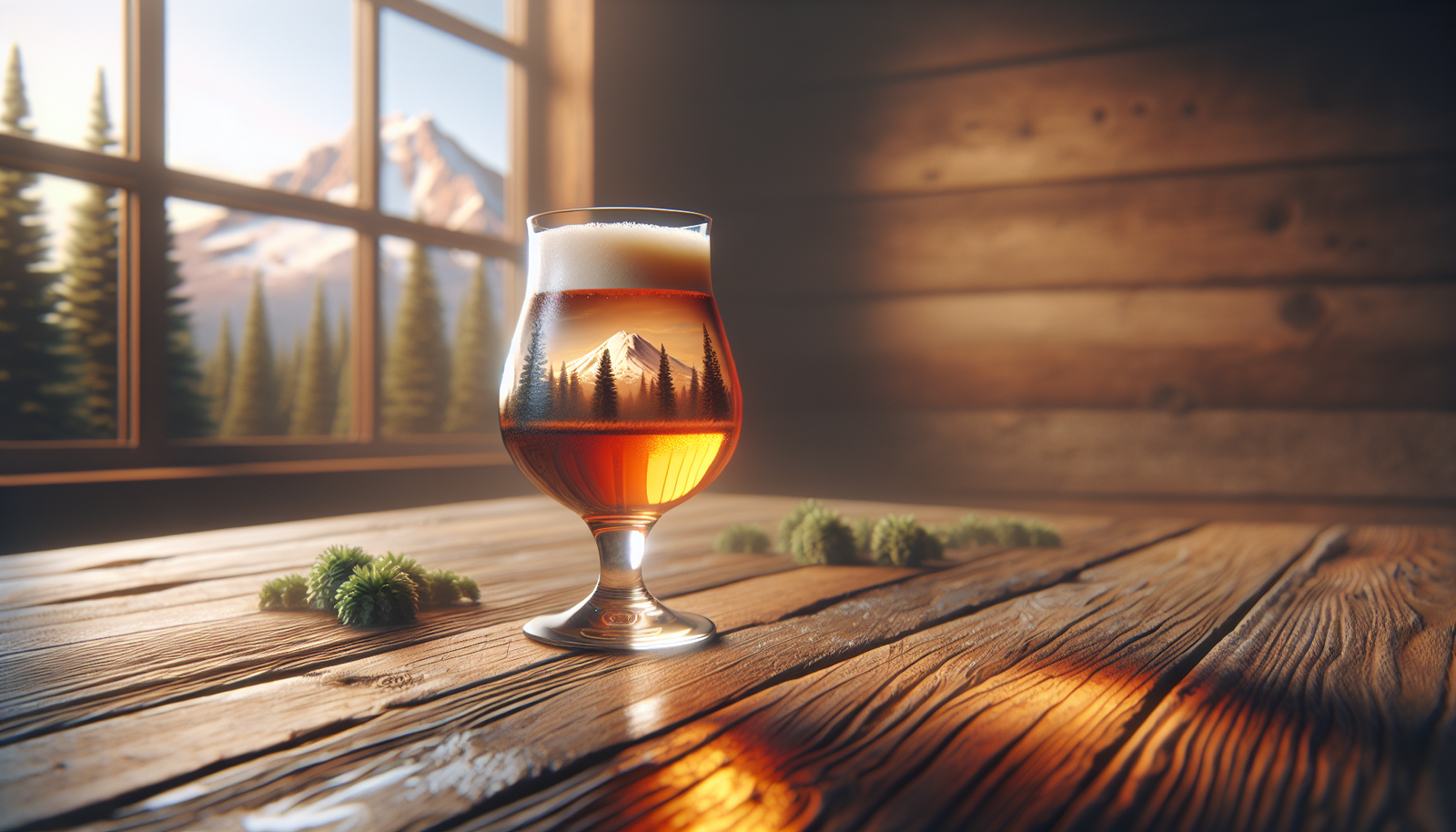
The mountain is a presence you can’t ignore, and it makes you consider everything—water source, altitude, and whether your boots match your beer choice. A brewery in Mount Shasta occupies more than a tasting room; it becomes part of the town’s personality.
You’ll notice the interplay between the alpine environment and the brewery’s character: clean water, seasonal ingredients, and locals who will ask about your hiking plans before they ask about your job. That sense of place matters to the people who brew and to those who sip.
The Atmosphere: Small Town, Big Personality
When you walk into a Mount Shasta taproom, you’ll be greeted by the kind of décor that suggests both a respect for the craft and an acceptance of fuzzy sweaters. There are likely beer awards on a shelf, a chalkboard with witty descriptions, and a handful of regulars who know the brewer’s mother.
That warmth makes the brewery a meeting point for locals and travelers alike. You will often find yourself overhearing stories about trail conditions, recipes passed down from grandmothers, and the latest civic debate—always moderated by a bartender with an understanding of both hops and human temperament.
The Water and the Mountain: Why Location Matters
You don’t need to be a chemist to appreciate that good beer begins with good water. Mount Shasta brings snowmelt and crisp, mineral-balanced water to the brewing process, which influences mouthfeel and clarity without you having to recite pH levels aloud.
This is not to say the mountain is a mystical ingredient sewn into each batch, but its presence is a reassuring detail: the brewery is communing with local resources, which you’ll appreciate as someone who enjoys authenticity in both your scenery and your pint.
This image is property of images.unsplash.com.
A Brief History of Mount Shasta Brewing Company
You appreciate a story that feels like a conversation—one with imperfect grammar, fondly remembered mistakes, and a clear sense of community. Mount Shasta Brewing Company has that kind of origin story: rooted in local ambition rather than corporate spreadsheets.
The brewery grew from a mix of hobbyist homebrewing, conversations at the hardware store, and the kind of stubbornness necessary to start a business in a town where the seasons dictate your opening hours. Over time, it matured—kept a persistent commitment to quality, added seasonal offerings, and likely became a staple on the local scene.
Founding Spirit and Community Roots
A brewery in a place like Mount Shasta typically begins as a passion project. You’ll find that local brewers collaborate with farmers, celebrate seasonal produce, and sponsor quirky community events—things like chili cook-offs and an annual trail cleanup followed by pints.
Those roots mean you’ll probably encounter beers named after local landmarks, inside jokes, and residents who can tell you precisely where the brewer found that unusual hop. That intimacy shapes the beer itself: small batches, careful recipes, and a willingness to try something new.
Growth, Yet Not Too Much
You won’t find sprawling industrial vats or taprooms that double as wedding venues. Instead, you’ll likely see a balanced growth—more cans or kegs heading into nearby towns, a loyal following, and a taplist that honors both standards and experiments.
This measured expansion keeps the beer honest and the conversation authentic. You can watch the place evolve without watching it become unrecognizable, which is comforting when your barstool has begun to feel like a second home.
What to Expect at the Taproom
You will probably be greeted by a menu written in chalk and by someone who cares about the way you pronounce “hazy.” The taproom is where the brewery shows off its best face, practices its hospitality, and reveals its willingness to laugh at itself.
Expect a relaxed seating area, friendly staff who can guide you through a flight, and perhaps a dog under a table begging for crumbs. This is a place built for lingering, and that’s a deliberate choice: beers often taste better when you’ve had the time to get used to the idea of them.
The Taplist: Staples and Seasonal Surprises
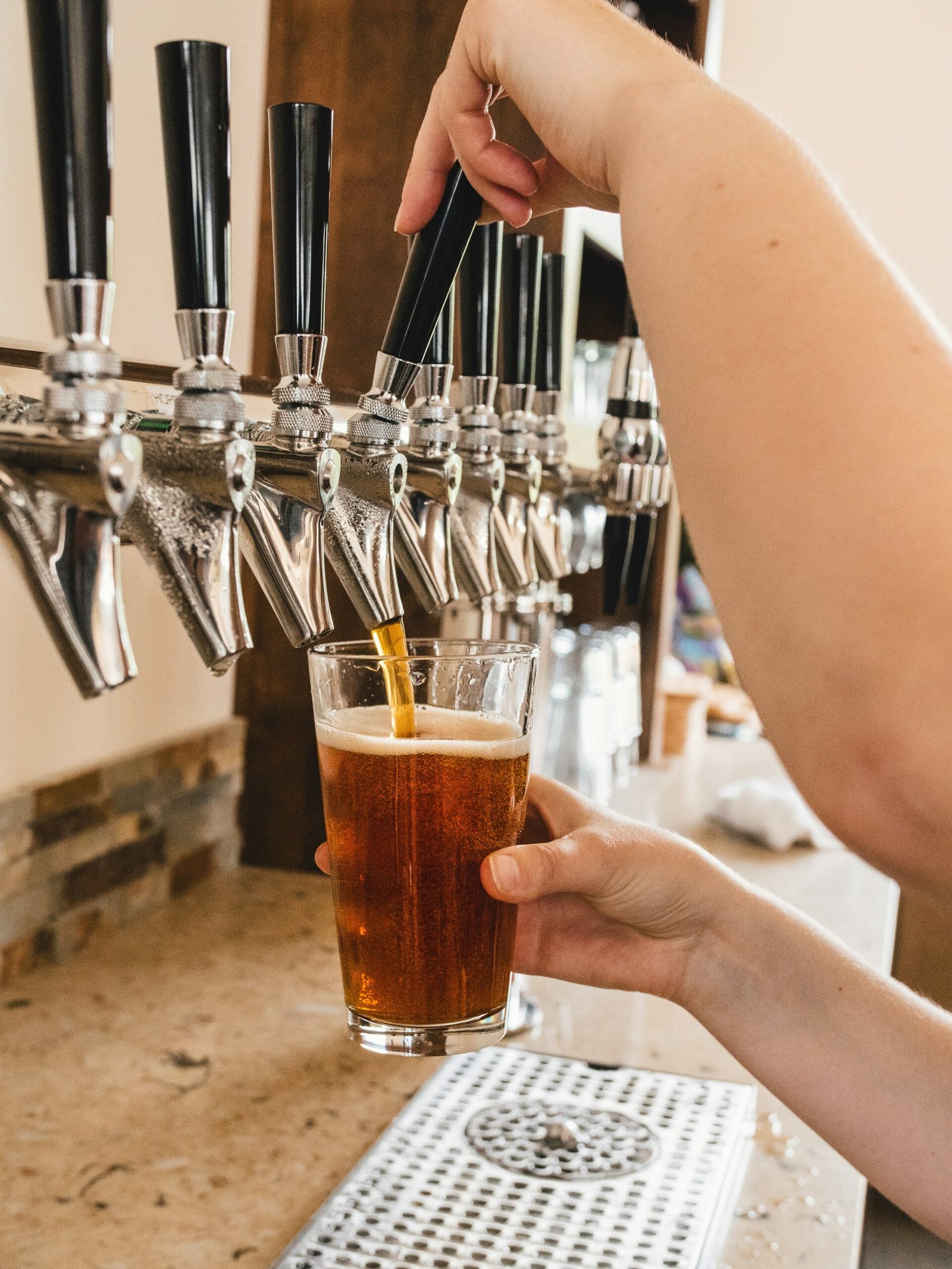
Most small breweries maintain a core set of beers you can rely on: a crisp lager, a balanced pale ale, an IPA, and perhaps a stout. But the fun is in the seasonal pours—berry ales when the fruit is sweet, a spruce-infused winter ale when it’s cold, and experimental batches that test the limits of your taste buds.
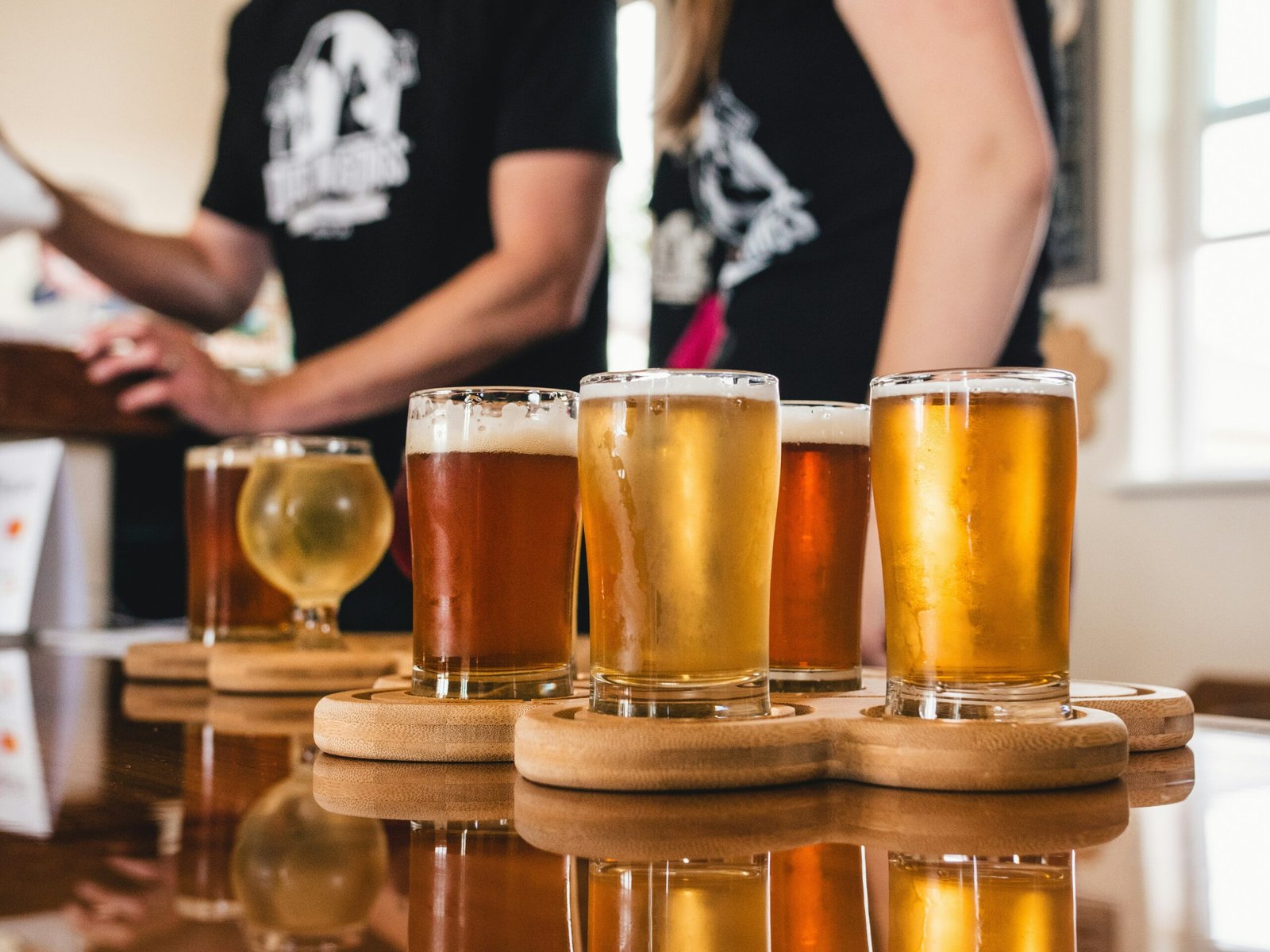
You’ll be nudged gently toward the sampler flight if you’re unsure, and that colorful array will teach you more about your preferences in one sitting than months of waffling over menu descriptions.
Tours, Tastings, and Talking to the Brewer
If tours are offered, they’re likely informal and friendly. You can expect to learn about the brewing process, the source of ingredients, and maybe a story involving a cat that once lived in the boiler room. The brewer will probably answer your questions with a combination of patience and dry humor.
Use this chance to ask about seasonal ingredients and collaborative efforts. Breeders love to show off experimental tanks, and you’ll get a sense of the brewery’s philosophy—whether it’s about strict style adherence, adventurous flavors, or a quirky blend of both.
This image is property of images.unsplash.com.
Confessions of an Amateur Beer Taster
You think tasting beer will be an elegant, meditative practice, but your first attempt involves awkward slurps, dramatic sniffing, and too many metaphors about “citrus notes” you can’t identify. This section is where you admit to yourself that being an amateur is delightful and oddly liberating.
Tasting is not a competition; it’s a conversation between you and the glass. Your confessions will include mispronounced hop names, an unfortunate attempt to copy a sommelier's swirl, and perhaps the revelation that your favorite beer pairs perfectly with leftover pizza.
Your First Flight: Panic and Pleasure
You order a flight to appear decisive, and the server brings four small glasses, each a different color. You squint at them as if deciphering an abstract painting. Your first reaction is confusion; your second is relief when you realize no one is scoring your performance.
Flights are forgiving: they give you options, they create a narrative for your palate, and they teach you to notice texture and balance. Don’t be embarrassed if your notes read more like shopping lists than tasting journals.
The Nose vs The Palate: Where You Usually Go Wrong
You spend ten minutes inhaling and declare a beer “pineapple-forward” only to have your mouth discover bitter orange on the second sip. Aroma is helpful but treacherous—smells are influenced by memory, and your memory often cheats.
Your goal isn’t to be right; it’s to be honest. Say what you smell and what you taste. If someone suggests “resinous hop backbone,” and you’re thinking “rubber-band,” you can keep the honesty to yourself, or you can laugh and own the moment. The latter is more fun.
Pairing Confessions: You Will Pair Badly, Sometimes Gloriously
You once paired a chocolate stout with sushi as a test and felt both proud and foolish. Not all pairings are meant to be traditional; you will discover combinations that make sense on a deeply personal level.
Experiment without pressure. If you like a citrus IPA with a lemon bar, that’s your truth. Let someone else worry about strict rules while you enjoy the unruly art of pairing for pleasure.
A Practical Tasting Guide: How You Can Improve Quickly
You can improve faster than you think by paying attention to a few simple techniques and adopting rituals that make tasting less intimidating and more fun.
This guide gives you clear steps: taste slowly, take notes, compare beers side-by-side, and don’t be afraid to ask questions. You’ll develop a vocabulary that suits you—no need to mimic experts verbatim.
Basic Steps for Tasting Like a Person Who Knows What They Like
- Look: Observe color and clarity. It tells you something about malt and filtration.
- Smell: Three quick sniffs—first distant, then closer, then focused.
- Taste: Sip, roll the beer around the mouth, and breathe gently to lift flavors.
- Finish: Note the aftertaste—how long it lingers and whether it changes.
Remember that temperature affects perception. Too cold and you lose nuance; too warm and alcohol jumps out like a gossip.
Tasting Checklist Table
| Step | What to Do | What to Notice |
|---|---|---|
| Look | Tilt the glass against light | Color, clarity, head retention |
| Smell | Take 1–3 short sniffs | Aromas: citrus, pine, caramel, roast |
| Taste | Sip, let coat the tongue | Sweetness, bitterness, body |
| Finish | Exhale gently | Aftertaste length, warmth, balance |
| Compare | Sip another beer | Differences in hop profile, malt, carbonation |
Keeping a simple checklist helps you build confidence and prevents you from describing everything as “pleasant.”
Common Mistakes and How You Can Avoid Them
You will equate bitterness with badness, confuse fullness with alcohol, and think that darker automatically means stronger. These are normal mistakes you can correct by tasting mindfully.
Avoid these traps by tasting similar styles side-by-side and asking what the brewer intended. If you learn why a beer is balanced the way it is, you’ll better understand whether you genuinely dislike a style or just haven’t met the right example.
Beer Styles You’re Likely to Encounter at Mount Shasta Brewing Company
You’ll find a mix of familiar classics and local specialties. The table below summarizes common styles you might see, with descriptions tailored for an honest taster.
| Style | Typical ABV | Aroma & Flavor | Who It’s For |
|---|---|---|---|
| American Pale Ale | 4.5–6.0% | Floral, grapefruit, caramel malt | You if you like balance and hop charm |
| IPA (Various) | 5.5–7.5%+ | Citrus, resin, tropical fruit; bitter finish | You if you appreciate intensity and variety |
| Lager / Pilsner | 4.2–5.5% | Crisp, grainy, clean finish | You if you value refreshment and simplicity |
| Amber / Red Ale | 4.5–6.0% | Toasted malt, toffee, light hop | You if you prefer malt-forward comfort |
| Porter / Stout | 4.5–7.5% | Coffee, chocolate, roast | You if you adore dessert in a glass |
| Seasonal / Fruit Ales | Varies | Local fruit, spices, experimental | You if you like surprises and variety |
This table gives you a reasonable compass for ordering without needing to pretend you read brewing textbooks in college.
Food Pairings and Local Fare
You are unlikely to starve in Mount Shasta. The local cuisine often complements the brewery scene: wood-fired pizzas, small plates, and hearty mountain fare that pairs well with beer.
Think about contrast and harmony—fatty foods love a crisp lager, spicy dishes get tamed by malty ambers, and chocolate desserts love a roasty stout. You’ll discover serendipitous matches by trial and error.
Suggested Pairings You Can Try
- Crisp Pilsner + Fish Tacos: You’ll find the carbonation cuts through richness.
- Amber Ale + Grilled Sausage: The malt complements caramelized meat flavors.
- Hazy IPA + Creamy Pasta: The fruity hops contrast cream for a bright finish.
- Oatmeal Stout + Chocolate Cake: Match the roasty notes and revel in indulgence.
Don’t hesitate to ask the server for recommendations; they know what works with that day’s taplist and what the kitchen does best.
Events, Music, and Community Life
Mount Shasta breweries often host events that reflect the town’s personality. You’ll find live music, trivia nights, and charity events that bring out the community’s eclectic mix.
These gatherings are less about spectacle and more about connection—you’ll meet hikers, artists, retirees, and kids who are all equally comfortable sharing a table.
Seasonal Festivities You Might Attend
- Summer beer gardens with local bands and food trucks.
- Harvest events celebrating local produce and collaborative beers.
- Winter ales festivals that encourage wearing sweaters inside because warmth is metaphorical and practical.
Attending events is a great way to see the brewery’s role in the community. You’ll collect stories and maybe a heartfelt argument about the correct way to pronounce a hop variety.
Tips for Ordering, Tasting, and Speaking Like You Belong
You can belong without pretending to have invented citrus hops. Use a few practical strategies to enjoy your visit and come across as informed without sounding like an overconfident cartoon.
Ordering Tips
- Ask for a flight if you’re indecisive. It’s not a sign of weakness.
- Start with lower-ABV beers to warm into more assertive styles.
- If you don’t like something, say so politely—brewers prefer honest feedback over quiet disappointment.
Tasting Phrases That Aren’t Pretentious
- “I’m getting citrus and something floral—does that make sense?”
- “This is surprisingly smooth; I didn’t expect the malt to come through.”
- “I like how it finishes clean, with a hint of bitterness.”
These phrases communicate curiosity and taste without sounding like you’re auditioning for a podcast.
Practical Information for Your Visit
You’re reading a friendly, conversational article, not a travel brochure, so here are practical tips you can actually use. Always check current hours and offerings before you go, as small businesses change seasonally.
- Opening hours: Check online or call ahead, especially off-season.
- Parking: Expect casual street or lot parking; bring comfortable shoes.
- Reservations: Not always necessary but useful for large groups or events.
- Dogs: Many small-town breweries welcome well-behaved pups—ask politely.
This list helps you approach the visit with reasonable expectations and a modest chance of success.
Suggested Itinerary for a Relaxed Afternoon
You don’t need to climb the mountain to enjoy the area. Here’s a flexible plan that lets you enjoy nature, beer, and the company of people who will tell you which trail not to take.
- Early afternoon: Hike a short trail for fresh air and an appetite.
- Mid-afternoon: Arrive at the brewery; start with a flight.
- Late afternoon: Pair a pint with a light meal; sample a seasonal pour.
- Evening: Catch live music or browse local shops while the mountain turns pink.
This itinerary leaves room for detours—an unplanned conversation or an impulse purchase of a beer-themed souvenir—which is precisely how meaningful travel often unfolds.
How the Brewery Fits into the Local Economy
Breweries in towns like Mount Shasta are often more than entertainment venues. They provide jobs, support local farmers, and put the town on the map for visitors who otherwise might only pass through.
You benefit from this ecosystem too: better beer choices, more community events, and the satisfaction of supporting a place that gives back. If you feel charitable, buy a growler or a six-pack to go.
Sustainability and Local Sourcing
Many small breweries emphasize sustainable practices—water conservation, local grains or fruit, and waste-reduction programs. You’ll find pride in these efforts, and they often become a topic of conversation when you ask the bartender about the seasonal menu.
If environmental practices matter to you, ask. You’ll likely be pleased with the answers, and you’ll feel better about enjoying that extra pint.
Final Confessions and a Gentle Plea
You may leave Mount Shasta with a newfound confidence in your tasting abilities, or you may return home with the exact same preferences and a dozen funny stories. Both outcomes are valid and delightful.
You’ve learned to taste, to pair, and to be honest with your palate. If you come back having tried a beer called something ridiculous—”Sasquatch Sunrise,” perhaps—you will smile, and maybe you will even order it again.
Parting Guide: What to Remember
- Be curious, not performative.
- Embrace the quirks of local breweries.
- Ask questions—brewers enjoy talking about their craft.
- Take notes, but don’t be afraid to say “I like it” without adding anything else.
If you follow these simple rules, your next visit will be both flavorful and fun.
Appendix: A Handy Tasting Notebook Template
If you want to keep track of your discoveries, here’s a minimal template you can use. It’s simple enough for a sticky note and thoughtful enough to reveal patterns over time.
- Beer name:
- Style:
- ABV (approx.):
- Appearance:
- Aroma:
- First sip:
- Mid-palate:
- Finish:
- Food pairing:
- Would you order again? (Yes/No/Maybe)
Use this template for a few beers and you’ll begin to notice trends: what you like, what you don’t, and which breweries consistently surprise you.
Closing Thought
You came for beer and scenery and left with more than that—you left with a comfortable truth: tasting is an art, but it is also a silly, human activity that benefits from honesty, curiosity, and a sense of humor. When you return to Mount Shasta Brewing Company, you will feel less like an imposter and more like a person with extremely specific beverage preferences, which is a respectable identity to cultivate.
Now, pour another sample into your glass, take that humble, exaggerated sniff, and say exactly what you smell. No one will laugh at you for it—unless you describe everything as “pleasant,” in which case someone will hand you a tasting checklist.