?Have you ever imagined standing on the snowy crown of a volcano with the sun prying the cold from your fingers while you wonder why your sense of adventure always arrives so late?
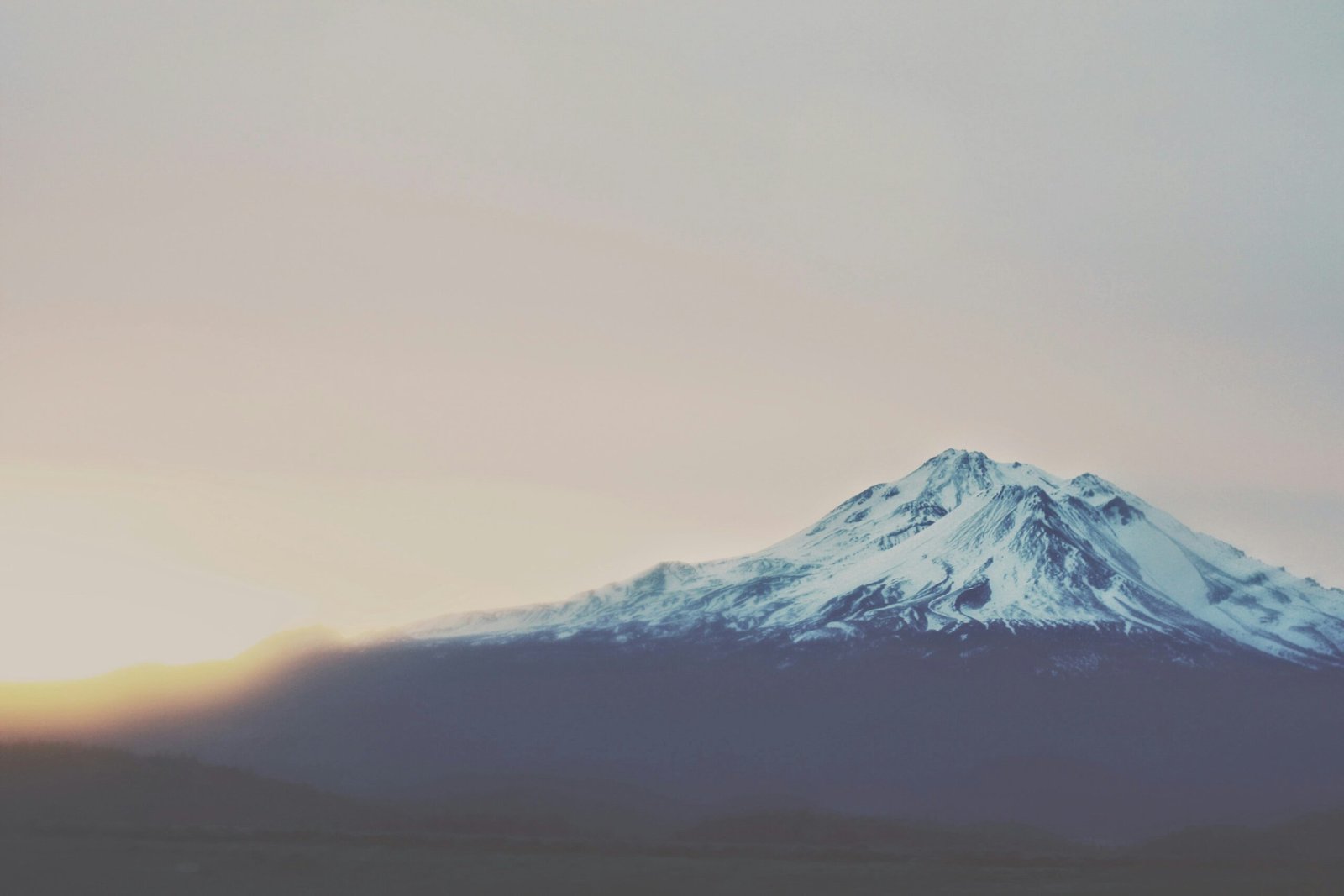
This image is property of images.unsplash.com.
Guided Tours To The Summit Of Mount Shasta
You’re thinking about guided tours to the summit of Mount Shasta, and that’s a very specific kind of madness. Mount Shasta is one of those mountains that looks friendly from a distance — like an oversized cupcake — until you remember it’s 14,179 feet tall, often snow-covered, and prone to weather tantrums. A guided tour can be the difference between a story you tell with pride and a cautionary tale told with the help of a heating pad and a sock puppet for emotional support.
Why Choose a Guided Tour?
When you book a guided tour, you hire expertise, gear, and the kind of steady voice that tells you to keep moving when your legs want to file for divorce. Guides know route conditions, avalanche danger, and the quirks of the mountain. They carry rope, crampons, knowledge of first aid, and an uncanny ability to make you feel both heroic and slightly ridiculous at the same time.
Guides will handle permits and logistics so you can focus on not tripping over a crampon while trying to strike a thoughtful summit pose. If you’re new to high-elevation mountaineering or simply want someone to be legally responsible for your hypothermic decisions, a guide is the prudent — and often hilarious — option.
About Mount Shasta
Mount Shasta is a stratovolcano in northern California and a centerpiece of the Cascade Range. It’s sacred to several Native American tribes and attracts climbers, spiritual seekers, and curious tourists who want the photo that says, “I climbed a volcano and yes, I took the stairs.”
The mountain has several routes to the summit, varying by difficulty, exposure, and the number of times you’ll pretend to be okay while gasping for breath. Weather can be merciless and changeable; storms can appear with the casual brutality of a telemarketer.
Quick Facts
- Elevation: 14,179 feet (4,322 meters)
- Prominence: About 9,800 feet
- Location: Siskiyou County, Northern California
- Common climbing season: Late spring through early summer for snow routes; late summer for the dirt routes
These facts mean you’ll deal with thin air, brilliant sun, and possibly regret — but mostly the first two.
Common Routes and Their Characteristics
There are several common routes you’ll encounter when considering a guided tour. Each has its own personality, like distant cousins who agreed to be part of the same family reunion but never speak.
| Route | Difficulty | Typical Use | Season | Notes |
|---|---|---|---|---|
| Avalanche Gulch | Moderate to Strenuous | Most popular guided route | April–June | Exposed sections, steep snow slope; crampons and ice axe required. |
| Casaval Ridge | Strenuous | Technical, less common | Spring | Mixed rock and snow, more route-finding. |
| Clear Creek/West Face | Strenuous | Non-technical via dirt in summer | July–September | Longer, trail-based approach with less steep snow. |
| Hotlum-Bolam | Moderate | Alternative snow route northern side | April–June | Scenic glacier sections, similar difficulty to Avalanche Gulch. |
You’ll notice “moderate” means your thighs will hate you by midday. “Strenuous” means you’ll form an emotional attachment to your layers.
Avalanche Gulch — The Popular Choice
This is the route most guides use in spring. It’s straightforward in terms of navigation but physically demanding because of steep snow slopes. The higher sections can be wind-scoured and icy, so crampons and an ice axe are non-negotiable.
If you pick this route, expect a long day and a firm sense of accomplishment at the top. The view will make you forget the last hour of your life, which you endured mostly by staring at rocks and making bad jokes.
Casaval Ridge — For Those Who Brag
This is for climbers who enjoy being slightly smug. It requires route-finding, comfort on mixed terrain, and a willingness to climb exposed ridgelines. Guides will help you here, but you’ll still sign up for some personal courage.
This route rewards proper planning and patience. If you like scrambling and the kind of exposure that makes your stomach do interpretive dances, Casaval Ridge might suit you.
Clear Creek/West Face — Summer Alternative
When the mountain melts into giant brown and green slopes, the Clear Creek route becomes tempting. It’s less icy in summer and allows for a longer, more gradual ascent. Guides will often run multi-day trips here to give you time to acclimatize and to move at a human pace rather than hamster-on-a-turnstile.
You’ll share the trail with wildflowers, bugs that think you’re a new tree, and hikers who are inexplicably cheerful at 6 a.m.
When to Go: Season and Weather
Timing can make or break your summit attempt. The classic window for guided snow ascents is late spring to early summer when snow provides a consistent route but the avalanche danger has started to settle. If you go too early, the mountain keeps secrets under fresh powder; too late, and you might be hiking more than climbing.
Weather is notoriously fickle. You should expect sun, wind, and temperature swings. Guides will monitor forecasts closely and may cancel or reroute trips if conditions become unsafe. That’s frustrating, but it beats the alternative of negotiating shelter with a mountain goat.
Typical Season Breakdown
- Spring (April–June): Best for snow climbs, consistent glacier travel, crampons required.
- Summer (July–September): Mixed routes, dirt approaches; fewer technical snow sections but more route-finding.
- Fall/Winter (October–March): Extreme conditions; only for very experienced climbers or those guided by specialists with avalanche training.
You’ll want to schedule with flexibility. The mountain has its own calendar and doesn’t RSVP.
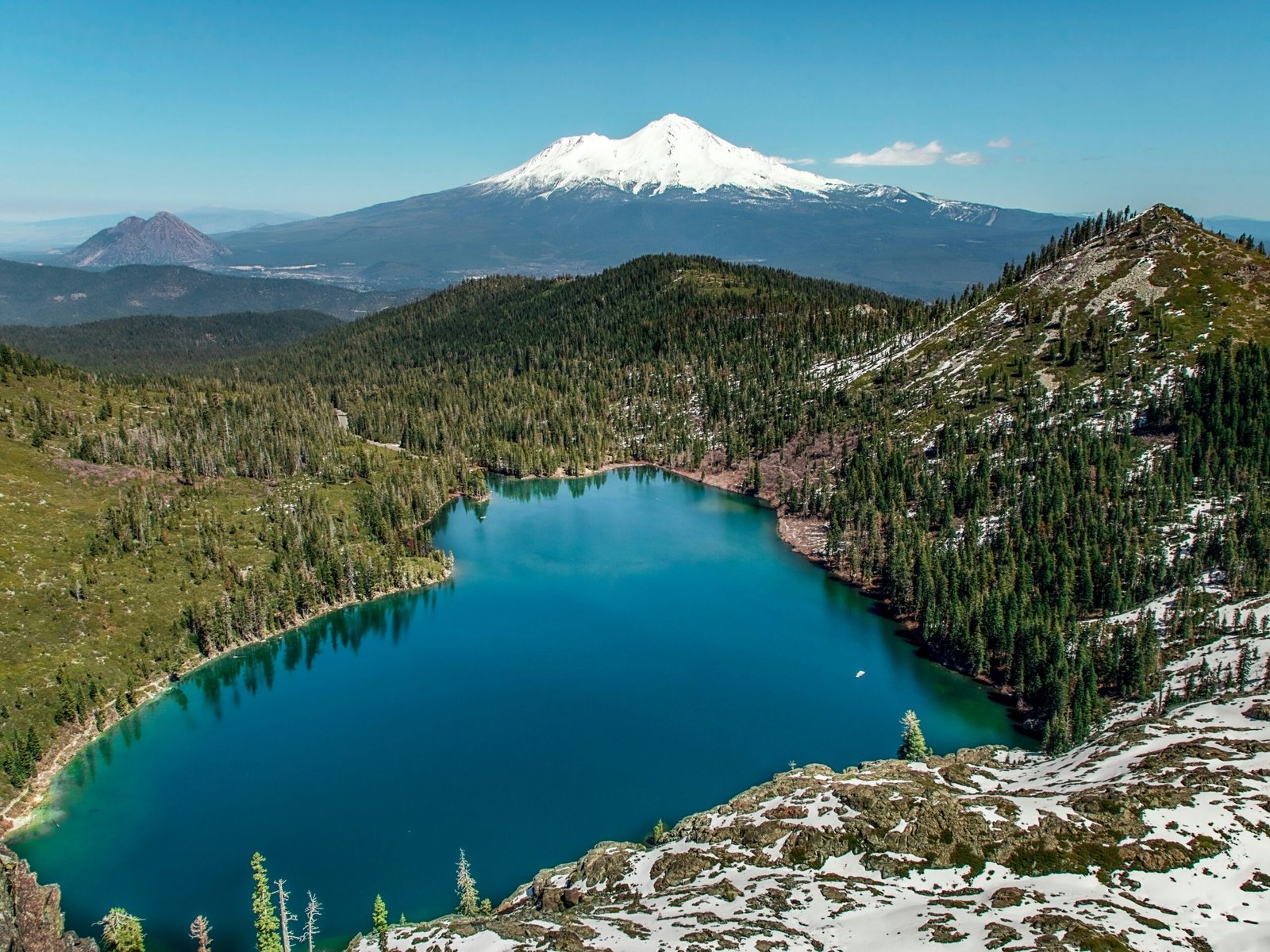
This image is property of images.unsplash.com.
Fitness, Training, and Preparation
Summiting Mount Shasta isn’t a leisurely stroll unless your definition of leisure involves continuous uphill walking with an occasional existential crisis. You should prepare your cardiovascular system, strengthen your legs, and get comfortable with the idea that your lungs will be dramatic.
Training should include long hikes with a loaded pack, interval training for stamina, and strength work for the quads, glutes, and core. If you’re planning for a snow ascent, practice crampon travel and using an ice axe for arrest.
Sample 8-Week Training Plan (Summary)
- Weeks 1–2: Base building — three cardio sessions (45–60 min), two strength sessions.
- Weeks 3–4: Increase intensity — long hike with 10–20 lb pack, interval work once per week.
- Weeks 5–6: Hill repeats, longer hikes (6–10 hours), strengthen core and legs.
- Weeks 7–8: Peak week — two long hikes (full day), taper in final week.
Stick to the program and don’t skip the long hikes. You’ll regret it less than skipping the rest days.
Gear: What You’ll Need
For a guided summit, most companies provide technical group gear like ropes, anchors, and sometimes ice screws. However, you’ll be expected to bring personal items. Think layers, protection, and items that keep you from turning into a sobbing icicle.
Here’s a table for personal gear essentials:
| Item | Purpose | Notes |
|---|---|---|
| Mountaineering boots | Support and crampon compatibility | Ensure proper fit and warmth |
| Crampons | Traction on snow/ice | Rental often available from guides |
| Ice axe | Self-arrest and balance | Practice beforehand |
| Helmet | Protection from rockfall | Usually provided or required |
| Harness | For rope travel | Guides may rent |
| Insulating layers | Mid-layer and down/synthetic parka | Cold protection at summit |
| Waterproof shell | Wind and storm protection | Breathable preferred |
| Gloves (multiple) | Light and heavy pairs | Waterproof overmitts for summit |
| Headlamp | Early starts or late returns | Bring spare batteries |
| Sunglasses + glacier goggles | UV protection | Essential above snowline |
| Sunscreen + lip balm | Prevent burns | High SPF recommended |
| Trekking poles | Help on the approach | Collapsible, with snow baskets |
| Backpack (30–40L) | Carry personal gear | Comfortable hip belt |
| Food + water | High-calorie snacks and hydration | Insulated bottles to prevent freezing |
Guided companies often provide technical rope systems, group rescue hardware, and sometimes tents if it’s an overnight trip. Ask in advance what’s included and what you must rent.
Renting vs Buying
If this is your first alpine foray, renting crampons, ice axes, and harnesses can be cost-effective. However, boots should fit well; rentals can be awkward, and ill-fitting boots can ruin a trip. If you plan more climbs, invest in gear that suits your feet and style.
You’ll be judged, silently, by your sock choices — but mostly by your crampon fit.
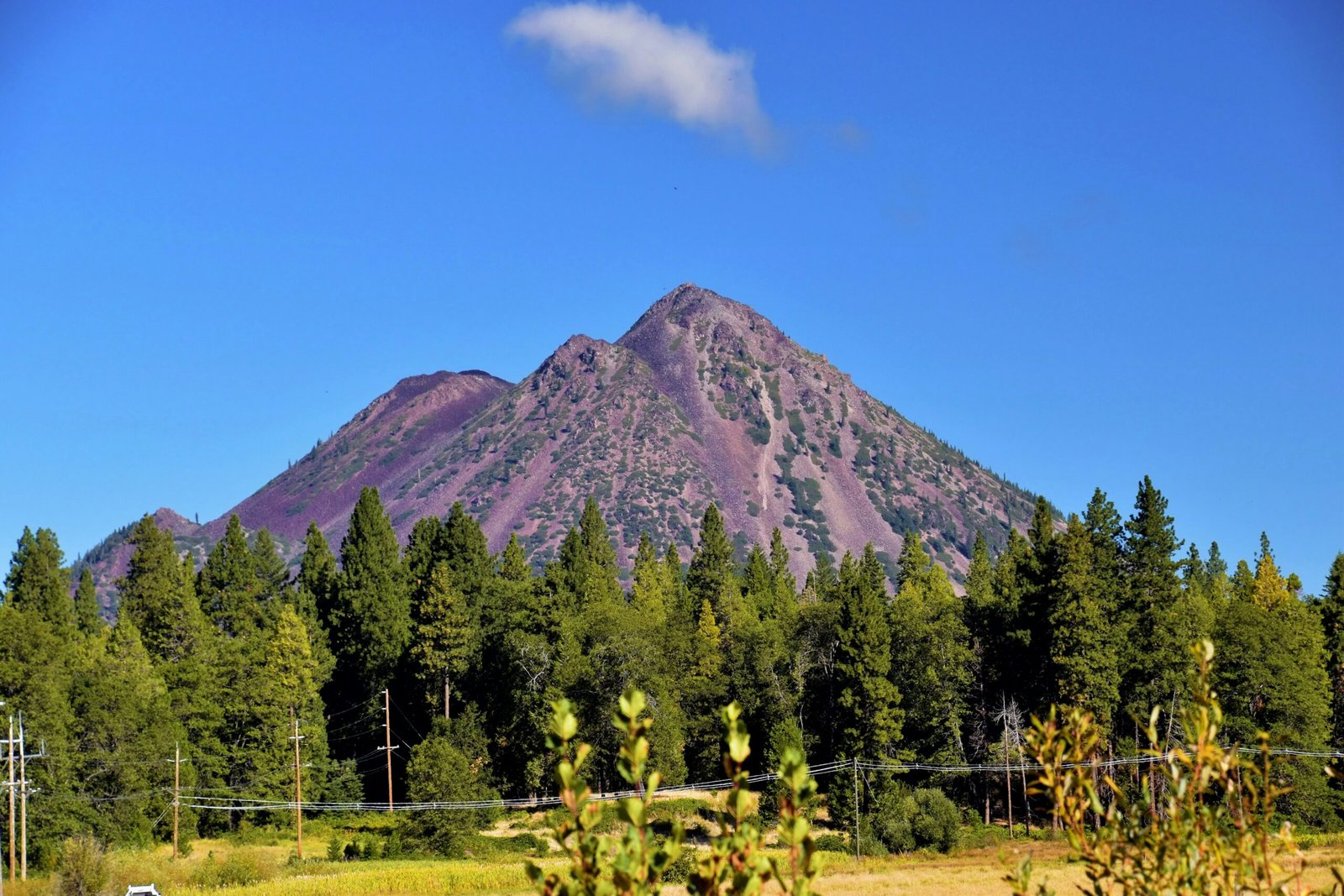
This image is property of images.unsplash.com.
Permits, Regulations, and Environmental Considerations
You’ll need a wilderness permit for climbing Mount Shasta, and some routes require an additional permit or registration. Guided companies often handle permits for you, but you should verify this. Check the U.S. Forest Service or the guide company’s website for the latest regulations.
Leave no trace principles apply. The mountain is sacred to indigenous communities, and you should treat it with respect. Human waste management is critical — many parties use wag bags or pack-out systems at higher elevations.
Permits and Fees
- Wilderness Permit: Required for most overnight trips; day use may also have registration requirements.
- Parking Passes: Certain trailheads require fees or permits.
- Guide Company Permits: Guides may secure special permits for their clients; confirm what is included.
If the guide arranges permits, ask for documentation. You don’t want to find out you’re famous for the wrong reasons at a ranger checkpoint.
Choosing a Guide Company
Not all guides are created equal. When you choose a company, consider certifications (AMGA, UIAGM, etc.), experience on Mount Shasta, group sizes, and whether they prioritize safety over selfies.
Ask about guide-to-client ratios, cancellation policies, and how they handle altitude-related issues. Reviews are helpful, but beware of the overly emotional narratives that hinge on the color of the guide’s jacket.
Questions to Ask a Guide Company
- What is your guide-to-client ratio?
- Will guides carry rescue equipment and have avalanche training?
- What’s included in the trip price? Permits, rental gear, meals?
- How do you handle acclimatization and altitude illness?
- What is your refund/cancellation policy for weather or route changes?
Good companies will answer clearly and take your concerns seriously. If a company’s response is evasive, remember you’re not trying to rent a personality.
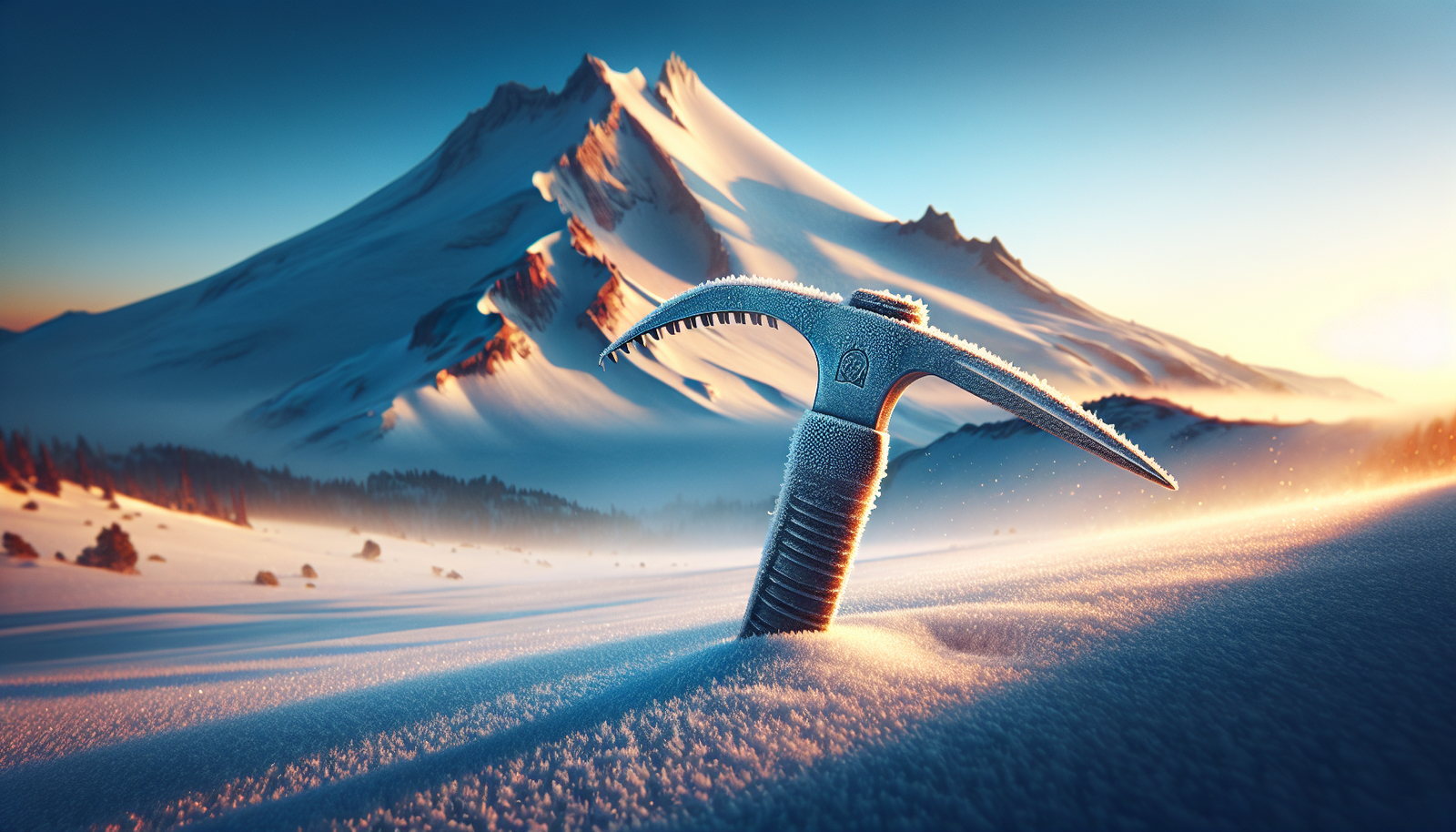
Typical Guided Itinerary
Guided tours vary from single-day summit pushes to multi-day itineraries with cache systems and camp setups. Here’s a sample two-day guided itinerary for an Avalanche Gulch ascent:
Day 1: Arrival and gear check. Short acclimatization hike to 7,000–8,000 feet. Group briefing and practice using crampons and ice axes. Early dinner and rest.
Day 2: Summit push starting between midnight and 2 a.m. Trek upward with breaks for fuel and water. Reach the summit in the morning, brief celebration, and descent to trailhead by afternoon. Debrief and return.
You’ll want to have your camera charged, your socks integrated with your psyche, and a sense of humor for the early start times.
Overnight and Multi-Day Options
For a more relaxed pace and better acclimatization, guides may offer multi-day trips with camp below the summit. These are gentler on your system and give you time to learn skills without rushing. If altitude has historically made you irrational, choose a multi-day option.
Acclimatization and Altitude Sickness
Altitude is the invisible bully on Mount Shasta. Symptoms range from mild headaches and poor sleep to severe, life-threatening conditions like HAPE and HACE. Guided companies typically include acclimatization strategies: gradual ascents, rest days, and monitoring.
You should be honest about past altitude issues. Guides will appreciate candor more than a dramatic summit attempt that ends in a text message to your mother.
Signs of Altitude Illness
- Mild: Headache, nausea, fatigue, shortness of breath.
- Moderate: Worsening headache, vomiting, decreased coordination.
- Severe (medical emergency): Confusion, ataxia, severe shortness of breath, cough producing frothy sputum.
If you or a partner show severe symptoms, immediate descent is the treatment. Guides are trained for this; follow their instructions without bargaining.
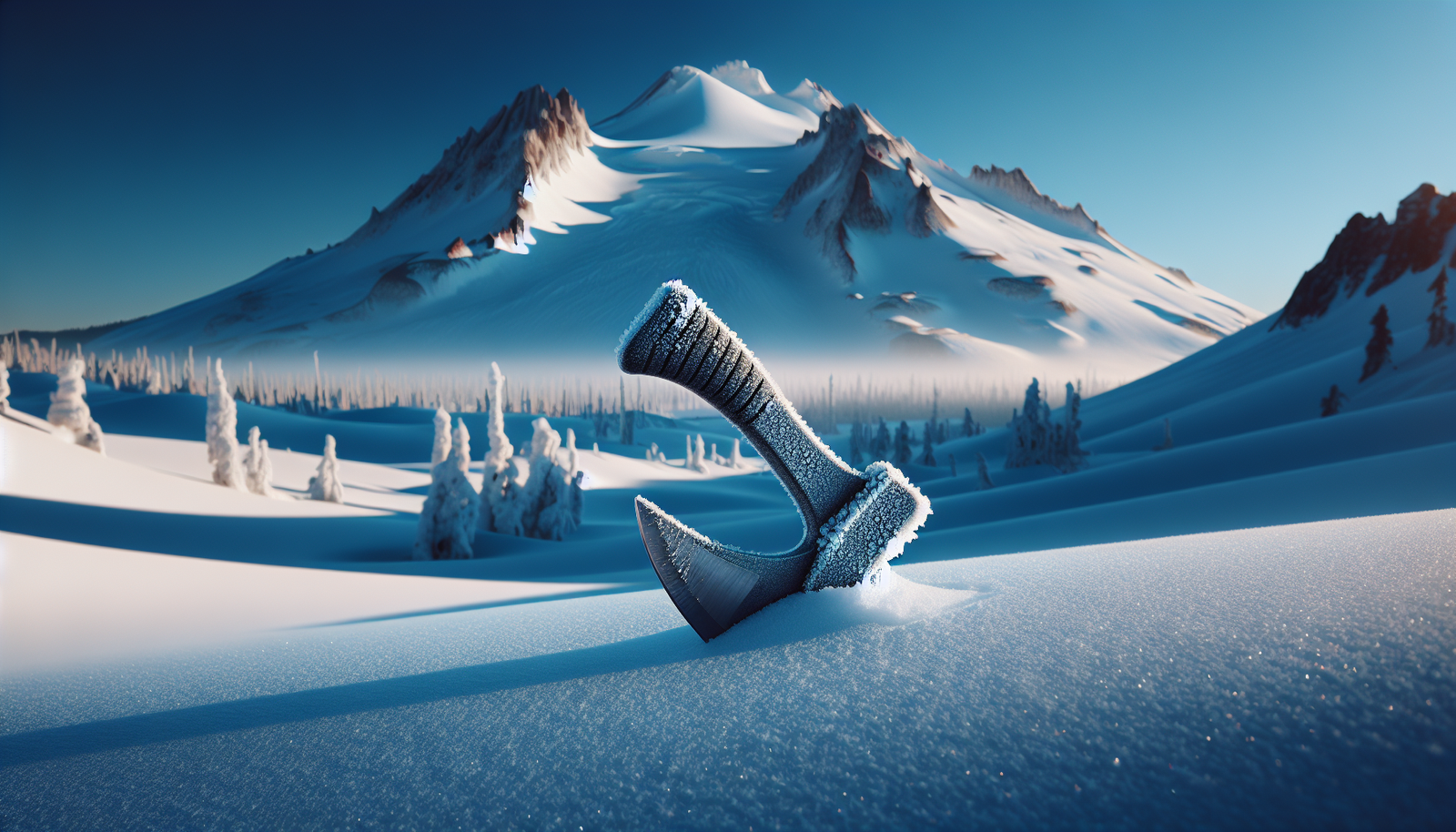
Practical Tips for the Ascent
- Break it into sections: Approach, lower slopes, glacier fields, summit ridge. Mentally finishing each section is more motivating than thinking of the mountain as a single, unkind entity.
- Eat small calories frequently: Your appetite may disappear, but your body needs fuel. Energy gels, bars, nuts, and chocolate are your allies.
- Hydrate proactively: Cold air and exertion dehydrate quickly. Use insulated bottles to prevent freezing.
- Layer strategically: Start cool on the approach and add layers as you climb. Avoid sweating too much, because wet clothing is a fast path to misery.
- Communicate with your guide: If you feel off — dizzy, sick, or unusually tired — tell them immediately. They can adjust pacing, decide on descent, or administer first aid.
Your guide will appreciate honesty more than stoic suffering. Also, you’ll enjoy the summit more if you can still walk.
Photography and Summit Etiquette
You’ll want photos to prove you were there. Guides usually allow short stops for pictures, but remember the summit plateau and ridges can be windy and dangerous. Limit time at exposed points and secure your camera or phone with a tether.
Be mindful of other climbers. Summits are not for long social media sessions. Rotate spots, help each other take shots, and try to keep selfies brief and non-epic in the way that leads to frostbitten fingers.
Best Practices
- Use a wrist strap or tether for cameras.
- Keep battery warm (insulate in your inner pocket) — cold kills battery life.
- Take a quick set of summit photos, then descend to a safer area for lingering snacks and commentary.
You’ll come home with photos and stories; resist the urge to embellish unless you’re writing a novel.
Safety, Rescue, and Emergency Planning
Guides bring training, radios, and rescue plans. Still, emergencies happen. The guide will brief you on procedures, but know the basics yourself: how to use your whistle, what to do if separated, and how to treat hypothermia and minor injuries.
Cell service is spotty. Guides sometimes carry satellite communicators. If you have a personal device, set it up beforehand and know how to use it.
Emergency Items to Carry
- Personal first aid kit and blister care.
- Emergency bivy or lightweight shelter.
- Extra food and headlamp batteries.
- Map and compass, even if the guide is handling route-finding.
These items are small but can make a large difference. Think of them as your insurance policy against being a particularly memorable story.
Cost and What’s Included
Guided climbs of Mount Shasta vary in price depending on company, route, duration, and included services. Expect to pay anywhere from a few hundred dollars for a short day-guided ascent to over a thousand for multi-day trips that include more personal attention and gear.
Typical inclusions:
- Guide services and group technical gear.
- Permits arranged by the company.
- Instruction on rope systems, crampon techniques, and safety.
- Sometimes transportation from a nearby town or basecamp.
Extra costs may include gear rental, lodging, food before/after the trip, and tips for the guides. Tipping is customary if service is good, and guides appreciate snacks as much as gratuity.
What You’ll Remember (And What You Won’t)
You’ll remember the silence near the summit, the vastness of the sky, and the incredible view. You’ll likely forget the name of the person whose boot you saved or the moment you nearly lost a glove to the wind. Memory is selective like that.
You’ll also remember the people who shared the experience — partners, strangers who became temporary compatriots, and the guides who shepherded you. These connections often matter as much as the mountain.
Mental Preparation
Expect highs and lows. There will be moments of pure joy and moments where you question every life choice that led to this hill. Humor helps. Keep it light, keep moving, and remember that the mountain has been climbed many times before and will probably be climbed many times after you.
Frequently Asked Questions
Do I need prior mountaineering experience?
Not strictly, but basic fitness, willingness to learn, and a calm attitude under stress are essential. Guided trips often teach you necessary skills.
Can anyone at any fitness level do the guided summit?
No. You must be in good cardiovascular shape and train for the effort. Guides will screen for fitness and previous medical issues.
How cold is it at the summit?
Temperatures often drop well below freezing, even in summer. Wind chill can be drastic. Dress like you plan to be comfortable for an extended period in sub-freezing conditions.
What happens if the guide cancels due to weather?
Policies vary. Most companies offer refunds or rescheduling. Read cancellation terms carefully and buy travel insurance if you’re worried.
Can I drink the water on the mountain?
Melted snow can be pure, but you should treat or filter water if in doubt. Experts say it’s safer to bring treated water or a filter for longer trips.
Training and Skill-Building Resources
If you plan to climb Mount Shasta, consider these resources and practices:
- Take a basic avalanche awareness course if you’re going in spring.
- Book a day clinic with a guide to learn crampon and ice-axe techniques.
- Hike regularly with a loaded pack and on steep terrain.
- Practice descending in crampons to avoid slips that feel like tiny betrayals.
Guides appreciate clients who arrive prepared. You’ll appreciate yourself more, too.
Final Thoughts
You’re about to sign up for an experience that is part physical challenge, part spiritual inquiry, and part social experiment where strangers become partners in mild suffering and eventual pride. A guided tour to the summit of Mount Shasta offers structure, safety, and someone to tell you whether that last step toward the rim is actually rock or an invitation to gravity.
If you go, be honest with yourself about fitness and fear. Train. Bring the right gear. Communicate with your guide. And allow for the possibility that the mountain will teach you something you didn’t know you needed to learn — including how to breathe properly at 13,000 feet and how much better chocolate tastes when you’ve earned it.
You’ll come down tired, sunburned in places you forgot could burn, and likely with one or two embarrassing stories that only your closest friends will ever understand. You’ll have a photo and a memory that lasts much longer than any overpriced souvenir T-shirt. That’s the real summit: the fact that you tried.