
Have you ever stood next to a river and felt like you’d accidentally stepped into someone else’s carefully curated postcard?
Exploring The Lavish Waters Of McCloud Falls
You’re about to spend time with three waterfalls that refuse to behave the same way twice. One will announce itself politely, another will perform a bold curtain call, and the last will insist on being your poolside concierge. This article gives you practical guidance, a little geology, a few survival hints, and enough conversational nonsense to make you feel like you’ve been there with a friend who occasionally misplaces a map.
Where McCloud Falls Is and How You Get There
You’ll find McCloud Falls near the small town of McCloud in northern California, east of Mt. Shasta and north of Redding. The falls are part of the McCloud River, which runs through Shasta-Trinity National Forest. If you’re coming from major nearby cities:
- From Redding: Take CA-44 east toward McCloud, then follow local signs to McCloud Falls parking.
- From Mt. Shasta: Head south on I-5, take the CA-89/97 connector to CA-89 south and then CA-89/44 east; follow signage to the falls.
- From Sacramento/San Francisco: Plan for a long drive — roughly 4.5–5.5 hours depending on traffic. Take I-5 north.
Parking is usually available at the trailheads for Upper and Lower Falls; during high season or weekends you might have to walk from spillover lots. There are no shuttle services that run regularly between the falls, so plan your vehicle placement accordingly if you don’t want to double back.
Tips for Driving and Parking
You’ll want to have a car with decent clearance if you leave the main roads, though you don’t need a four-wheel drive under normal conditions. Cell service may be spotty — download or screenshot maps ahead of time. Expect seasonal closures or restrictions, especially in winter or early spring.
This image is property of images.unsplash.com.
A Short Natural History (You’ll Sound Smarter at the Trailhead)
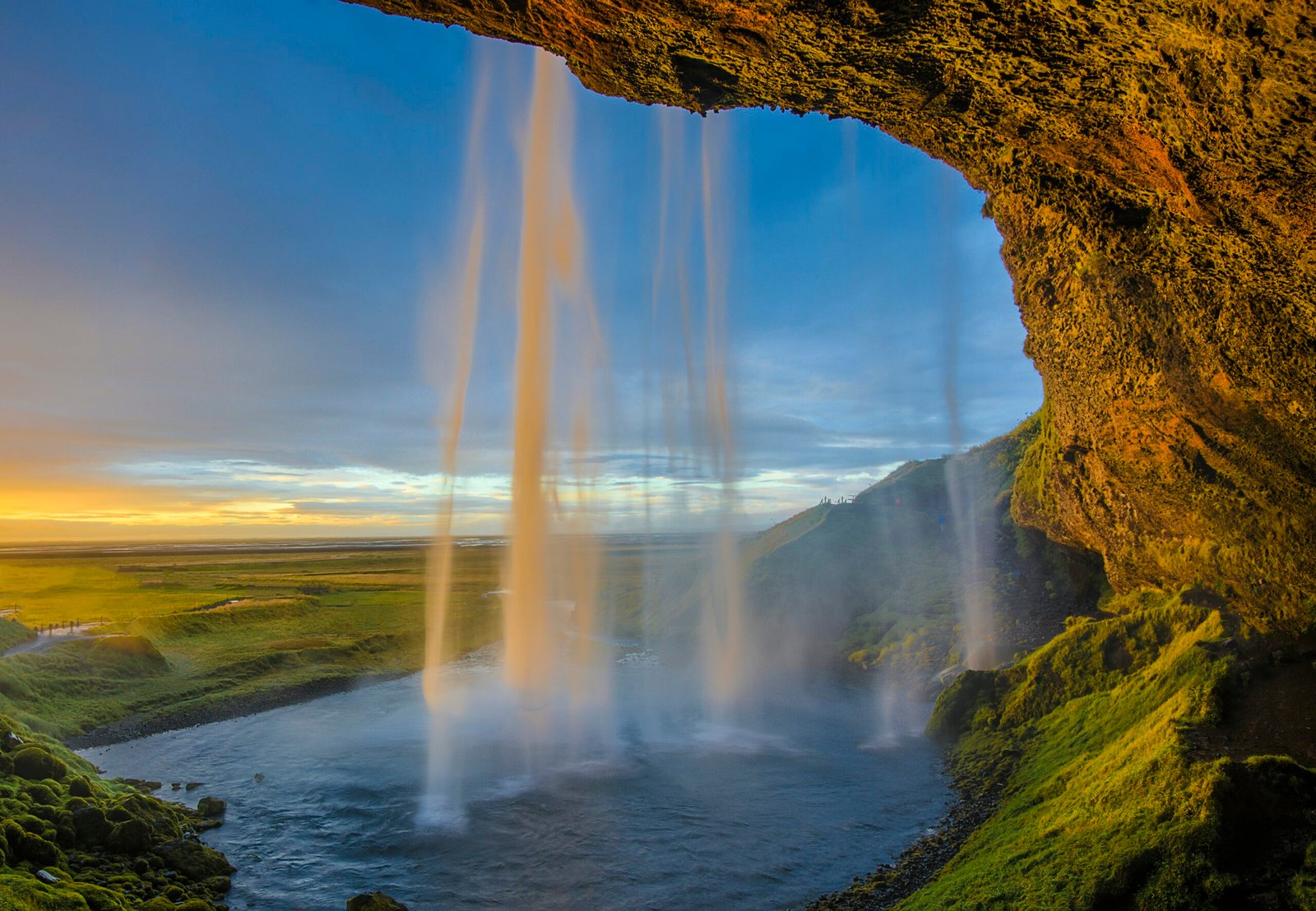
The McCloud River flows out of volcanic terrain, which you’ll notice in the square-ish rock faces and the way the water carves out bowls and steps. The falls themselves have formed where lava flows and subsequent erosion met, producing a mix of smooth plunge pools and jagged basalt edges.
Locally, indigenous peoples — including Wintu and other tribes — lived and fished along the river for generations. You’ll read historical accounts of early settlers who used the river for timber, transport, and small-scale hydropower; more recently, there’s been an increasing focus on conservation and sustainable recreational use.
Geology in Plain Language
You’ll see columnar basalt and layered lava flows—think of it as nature’s way of stacking pancakes and then letting a very thorough but patient sculptor use water to finish the job. The different textures and ledges give each fall a distinct personality.
The Three Falls — What Makes Each One Special
The McCloud Falls system is composed of Upper, Middle, and Lower Falls. Each has a different look, access level, and swimming vibe. A simple table will help you pick which ones you’ll visit based on time, energy, and how much drama you expect from water.
| Fall | Approximate Height | Accessibility | Swimming | Vibe |
|---|---|---|---|---|
| Upper Falls | ~30 feet | Short hike, easiest access | Usually safe pools, but can be cold | Scenic and intimate; great for photos |
| Middle Falls | ~40 feet | Moderate trail, viewpoint | Not ideal for swimming near the drop | Most theatrical; best for viewing |
| Lower Falls | ~20 feet | Short trail, more developed area | Popular for wading and swimming in summer | Relaxed, social, picnic-friendly |
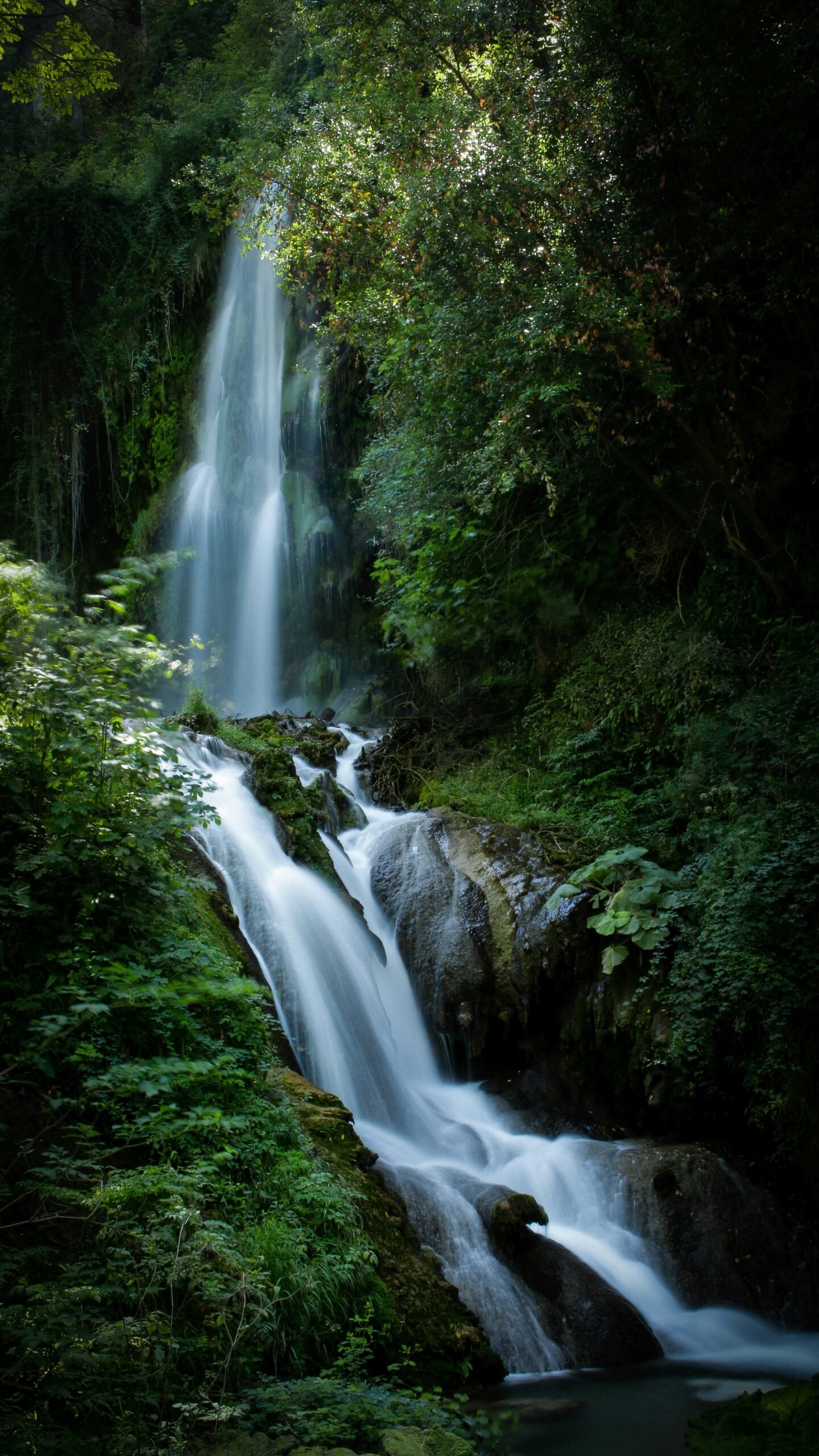
You’ll find that descriptions like “most theatrical” are not merely poetic: the Middle Falls has a broad curtain of water that likes to steal the show. The Upper tends to be quieter, the Lower more social.
This image is property of images.unsplash.com.
When to Go — Seasons and What to Expect
Your experience will vary dramatically by season.
- Spring (March–May): Snowmelt makes the falls fuller and louder. You’ll get dramatic flows and chilly air. Trails may be muddy. You’ll appreciate sturdy footwear.
- Summer (June–September): Lower and Upper pools are more comfortable for bathing; water is still cold but tolerable for short dips. Expect crowds on weekends and holidays.
- Fall (October–November): Cooler weather, fewer people, and striking foliage. Fish activity can pick up during salmon runs (when they occur).
- Winter (December–February): Snow and ice can close trails or make them hazardous. The falls take on a quieter, icier mood — beautiful but less accessible.
If you want dramatic water volume, time a visit for spring. If you want swimming and socializing, summer is your season. If you want solitude and a crisp atmosphere, aim for fall or a winter day when conditions allow.
What the Trails Are Like
You’ll walk on well-marked paths for the most part. Trails between the falls are short but may involve steep sections, uneven rock steps, and damp spots. Expect:
- Total walking time if you visit all three: a few hours at a relaxed pace.
- Elevation changes: modest but include steep stairs and slick rock.
- Markers: signs are adequate, but you should keep a map or a downloaded trail app.
Bring shoes that can handle wet rock; sandals are fashionable, but you’ll regret them if you slip. If you prefer, consider hiking poles for balance on narrow stretches.
Trail Difficulty Snapshot (Mini Table)
| Trail Segment | Distance (one-way) | Difficulty |
|---|---|---|
| Parking to Upper Falls | 0.1–0.3 miles | Easy |
| Upper to Middle Falls | 0.5–1.0 miles | Moderate (rocks & steps) |
| Middle to Lower Falls | 0.3–0.7 miles | Moderate to Easy |
| Loop (visiting all 3) | 1.5–3 miles | Moderate, depending on stops |
You’ll likely take longer than the posted times because you’ll stop to take photographs, dry off your socks, or unsuccessfully attempt to interpret the subtle differences between “moderate” and “slightly inconvenient.”
This image is property of images.unsplash.com.
Swimming, Wading, and Water Safety
You’ll be tempted to go into the water even on chilly days. The water is often glacial-cold year-round, coming from mountain snowmelt and fed by higher-elevation runoff. Important safety considerations:
- Cold shock: Even strong swimmers can be overwhelmed by cold water. Limit dips to short durations and acclimate slowly.
- Currents and hydraulics: Behind the scenes, eddies and undercurrents exist. Never assume that a calm surface means calm conditions below.
- Slippery rocks: The wet basalt doesn’t care about your cell phone. Wear shoes with good traction if you plan to scramble on the rocks.
- No lifeguards: You’re on your own; be conservative in risk-taking.
If you have kids, keep them within arm’s reach near water. If you fish, wear a life vest if you’ll be standing on slippery rocks in deeper areas.
Fishing and Wildlife Viewing
You’ll likely notice anglers with fly rods along slower stretches. McCloud River is known for its trout population, particularly rainbow trout and brown trout in certain sections. Salmon runs can occur depending on the season and river conditions.
Beyond fish, you’ll see common forest fauna: kinglets, warblers, maybe a heron or osprey near the river. Watch quietly and keep distance from animals. If you’re lucky (and not too loud), you may glimpse deer along forest edges at dawn or dusk.
Photography: How to Get Good Pictures Without Feeling Like a Tourist
You’ll want scenic photos that don’t look like the factory-made photos you’ve already seen online. Some practical tips:
- Golden hours: Arrive early morning or late afternoon for warm light and softer shadows.
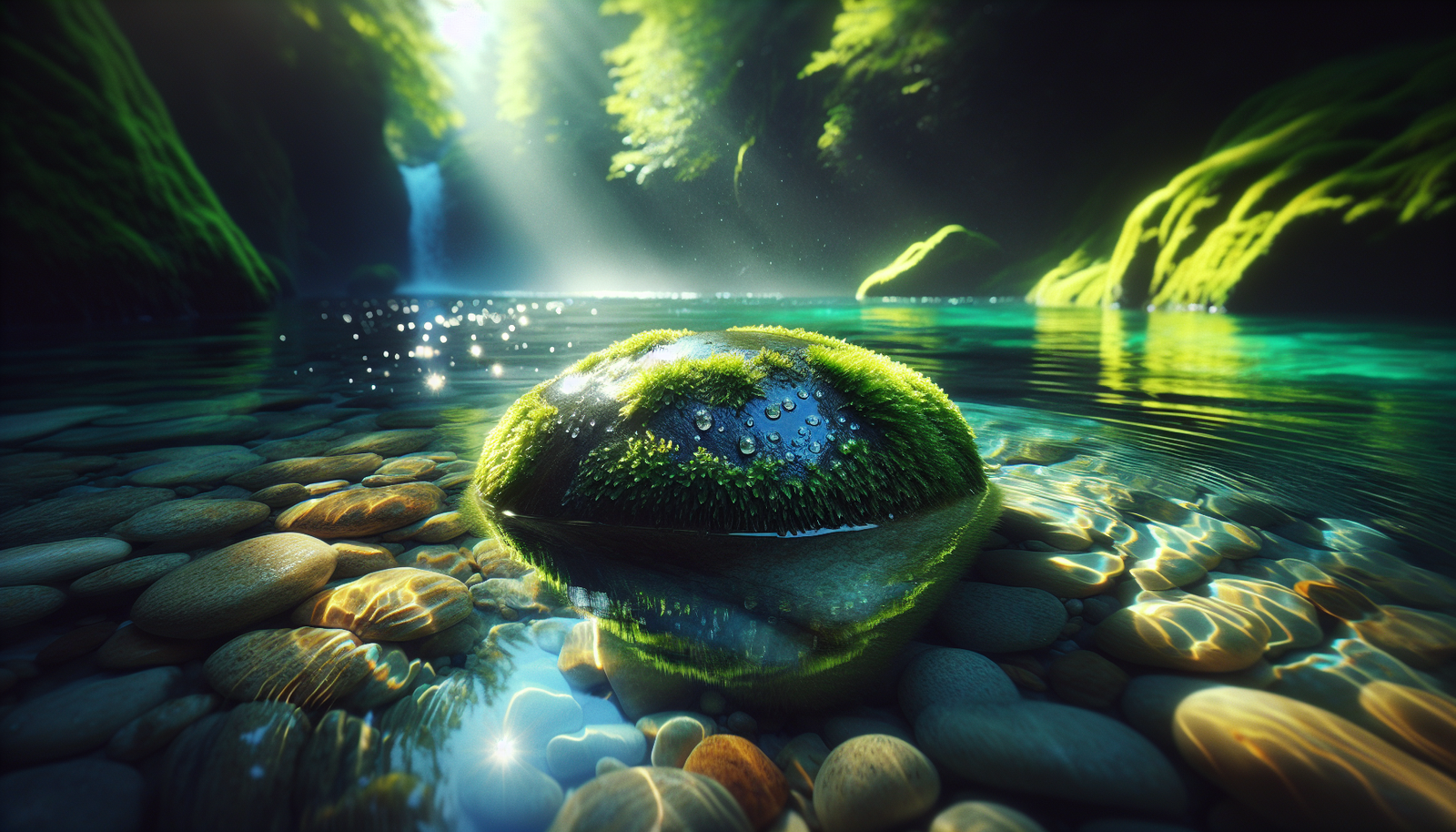
- Long exposure: Use a tripod or stable surface to create silky water effects. If you don’t have a tripod, brace your camera on a rock or a stable tree root.
- Composition: Include foreground interest — a rock, a log, or a person for scale.
- Safety: Do not prioritize a shot over your safety. Slippery rocks are less photogenic when you’ve broken a camera or an arm.
You’ll find that composition is mostly about patience and waiting for people to move out of the frame — or to include them for context.
Camping, Lodging, and Nearby Amenities
If you decide to stay overnight, you’ll have a few options:
- Campgrounds: There are both developed and primitive campsites in the Shasta-Trinity National Forest near McCloud. First-come, first-served rules often apply in summer.
- Tiny inns and motels: The town of McCloud offers small inns, lodges, and B&Bs if you prefer a bed.
- Services: There are cafés and basic grocery options in McCloud and nearby towns, but don’t count on gourmet experiences. Bring supplies for longer outings.
If you’re planning a multi-day trip, reserve campsites in advance for summer weekends. You’ll appreciate a hot meal and a place to dry out after river splashes.
Rules, Permits, and Leave No Trace
You’ll be required to respect local rules. While typical day-use at the falls doesn’t require a special permit, you should:
- Obey posted signs and trail closures.
- Pack out all trash — including small things like fruit peels and cigarette butts.
- Respect fire regulations; campfires may be restricted in dry conditions.
- Keep pets under control; leash rules may apply.
Leave No Trace is not a suggestion; it’s a simple list of things you can do to keep the place looking like it matters to the world. Don’t rearrange rocks for Instagram. Don’t build cairns. Don’t feed wildlife.
Packing List (Quick Table)
| Item | Why You’ll Want It |
|---|---|
| Sturdy shoes | For uneven and slippery trails |
| Water bottle | You’ll get thirsty even if the river is nearby |
| Layered clothing | Weather is variable in the mountains |
| Waterproof jacket | Sudden showers are a thing |
| Towel + dry clothes | For swimming or accidental dips |
| Basic first aid kit | For blisters, cuts, or scrapes |
| Camera/tripod | For photos, if you care about composition |
| Map or downloaded offline map | Cell coverage may be unreliable |
| Trash bag | For packing out trash and wet items |
| Food/snacks | There aren’t many services at the falls |
You’ll probably bring all this, then misplace one of the socks anyway. That’s part of the trip.
Accessibility and Family Tips
Trails to each fall vary in accessibility. If you’re with a stroller, a wheelchair, or someone with limited mobility, contact local ranger stations to confirm current conditions and the best-access paths. You’ll want to plan short itineraries, bring snacks, and schedule regular rest stops if you’re with kids.
If you’re traveling with teenagers, pretend you’re not paying attention to their eye-rolls; they’ll forgive you with snacks.
Suggested Itineraries
You’ll find that a little planning makes a big difference in how relaxed you feel.
- Half-day: Park near Lower Falls, spend time at the pool, then hike briefly to Upper Falls for a quieter view.
- Full-day: Visit all three falls, picnic near Lower Falls, and bring a book for a short nap (weather permitting).
- Overnight: Set up camp, fish in the morning, visit the falls in soft dawn light, and spend another afternoon exploring nearby trails or the town of McCloud.
If you’re short on time, pick one fall and make it intentional. Don’t try to “do” everything; the river knows when you’re rushing.
Local Etiquette and Conserving the Spot You Love
You’ll probably meet friendly folks at the falls — families, anglers, a solitary poet, or a group of loud bicyclists who took a wrong turn. Be courteous:
- Keep noise reasonable so wildlife and fellow visitors can enjoy the area.
- Ask before photographing strangers if they’re a focal point.
- Respect fishing spots; give anglers some room.
- Report hazards to rangers if you see broken rails or fresh erosion.
Conservation is a collective effort. If you treat the falls like you’d treat a borrowed sweater — with a little reverence and fewer stains — everyone benefits.
Hazards and Emergency Information
You’ll want to be prepared for the unexpected:
- Hypothermia: Cold water and breezy conditions can lead to hypothermia even on a sunny day.
- Slips and falls: Injuries happen; carry a small first-aid kit and know basic wound care.
- Wildlife encounters: Keep distance and secure food. Black bears are occasional in these forests; follow local guidance to minimize attraction.
- Getting lost: Bring a map, know approximate distances, and let someone know where you’re going.
The nearest emergency services will likely be in McCloud or Dunsmuir; response times vary. If you encounter a life-threatening situation, call local emergency numbers; if cell service fails, seek the nearest rangers’ station or town for help.
What You Shouldn’t Do (A Short, Blunt List)
You’ll avoid being that person if you don’t:
- Try to climb the middle fall’s curtain of water.
- Build rock towers that change natural flow or aesthetics.
- Leave trash behind — even small bits of plastic are a problem.
- Create loud, persistent noise that disrupts wildlife or other visitors.
Nobody likes the person who treats a public natural site like their private amusement park.
A Little Local Lore (Because You’ll Ask Someone at a Café)
Locals have told stories about the falls for generations: fishermen swapping tales about the one that got away, teenagers who claimed they’d jumped from a ledge (often embellishments), and the seasonal rituals of bird migrations and salmon runs. You’ll find a handful of charming, contradictory legends depending on who you ask — and that’s part of the place’s character.
Responsible Photography and Social Media Behavior
You’ll be tempted to post dramatic photos immediately. Some tips for responsible sharing:
- Avoid revealing sensitive locations of fragile habitats or rare plants.
- Use captions that encourage respect rather than reckless behavior.
- If you see unsafe behaviors being replicated online, offer a gentle correction rather than shaming.
You’re welcome to document your visit; just be mindful that virality can create unanticipated crowds and stress on the land.
Nearby Places Worth a Short Side Trip
If you’ve got extra time, the region offers several complementary points of interest:
- Lake Shastina and Shasta Lake for larger water recreation.
- Mount Shasta area for alpine trails and more dramatic vistas.
- Small towns like Dunsmuir with charming cafes, bakeries, and local artisan shops.
You’ll find that combining a falls day with a slow exploration of nearby towns makes the trip richer and gives you an excuse to buy a postcard you probably won’t mail.
Conservation Efforts and How You Can Help
You’ll want to leave the place better than you found it. Ways to help:
- Participate in local clean-ups when available.
- Donate to or volunteer with local watershed or conservation groups.
- Follow seasonal restrictions and report violations to rangers if needed.
- Educate friends and family about Leave No Trace principles.
Your impact is magnified if you return home and treat local knowledge and regulations as essential, not optional.
Final Thoughts (Short and Sweet — But Not Too Sweet)
You’ll come for the water but remember you’re staying for the way the place makes you feel: a little smaller, a little quieter, and a touch more alive. Treat the falls as a long-term relationship rather than a one-night stand. Be curious without being careless, and bring snacks. If nothing else, you’ll have an arsenal of stories about cold water, slippery rocks, and that time you were almost a nature photographer.
If you want, print this list, fold it into your pocket, and act surprised when everything goes off-script. That’s the best part.