
Have you ever stood at a trailhead and felt like the mountain was listening to your secrets?
Confessions at the Avalanche Gulch Trailhead
You know the kind of moment: your boots are half-tied, your breath fogs in the cold, and strangers are arranging ice axes like chess pieces. At the Avalanche Gulch trailhead — most commonly accessed from Bunny Flat on Mount Shasta — those small private admissions turn public. You’ll hear people whisper about missed flights, broken relationships, office betrayals, and the single embarrassing reason they’re on the mountain at all: they thought it would be a good place to call their mother.
Why this place encourages confessions
Mountains have a way of making you small and candid. At Avalanche Gulch, altitude and exposure compress your usual social filters into manageable pieces; you’ll trade details with people you met five minutes earlier as if you’ve known them since kindergarten. You’ll also notice that the Gulch itself seems to accept the burden of your trivialities — as if snow and rock could carry your secrets down into a permanent, silent archive.
Where the trailhead is and how you get there
If you want to be literal, the trailhead people call Avalanche Gulch is accessed from the Bunny Flat parking area on the Mount Shasta West Side Road. The drive up to the trailhead is scenic and narrow; your GPS will know the destination better than your memory.
You’ll pass through dense stands of manzanita and pine, and the road may close seasonally. Keep an eye on road conditions and seasonal closures from the U.S. Forest Service before you leave home, because nothing kills a confession like being turned away at a gate.
Access basics and practical details
You’ll find the parking area at roughly 6,900–7,000 feet elevation. That means you start high, but not high enough to stop your knees from reminding you of life choices. Parking fills quickly on weekends and during peak climbing seasons; arrive early or be prepared to wait.
Trailhead facilities are minimal: a pit toilet, a bulletin board with current conditions, and the ubiquitous cemetery of old crampon straps and forgotten balaclavas. There’s no potable water, so bring plenty and treat what you find if you must use it.
Quick facts about Avalanche Gulch and Mount Shasta
Here’s a concise table to orient you before you lace up:
| Item | Info |
|---|---|
| Mountain | Mount Shasta, California |
| Trailhead | Bunny Flat / Avalanche Gulch access |
| Trailhead Elevation | ~6,900–7,000 ft |
| Summit Elevation | 14,179 ft |
| Typical Elevation Gain (round trip) | ~7,000–7,300 ft |
| Typical Time Commitment | 8–14 hours round trip (varies widely) |
| Season | May–July most common for snow climbs; summer routes exist |
| Technicality | Non-technical in summer; steep snow/ice in winter/spring requiring crampons and ice axe |
| Permits & Regulations | Check the U.S. Forest Service for up-to-date permitting and registration requirements |
This image is property of images.unsplash.com.
A brief history you’ll appreciate while you’re sweating
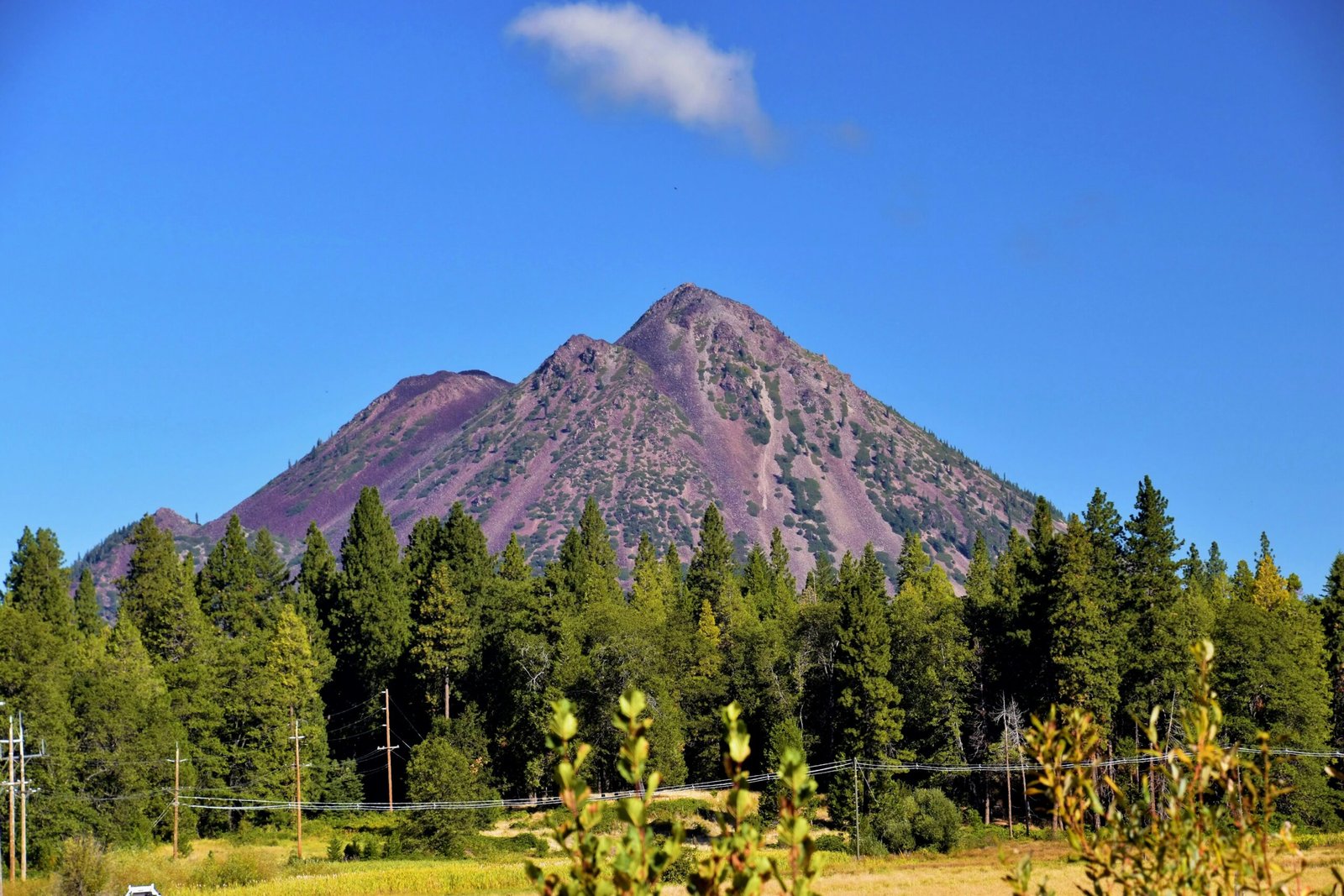
Mount Shasta has drawn human attention for millennia, first from the Native American tribes who considered it sacred. European explorers and settlers later made it a destination for scientists and climbers. The Avalanche Gulch route became a classic because it’s direct and dramatic — a steep, sustained line up the west face that gives you honest elevation for your effort.
You’ll find that knowing a little history helps you feel connected to the place. It’s also a good conversational filler when the person next to you confesses their unsuitable hiking playlist.
Route overview: what Avalanche Gulch actually is
Avalanche Gulch is a direct ascent that climbs steep snow slopes and rock bands from Bunny Flat to the summit. In good summer conditions the route becomes more of a long, strenuous hike; when there’s snow it turns into a demanding snow climb with steep sections that can be exposed and icy.
You’ll encounter multiple named features along the way: the initial snowfields, steep gulch slopes, rock bands, and the final summit cone. Each has its own personality and potential for you to over-share.
Step-by-step on the ascent
You’ll leave the parking area and follow a well-trodden path that becomes increasingly steep. Expect boulder fields, loose volcanic scree, and long snow slopes. When the snow is in, you’ll use crampons and an ice axe for self-arrest technique; in dry summer conditions you’ll scramble over rocks and talus.
The route is continuous and unrelenting in elevation gain. You’ll notice that most confessions happen at the places where the gradient eases — because your lungs suddenly allow your mouth to work again.
Seasonal considerations and timing
Timing matters more than you think. Spring and early summer bring deep, consolidated snow that’s steep and avalanche-prone in places. Later summer can turn the Gulch into a hot, loose slog with rockfall potential. Winter is serious mountain travel with avalanche risk and extreme weather.
You’ll want to plan according to your skills, the objective hazards, and whether you are willing to accept the sort of humility that comes with postholing up to your thigh.
Best months for most climbers
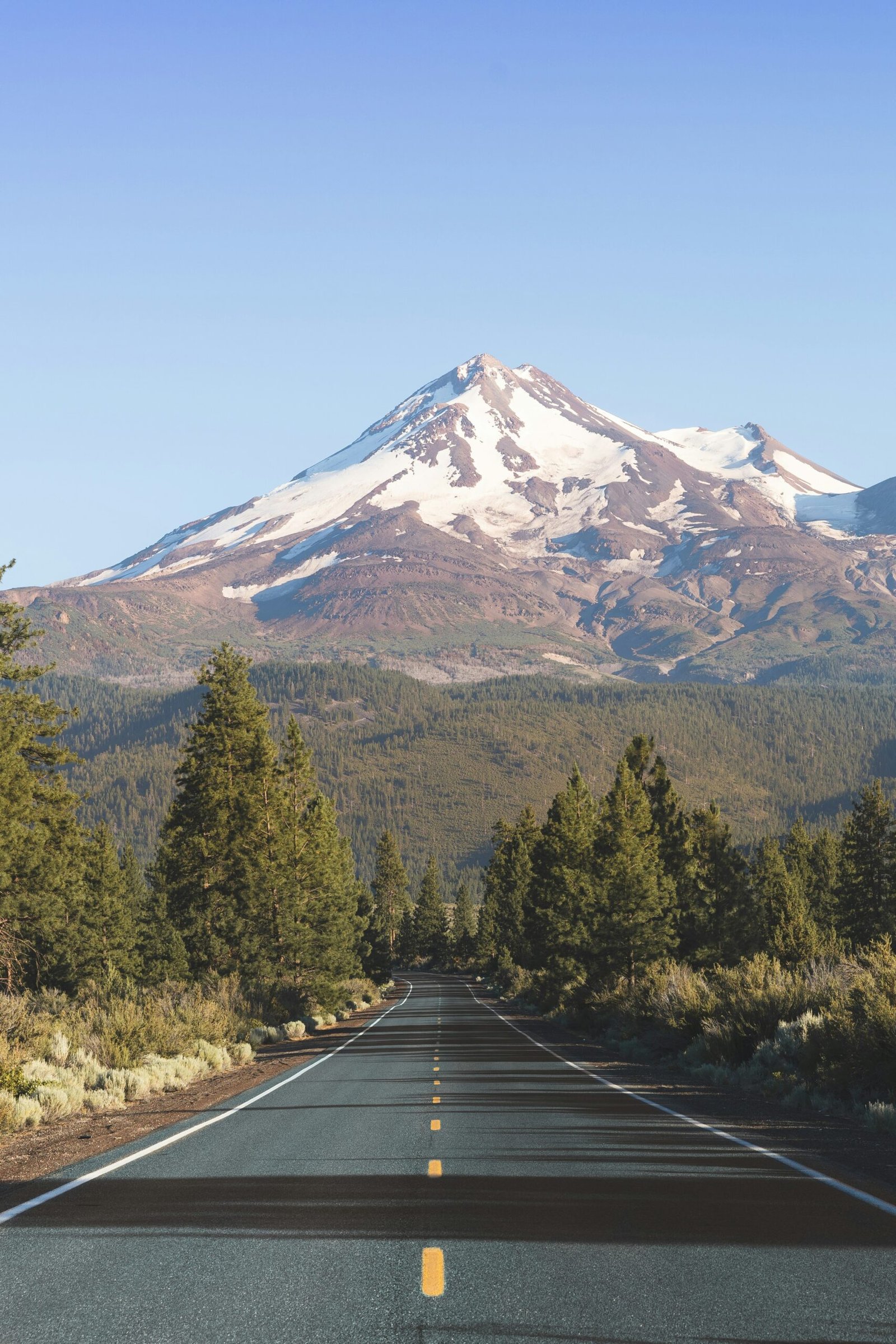
Late May through early July is the classic window for snow climbs when the snowpack is stable but still provides a continuous route. In August and September you’ll often face loose rock and exposed scree. Winter climbs are possible but require mountaineering skills and experience with avalanche terrain.
You’ll find that the crowd size peaks in that classic window — meaning more people to confess to, fewer parking spots, and a higher chance that someone will have borrowed your stove without asking.
This image is property of images.unsplash.com.
Hazards you need to know
The name warns you: there’s avalanche potential. Beyond that, steep snow slopes, rockfall, cornices, and altitude sickness are the main hazards. Weather can change fast, and the mountain doesn’t care how committed you are to your confession.
Here’s a table laying out hazards and mitigations so you don’t have to piece it out while gasping for air.
| Hazard | Why it’s a problem | What you can do |
|---|---|---|
| Avalanches | The Gulch accumulates steep slabs of snow, especially after storms | Check avalanche forecasts, avoid high-risk conditions, carry beacon/probe/shovel, consider a guide |
| Steep icy slopes | High-angle snow can be hard to ascend or self-arrest on | Use crampons and ice axe; practice self-arrest; consider roping up on icy sections |
| Falling rock | Warming and traffic dislodge rocks | Wear helmet; avoid travel under steep rock bands when others are above |
| Weather/wind | Rapid storms, whiteouts, and high winds are common | Check forecasts; turn around early; carry layers and emergency shelter |
| Altitude | Rapid gain can lead to AMS (acute mountain sickness) | Ascend conservatively, hydrate, know symptoms, descend if needed |
| Navigation | Tracks can disappear in whiteout or post-storm | Carry map/compass/GPS; know the route; practice navigation skills |
Required and recommended gear
Your gear choices will depend heavily on season and conditions. However, there are essentials you should never leave behind. Without them, your confession will be less meaningful because you’ll be too cold or too lost to finish it.
Below is a table of essentials and recommended items.
| Category | Essential Items | Recommended Items |
|---|---|---|
| Clothing | Insulated jacket, waterproof shell, base layers, hat, gloves | Extra gloves, warm liner, gaiters |
| Footwear | Mountaineering boots or sturdy hiking boots | Leather or stiff sole for crampon compatibility |
| Technical | Crampons, ice axe | Helmet, harness, 30–60 m rope if inexperienced teams |
| Navigation | Map, compass, GPS device | Route description printout, headlamp with spare batteries |
| Safety | Avalanche beacon, probe, shovel (when in season) | First aid kit, satellite communicator |
| Overnight | Bivy/ultralight shelter, sleeping bag (if camping) | Stove, extra fuel, thermos |
| Misc | Sunglasses, sunscreen, water | Electrolytes, snacks, extra food |
You’ll notice the table reads like a grocery list of survival. That’s because it is. Bring the items and you’ll be able to carry on a coherent story up there.
Skills and techniques you’ll need
You don’t need to be a professional, but you do need to know how to use your tools. Cramponing, self-arrest, route-finding in whiteout, and simple rope management for glissade control are all skills you should practice before attempting the Gulch in winter or early spring.
You’ll look more confident at the trailhead if you can trim your confession with a practical competence: “I brought a probe” sounds better than “I Googled how to use a probe.”
Self-arrest basics
If you slip, the ability to arrest your fall with an ice axe saves lives. Practice on moderate slopes in controlled settings. You’ll drop your ego faster than your body if you don’t rehearse this.
You’ll notice that most people who seem calm have practiced self-arrest until it feels just slightly less terrifying.
This image is property of images.unsplash.com.
Navigation and route-finding
On a clear day the route is obvious — a line up the Gulch. When clouds, snow, or nightfall come into play, the obvious disappears. You’ll need to be able to read the mountain: where cornices form, where rock bands break the line, and where the safest snow slopes are.
You’ll want to carry navigation tools and know how to use them. It’s as much an ego check as it is a survival tool.
Key navigation tips
Follow ridgelines rather than invisible slopes when in doubt. Watch for melt patterns and boot tracks, but don’t be a follower if tracks head into clearly dangerous terrain. Make a plan before the climb and know your turnaround time.
You’ll be better off turning around and having a great excuse to come back than pressing on because you’re committed to your original timeline.
Weather, forecasts, and microclimates
Mount Shasta creates its own local weather. You might drive up in sunshine and find a whiteout above tree line. The mountain’s north and south faces experience different microclimates; Avalanche Gulch’s steep slopes respond quickly to temperature swings.
You’ll want multiple weather sources and a respect for the local forecast nuances. “It was fine at the trailhead” is not a plan.
Checking the forecast
Look at avalanche center bulletins, local ranger reports, and general mountain weather forecasts. Pay special attention to overnight winds, storm cycles, and recent temperature swings which can turn stable snow into a hazard.
You’ll feel smarter when you can say, “The forecast said a freeze-thaw cycle,” and not, “The app had a pretty icon.”
Group dynamics and communications
Mountaineering is social in small doses and communal in large ones. You’ll meet people who are quietly competent and those who announce competence as a warm-up. The trailhead becomes a confessional booth for plans, fears, and gear disputes.
You’ll often form temporary teams based on pace compatibility and mutual trust. Be honest about abilities and clear about decision-making protocols. A good pre-climb conversation about who turns the group around at a certain time will save you 1) relationships, and 2) hypothermia.
How to choose partners
Pick people you can trust with your pace and with small humiliations — the ones who won’t mock your snack choices at 12,000 feet. If you don’t know anyone, join a reputable guided group or partner with an experienced climber. That’s how you learn the social rules and the mountain’s secrets.
You’ll find that the best partners are equal parts competent and gently sarcastic.
Avalanche awareness for a place named Avalanche Gulch
The word avalanche hangs in the air like thin snow. Avalanche Gulch has real avalanche terrain; you’ll encounter steep slope angles and varied snowpack. Understanding how avalanches form and reading the signs is profoundly useful.
You’ll also want to carry and know how to use beacon, probe, and shovel when avalanche conditions exist. Treat these tools as mandatory conversation starters rather than jewelry.
Basic avalanche protocol
Watch for wind loading, recent storm slabs, and cracking or collapsing snow. Observe recent avalanche activity and slope angles. Avoid steep slopes with fresh wind slabs, and practice rescue drills with your team before you’re forced into a real rescue.
You’ll appreciate practicing the skill dry-run style before it becomes your passport to grief.
Medical emergencies and altitude
You won’t notice altitude in the parking lot. You will notice it after a few thousand feet. Acute mountain sickness (headache, nausea, fatigue) is common; high-altitude pulmonary or cerebral edema is rarer and life-threatening.
You’ll want to know the symptoms, have a plan to descend, and keep communication devices to call for help if necessary.
What to do if symptoms appear
Descend immediately if someone develops severe headache, vomiting, or ataxia. Use available resources to treat and evacuate. Don’t treat stubborn pride like a shelter; it doesn’t keep you warm.
You’ll usually find that humility is the quickest path to safety.
Leave No Trace and mountain etiquette
You’re a visitor in a fragile alpine environment. Practice Leave No Trace: pack out your trash, minimize group size, and stick to durable surfaces. Respect other climbers’ space and allow passing. Your confessions should be mental, not environmental.
You’ll feel better about yourself when you leave the place cleaner than you found it, and you’ll make fewer enemies in the process.
Waste management specifics
Pack out all human waste if possible; where not possible, follow local regulations for catholes and burying. Some areas require human waste bags or specific disposal. Check current regulations and carry the necessary supplies.
You’ll especially be glad you carried a zip-top bag when you need to transport a soiled glove home.
Sample itineraries and time estimates
Plan conservatively. The following are typical itineraries you might choose depending on your fitness and the season. These are broad estimates and depend heavily on conditions and group pace.
| Itinerary | Typical Timing | Notes |
|---|---|---|
| Fast Day Ascent (experienced, good snow) | 8–10 hours RT | Early start (pre-dawn), steady, minimal breaks |
| Moderate Day (most parties) | 10–14 hours RT | Regular breaks, careful pace, accept slower descents |
| Overnight Camp & Summit | 2+ days | Better acclimatization; increases safety margin |
| Winter Ascent (serious) | Variable to multi-day | Requires avalanche competence and winter camping gear |
You’ll realize quickly that “fast” is a relative term. Your “fast” may be someone else’s starting place for conversation.
Confessions you’ll hear (and maybe share)
People confess ridiculous things at the trailhead partly because the mountain is anonymous therapy. Here are archetypal confessions you may hear:
- “I only brought a daypack because I thought I’d just take pictures.” — You’ll smile, and then see them on the summit two hours later, triumphant with a borrowed crampon.
- “I told my boss I was sick.” — You’ll nod like an accomplice and mentally rate the risk/reward.
- “I’m here to break up with someone.” — The mountain lends courage. You’ll be glad you weren’t the listener that day.
- “I once peed on a guidebook.” — People are odd; laugh and move on.
You’ll be tempted to contribute your own confession; just make sure it’s not a hostage negotiation.
Safety resources and contacts
Before you go, check the U.S. Forest Service Mount Shasta office, local ranger stations, and avalanche center bulletins. Carry a satellite communication device if you expect to be out of cellphone coverage. Know the local search and rescue contact info.
You’ll sleep better if you file a plan with someone who will notice you’re late and has the means to help.
Local authorities and services
Call or check websites for the latest trail conditions, road status, and permit requirements. If you’re unsure, contact a local guiding service — they’ll be blunt about the conditions and helpful about your options.
You’ll find that guides tell the truth in a tone that is equal parts comedic and disconcerting.
The guide option: why you might want one
Guides bring local knowledge, decision-making experience, and a calming presence when panic smells like thin oxygen. You’ll pay for expertise, but the price often buys better memories and fewer dramatic confessions.
You’ll also get better photos.
Choosing a guide
Look for certified guides with local experience and positive reviews. Ask questions about group size, training, rescue protocols, and cancellation policies. Match the guide’s style to your expectations — some are hardcore coaches; others are pedagogues with a talent for small talk.
You’ll find the right guide makes the mountain feel like a storyteller rather than a judge.
Cultural and spiritual notes
For many, Mount Shasta is not just geology and statistics; it’s spiritual landscape. Tribes such as the Wintu and Shasta people hold the mountain with reverence. Respect cultural teachings and understand the mountain’s place in regional identity.
You’ll be thoughtful if you leave more than footprints — a respectful silence, perhaps, or a small gesture that honors those who came before.
Flora and fauna you may encounter
Below treeline you’ll see manzanita, Jeffrey pine, and wildflower meadows in late summer. Higher up, life holds on in tough ways: lichens, hardy alpine plants, and occasional pika calls. Wildlife sightings include marmots, jays, and maybe deer.
You’ll enjoy the distraction of noticing small life when the mountain tries to flatten your psyche.
Practical day-before checklist
You’ll want to run a quick pre-trip ritual. The list lets you go to bed knowing you’ve prepared as best you can.
- Check weather and avalanche forecasts
- Confirm access road status and parking
- File a trip plan with someone reliable
- Charge your electronics and bring backups
- Lay out your clothing system and insulate for summit temps
- Prepare food and hydrating drinks
- Practice self-arrest and crampon skills if needed
You’ll sleep better after you check these boxes, and your confessions will read like a well-executed plan.
Stories and small confessions to make the mountain human
People’s stories make a place memorable. You’ll laugh, wince, and perhaps cry. Here are a few vignettes you might hear or experience — small snapshots of human behavior at the trickiest of gates.
- The woman who confessed she’d never worn crampons before, then led a practiced climb two-thirds up the slope because she’d listened to YouTube tutorials obsessively. You’ll admire the audacity.
- The pair who met on an online forum two weeks prior and decided to “see if the chemistry translated to 10,000 feet.” It did, in a way that involved sharing a mitten.
- The man who revealed he kept practicing apologies in the car on the way up, because the mountain seemed like a safer place to be raw than his kitchen table.
You’ll feel that these stories are the mineral veins of the place — small treasures embedded in the uplift.
When to call it quits
Knowing when to turn around is the hardest and most essential skill. The mountain won’t scold you; it won’t notice your ego. If conditions worsen, if someone in the group is deteriorating, or if you’re past your turnaround time, leave. Your future silly stories are better than a body bag.
You’ll get plenty of praise for reasonable decisions, and very little for stubbornness.
Simple turnaround rules
- Set a hard time to be back below a certain elevation.
- If weather deteriorates, reverse before the real danger starts.
- If someone shows signs of AMS or hypothermia, descend immediately.
You’ll respect the mountain more when you respect its limits.
Final reflections you’ll take home
You’ll leave Avalanche Gulch with more than altitude sickness. You’ll have a catalogue of confessions, a handful of new friends, and perhaps a new appreciation for how small and large you can be at once. The mountain’s utility as a confessional is partly because it allows you to be honest without consequence — and partly because it gives you a place to practice being brave and admitting you’re frightened.
You’ll notice that these honest, clumsy moments are what you remember most: not the precise GPS coordinates, but the way someone handed you an extra glove, or the taste of shared instant coffee at 12,000 feet.
Practical final checklist before you go
One last table to make sure you haven’t missed anything important before leaving the trailhead.
| Item | Have you done it? |
|---|---|
| Checked latest avalanche and weather forecasts | [ ] |
| Filed a trip plan with a reliable contact | [ ] |
| Charged satellite communicator/phone and carried backups | [ ] |
| Packed essential gear (crampons, axe, beacon if needed) | [ ] |
| Worn appropriate footwear and layered clothing | [ ] |
| Carried enough water and food for delays | [ ] |
| Reviewed self-arrest and rescue procedures with group | [ ] |
| Confirmed parking and access status | [ ] |
You’ll be glad you checked the boxes. If you haven’t, consider postponing your confession — or at least the part of it that involves risk.
If you stand at Bunny Flat on any clear early morning, you might find the same small theater of human drama: people buttoning up jackets, exchanging routes and secrets, and preparing to walk into a place that will both humble and uplift them. You’ll probably tell the mountain something true and surprising. That’s part of the bargain: you give it a confession; it gives you perspective. And when you walk back down, tired and satisfied, you’ll tell someone else — maybe a stranger, maybe your partner — exactly how small you felt and how loud you suddenly were. You’ll laugh about it later. You’ll plan a return. You’ll, inevitably, be back at the trailhead, lace loose again, ready to trade one more secret with the snow.