
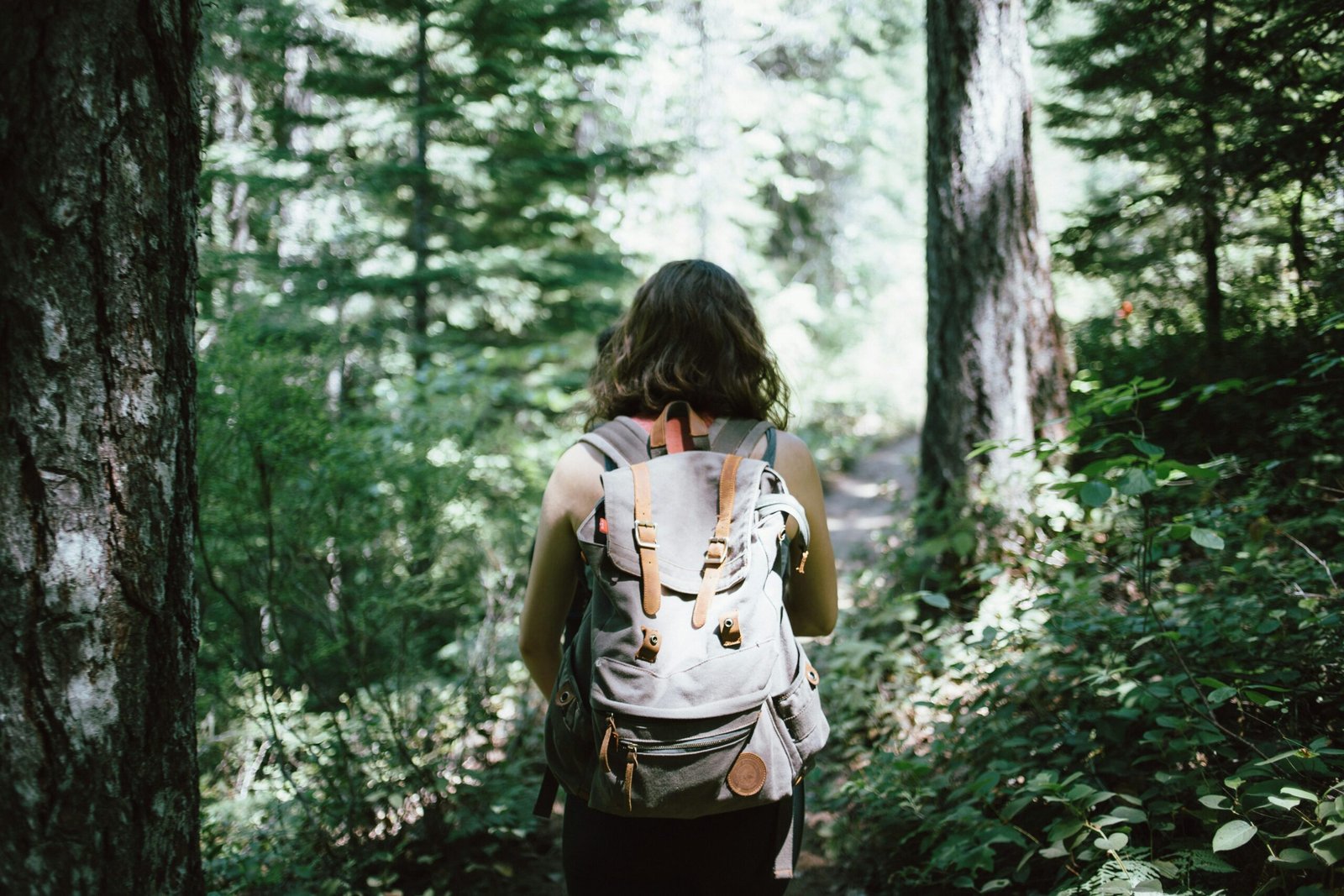
Have you ever taken a slow walk in the woods and found a private joke between the trees and your shoes?
This image is property of images.unsplash.com.
Charming Nature Walks In The Shasta-Trinity National Forest
This is the place you’ll want if your idea of pilgrimage involves a slightly damp trail map, a persistent chipmunk who has opinions about your sandwich, and a distant mountain that looks like it’s holding its breath. The Shasta-Trinity National Forest is big, quiet in the most satisfying way, and full of small discoveries that reward the patient walker. You’ll find old-growth pines, surprising waterfalls, and lakes that make you rethink the adjectives you’ve been hoarding.
Why this forest feels like a personal invitation
You’ll notice quickly that the forest doesn’t shout. It suggests. If you’re the type of person who appreciates gentle rewards—an unexpected wildflower, a creek crossing that offers the best place to sit for ten minutes—this land will suit your temperament. It’s large enough to lose yourself, but small enough that you don’t need to tell your relatives where you are.
Planning Your Visit
Before you set off, you’ll want a plan that respects both the forest and your bladder. A little preparation goes a long way toward making your walk charming rather than exhausting.
Best time to visit
You’ll find different charms in every season. Spring offers cascades and wildflower carpets; summer gives you full trail access and warm lake swims; fall brings crisp air and red-tinged oaks; winter provides dramatic snow-capped vistas if you don’t mind gloves and good boots. You should pick the season that suits your tolerance for cold, crowds, and mosquitoes.
Permits, passes, and fees
You might need a day-use fee at some recreation sites, and certain areas—especially near popular waterfalls or lake access points—may require parking passes. If you plan to camp overnight, there will commonly be a fee and a reservation requirement. You’ll save yourself the headache of a ticket or a long walk if you check the Forest Service website before you go.
Safety basics you should not ignore
You will want to tell someone where you’re going, carry a charged phone (but don’t trust it entirely), bring a map and compass if you go off main trails, and pack water. Weather changes fast in mountain areas. You’ll be more comfortable and safer if you bring layers and prepare for sudden shifts.
Getting There and Getting Around
You’ll get to the forest from a handful of regional hubs, each with its own personality. Redding has coffee and a highway-centric charm; Mount Shasta City feels like a wise cousin who keeps herbal tea in the oven.
Access points and trailheads
There are multiple access points to the Shasta-Trinity National Forest, including those near Mount Shasta, McCloud, Shasta Lake, and the Trinity Alps. Each trailhead has its own feel—some are busy with fishermen and families, others are quiet enough to make you check your shoes for moss.
Parking, shuttle, and transit options
You’ll usually park at the trailhead; some of the busier ones have small fees or limited spaces. Public transit is sparse, so you will probably rely on a car to reach most trailheads. If you don’t like driving on narrow forest roads, pick trails along main highways and arrive early.
Nearby towns and services
If you like coffee, gas stations that accept your credit card, and a diner with a pie case, you’ll find them in towns like Redding, Mount Shasta, Burney, and McCloud. Each is a sensible base for day trips and has its own brand of charm—and you should definitely try the local pie.
Practical Gear and What to Pack
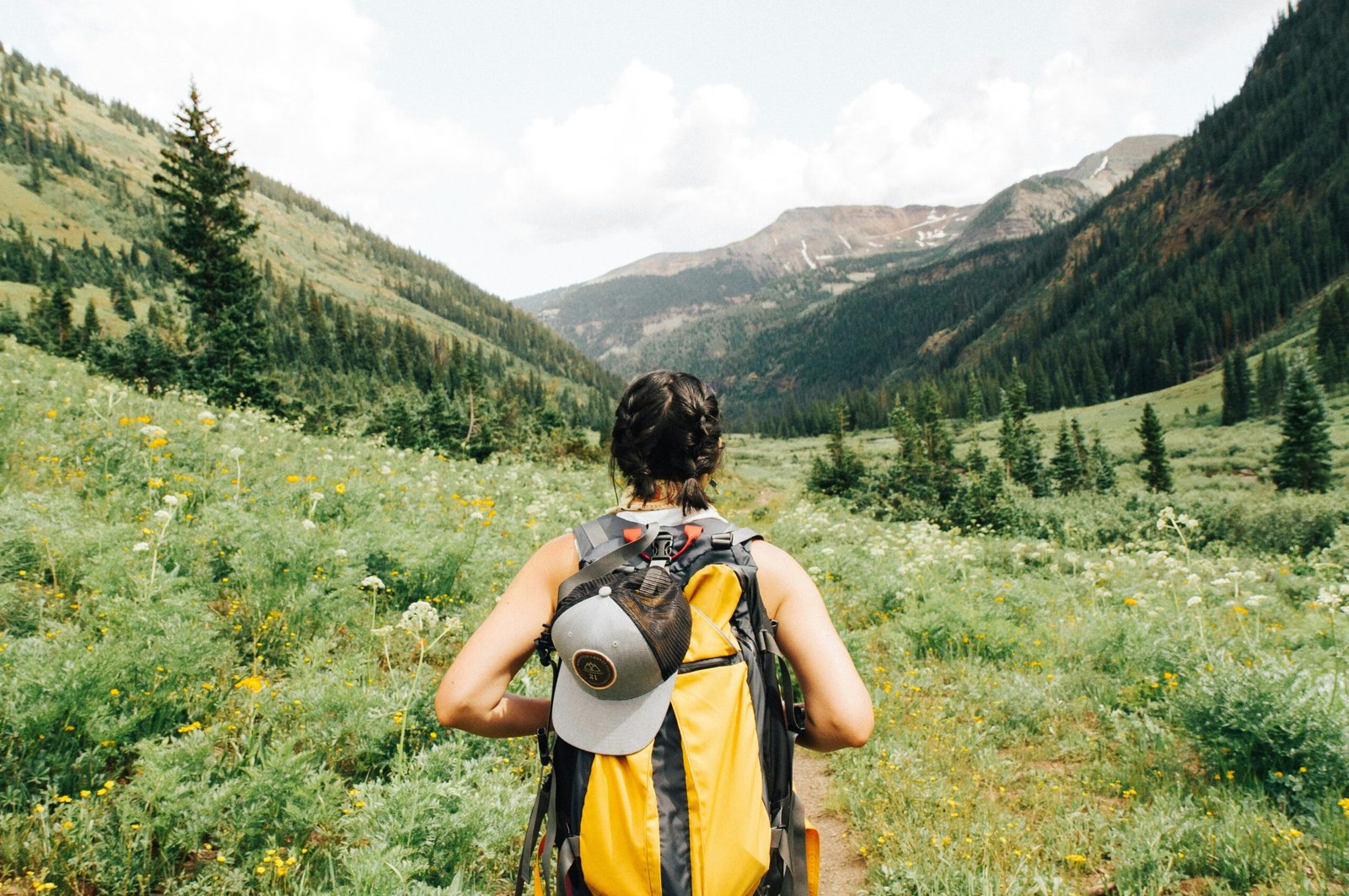
You will not need to outfit yourself like a Himalayan sherpa for most charming nature walks here, but a modest kit will keep you comfortable and competent.
Clothing and layering
Dress in layers so you can shed or add clothing as the day warms or cools. You’ll want moisture-wicking base layers, a warm mid-layer, and a waterproof shell in case clouds misremember the forecast. Hats and gloves are more useful than you think during early or late season visits.
Footwear and traction
Good hiking shoes with ankle support are recommended for most trails; you should choose boots with decent tread for wet rocks and roots. If you’re going on snow-covered trails in winter, consider microspikes or snowshoes.
Essentials checklist
You’ll appreciate having water, snacks, sunscreen, a first-aid kit, a map, and a fully charged phone. A lightweight sit pad and binoculars will increase the charm-to-effort ratio by several points.
Table: Basic gear checklist for day walks
| Item | Why you’ll thank yourself |
|---|---|
| Water (1–2 liters) | Hydration keeps you thinking and prevents dramatic collapse |
| Snacks (nuts, bars) | Energy boosts and bargaining chips for squirrels (they’re tactically smart) |
| Map & compass | Phone batteries die; these don’t |
| Sun protection (hat, sunscreen) | The sun is persistent |
| Lightweight rain jacket | Weather mood swings happen |
| Good hiking shoes | Prevents slips and moral despair |
| First-aid kit | For blisters and minor indignities |
| Binoculars | For birds, distant mountains, and suspicious squirrels |
This image is property of images.unsplash.com.
Gentle Trails for Charming Strolls
If you want walks that reward without demanding, the following trails are excellent choices. You’ll find gentle gradients, scenic viewpoints, and enough textures—water, rock, tree—to keep your attention.
Mossbrae Falls (near Dunsmuir)
You’ll be enchanted by a waterfall that doesn’t so much drop as arrange itself into a bridal veil over basalt, feeding a river that smells faintly of evergreen soap. The official, legal access is evolving, so check current trail access and arrive early to avoid crowds.
- Length: Roughly 2–3 miles round trip depending on access
- Difficulty: Easy to moderate (some unofficial routes may be more difficult)
- Highlights: Multi-tiered falls, riverbanks lined with ferns and moss
Hedge Creek Falls (Dunsmuir)
You’ll walk behind a modest but atmospheric waterfall and enjoy a short, accessible route that satisfies without exhausting you. It’s the kind of place where you’ll pat yourself on the back for getting out of the car.
- Length: ~0.2 mile loop
- Difficulty: Very easy
- Highlights: Walk-behind falls, visitor center nearby, picnic facilities
McCloud River Lower Falls Trail
You’ll follow clear river channels past pools and small falls, where the water runs with a purpose that makes you appreciate gravity in a new way. It’s family-friendly, but keep an eye on small children near the water.
- Length: 2–3 miles round trip (depending on which falls you visit)
- Difficulty: Easy to moderate
- Highlights: Cascades, swimming holes, volcanic rock formations
Lake Siskiyou Loop Trail
You’ll stroll around a small but lovely lake with Mount Shasta as a stoic backdrop. The reflection opportunities are uncommonly photogenic, and the walk is pleasant at any pace.
- Length: ~3.6 miles loop
- Difficulty: Easy
- Highlights: Mount Shasta views, lakeside benches, dog-friendly sections
Castle Crags Vista Trail
You’ll climb gently to a viewpoint that reveals the dramatic granite spires of Castle Crags. The trail offers a little exertion and a big reward, which is nice balance for those who like a sense of accomplishment with their snacks.
- Length: Varies; shorter viewpoint options available
- Difficulty: Moderate
- Highlights: Granite spires, panoramic vistas, wildflowers in season
Whiskeytown National Recreation Area (nearby)
You’ll find a variety of gentle lakeside trails with plentiful options for boating and swimming. Whiskeytown is technically a recreation area that complements the larger forest experience.
- Length: Varies from short loops to longer shoreline walks
- Difficulty: Easy
- Highlights: Clear water, picnic areas, varied trail lengths
Table: Trail comparison at a glance
| Trail | Distance (approx) | Difficulty | Best season | Key attraction |
|---|---|---|---|---|
| Mossbrae Falls | 2–3 miles | Easy-Moderate | Spring-Summer | Multi-tiered waterfall |
| Hedge Creek Falls | 0.2 mile | Very Easy | Year-round | Walk-behind waterfall |
| McCloud Lower Falls | 2–3 miles | Easy | Spring-Fall | Cascades and pools |
| Lake Siskiyou Loop | 3.6 miles | Easy | Year-round | Mount Shasta views |
| Castle Crags Vista | 1–4 miles | Moderate | Late Spring-Fall | Granite spires |
| Whiskeytown Trails | Variable | Easy | Summer | Swimming and boating |
Wildlife and Wildflowers
You’ll see a range of animals and plants, provided you know how to look and don’t make yourself into a loud object. The forest has a talent for pairing silent animals with loud humans.
Common wildlife you might notice
You’ll likely see deer browsing quietly at the edge of a clearing, squirrels performing acrobatics you’ll applaud silently, and an assortment of birds with opinions about which tree belongs to them. Bears and mountain lions exist but sightings are rare. You’ll mostly encounter smaller, more sociable mammals.
Birds and birdwatching basics
Bring binoculars and a field guide, or use an app if you enjoy the sound of your phone announcing birds while the birds look offended. Early morning and late afternoon are best. You’ll enjoy warblers, woodpeckers, and raptors perched with an air of patient disdain.
Seasonal wildflowers to look for
Spring brings lupine carpets, Indian paintbrush, and a generous scattering of daisies. You’ll notice subtle variations among meadows and ridgelines; the color combinations feel tailored to lift your mood one small degree at a time.
This image is property of images.unsplash.com.
Safety with Wildlife and Plants
You’ll want to respect the wildlife and protect yourself from the forest’s less charming residents, like ticks and poison oak.
How to act if you see large mammals
If you encounter a bear or mountain lion, you’ll want to keep your distance, make yourself visible and audible (speak calmly, wave arms slowly), and retreat without turning your back to them. Don’t run; running triggers chase instincts. Carry bear spray if you plan to go into remote areas, and know how to use it.
Ticks, poison oak, and other nuisances
You’ll find ticks in grassy areas and poison oak on sunny slopes and shaded thickets. Wear long pants, check for ticks after your walk, and learn to identify poison oak (leaves of three, let them be). If you’re unlucky and get a rash, seek medical advice rather than relying on folklore remedies.
Accessibility and Family-Friendly Walks
You’ll want options that accommodate strollers, wheelchairs, and small legs that are easily distracted. Fortunately, there are several accessible or near-accessible areas.
Short, paved, or mostly flat routes
Trails like certain sections of Lake Siskiyou and picnic areas near Hedge Creek Falls are easy for families and accessible users. These walks give you big rewards for minimal effort and are great for naps in the car afterward.
Camping with kids and low-effort adventures
There are several campgrounds with flat sites, restroom facilities, and short walks for young hikers. If you bring a child, plan for frequent snack stops and an optimistic bedtime.
Photography and Nature Journaling Tips
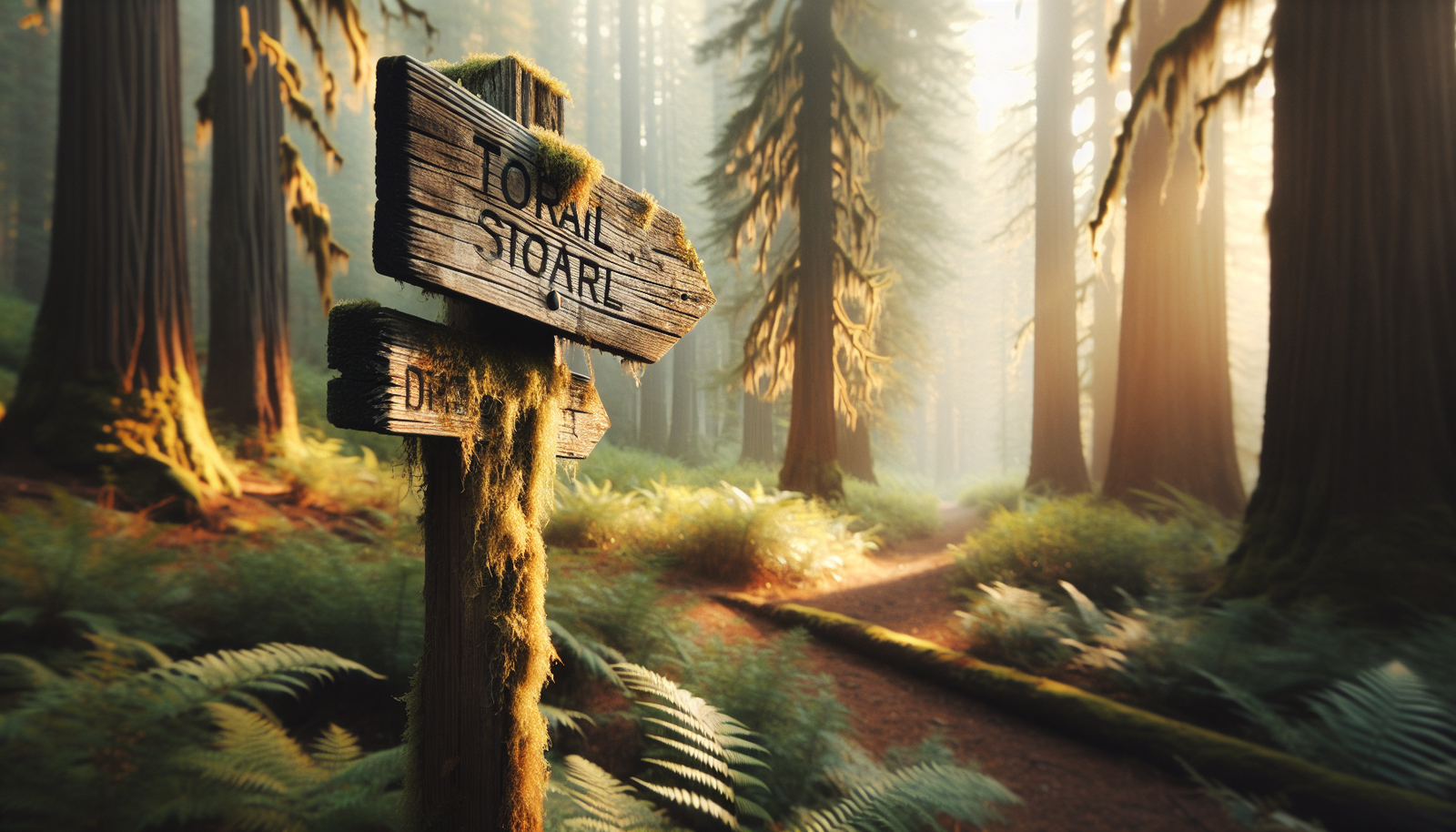
You’ll take more interesting photos if you pay attention to light and composition. The forest likes side lighting—morning or late afternoon—for dramatic textures.
Composition tips to make your photos sing
Think about leading lines (a stream, a trail), foreground interest (a rock, a fern), and a point of human scale so your viewers know how big that tree was. You’ll get better photos if you slow down and consider the scene like you’re setting a stage.
Keeping a nature journal
Bring a small notebook to jot down observations, sketches, or the name of a mushroom you’ll later misidentify with enthusiastic confidence. A nature journal turns a one-hour walk into a memory that grows richer with time.
Local History and Cultural Notes
You’ll find layers of history here. Native American tribes, early settlers, miners, and loggers have all left marks on the land. The stories are subtle: a road cut, a place name, a remnant foundation.
Indigenous presence and respect
You’ll walk on lands with long histories of use by indigenous peoples, including the Wintu and other tribes. You should honor those histories by learning local place names, supporting tribal cultural centers when possible, and treating artifact sites with respect—if you see an object that seems old and cultural, leave it and report it to authorities.
Mining, logging, and human stories
You’ll notice traces of past industries in old roads and mills. The forest has been a working landscape, not just a scenic backdrop, and that layered history gives it a particular depth. You’ll sometimes find interpretive signs that tell these stories; read them slowly.
Where to Eat, Drink, and Sleep
You’ll want advice on where to eat and sleep without resorting to the kind of guidebook language that makes you feel judged for choosing pie over salad.
Notable towns and dining
Redding offers straightforward, comforting options: cafés with excellent coffee and pies. Mount Shasta City has vegetarian-friendly cafes and a certain mountain-town hospitality. McCloud is small and intimate, the sort of place where the diner remembers your name if you stay long enough.
Campgrounds and lodgings
You’ll find campgrounds ranging from primitive sites to those with flush toilets. If you prefer a roof, lodges and B&Bs in Mount Shasta and Redding give you a comfortable return to civilization. Make reservations in summer if you like avoiding surprise tent neighbors.
Table: Nearby towns and quick service guide
| Town | Distance to key areas | Eats & Drinks | Accommodation vibe |
|---|---|---|---|
| Redding | Gateway to many trails | Coffee, diners, microbreweries | Chain hotels to comfortable motels |
| Mount Shasta City | Close to Mount Shasta hikes | Cafés, health-focused eateries | Inns, B&Bs, lodges |
| McCloud | Near McCloud River trails | Small cafés, bakery | Rustic lodges, campgrounds |
| Dunsmuir | Near Mossbrae & Hedge Creek | Cozy diners, local beer | Small motels, friendly inns |
Leave No Trace and Conservation
You’ll leave the place better if you carry out trash, stick to trails, and think like a temporary steward of the woods. The principles of Leave No Trace are not emotionally complicated, and they reward you with future charm.
Practical steps to minimize impact
Pack your trash, bury human waste only where allowed, and avoid picking flowers or removing artifacts. You’ll be glad others did the same when you return and find the place unchanged in the best way.
How you can help beyond one visit
You’ll support the forest by volunteering, donating to local conservation organizations, and following closures and fire restrictions. Even a small annual donation or a few hours at a cleanup adds up.
Sample Itineraries
You’ll find that having a plan helps you relax on the trail. Here are sample itineraries for different kinds of visits.
One-day gentle walk (near Mount Shasta)
You’ll begin early with coffee, stroll the Lake Siskiyou Loop, have a picnic, and then drive to Hedge Creek Falls for a short, quiet walk behind the water. You’ll return in time for dinner and a sensible dessert.
- Morning: Lake Siskiyou Loop (3–4 miles, easy)
- Midday: Picnic and short rest
- Afternoon: Hedge Creek Falls (0.2 mile), quick town stop
- Evening: Dinner in Mount Shasta City
Weekend: waterfalls and viewpoints
You’ll spend a night near McCloud, visit the McCloud River Falls, and then drive to Castle Crags for a light hike with a rewarding view.
- Day 1 morning: McCloud Lower Falls and picnic
- Day 1 afternoon: Stroll town, dinner, overnight in nearby lodge
- Day 2 morning: Castle Crags Vista Trail, leisurely lunch, head home
Week-long relaxed itinerary
You’ll take your time with a week that includes a few long mornings, a couple of lake afternoons, and sufficient time for naps and journaling. This is the sort of trip where your clothes accumulate a pleasant smell of campfire.
- Day 1–2: Mount Shasta area—Lake Siskiyou and regional viewpoints
- Day 3–4: McCloud and McCloud Falls, local bakery stops
- Day 5: Whiskeytown recreation area—swimming and short trails
- Day 6: Castle Crags and a reflective picnic
- Day 7: A slow return, stopping at roadside viewpoints
Table: Sample itinerary time allocation
| Itinerary type | Hiking time per day | Driving between bases | Recommended nights |
|---|---|---|---|
| One-day gentle | 2–4 hours | Minimal | Day trip |
| Weekend | 3–5 hours | Moderate | 1–2 nights |
| Week-long | 2–6 hours | Several short drives | 6–7 nights |
Unexpected Pleasures and Minor Grievances
You’ll encounter surprises and small inconveniences, both of which make for better stories later. The charm often lives in the unplanned: a bee who gives an earnest lecture on street navigation, a trail sign that seems personally critical of your shoe choice.
Pleasant surprises
You’ll sometimes find a tiny meadow absolutely determined to outshine its neighbors in color. You’ll come across an amiable local who offers directions and an unasked-for history lesson. These moments turn ordinary walks into recollections you’ll tell at dinner.
Minor annoyances to prepare for
You’ll encounter mosquitoes in late spring and summer, occasional trail closures, and the kind of mosquitoes that rehearse their stings near your ears. You’ll also find sections of trail that are muddier than their maps promised. Bring patience, and maybe a pair of socks you don’t mind losing to mud.
How to Make It More Charming (and Less Stressful)
You’ll increase charm by slowing down, doing little things ahead of time, and having modest expectations. Charm appreciates subtlety; it does not respect haste.
Small habits that increase delight
Pack a thermos with tea, carry a spare packet of peanuts for the inevitable wildlife negotiation, and take five minutes to sit quietly beside a stream. You’ll be rewarded with moments of unexpected clarity and a sense of being exactly where you should be.
Respectful photography and social media habits
If you post photos, you’ll avoid sharing precise locations for sensitive natural areas that could see damage from crowds. Charm comes from preservation, not from turning every place into a trending destination.
Final Thoughts
You’ll learn quickly that the Shasta-Trinity National Forest rewards curiosity and patience more than athleticism. The forest likes the sort of traveler who appreciates small details: the way moss folds around a stone, the soft punctuation of a far-off waterfall, the quiet business of birds rearranging a twig. Spend your time seeing instead of rushing, and you’ll return with a pocketful of quiet memories.
If you go, take good shoes, an honest map, and snacks that are easy to share with a chipmunk if you’re feeling generous. You’ll leave with a calmer breath, a better ability to tell the time without checking a watch, and the occasional conviction that a tree winked at you.