
Why Shasta Vortex Adventure Tours Draw Curious Travelers
Are Shasta Vortex Adventure Tours spiritual sightseeing, guided hiking, energy work, local storytelling, or some peculiar combination of all four? The honest answer is yes, though the proportions vary, rather like soup made by six relatives who all believe they alone understand garlic.
Mount Shasta rises 14,179 feet in Northern California, a stratovolcano inside the Shasta-Trinity National Forest, which covers roughly 2.2 million acres. It is watched over by hikers, skiers, geologists, Native communities, mystics, photographers, and people who own more crystals than socks.
In 2026, you’re probably not looking for a random pretty trail and a vague promise that “the mountain will call you.” You want a planned route, safer access to sacred sites, a guide who knows the weather, and enough cultural context not to behave like someone who wandered into church wearing swim fins.
Based on our research, the strongest Shasta Vortex Adventure Tours connect Mount Shasta, Mt. Shasta City, Panther Meadows, Castle Lake, Lake Siskiyou, Black Butte, Pluto’s Cave, McCloud Falls, Stewart Mineral Springs, Native American cultural history, vortex sites, meditation, hiking safety, permits, weather, and local tour operators into one sensible day. You can be open-minded without being careless. You can be skeptical without being rude. The mountain has room for both, though it may prefer that neither of them leave snack wrappers behind.
What Is a Mount Shasta Vortex, Exactly?
A vortex, in plain language, is a place many visitors believe carries concentrated earth energy. People associate these spots with meditation, prayer, emotional release, heightened awareness, vivid dreams, or the sudden need to buy a handmade journal and write the word “receiving” on the first page.
Scientific agencies explain Mount Shasta differently. The U.S. Geological Survey identifies Mount Shasta as a potentially active Cascade volcano shaped by eruptions, glaciers, lava flows, hydrology, and tectonic forces. Geology explains why the mountain exists; belief systems explain why people stand quietly at Panther Meadows with their palms open, waiting for invisible change.
That distinction matters. We found that the best Shasta Vortex Adventure Tours don’t present reported energy experiences as laboratory measurements. They say, “Many visitors feel something here,” not “This rock will repair your childhood by Thursday.” That’s a useful difference, especially when money is involved.
For trip planning, use grounded sources: the U.S. Forest Service for road, fire, and meadow rules; the National Weather Service for forecasts; and Visit California or local Siskiyou County tourism information for lodging and seasonal travel. In 2026, a good guide translates folklore, access, etiquette, weather hazards, and site selection into something better than driving around because someone online wrote, “You’ll feel it when you get there,” which is also how people describe food poisoning.
How Shasta Vortex Adventure Tours Usually Work
Most Shasta Vortex Adventure Tours follow a predictable rhythm, even when the brochure looks as if it was designed during a moon ceremony. You book online or by phone, meet in Mt. Shasta City, discuss your comfort level, drive to 2 to sites, walk or hike, pause for meditation or quiet time, hear local history, and return before everyone becomes hungry enough to mistake trail mix for dinner.
Common formats include short 2-hour introductions, 4-hour half-day tours, 6-to-8-hour full-day outings, and private custom trips. Pricing changes by operator, group size, transportation, and specialty, but many guided outdoor experiences in California fall somewhere between budget group pricing and several hundred dollars for private full-day guiding. Private tours cost more, but they may spare you from being paired with a man named Sky who brought a gong and appears emotionally attached to it.
There are real differences between tour types. Spiritual tours emphasize meditation, intention-setting, and energy interpretation. Hiking-focused tours prioritize mileage, elevation, route safety, and trail conditions. Photography tours chase light around Castle Lake, Heart Lake, and Lake Siskiyou. Geology and nature tours use Pluto’s Cave, Black Butte, lava flows, springs, and forests to explain the mountain’s physical story. Hybrid Shasta Vortex Adventure Tours combine all of this, ideally without turning the day into a lecture delivered beside a minivan.
Before booking, use this checklist:
- Choose your comfort level: spiritual, nature-based, active, gentle, or mixed.
- Pick a season: upper roads may be snowbound well into summer.
- Confirm physical difficulty: ask about walking distance, elevation gain, bathrooms, shade, and footing.
- Ask which sites are included: Panther Meadows, Castle Lake, Lake Siskiyou, Pluto’s Cave, Black Butte, or McCloud Falls.
- Check safety basics: first-aid training, weather plan, group size, cancellation terms, and transportation.
- Respect closures: public land rules and cultural restrictions are not decorative suggestions.
Best Sacred Sites on Shasta Vortex Adventure Tours
The best stops on Shasta Vortex Adventure Tours depend on season, snowpack, road access, wildfire smoke, fitness, and whether you want solitude, scenery, ritual, or simply the satisfying feeling of having packed the correct shoes. Lake Siskiyou is social and accessible. Panther Meadows is quieter, higher, and more fragile. Pluto’s Cave makes the volcanic story visible. McCloud Falls provides water, shade, and the kind of scenery that makes people stop pretending they’re above taking photographs.
Many sacred places around Mount Shasta overlap with Indigenous cultural significance, public land management, and ecological sensitivity. That means you should not stack rocks, remove plants, leave crystals, tie cloth to branches, burn sage during fire risk, contaminate springs, or treat the forest like a private therapy room you forgot to book.
Based on our analysis, the most useful itineraries compare stops side by side rather than listing them like cereal ingredients. Think in terms of distance from Mt. Shasta City, approximate elevation, access notes, time of day, difficulty, and visitor mood. A family with grandparents may love Lake Siskiyou at sunset. A fit photographer may prefer Heart Lake. Someone seeking quiet may choose Castle Lake on a weekday morning. Someone who wants the classic sacred-site experience will ask for Panther Meadows, then discover the weather has opinions.
- Easiest scenic stop: Lake Siskiyou, about miles from Mt. Shasta City.
- Most requested sacred meadow: Panther Meadows, generally accessed seasonally on the upper mountain.
- Best geology stop: Pluto’s Cave, a lava tube north of town.
- Best waterfall extension: McCloud Falls, roughly miles east of Mount Shasta.
Panther Meadows and the Upper Mountain
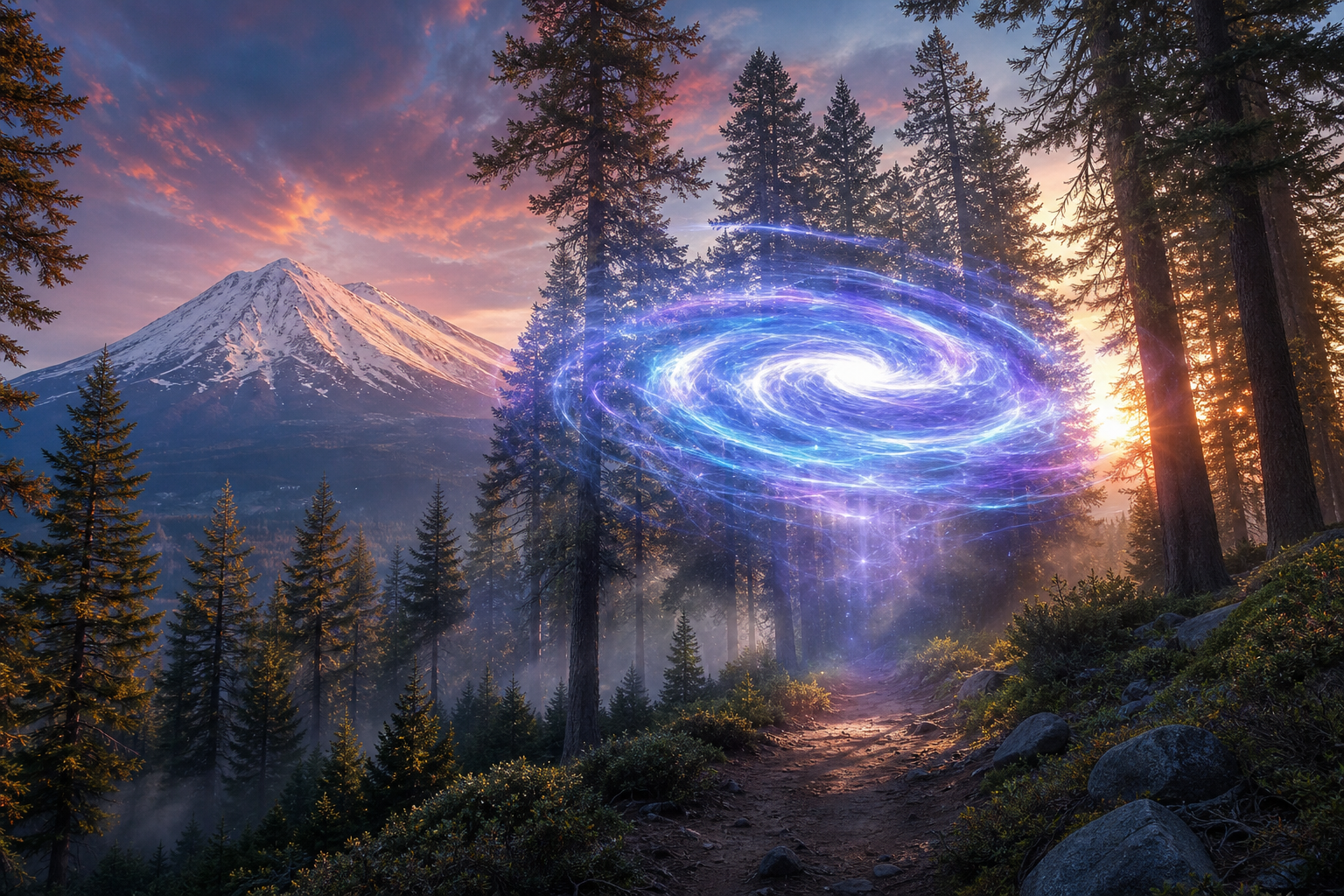
Panther Meadows is one of the most requested stops on Shasta Vortex Adventure Tours, known for wildflowers, springs, alpine views, meditation areas, and a hush that makes even chatty people lower their voices, which is no small public service. The area sits high on Mount Shasta, and access usually depends on snowmelt, road openings, and U.S. Forest Service seasonal rules.
The meadow is ecologically delicate. The Forest Service has long emphasized protection of fragile alpine vegetation and spring areas, so you should stay on marked paths, avoid wet meadow soils, keep feet and bottles out of springs, and never leave crystals, cloth, food, ashes, or written intentions. Nature is already carrying enough without your laminated affirmation card.
Choose Panther Meadows if you’re comfortable with elevation, uneven ground, intense sun, chilly wind, and sudden weather. A cloud can arrive like a curtain, and the upper mountain can feel entirely different from Mt. Shasta City only minutes below. We recommend bringing layers, water, sun protection, and the humility to turn around when your guide says conditions have changed.
Castle Lake, Heart Lake, and Lake Siskiyou
Castle Lake is a high-elevation glacial lake commonly included on nature-oriented or meditation-friendly Shasta Vortex Adventure Tours. It sits southwest of Mount Shasta, roughly miles from Mt. Shasta City by road, and winter snow can affect access. On calm mornings, the lake can look so polished you may feel underdressed just standing beside it.
Heart Lake is the more strenuous add-on above Castle Lake. It attracts hikers and photographers who want the classic Mount Shasta view and don’t mind earning it by breathing harder than they expected. The route is short compared with major mountain hikes, but elevation, sun exposure, and rough footing can make it feel longer than the mileage suggests.
Lake Siskiyou is the gentler option: accessible, family-friendly, scenic, and useful for mixed-age groups. It offers picnic areas, shoreline walks, paddling, and broad views of Mount Shasta without requiring anyone to become a mountain goat. Choose Castle Lake for quiet reflection, Heart Lake for hiking and photography, and Lake Siskiyou for sunset, families, and travelers who want beauty without a small personal crisis.
Pluto’s Cave, Black Butte, and McCloud Falls
Pluto’s Cave gives Shasta Vortex Adventure Tours a geological counterweight to the spiritual narrative. This lava tube, formed by volcanic activity, reminds you that Mount Shasta is not just a symbol on a wellness flyer; it is a powerful volcanic system with a very long memory. Bring a headlamp, backup light, sturdy shoes, and preferably a helmet if you plan to enter rougher sections. Do not wander into darkness with a phone battery at 9%, unless your larger goal is to become a cautionary anecdote.
Black Butte, the steep volcanic dome beside Interstate 5, is more physical than floaty. The trail gains significant elevation over a relatively short distance, and heat exposure can be punishing in summer. It’s best for hikers who want views, effort, and a reminder that “short” and “easy” are not relatives.
McCloud Falls, east of Mount Shasta, includes Lower, Middle, and Upper Falls along the McCloud River. It works well for scenic day trips, grounding, photography, and post-tour cooling-off when everyone has had enough talk about energy and would like a sandwich. Together, these stops broaden the day with lava, water, exertion, and a clearer sense of the mountain’s volcanic personality.
Choosing the Best Shasta Vortex Adventure Tours in 2026
Choosing the best Shasta Vortex Adventure Tours in means looking past purple websites, vague promises, and guide biographies that use the word “ascended” more often than “insured.” A beautiful website is not a safety plan. A dramatic headshot in front of a waterfall is not first-aid training.
We recommend comparing at least three operators before you book. Look at group size, local residency, years of guiding experience, first-aid readiness, route transparency, cancellation terms, accessibility, transportation, and whether the guide respects both spiritual visitors and public-land rules. Recent reviews matter most; a glowing review from tells you less than a plainspoken or review mentioning snow, pacing, and the exact sites visited.
Useful tour examples include a private couples’ meditation tour, a family-friendly Lake Siskiyou outing, a half-day Panther Meadows visit, a full-day sacred-sites route, a geology-and-vortex hybrid, or a custom retreat add-on with Stewart Mineral Springs or a local wellness practitioner. The right choice depends less on mystical vocabulary and more on fit. If you hate hiking, don’t book Black Butte because the guide used the word “activation.” If your child needs bathrooms every minutes, choose accordingly.
Ask direct questions before payment:
- What sites are included, and what is the backup plan?
- How much walking, elevation gain, and uneven ground should I expect?
- Are parking passes, permits, or entrance fees needed?
- What happens if smoke, snow, heat, or thunderstorms change the route?
- Do you follow Leave No Trace practices?
- Will I be pressured to buy tools, readings, or extras?
When to Visit Mount Shasta for Vortex Tours
The best season for Shasta Vortex Adventure Tours depends on which version of Mount Shasta you want to meet. Late spring brings waterfalls, snowmelt, and lower-elevation beauty. Summer usually offers better access to Panther Meadows, Castle Lake, and upper mountain roads. Early fall often brings cooler hikes, clearer itineraries, and fewer crowds. Winter can be gorgeous, but the mountain becomes less cooperative, like a cat asked to wear a sweater.
Weather shifts quickly with elevation. Mt. Shasta City sits around 3,500 feet, while upper mountain sites can be thousands of feet higher, meaning temperature, wind, snow, and sun exposure can change in a single drive. Snow can linger on upper roads into summer, and wildfire smoke has become a serious planning issue across Northern California. Check Cal Fire incident updates during fire season and the National Weather Service before committing to high-elevation routes.
Use this month-by-month approach for planning:
- May-June: McCloud Falls, Lake Siskiyou, lower trails, and town-based routes.
- July-August: best odds for Panther Meadows and Castle Lake access, though heat and smoke can interfere.
- September-October: cooler hiking, fewer summer crowds, and strong photography conditions.
- November-April: modified tours around Mt. Shasta City, Lake Siskiyou, Stewart Mineral Springs, lower viewpoints, or snow-friendly routes.
Book early for summer weekends, especially if you want a private guide. The mountain does not care that you flew in from Newark with nonrefundable tickets, so flexibility is not a virtue here; it’s equipment.
What to Bring, Wear, and Know Before You Go
For Shasta Vortex Adventure Tours, pack as if the day may include sun, wind, dust, water, uneven ground, and one person who insists the temperature is “energetic.” Bring 2 liters of water per person, layered clothing, a sun hat, sunscreen, trail shoes, snacks, a small first-aid kit, offline maps, and a notebook if you’re the sort who writes down revelations beside granola crumbs.
If Pluto’s Cave is included, add a headlamp, backup batteries, and sturdy footwear. If Panther Meadows or Castle Lake is included, bring warmer layers even in July. Ultraviolet exposure increases with elevation, and dehydration can sneak up faster than expected when you’re distracted by scenery or trying to appear spiritually available.
Altitude and exertion deserve respect. Mount Shasta-area tours can range from gentle town-level walks to higher-elevation trails, and visitors should pace themselves, hydrate, avoid alcohol before hiking, and tell guides about asthma, heart conditions, mobility concerns, medication needs, or recent illness. In our experience, people get into trouble when they confuse enthusiasm with conditioning.
Etiquette is part of safety. Arrive on time, silence your phone during meditation, ask before photographing ceremonies or other guests, stay on trails, pack out trash, and don’t treat Indigenous traditions as costume jewelry for the soul. For accessibility, ask about walking distance, restroom availability, road surfaces, shade, seating, vehicle requirements, service animals, and whether a lower-impact route around Lake Siskiyou or Mt. Shasta City would be wiser.
After the tour, avoid solo wandering near caves, snowfields, remote pullouts, or trails with weak cell service. Confidence is useful. A map is better.
Culture, Indigenous History, and Respectful Travel
Mount Shasta is not merely a backdrop for visitor transformation. It is part of the homelands, cultural memory, and living significance of Indigenous peoples including the Shasta, Wintu, Modoc, Achumawi, and other regional communities. Any responsible discussion of Shasta Vortex Adventure Tours needs to say this plainly, not tuck it behind a paragraph about crystals and moonlight.
Responsible guides distinguish between Indigenous history, New Age interpretations, local folklore, and commercial mythology. These are not the same thing, even when a brochure tosses them together like trail mix. We found the best operators speak carefully about sacred sites, cite local or public sources, avoid claiming ownership of Native teachings, and encourage behavior that protects springs, meadows, plants, wildlife, and ceremonial quiet.
For context, consult public materials from the U.S. Forest Service, local museums, regional historical societies, and educational institutions such as College of the Siskiyous. Where Indigenous-led education is publicly available, support it. Where information is not public, don’t treat that silence as an invitation to invent.
Concrete respectful actions are simple: don’t leave offerings, don’t remove stones or plants, don’t enter closed areas, don’t post exact sensitive locations if asked not to, don’t perform loud ceremonies in shared quiet spaces, and don’t repeat Native stories unless you know they are yours to share. Spend money with local businesses in Mt. Shasta City, McCloud, Dunsmuir, and Weed. Respect is not a mood. It’s behavior.
Sample 1-Day Shasta Vortex Adventure Tours Itinerary
A useful day of Shasta Vortex Adventure Tours should feel planned without feeling embalmed. The route below gives you structure, then leaves room for weather, access, smoke, tired knees, or the group member who packed three scarves but no water.
- 8:30 a.m. — Meet in Mt. Shasta City: confirm goals, mobility, layers, water, and route conditions.
- 9:00 a.m. — Lake Siskiyou: begin with views, gentle grounding, shoreline walking, and easy photography.
- 11:00 a.m. — Castle Lake or Panther Meadows: choose Castle Lake when upper mountain access is limited or Panther Meadows when roads are open and conditions are appropriate.
- 1:00 p.m. — Lunch in town: eat real food, refill water, and avoid the tragic rental-car trunk cracker meal.
- 2:30 p.m. — Pluto’s Cave or McCloud Falls: choose geology and lava tube exploration, or waterfalls and shade.
- 5:30 p.m. — Sunset viewpoint: close with reflection, photographs, and a plan to return safely before dark.
For beginners, keep the day gentle: Lake Siskiyou, Mt. Shasta City, McCloud Falls, and a short meditation stop. For active travelers, add Heart Lake or Black Butte if weather and fitness allow. For a wellness-centered route, include Stewart Mineral Springs, quiet time, and a slower lunch that acknowledges digestion as one of the body’s older spiritual traditions.
Cost planning should include guide fees, gratuity, parking passes if needed, lunch, fuel, wellness add-ons, rental gear, and lodging in Mt. Shasta City, Dunsmuir, Weed, or McCloud. Guides may change the plan for safety, access, or weather. A good Plan B should not feel like punishment; it should feel like the mountain edited your schedule.
Costs, Booking Tips, and Red Flags
The cost of Shasta Vortex Adventure Tours depends on format, duration, transportation, number of sites, guide specialization, and add-ons such as meditation, sound healing, photography coaching, local history, or wellness sessions. A short group outing is usually the most affordable. A private full-day custom route costs more because you’re paying for planning, flexibility, guide attention, and the privilege of not pretending to enjoy a stranger’s flute.
Reserve summer and holiday weekends early, especially in when outdoor, wellness, and small-group travel remain popular across California. Ask for a written itinerary, confirm the meeting point, read recent reviews, verify refund terms, and check whether the operator communicates clearly before payment. If getting basic answers feels like filing a tax appeal, choose someone else.
Watch for red flags: guaranteed healing claims, pressure to buy expensive spiritual tools, no discussion of weather or safety, vague site descriptions, disrespect toward Native cultures, oversized groups in fragile areas, and guides who seem offended by ordinary questions. A good guide can provide context, pacing, safety, and a memorable route. No honest operator can guarantee an awakening, a vision, or that your brother-in-law will stop talking about cryptocurrency.
| Tour Type | Best For | Typical Features |
|---|---|---|
| Budget group tour | Curious first-timers | Short route, shared guide, 1-3 sites |
| Mid-range half-day private tour | Couples or small groups | Custom pacing, meditation, Lake Siskiyou or Castle Lake |
| Premium full-day custom experience | Travelers wanting depth | 4-5 stops, history, hiking, flexible route |
| Wellness retreat add-on | Restorative trips | Stewart Mineral Springs, bodywork, slower schedule |
Your Next Steps for Planning Shasta Vortex Adventure Tours
Start planning Shasta Vortex Adventure Tours by choosing your season, then your style: quiet, scenery, healing, hiking, history, geology, photography, or simply one day in when nobody asks you to answer email. From there, shortlist three guides, compare recent reviews, confirm site access, book lodging, and pack for mountain weather rather than the fantasy version of mountain weather seen in sandals.
The best tours balance wonder with preparation. Respect Mount Shasta, respect local culture, respect Shasta-Trinity National Forest rules, and respect the fact that altitude can make even confident people behave like unplugged appliances. Before departure, check U.S. Forest Service updates, National Weather Service forecasts, Cal Fire conditions, and official Siskiyou County travel information.
If the upper mountain is open and the weather is kind, book a route that includes Panther Meadows or Castle Lake. If not, choose Lake Siskiyou, McCloud Falls, Pluto’s Cave, and a guide who knows how to make Plan B feel like it was the point all along. That, more than any dramatic promise, is the mark of a good Mount Shasta day.
Key Takeaways
- Choose your season first: summer and early fall are best for upper mountain access, while spring favors waterfalls and lower trails.
- Compare at least three local operators using safety, route clarity, recent reviews, accessibility, and respect for Indigenous culture as your main filters.
- Pack for changing mountain conditions, including liters of water, layers, sun protection, trail shoes, and offline maps.
- Treat sacred and fragile sites carefully: stay on trails, leave no offerings, protect springs, and follow Forest Service rules.
- If Panther Meadows or Castle Lake is not accessible, a strong Plan B with Lake Siskiyou, McCloud Falls, Pluto’s Cave, and a skilled guide can still make the day excellent.
Frequently Asked Questions
What are Shasta Vortex Adventure Tours?
Shasta Vortex Adventure Tours are guided outings around Mount Shasta that may combine sacred-site visits, meditation, light hiking, local history, geology, and nature interpretation. The best tours explain both reported spiritual beliefs and practical land-use rules without treating either one carelessly.
Where are the main Mount Shasta vortex sites?
Commonly requested sites include Panther Meadows, Castle Lake, Lake Siskiyou, Pluto’s Cave, Black Butte, and McCloud Falls. Access depends on season, snow, road conditions, wildfire smoke, and public-land closures.
Is Panther Meadows open year-round?
No. Panther Meadows is a high-elevation area where road access generally depends on snowmelt and seasonal Forest Service conditions. Always check current Shasta-Trinity National Forest updates before planning a visit.
Do you need to be spiritual to enjoy a vortex tour?
No. Many travelers book these tours for scenery, hiking, photography, geology, and local stories. A good guide should make the day worthwhile whether you are deeply spiritual, politely curious, or mainly interested in not getting lost.
What should you bring on a Mount Shasta vortex tour?
Bring liters of water per person, layered clothing, trail shoes, sunscreen, snacks, offline maps, and a small first-aid kit. If Pluto’s Cave is included, bring a headlamp and backup batteries.
When is the best time for Shasta Vortex Adventure Tours in 2026?
July through October usually offers the best access for upper mountain sites such as Panther Meadows and Castle Lake, though smoke and weather can still change plans. May and June are better for waterfalls and lower-elevation routes, while winter tours usually stay closer to town or lower viewpoints.