
Have you ever felt the kind of irrational longing that makes you plan a trip around a roll of sushi?
This image is property of images.unsplash.com.
Admitting My Obsession with Sushi at Lily Kong in Mount Shasta
You will read this and, if you are honest with yourself, nod like someone agreeing with a small, embarrassing truth. You will picture a map with a red pin, a cup of miso in one hand and a driving playlist in the other, because that is how this story begins: with an appetite that resembles a personal emergency. Lily Kong in Mount Shasta is the tiny, luminous reason you sometimes schedule your days around dinner, and this is both confession and field guide.
Why you should care (or at least pretend to)
You notice that food obsessions say more about you than therapy does. Your fixation on a particular sushi place is a taxonomy of comfort, risk, and predictability. In the case of Lily Kong, the obsession is based on small mercies: precise rice, the way nori holds its dignity, servers who know you by the roll you order. You will understand, or at least empathize, as these pages try to explain the magnetism.
Your first impression when you arrive
When you approach Lily Kong, you will find it unafraid of modesty. It’s not trying to be anything grander than a thoughtful sushi spot in a mountain town. Small lanterns, a tidy entrance, and a hint of soy and citrus will tell you everything you need to know before someone hands you a menu. You will feel the tension between wanting to be casual and wanting to take notes.
The setting: Mount Shasta’s unlikely sushi sanctuary
The town of Mount Shasta is known for its mountain majesty, spiritual pilgrims, and thrift stores that sell flannel like it’s a civic duty. Nestled among this is Lily Kong, which feels, to you, like a secret society clubhouse with chopsticks. The contrast between the snowy peak views and the delicate fish on your plate is not lost on you; it’s a little bit rebellious.
Interior and atmosphere
The interior is warm without trying too hard; it has wood accents and subdued lighting that makes you forget, for a moment, how cold it might be outside. Seating alternates between compact tables and a bar where you can watch the chef perform what appears to be sushi sorcery. You will appreciate the hum of conversation, the occasional laugh, and the quiet hierarchy at the bar where plates pass like important documents.
Location and accessibility
Lily Kong is centrally placed for anyone staying in downtown Mount Shasta or stopping by after a snowshoe excursion. Parking tends to be reasonable; you will probably find a spot within a few blocks. If you are walking, you will notice that the street has a small-town rhythm—dogs, locals with reusable bags, and that one person who always walks like they’re late.
This image is property of images.unsplash.com.
The menu: more than just rolls
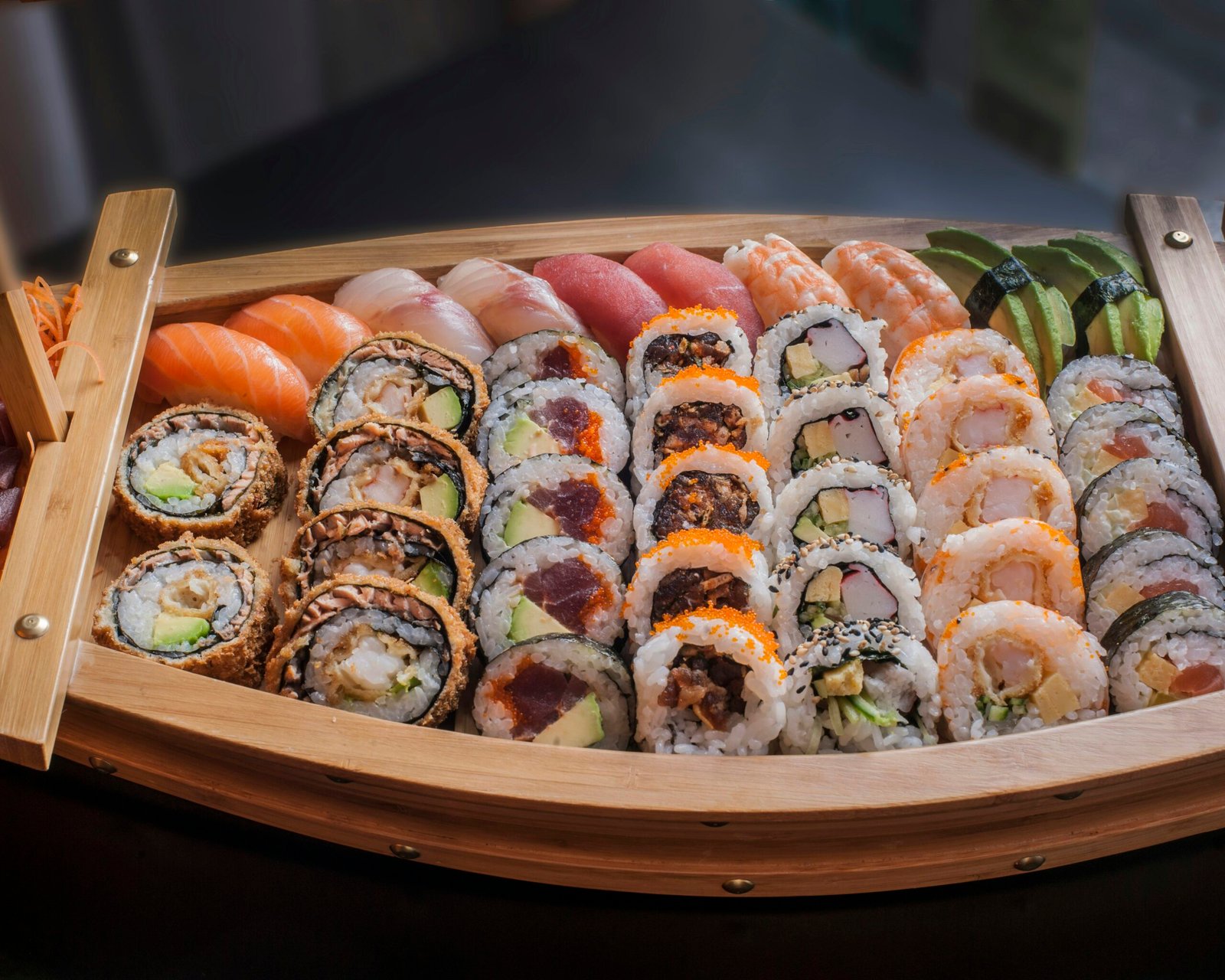
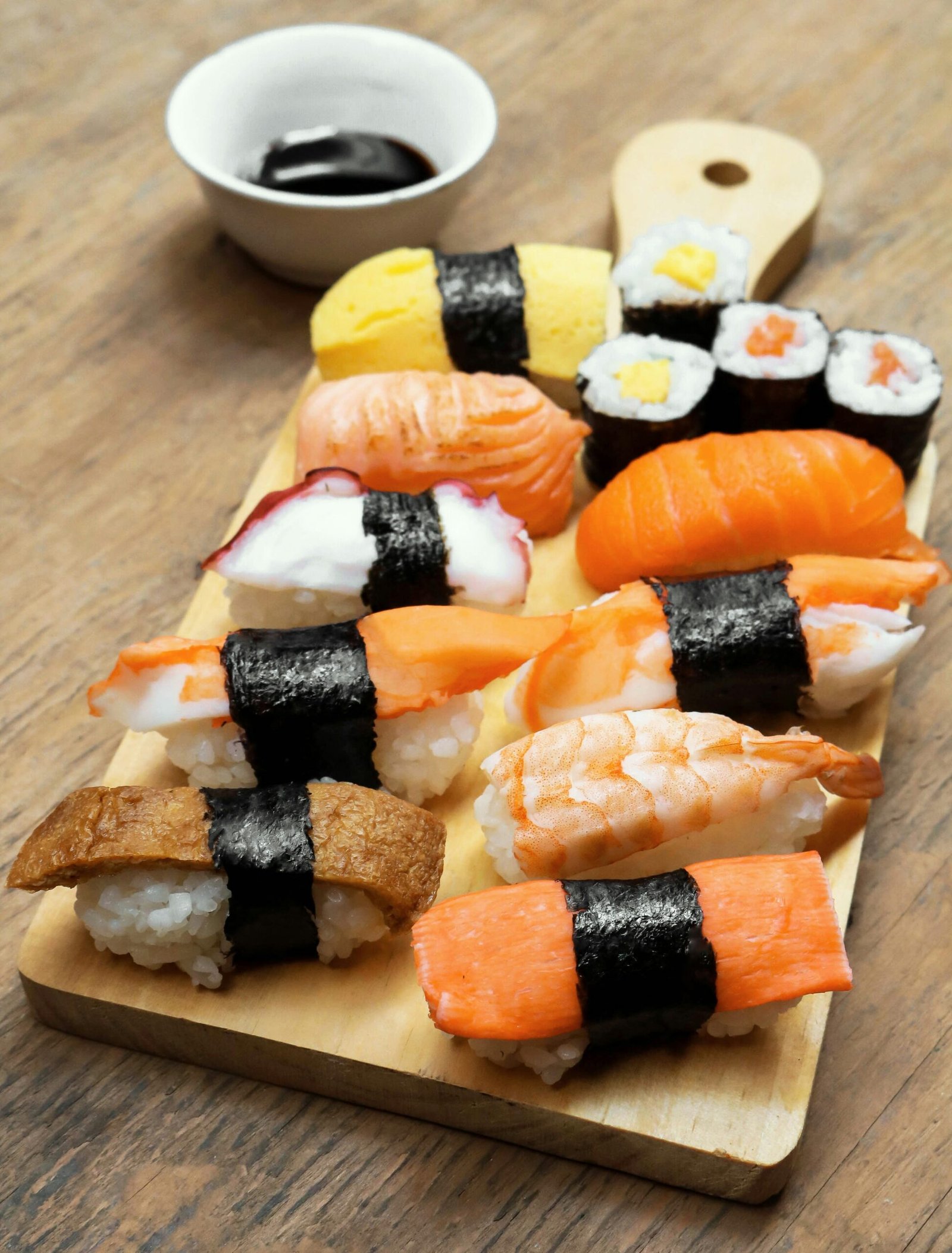
You might arrive expecting a handful of predictable rolls. Instead, you will face a menu that manages to be both familiar and clever. There are classic nigiri and sashimi options that will satisfy purists, and inventive rolls for those feeling adventurous. The appetizers behave like earnest foils — tempura that snaps properly, edamame bright and salted, and salads that understand acid.
Signature items you’ll obsess over
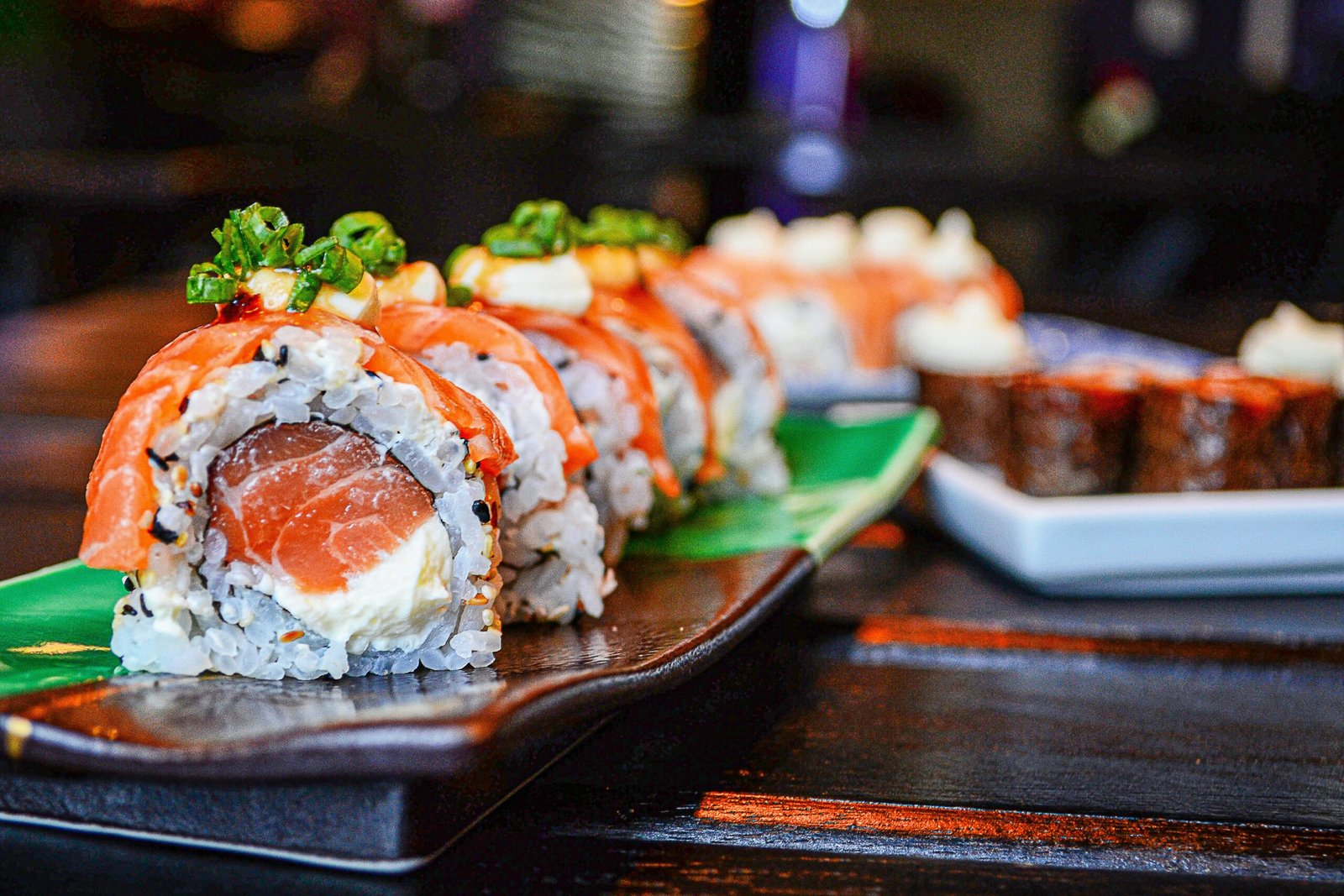
You will notice certain items keep returning in your thoughts: a roll with perfectly balanced tempura crunch, salmon that tastes like it remembered the ocean, and a house special that combines heat, sweet, and texture in a way that feels almost political. These are the things you will find yourself recommending, and then justifying when people ask for evidence.
Table: Popular items (examples; availability may vary)
| Item | Main ingredients | Why you’ll love it |
|---|---|---|
| House Special Roll | Tempura shrimp, avocado, spicy mayo, eel sauce | Crunch and cream with a staying power you’ll write home about |
| Salmon Nigiri | Fresh salmon, seasoned rice | The salmon that makes you stop mid-sentence |
| Spider Roll | Soft-shell crab, cucumber, spicy aioli | Bitter-sweet texture contrast, perfect for digging in |
| Miso Soup | Miso broth, tofu, seaweed | Humble but restorative, like a small apology from your stomach |
Vegetarian and allergy-friendly options
You will be relieved to find that options aren’t an afterthought. Veg-friendly rolls, tofu dishes, and thoughtful substitutions are available. The staff tends to listen if you say you’re allergic to shellfish or nuts, and they will help you navigate the menu. However, you will probably still ask questions because you are careful and a little suspicious.
Quality of ingredients and sourcing
One thing that keeps you coming back is the transparency about ingredients. Lily Kong seems invested in quality over theatrics. Fish is fresh; rice is properly seasoned; garnishes have a purpose. You will appreciate the subtle choices: a citrus note here, a mildly spicy smear there, a piece of pickled ginger that actually wakes up your palate rather than just filling newspaper space on your plate.
How the fish tastes different
There is a difference between fish that is merely good and fish that makes you consider obscenely long dinners every week. At Lily Kong, the fish tends to strike that balance: bright, clean, and summer-like even in the dead of winter. You will notice the absence of gamey or overly fishy notes, which is important to you because one bad bite stays with you for longer than it should.
Sustainability and responsible sourcing
You will be glad to learn that Lily Kong tends to take responsible sourcing seriously. While small restaurants sometimes rely on whatever is cheapest, places like this often build relationships with suppliers and aim for more sustainable choices. If you are someone who agonizes over tuna species or prefers seasonal selections, you will find comfort in asking staff about provenance, and they usually respond with genuine knowledge rather than rehearsed lines.
This image is property of images.unsplash.com.
The chefs and staff: personalities on your plate
You will notice a rhythm to how the kitchen moves. The sushi chefs work with a calm intensity, not the performative frenzy that some restaurants cultivate. They are practical and efficient, like craftsmen who understand both the tool and the temperament of each ingredient. Servers are friendly without being intrusive; they respect your desire to be acknowledged but not interrogated.
Interactions that make you feel at home
There is joy in being recognized as “the person who likes the spicy salmon roll” and there is a strange comfort in that specificity. The staff's ability to remember preferences is a testament to small-town service, but it’s also the kind of personal attention you’ll find oddly moving. You will leave feeling known, which is a dangerous feeling if you’re trying to maintain a sense of anonymity in food choices.
Drinks: sake, beer, and the occasional cocktail
You will appreciate a thoughtful drink list that complements rather than upstages the sushi. Sake selections tend to be well-chosen: clean junmai for your nigiri, and perhaps a slightly off-dry option for spicier rolls. Beer options often include both local brews and familiar favorites, and if you’re inclined to try a cocktail, you’ll find that they respect the delicate balance — no over-sugared distractions.
Pairing suggestions
Pairing is not a science but it is a ceremony. You will find that lighter sakes and a crisp lager pair well with delicate sashimi, while a smoky or richer roll benefits from a slightly fuller-bodied sake or an amber beer. If the server offers a suggestion, take it; you will be surprised by how much a well-chosen beverage complements a bite.

Value: what you’re really paying for
You will spend what feels like a reasonable amount for quality sushi in a small mountain town. Prices are not designed to shock you, but they are a reflection of the care that goes into ingredients and preparation. When you consider the experience—the attentive staff, the freshness, the cozy ambiance—you will often decide it’s worth it, even when your wallet momentarily objects.
Is it worth it for takeout?
Yes. If you’re ordering takeout because you want the food but not the civic obligation of making conversation, Lily Kong manages packing with dignity. Rolls survive the drive; miso remains hot enough to be consoling. The one caveat: sushi is always best consumed soon after preparation, so plan accordingly.
Ordering strategies: how to curate your meal
There is an art to ordering at a place you love. You will learn to balance the safe with the daring: one or two familiar items (salmon nigiri, miso) and one roll you’ve never tried. For larger groups, you should think of sharing as a religious practice; it’s the best way to sample different textures and flavors. And if you are alone? Order the omakase if available, and treat it like an intimate, slightly indulgent date with the chef.
Table: Ordering tips at a glance
| Situation | Recommended approach |
|---|---|
| First visit | Try a mix of nigiri and one signature roll |
| With friends | Order two rolls to share plus an appetizer per person |
| Solo | Consider omakase or a tasting set |
| Takeout | Choose rolls that travel well (avoid overly sauced items) |
Omakase: what you might expect
If the restaurant offers an omakase (chef’s selection), you will experience a dramaturgy of flavors: small, precise bites arranged to build on the one before. Omakase is an indulgence, but it’s the best way to see what the chef considers essential. You will come away feeling smug in a tasteful way.

Sides and small plates that steal the show
It’s easy to be seduced by the main event and ignore the supporting acts. At Lily Kong, the sides earn their keep. Think lotus root tempura if available, a salad dressed with a miso vinaigrette, and small pickled accoutrements that clear the palate and prepare you for the next bite. These are not afterthoughts; they are strategic commas.
Texture and temperature play
You will notice how temperature and texture are used to sculpt the meal: warm tempura to contrast cool sashimi, crisp vegetables alongside silky fish, small icy slivers of daikon to cleanse your mouth. These details are the kind that whisper the chef’s intent.
How Lily Kong fits into Mount Shasta’s food scene
Mount Shasta is not a metropolis, but it has its own culinary map. Lily Kong stands out by offering something refined without being pretentious. It complements the town’s more rustic fare — the taverns, the pie shops, the places that sell candles shaped like mountains — by providing a careful, restrained contrast. If you are visiting the area and want an unexpectedly polished meal, this is the place you keep scribbling in your mental notebook.
Community and local ties
Small restaurants often rely on regulars, and Lily Kong is no exception. Locals and visitors mix, and the staff know which patrons want to chat and which prefer to read the menu like a novel. You will find that the restaurant participates in the local rhythm: weather conversations, winter travelers, and the occasional hiker who smells like forest.
Practical details: hours, reservations, and parking
You will want to call ahead for weekends or holidays when the place can fill up. Reservation policies can change, so it’s prudent to check the current system—walk-ins are welcome, but your patience will be tested during peak times. Parking is generally nearby; consider that a short walk can be part of the experience, particularly if you time it to catch the sunset over the mountain.
Table: Practical info summary (check with the restaurant for current details)
| Topic | Recommendation |
|---|---|
| Reservations | Recommended on weekends and holidays |
| Parking | Street or nearby lot; manageable but not abundant |
| Takeout | Available; order ahead during peak hours |
| Accessibility | Usually accessible; call if you have specific needs |
| Payment | Credit cards accepted; cash sometimes preferred for small tips |
For dates, families, and awkward reunions
You will find Lily Kong suitable for a range of social obligations. For a date, the lighting and menu are quietly romantic. For a family, there’s enough variety to please picky eaters and adventurous teenagers. For awkward reunions, sushi provides structured silence; everyone has chopsticks and a plate, which reduces the pressure to keep conversation skating on thin ice.
Seating and privacy
If privacy is your priority, ask about quieter corners or a table away from the bar. The bar itself is its own theatre, and if you’re someone who enjoys being close to action, you will appreciate watching the chefs. Otherwise, a corner table gives you the illusion of intimacy without being shushed.
Common questions you will ask (and answers)
People will ask you whether this place is the best sushi in Northern California, and you will deflect because it is both hilarious and impossible to measure. You might ask whether they accommodate dietary restrictions, and the answer will typically be affirmative. If you ask about parking or wait times, be prepared for pragmatic replies and the occasional seasonal temper tantrum from the staff (which is charming).
Table: FAQ quick answers
| Question | Short answer |
|---|---|
| Best time to go? | Weeknights or early evenings for shorter waits |
| Kid-friendly? | Yes, with options that appeal to younger palates |
| Is there outdoor seating? | Sometimes; weather-dependent |
| Do they do catering? | Often yes; ask the staff for options |
How to order if you care about presentation
You will learn that presentation is not frivolous. A well-presented dish conveys intention. When you order, ask for the sushi to be served as courses rather than all at once if you want the full theatrical effect. Napkin etiquette matters only insofar as you feel slightly civilized afterward. And when the chef places a piece of nigiri in front of you, you will either eat it immediately or suffer a minor crisis of impatience.
The last bite ritual
You will notice that people treat the last bite like a curtsey. It is a moment to appreciate the meal, to realize you will probably think about this place for weeks, and perhaps to plan your next visit. You will feel a small but persistent loyalty.
Comparisons and what sets Lily Kong apart
You will have favorites in other cities — sushi bars with neon vibes or minimalist spaces in larger towns. Lily Kong distinguishes itself by combining quality with a sense of place. It doesn’t pretend to be a sushi palace; instead, it is an honest, well-run spot that respects its ingredients and its patrons. For someone who loves good food without performative frills, this is a jewel.
What you won’t get here
If your ideal dinner includes theatrical pyrotechnics or an eight-course tasting that comes with a printed manifesto, Lily Kong is probably not for you. That’s not a criticism; it’s a fact. The restaurant prefers to let the food speak, which, if you’re listening, is eloquent enough.
Small rituals that become part of your visit
You will develop rituals: ordering the same appetizer, always splitting a particular roll, refusing the dessert because the last bite of sushi is sweet enough. These habits make the place feel like yours, even if the chef changes or the chairs are rearranged. They are small anchors in the tide of life.
Seasonal changes and surprises
Seasons affect menus subtly. You will notice slight shifts in what appears on the menu — a different fish, a new pickled vegetable — and you will appreciate the small surprises. These are the moments that keep you curious without making you feel guilty for liking what you already know.
Final confessions and practical takeaways
You will leave Lily Kong with a sense of mild, satisfied astonishment. This is not just a confession; it’s a set of coordinates for anyone who cares about honest sushi in a mountain town. You will find yourself recommending it, if only to measure how the world responds to your tastes. You will also find that admitting an obsession makes it easier to plan your next meal.
Table: Quick takeaways for readers
| If you | Do this |
|---|---|
| Want the best experience | Go early on a weeknight, sit at the bar, try omakase if available |
| Are on a budget | Share rolls and order simple nigiri |
| Prefer takeout | Order items that travel well and arrive promptly |
| Have dietary needs | Ask the staff; they are accommodating |
| Want to impress | Choose a balanced selection and a nice sake |
Closing thought you’ll carry with you
You will find that certain places worm their way into your life not because they are perfect, but because they are honest. Lily Kong offers you the kind of meal that is both familiar and surprising — a meal that fits into the larger, sometimes ridiculous story of your life. You will leave with soy on your lip and a plan to return, which is the kind of soft addiction you can live with.
If you find yourself booking a spontaneous trip to Mount Shasta because you can’t stop thinking about a particular roll, know that you are in good company. At the very least, your craving will tell you something about the things that make you feel at home: precision, warmth, and the small human rituals that turn food into memory.