
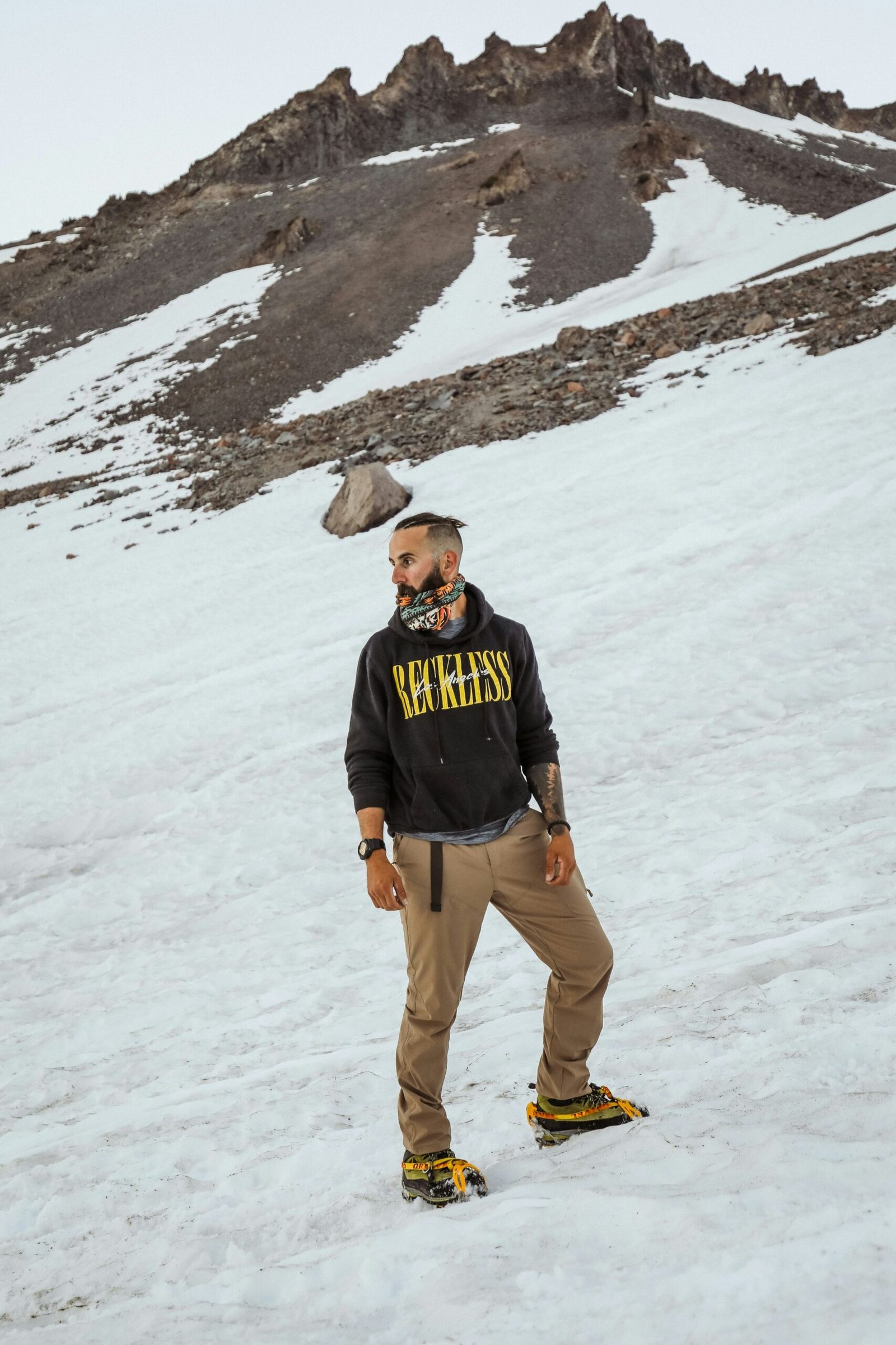
?Have you ever felt an irresistible urge to stand on top of a mountain and confess something mildly shameful to a pine tree?
This image is property of images.unsplash.com.
Mother Earth RocksHere and My Slightly Embarrassing Mount Shasta Pilgrimage
You are about to read something that pretends to be a travelogue but is mostly an exercise in self-awareness, awkwardness, and wonder. The title is clumsy on purpose — it hints at reverence and a little ridiculousness, which is exactly what your Mount Shasta pilgrimage will feel like.
A Question That Becomes a Plan
You will probably begin this trip with a question that sounds noble: “What does it mean to be close to nature?” You will end up answering it with a mixture of muddy boots, forgotten snacks, and a sentimental silence atop a cold rock.
How curiosity gets dressed for the trail
You often imagine curiosity as a polite, buttoned-up thing, but on this trip it shows up in hiking boots, a backpack with questionable contents, and a playlist you pretend you won’t listen to. Your curiosity will make you overpack and underestimate the weather, which is a charming human trait you should embrace.
Quick Facts About Mount Shasta
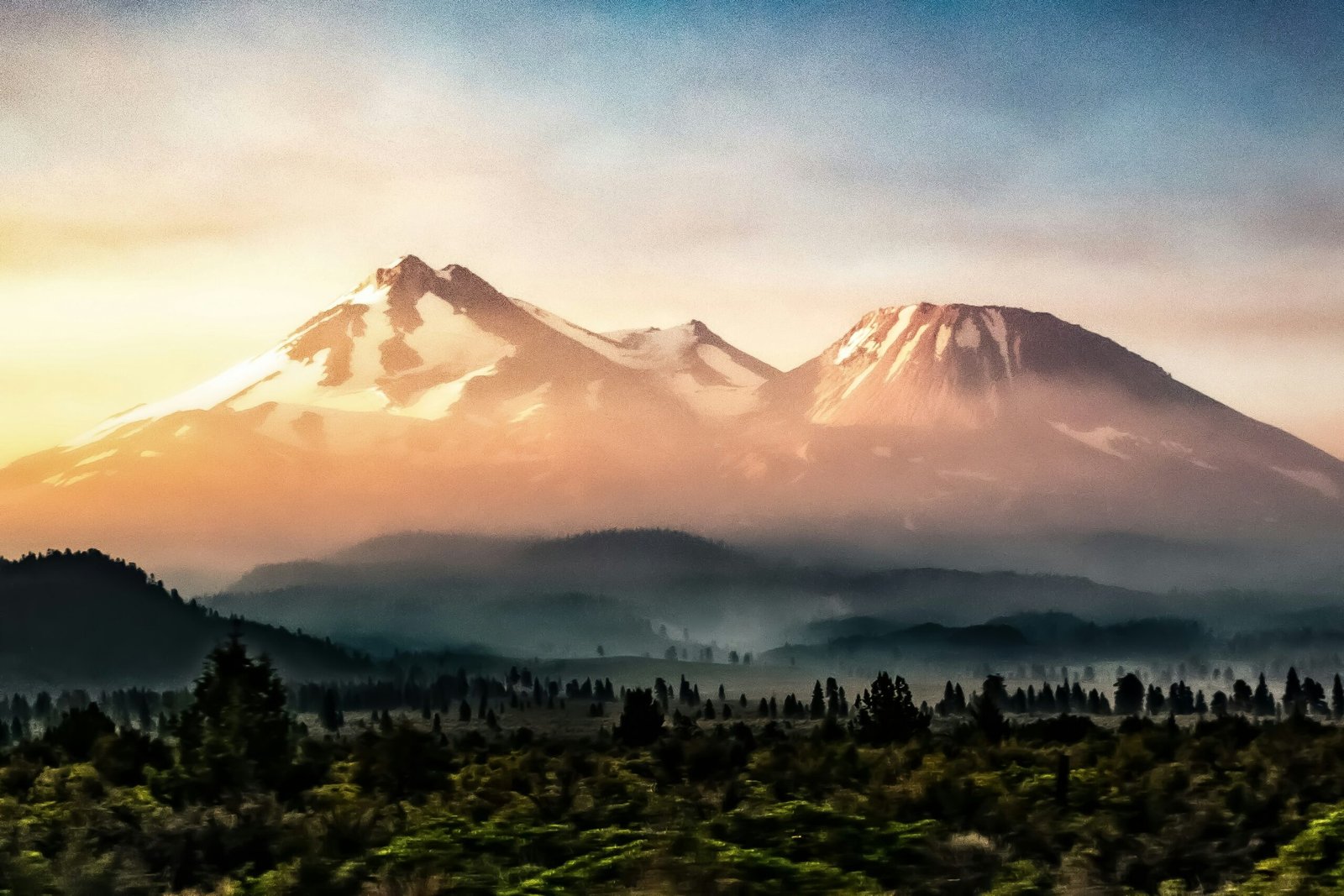
These are the essentials you should know before you impulsively book a trip and tell three coworkers you’re “finding yourself.” Mount Shasta sits in northern California, towers over the surrounding landscape, and has a personality that makes you both feel small and oddly important.
| Fact | Details |
|---|---|
| Elevation | 14,179 feet (4,322 meters) |
| Location | Siskiyou County, Northern California |
| Type | Stratovolcano (potentially active) |
| Cultural significance | Sacred to several Native American tribes and a focal point for spiritual seekers |
| Popular activities | Hiking, mountaineering, spiritual retreats, sightseeing |
Why the facts matter to you
Knowing the numbers makes you feel like an adult for approximately three minutes. After that, you will realize the mountain behaves according to its own rules, not yours, and that’s part of the appeal.
This image is property of images.unsplash.com.
A Little History So You Don’t Sound Ignorant
Mount Shasta has long been important to indigenous tribes such as the Shasta, Modoc, Wintu, and Atsugewi. You will want to acknowledge this out of respect, but you might also feel uncomfortable about doing it correctly, which is normal.
Stories people have told about the mountain
There are legends of subterranean cities, of spiritual energy, and of mysterious lights — stories that your more credulous acquaintances will quote as if they were found in a brochure. You will listen politely and then decide which version of the mountain you prefer: the scientific, the spiritual, or the one that gives you an excuse to buy a smoked-salmon sandwich.
Mother Earth Rocks: The Concept
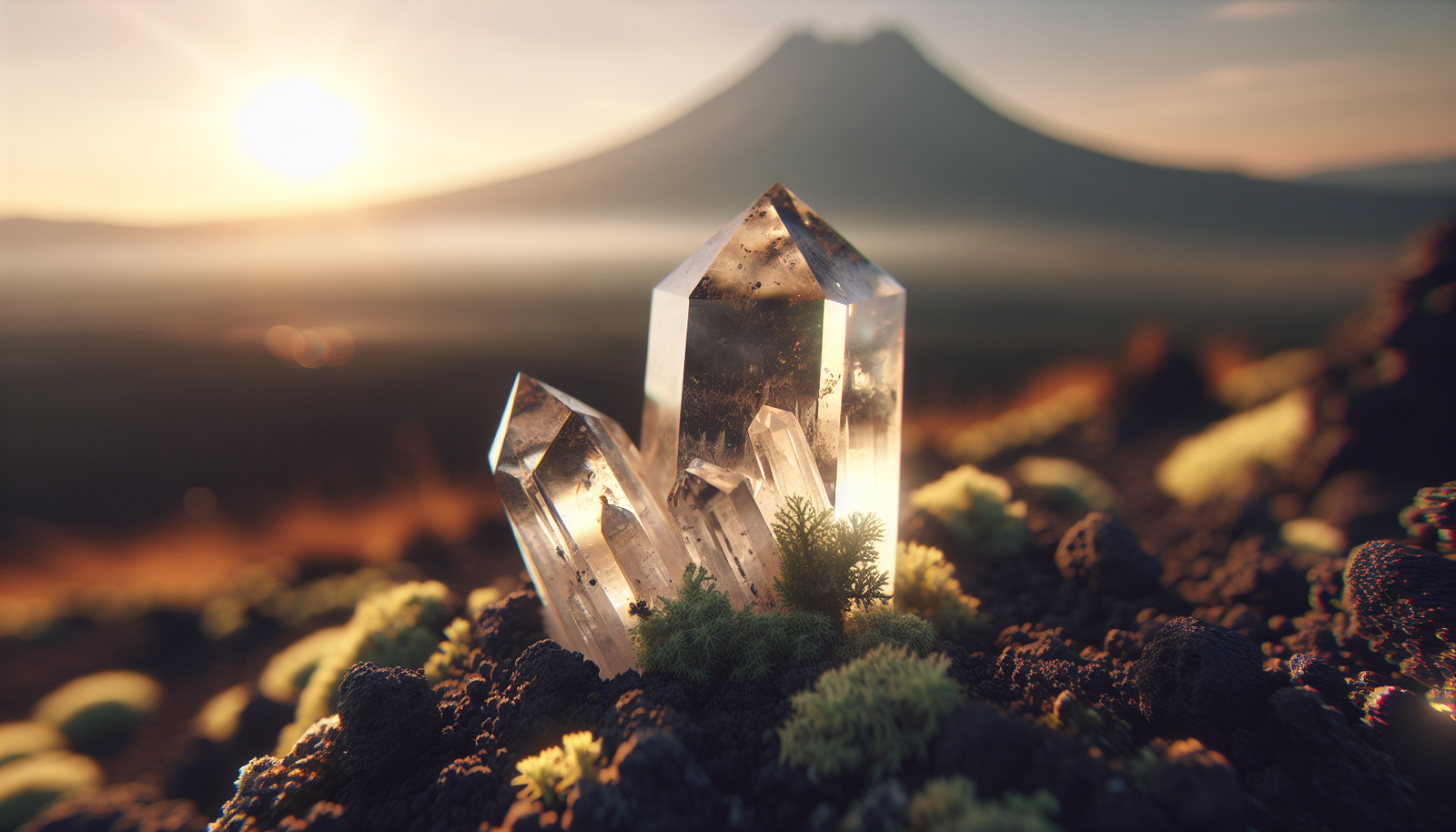
“Mother Earth Rocks” is a phrase that can mean almost anything depending on your mood and your grammar. To you, it might feel like an exclamation of awe, an invitation to a group hug with geology, or an awkward shirt slogan.
What the phrase invites you to do
It invites you to celebrate the planet’s physicality; to touch a boulder and feel slightly ridiculous doing so. It also invites you to consider how small acts — picking up a piece of litter, leaving a trail marker intact — are gestures of devotion you can manage without chanting.
Getting There: Practicalities and Preparation
Your trip will likely begin with a search engine and an overly ambitious packing list. You will consult maps, weather reports, and friends who will tell you stories that range from inspirational to terrifying.
Travel options and considerations
You can fly into Redding or Medford, drive up through winding roads, or take a longer scenic route because the map suggested it. Each option makes you a different kind of traveler: hurried, relaxed, or someone who stops for a roadside pie.
Timing your visit to the mountain
If you go in summer, you will enjoy milder trails but more tourists; if you go in winter, you will see the mountain at its most dramatic and also acquire a sophisticated respect for layers. Plan according to your tolerance for crowds, cold, and the sound of silence.
This image is property of images.unsplash.com.
Your Pilgrimage Narrative: An Honest Map of Embarrassment
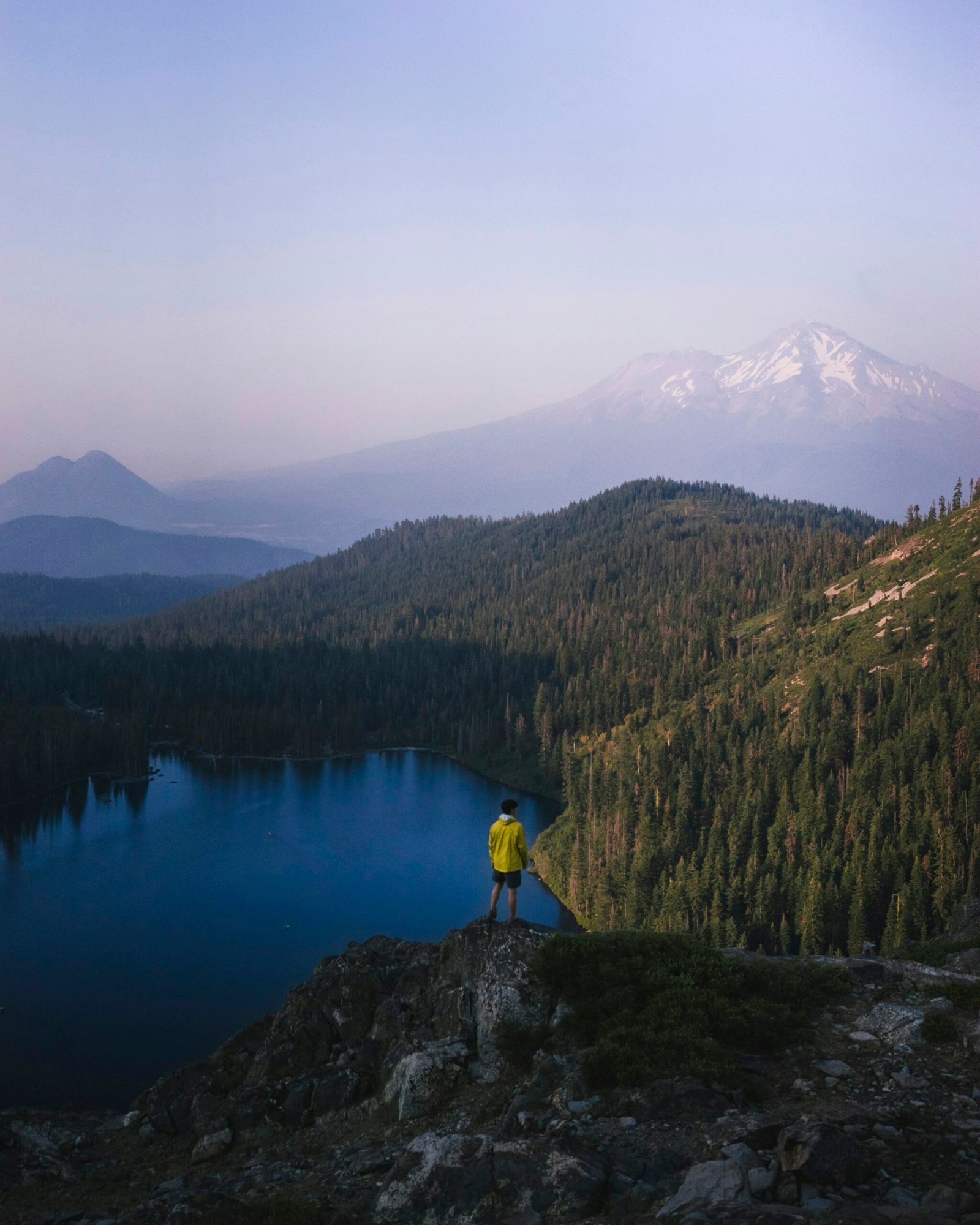
You will want your pilgrimage to be profound and cinematic; what you get will be true and often slightly absurd. Picture yourself trying to achieve spiritual clarity while arguing with a GPS and considering whether the chip you just dropped into the parking lot was ethically recyclable.
The journey to the trailhead
Your first real memory will be the trailhead bathroom, a place where you will feel both very alive and adequately terrified of germs. From there, your steps will be tentative, fueled by granola and the belief that you can set a new personal record for quiet walking.
The actual climb (or gentle amble)
Some sections will make you feel like a competent mountain adult; others will remind you that your ankles are dramatic. You will learn to pace yourself, to admire strangers’ hiking socks, and to unfailingly underestimate how long it takes to take a photograph and immediately delete it.
Sacredness, Hype, and Your Inner Skeptic
Mount Shasta attracts spiritual pilgrims, seekers of healing, yoga-enthusiast road trippers, and people who just like beautiful postcards. You will find yourself oscillating between reverence and suspicion, and both reactions are valid.
How to experience the mountain without feeling foolish
Accept that feeling foolish is part of the landscape. You can light a candle, stand quietly, or hum tunelessly to the trees; whatever you do will matter less than whether you are kinder when you leave.
Respecting spiritual practices and local beliefs
You should show respect for native traditions and for the diverse beliefs you will encounter. That means listening before speaking, leaving ceremonial spaces intact, and trying not to mansplain metaphysics to anyone clearly doing better at it than you are.
Geology and Why the Mountain Looks So Dramatic
Mount Shasta’s profile is the result of millions of years of volcanic activity, layers of lava, and glacial sculpting. You will enjoy this information because it makes you feel like you’re holding a pamphlet at the foot of a deity.
What made it so tall and pointy
Repeated eruptions built layer upon layer and glaciers carved the flanks into dramatic faces. The mountain is still technically active, which will make you thoughtful about life insurance and the persistence of human plans.
Rocks you will want to touch (and maybe shouldn’t)
You will be tempted to pocket a small rock as a souvenir; remember that for most public lands this is discouraged. If you do take something, your guilt will be the souvenir that follows you home until you return it.
Flora, Fauna, and the Smell of the Forest
You will notice the smell long before you see much: a mixture of pine resin, damp soil, and someone’s very earnest sunscreen. Birds, deer, and the occasional marmot will provide small acts of distraction and comic timing.
Plants that will pretend to be decorative but are actually tough
High-altitude manzanita, mountain hemlock, and lupine will show you what survival looks like without whining. You will admire how everything grows with purpose and then trip over a root in a way that undoes the metaphor.
Wildlife etiquette you can manage
Do not feed wildlife; they are not secret collaborators in your self-rediscovery. Keep a respectful distance, store food properly, and tell your friends if you see a bear — both for safety and for the excellent storytelling potential.
Accommodations and Where You Might Sleep
There are options ranging from rustic campsites to cozy inns with oddly earnest breakfast menus. Choose according to your comfort level with mosquitoes, silence, and heated towels.
Camping versus lodges
Camping will make you feel elemental and slightly heroic, while a lodge will remind you that civilization has its comforts for good reasons. If you camp, test your tent at home so you can blame a hypothetical future mishap on manufacturer error rather than incompetence.
Amenities you will not appreciate until you have them
A hot shower and a mug of strong coffee will feel like sacramental gifts at the end of a damp day. You will discover how much small luxuries change your mood, which is useful to remember when you are back to washing dishes and answering emails.
Permits, Fees, and Tiny Legalities
You will be proud of yourself for checking permits and then confused by the variety of passes required for certain trails. Think of permits as a small price for avoiding a very public and embarrassing conversation with rangers.
Where to get permits and what to expect
Many trailheads require parking passes or wilderness permits for overnight stays. Get them ahead of time, or you will be the person frantically refreshing a web form on your phone while sitting in a car that smells faintly of old granola.
Respectful use of public lands
Pack out what you pack in, stay on designated trails, and don’t treat cairns as a modern art project. Your careful behavior both preserves the place and makes you less likely to be remembered as the visitor who left an elaborate signpost of socks.
What to Pack: Practical and Slightly Ridiculous
You will overpack and underpack in equal measure, which is a human pattern as old as travel brochures. Below is a compact checklist that will help you to present as prepared without being the person who brings three wool sweaters to a summer hike.
| Item | Why you need it |
|---|---|
| Layered clothing | Mountain weather changes; layers help you look intentional rather than frostbitten |
| Good hiking shoes | Your ankles will thank you and your photos will improve |
| Water purifier or tablets | Hydration is not glamorous but it is essential |
| Trail snacks | The snack you carry will determine your mood at mile four |
| Basic first-aid kit | Because you will inevitably acquire a small, narratively useful scratch |
| Map and compass | Your phone will die; these are the backup that makes you feel old-fashioned in a stabilizing way |
| Headlamp | Sunset can arrive faster than your optimism expects |
| Trash bags | Leave no trace and avoid feeling like an inconsiderate tourist |
The items you will feel silly about but will use
A bandana, a small mirror, and a tiny notebook will all be used for reasons that surprise you. The notebook will become the repository of half-formed thoughts, sketches of a squirrel, and the best place to record the time you realized you’d been humming a song for 20 minutes.
Etiquette, Rituals, and How Not to Be That Person
You will encounter people doing earnest rituals: drumming circles, yoga at sunrise, silent walks. You can participate if invited, observe quietly, or politely decline — any choice is acceptable as long as it’s done with respect.
Photography manners and personal space
Ask before photographing someone engaged in a private ritual and avoid using drones near groups who are obviously trying to be undisturbed. The mountain is not a backdrop for your most performative self unless everyone else is consenting.
Leave no trace, and leave a nicer you
You will find happiness in small responsible acts: picking up a stray water bottle or offering a bandage to a stranger. These things will make your pilgrimage feel meaningful without requiring mystical intervention.
Safety Tips You Will Pretend You Already Knew
You will nod earnestly at advice about altitude sickness and weather, and then you will test the limits of that advice in your own particular way. Remember that being cautious is the most practical form of respect for the mountain.
Altitude, weather, and physical limits
Give yourself time to acclimatize, stay hydrated, and descend if your body complains louder than your ego. The mountain is not impressed by stubbornness; it responds to good judgment.
Emergencies and who to call
Cell service is unreliable; know the locations of ranger stations and tell someone your plan. Pack a whistle you can use when you need attention, and keep emergency numbers written on a piece of paper so your phone’s battery life does not become a plot twist.
Local Communities and Small Businesses You Should Support
You will find charming cafes, bookstores stacked with both Himalayan spirituality and local histories, and people who will ask how you liked the mountain as if they care and also as if your answer will make their day. Spend a little money where you can; it helps the community and gives you a good story about the best bacon biscuit you ate.
Shops and guides worth your time
Local outfitters will lend you gear, offer advice that will save your legs, and sell maps that will make you feel responsibly prepared. Hiring a local guide is both a practical investment and a way to support people whose lives are intertwined with the mountain.
The Return and the Slightly Changed You
When you come back, something will have shifted: you’ll have more photos, a smudge of pine sap in an unexpected place, and an inexplicable urge to read something about geology. The pilgrimage will have given you a different relationship with silence, with patience, and with small moments.
How the mountain’s silence sticks to you
You will notice how your tolerance for trivial complaints decreases, how your appreciation for simple pleasures increases, and how you will use the memory of stillness to anchor yourself in future chaos. The silence becomes a tool you inadvertently wield in meetings and family dinners.
Keeping the lessons without becoming a cliche
You don’t have to return as a fanatic who uses phrases like “energy vortex” at parties. Apply the practical parts: slower speech, clearer breathing, and the occasional, well-timed pause that suggests depth.
FAQs You Didn’t Know You Needed
You will ask yourself a few practical and un-practical questions before, during, and after your pilgrimage. Below are answers you will enjoy because they are precise and because they make you feel like an adult.
Can I bring my dog?
Dogs are allowed in many areas but some trails and wilderness zones restrict them. Check regulations and be prepared to carry water and pick up after your companion.
Is it safe for solo travelers?
Mount Shasta can be safe for solo travelers if you prepare carefully, tell someone your itinerary, and avoid risky routes alone. Your judgment and preparation will keep you safer than bravado.
What season is best for pictures?
Late spring through early fall yields the best photo weather, with wildflowers and more predictable trails. Winter offers dramatic snow scenes if you have winter experience and proper equipment.
An Invitation You Can Ignore
You might feel an inner tug to “do something meaningful” with your trip: meditate at sunrise, write a poem, or perform a minor ritual. You can do those things or you can sit quietly and eat an apple; the mountain does not judge your method.
Making meaning without performance
Meaning comes from honest attention, not from performative declarations or hashtags. If you spend an hour listening to wind in an aspen and feel your shoulders drop, you have done it correctly.
Final Thoughts: You Will Laugh at Yourself and Then Forget the Joke
The pilgrimage will give you stories that are both mortifying and profound. You will laugh at your own seriousness and your own attempts at grandeur, and that laughter will be a better souvenir than any t-shirt.
Returning home, you will have a compact transformation
You will arrive back with a new anecdote to tell, a slightly improved outlook on weather, and perhaps a pebble hidden in a drawer. The mountain’s effect is subtle: it rearranges priorities in ways that make everyday life feel more tolerable and oddly richer.
Useful Contacts and Resources
Keep a few reliable resources on hand so you don’t panic when the trail is less picturesque than the brochure indicated. Having emergency numbers, ranger contacts, and a map app you trust will make you feel like the well-prepared protagonist you hoped to be.
Who to call and what to read
Contact local ranger stations for trail conditions and safety updates, and read regional guides for practical tips. You will sleep better knowing you are not the person trying to invent navigation in a sudden fog.
Closing, But Not an Ending
You will tell this story, in fragments and in full, to people who will nod wisely and to people who will ask practical questions about your socks. Each retelling will reveal something new, and you will understand that the pilgrimage continues in small daily acts.
A durable souvenir you can actually live with
Bring back the quiet, the humility, and the habit of noticing small beautiful things. If you can keep those, you will have returned richer, not in possessions, but in ways that are quietly useful.