
? Have you ever found yourself on a mountainside, thinking you were prepared for anything, only to realize that your socks have staged a small, undignified rebellion?
Spring Hill Trail and the Unwelcome Honesty of Trekking in Socks
You’ll find that Spring Hill Trail on Mount Shasta has a way of making you honest — not in the moral sense, but in the inconveniently literal one. You’ll learn quickly that the mountain does not care for your expectations, your plans, or the fragile ambitions you harbor about being a rugged outdoorsperson. It simply demands feet, patience, and, yes, proper footwear.
Why Mount Shasta?
Mount Shasta is a place that insists on being noticed. You’ll see it from a hundred miles away on clear days: a stratovolcano rising out of the Siskiyou Mountains, capped with persistent snow that reads like a stubborn header on a stubborn essay. When you’re there, it feels ancient and opinionated. The mountain’s presence colors everything — the light, the wind, the way your socks feel after a couple of hours on the trail.
Where is Spring Hill Trail?
You’ll find Spring Hill Trail on the southern slope of Mount Shasta, in northern California. The trail branches off from Forest Lake/Deadfall Lakes approaches and is part of a network of routes that hikers use to skirt the mountain’s lower alpine zones. It’s accessible from the small towns that orbit the mountain like a nervous belt — places where gasoline stations double as general stores and the locals know more about the weather than any app.
Trail Overview
You’ll want hard facts before you lace up. Spring Hill Trail is not a passive stroll; it asks for focus, a modest amount of endurance, and the humility to accept that nature does not respect your timetable.
| Feature | Detail |
|---|---|
| Location | Southern flank of Mount Shasta, Shasta-Trinity National Forest, CA |
| Trail Type | Out-and-back with options to connect to other routes |
| Distance | Varies by entry point; commonly 4–10 miles round trip depending on route |
| Elevation Gain | Moderate; typically between 800–1,800 ft depending on start |
| Difficulty | Moderate to strenuous (depending on conditions and distance) |
| Trail Surface | Rocky, dirt, occasional talus and meadow sections |
| Time to Hike | 2–6 hours depending on pace and route chosen |
| Permits | Usually none for day hikes; verify for overnight/backcountry trips |
You’ll want to plan based on the version of the trail you intend to follow. If you approach from the parking lot near a lower trailhead, expect more distance and steady elevation. If you pick a closer spur, you’ll trade mileage for steeper gradients.
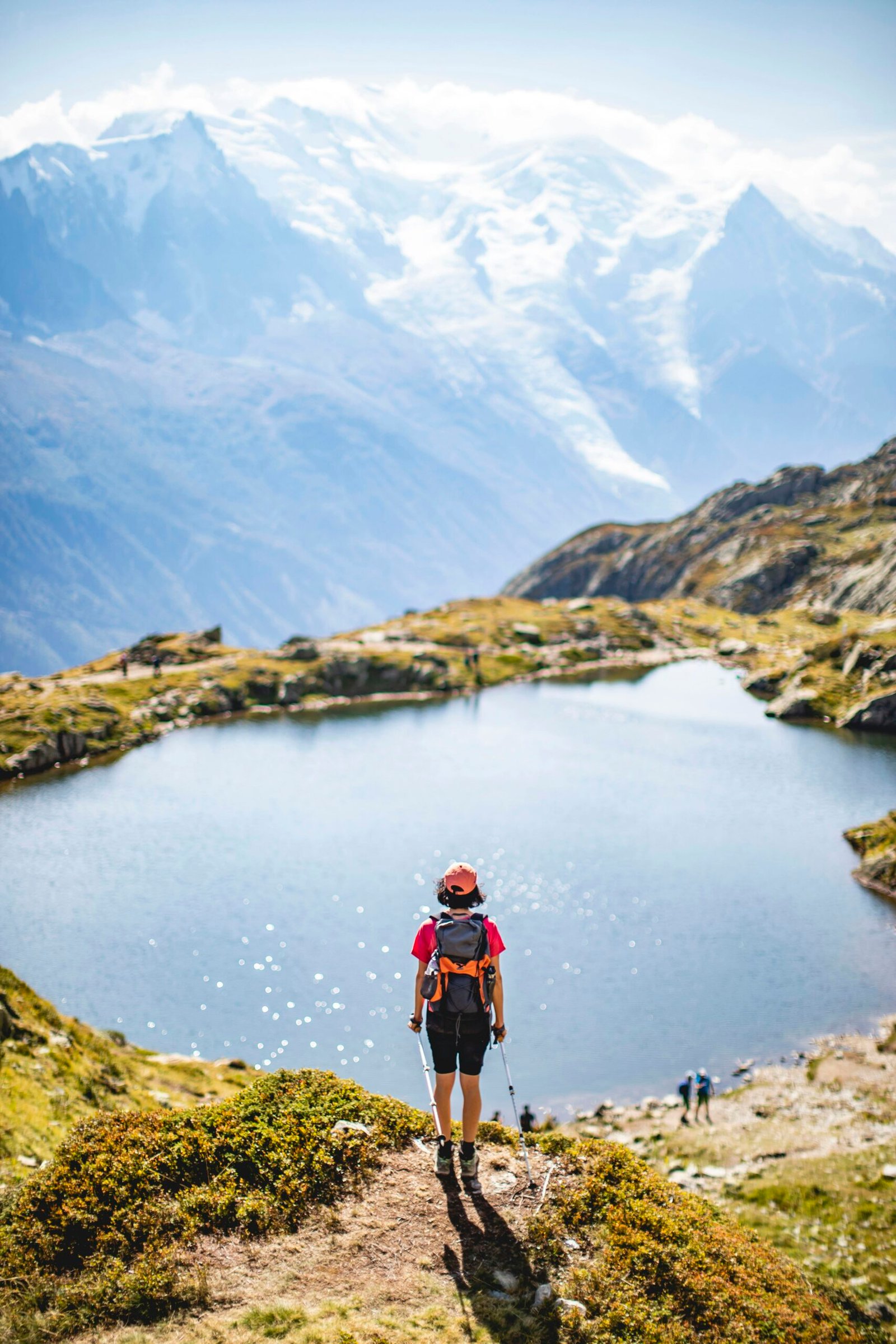
This image is property of images.unsplash.com.
The Season and Weather
You’ll learn that Mount Shasta’s mood swings are seasonal but not always predictable. Spring and early summer bring flowing creeks and wildflowers that make you think you are both a poet and an idiot for underestimating how beautiful a handful of purple lupine can be. Snow can linger late into the season; sometimes that snow is decorative, sometimes it becomes an argument over route-finding.
In summer, the days are long and warm, but nights can drop dramatically. Autumn colors arrive late and fast, and by winter the trail is often a matter for skis, snowshoes, or a sense of fatalism. You’ll always check the forecast, but you’ll also accept that the mountain has its own schedule.
Flora and Fauna You Might Meet
You’ll notice that the plant life changes quickly as you gain elevation. Lower sections of the trail hold scrub oak and manzanita; higher up you’ll pass stands of western white pine, mountain hemlock, and crimson paintbrush among the meadows. The scenery can be secretive in the best way: sometimes you’ll think the world is politely staged just for you.
Animals are less theatrical. You’ll likely see marmots lounging like pensioners on rocks, chipmunks with urgent mannerisms, and the occasional deer that looks like it would rather not be recognized. Birds of prey circle overhead; songbirds disappear into branches like small, mobile confessions. If you’re lucky, you might spot a black bear at a safe distance, which will make you suddenly and wholeheartedly interested in your food storage technique.
The Unwelcome Honesty of Trekking in Socks
You’ll have to accept a basic truth: socks do not lie. They reveal failures in planning, the amateurish decisions you made in front of the mirror, and the sheer audacity of believing cotton would be sufficient for a mountain trail. There is something very intimate about socks. They are where your plans meet reality.
Imagine you set out confident, perhaps a little smug, thinking that your sneakers and a pair of cotton socks will suffice for a short jaunt. After the third river crossing, your socks decide they prefer to function as blisters’ preferred nursery. At mile two, you realize that your feet, which once were allies, are now quietly conspiring against you. There’s no pretense; wet socks become an honest commentary on your preparedness. You’ll feel humiliation and enlightenment in equal measure.
You’ll also find that socks mediate your experience of the environment. Thin, inadequate socks let you feel every pebble and twig, which is great if you are nostalgic for childhood summers or trying to understand pain. Thick wool socks cushion, warm, and in some clandestine way, hold your dignity together. On Spring Hill Trail, the mountain has no interest in your dignity, but the right socks will at least slow its erosion.
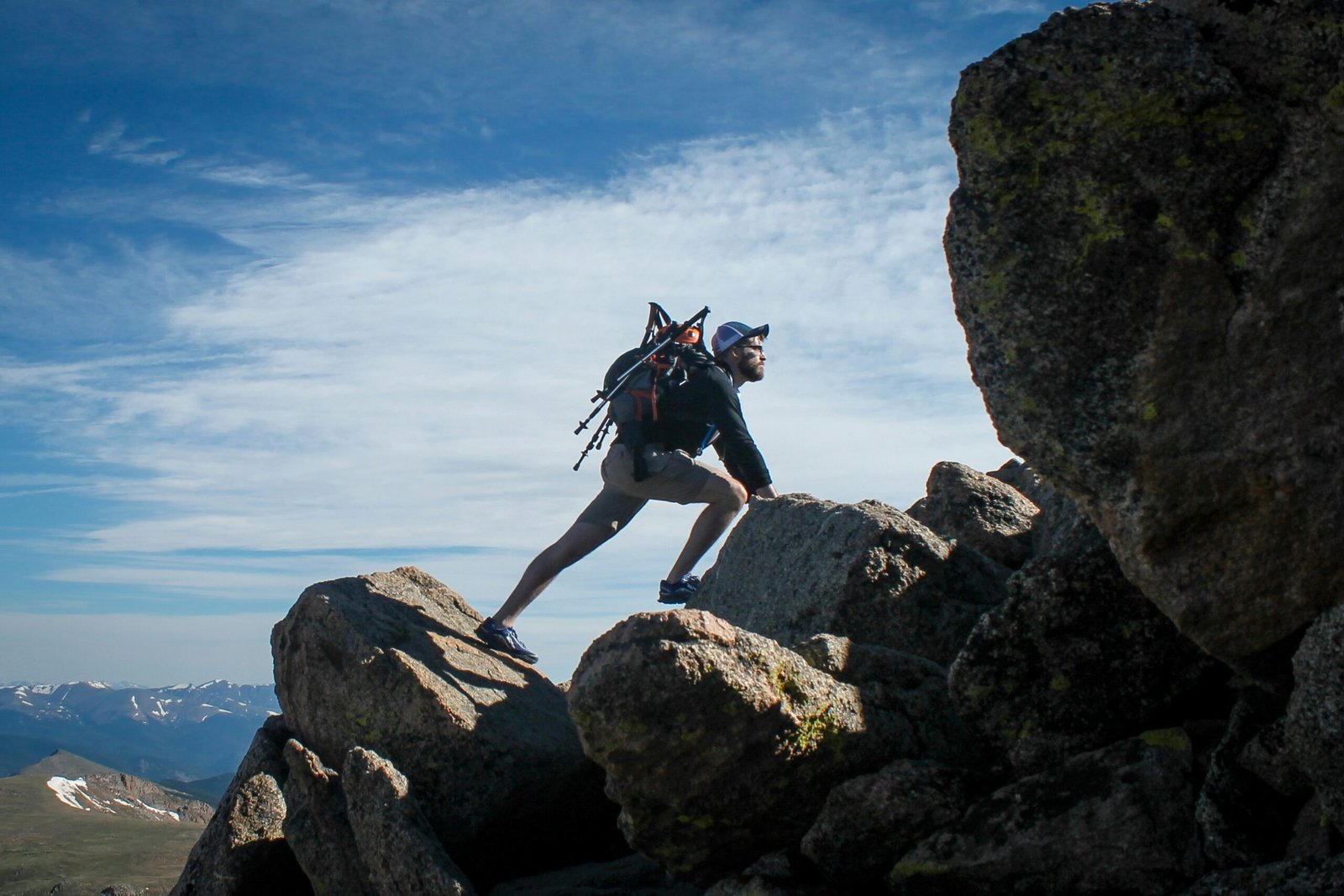
This image is property of images.unsplash.com.
What Socks Say About You
You’ll begin to believe that your socks are an extension of your personality, and in some cases, that will be true.
- Cotton socks: You’re optimistic about the weather and likely to be corrected by reality. You assume comfort is universal and will be surprised.
- Thin synthetic socks: You are pragmatic but possibly underprepared for wet conditions. You like efficiency and might apologize for being pedestrian.
- Wool or merino socks: You are cautious, possibly a marginal step away from being a professional. You care what happens to your toes.
- Two pairs, one set in a bag: You are the kind of person who brings spare socks and also hopes to be admired quietly by strangers on the trail.
You’ll learn how to read other people by their socks. Hikers who take their socks off at lunch and dry them in the sun are also the kind who will offer you trail mix if you look particularly defeated.
Footwear and Gear Recommendations
You’ll want practical guidance, because the mountain will not provide it. Footwear is the single most consequential item you’ll own on this trip. If your feet are happy, you can survive many inconveniences. If your feet rebel, every view comes with a footnote about regret.
- Boots vs. trail runners: If you value ankle support and are carrying a heavier pack, go with boots. If you prefer speed and have a lighter load, trail runners are fine — provided they have good grip.
- Socks: Choose merino wool or high-quality synthetic blends. They wick moisture, manage odor, and cushion friction. Bring a spare pair in a sealed plastic bag in case of unexpected water crossings.
- Insoles and blister care: Invest in a good insole and some blister prevention — moleskin, liquid bandage, or pre-taped blister patches. Your feet are a negotiation; don't go in without a translator.
Table: Recommended Gear for Spring Hill Trail
| Category | Recommended Items | Notes |
|---|---|---|
| Footwear | Waterproof hiking boots or aggressive trail runners | Boots for heavy packs; runners for speed and lightness |
| Socks | Merino wool or synthetic hiking socks + spare pair | Change socks at midday if wet |
| Clothing | Breathable layers, windproof jacket, hat | Temperatures vary quickly |
| Navigation | Map, compass, GPS device or phone with offline map | Don’t rely solely on cell service |
| Water | 2–3 liters per person for half-day hike; filter if refilling | Hydration needs change with exertion |
| Food | High-calorie snacks, sandwich or energy bars | Bring more than you think you need |
| Safety | First aid kit, multi-tool, whistle | Include blister-specific supplies |
| Extras | Trekking poles, sunglasses, sunscreen | Poles help on steep or loose terrain |
You’ll also think about traction. If you're hiking in late spring when snow patches linger, microspikes are a small but soul-soothing addition. If you use poles, you’ll feel as though you’re bribing your balance, and that’s not such a bad thing.
Navigation and Safety
You’ll be grateful for simple navigational tools when the trail becomes less obvious. Spring Hill Trail is generally marked, but once you stray into talus fields or thin forest, the lines get fuzzier. You’ll wish you had practiced map reading in less dramatic conditions, but there’s no time like a rocky descent to learn.
- Trail markers: Expect painted blazes, cairns, or occasional signposts. Don’t expect immaculate signage.
- Cell service: Patches of signal will come and go; don’t count on reliable coverage.
- Emergency response: Search and rescue teams exist and are dedicated, but they’re not a subscription service. You’ll want to prevent emergencies, not rely on their resolution.
Safety also means humility. If the weather changes, if you’re tired, if you feel a blister becoming a crisis, you’ll make the kind of small, sensible decision that preserves future hikes. The mountain will not summon storms out of spite, but it will happily provide them.

This image is property of images.unsplash.com.
Water, Food, and Nutrition
You’ll plan for water like it’s a currency you don’t want to run out of. On a typical half-day hike, bring at least 2 liters; for a full day or if temperatures are high, bring more. If you intend to refill from creeks, bring a filtration system. Springs and snowmelt look idyllic, but they are also the population centers of microbes who are indifferent to your digestive plans.
Food is both fuel and morale. You’ll want snacks that are dense, portable, and minimally fussy. Trail mix, nut butter packets, and energy bars are classics because they work. You’ll also appreciate a small, real meal at the top: something you can eat without sacrificing dignity or making too much mess. Remember to store food properly, especially if camping — Mount Shasta-area fauna is curious and occasionally persistent.
Leave No Trace and Ethics
You’ll find that good hiking manners are mostly common sense with a hint of stubbornness. Pack out what you pack in. If you’re human, you’ll still be tempted to leave a paper towel behind, but you’ll also recognize the difference between being careless and being part of the problem.
- Pack out all trash, including organic items if bears are common.
- Stay on trail to protect fragile alpine flora.
- If you encounter wildlife, observe from a distance. Don’t feed animals under any circumstances.
- Human waste: If there are no facilities, follow protocols — dig catholes 6–8 inches deep and at least 200 feet from water sources.
You’ll notice that other trail users respond well to quiet courtesy. A small thing like stepping aside and speaking a brief greeting can make the experience communal instead of competitive.
Photography and Views
You’ll be tempted to take pictures at every vista, and you should — but you’ll also remember that cameras flatten experiences in a way memory does not. That said, Spring Hill Trail awards several photography-friendly moments: wildflower meadows with Mount Shasta rising beyond, ridgeline panoramas, and scattered boulders perfect for contemplating life choices.
Timing is key. Early morning and late afternoon provide softer light and fewer crowds. If you’re trying to capture the mountain’s personality, consider a wide-angle lens or a phone panorama. You’ll discover that some views demand that you sit quietly and stop taking pictures; there is a peculiar value in silence.
Trail Etiquette
You’ll quickly learn the minor moral code that governs the trail, which is mostly about making room for others and acting like you understand what “yielding” means.
- Uphill hikers generally have right of way; step aside, breathe, and let them pass if you’re descending.
- Mountain bikers yield to hikers and often announce themselves courteously.
- Dog owners should maintain control and clean up after their pets.
- If you’re resting, move off the main path to let others pass without awkward politeness.
Knowing the etiquette reduces friction and increases the simple pleasure of being part of a shared space.
Nearby Attractions and Side Trips
You’ll be tempted to combine Spring Hill Trail with other regional highlights. Mount Shasta itself offers a constellation of routes, each with its own personality. Forest Lake and Deadfall Lakes are nearby and provide serene alternatives for lower-impact visits. If you want to convert your day hike into a longer trip, you can connect to other trails and approach higher elevations, but you’ll need more planning and a respect for alpine conditions.
Nearby small towns offer the pragmatic charms of post-hike civilization: coffee, sandwiches, and sometimes the sort of bakery that will change how you think about carbohydrates. If you’re sociable, you’ll find that locals have useful recommendations — and anecdotes that begin with the phrase “One time on Mount Shasta…”
Getting There and Parking
You’ll likely drive to the trailheads, and you’ll want to know where you can park without inviting a citation or a disapproving look from a ranger. Parking areas near Spring Hill Trail vary; some are formal lots, others are cleared shoulders maintained by volunteers and forest service staff. Arrive early in summer months to avoid full lots.
Check access roads for conditions: forest service roads can be rough, especially after winter. If you have a low-clearance vehicle, you’ll want to avoid certain spurs. Always lock your car and keep valuables out of sight — this is practical, not paranoid.
Permits and Regulations
You’ll usually not need a day-use permit for Spring Hill Trail, but this can change based on season or management policies. If you’re backpacking or camping in designated backcountry areas, you may need permits. Check with the Shasta-Trinity National Forest office before your trip for the latest rules, fire restrictions, and campsite regulations. Being informed prevents fines and awkward conversations with rangers who have excellent handwriting.
If You're Not a Hiker
You’ll still find ways to enjoy Mount Shasta without committing to a four-hour slog. Scenic drives, picnic areas, and lower-elevation walks provide access for those who prefer to admire from a civilized distance. Boat or kayak on nearby lakes, or find a viewpoint with a bench and a small chain of squirrels for company. The mountain offers consolation prizes to all types of visitors.
Practical Tips for Foot Care
You’ll now accept that foot care is a practical art form and a slow rebellion against Murphy’s Law. Here are actionable steps you can take.
- Break in footwear before a long hike. Don’t give your shoes their first adventure on a mountainside.
- Change socks at the first sign of dampness. Wet feet breed friction, and friction breeds blister drama.
- Use talc or anti-chafing balm in hot spots preemptively.
- Tape vulnerable areas with friction tape before you start if you know your feet are particularly sensitive.
- After the hike, air your feet and treat any hot spots immediately. Early attention prevents serious problems.
You’ll discover that small rituals — airing your socks, giving your feet a five-minute massage — become sacred in the way rituals do when they work.
Stories You Might Tell Later
You’ll come down from the trail with stories: the small kindness of a stranger who offered duct tape for a torn pack, the marmot who stared as if judging, and the moment your socks betrayed you in a way that became comedic in hindsight. These narratives are how you domesticate the mountain’s indifference. They’re what you’ll tell at dinner to people who ask you how it was, and who will then ask if your feet are okay.
You’ll find that stories about hiking are not only about the scenery but about the small humiliations and triumphs. The unremarkable details — a sock drying on a rock like a little flag of surrender — become the moments you return to because they are painfully, wonderfully real.
Environmental Considerations and Climate Change
You’ll notice subtle changes over time: snowpacks that are thinner some years, shifts in flowering times, and the occasional invasive species that arrives unannounced. Mount Shasta’s ecology is resilient, but it’s not immune. Being conscientious on the trail includes thinking about your carbon footprint, supporting local conservation efforts, and being mindful of how human traffic affects fragile habitats.
If you can, participate in trail cleanups or donate to organizations that maintain the area. The mountain doesn’t send thank-you notes, but preservation is the only way to ensure future hikers will be able to have the same small, humbling experiences you now possess.
Planning a Multi-Day Trip
You’ll probably at some point consider staying overnight. Spring Hill Trail connects to networks that allow for longer routes, but overnight trips introduce a new layer of logistics: bear canisters, sleeping systems, food planning, and more rigorous navigation.
- Campsite selection: Choose durable surfaces and established sites if possible.
- Water planning: Know your refill points and filtration methods.
- Weather planning: Prepare for cold nights even in summer.
You’ll find that multi-day trips are less about conquest and more about rhythm — a slower movement through the landscape that allows you to notice things you missed on a day hike.
Common Mistakes and How to Avoid Them
You’ll make a few mistakes; everyone does. The point is to make fewer of the same ones.
- Underpacking socks: Bring spares.
- Ignoring trail reports: Check conditions before you go.
- Assuming cell service: Carry offline navigation tools.
- Wearing brand-new boots: Break them in first.
These are small failures that teach big lessons. You’ll appreciate the asymmetry: a small preparation prevents a large problem.
Final Reflections on Socks and Solitude
You’ll stand on a ridge with Mount Shasta behind you and a thin wind playing at your ears, and you’ll feel honest in a way that’s not entirely comfortable. The mountain’s silence is a pressure that elicits small confessions about your life, your comfort level with inconvenience, and whether you really needed to answer those emails before you left. Socks will have played a role in your journey — either as allies or as witnesses to your mistakes.
There’s a certain kindness to the realization that your socks betrayed you, because betrayal is at least a form of communication. If you return, you’ll come better prepared. If you don’t, you’ll still have learned a compact theology: the outdoors rewards humility and good choices. You’ll have photographic proof, and possibly a bandaged toe. You’ll also have a story, and if you’re like most hikers, you’ll tell it with a laugh and a small, rueful pride.
A Practical Checklist Before You Go
You’ll appreciate a simple checklist before you leave the house. It prevents a cascade of regrets that begin with wet socks.
- Check weather and trail reports.
- Pack appropriate footwear and spare socks (merino/wool or synthetic).
- Bring at least 2 liters of water and filtration if you’ll refill.
- Load maps and/or GPS with the area offline.
- Pack snacks and a small meal.
- Include first aid and blister care supplies.
- Bring a windproof layer, hat, and sun protection.
- Tell someone where you’re going and when you expect to return.
You’ll find that a short list like this reduces anxiety and increases the odds that your trip will be remembered for vistas rather than missteps.
Closing Thoughts
You’ll leave the trail with a sharper appreciation for small things: a dry pair of socks, a quiet meadow, the magnificent indifference of Mount Shasta. The mountain doesn’t care if you called it majestic while you were still a mile away; it will remain majestic and impartial. What changes is you. You’ll be a little wiser about how to clothe your feet and a little more willing to accept that the world will reveal you exactly as you are — preferably with good socks.