
Have you ever felt the urgent need to disappear into warm, mineral-scented water and pretend that all of your commitments are only suggestions?
Hot Springs And Relaxation At Stewart Mineral Springs
You arrive at Stewart Mineral Springs hoping the signposts lead somewhere that cares less about Wi-Fi and more about warmth. This place tends to make your phone battery feel ashamed for being drained by apps and social obligations. The springs are the kind of refuge that makes you understand why humans invented leisure in the first place.
What Stewart Mineral Springs Feels Like
When you step into the parking area and breathe in the air, you’ll notice a particular quiet—one that feels like a polite hush rather than a void. The steam hangs low some mornings, and the sound of water moving over rock is the kind of soundtrack that accidentally unravels your list of errands. The place is both understated and insistently elemental: just you, hot water, and the occasional chipmunk acting as an overenthusiastic usher.
A Brief History You’ll Appreciate (Because Stories Make Water Taste Better)
The story of Stewart Mineral Springs is part local lore, part geology, and part human stubbornness. People have used hot springs as rest stops for centuries, and Stewart’s history follows that tradition in a modest, unflashy way. You can imagine early visitors arriving on horseback or by carriage, soaked in both water and social niceties, trading gossip and remedies while their joints softened.
Indigenous and Early Use
Indigenous peoples in the region likely used these springs long before anyone thought to name a resort after them. If you pay attention to the landscape, you’ll see signs of long familiarity: worn paths, ritual-minded respect, and a cultural memory that says water can heal in ways that words cannot. When you visit, try to honor that continuity by keeping noise low and curiosity high.
Development and Modern Era
In more modern times, entrepreneurs put seat cushions on the same rocks and sometime-installed modest facilities. Stewart Mineral Springs gradually became a place where people came for health, rest, and social connection. The present-day facilities balance rustic charm with practical needs: changing rooms, a small reception area, and maintained pools that let you luxuriate without reliving the industrial revolution.
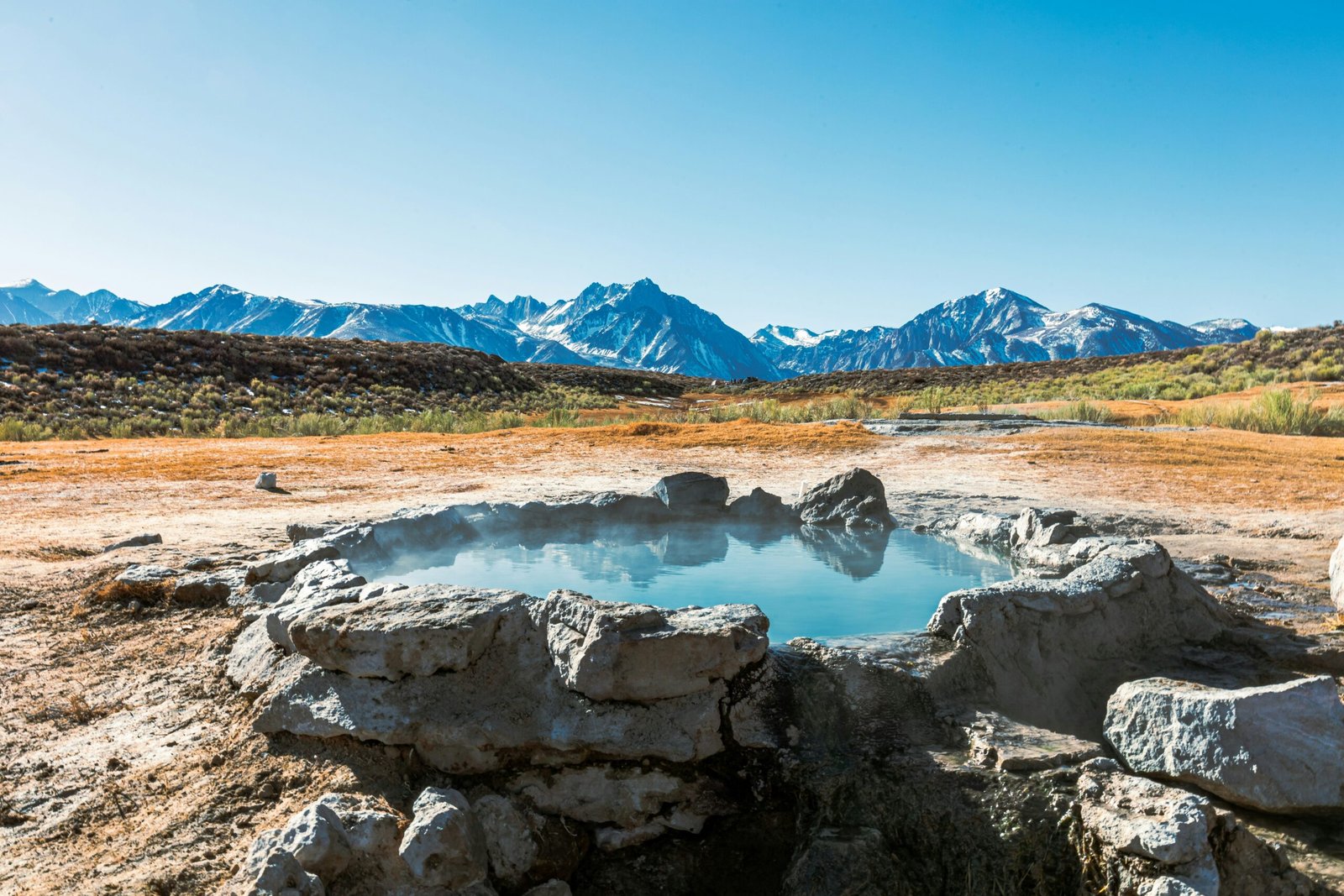
This image is property of images.unsplash.com.
Geology and Mineral Composition — Why the Water Feels Like a Promise
You should know that the hot, soothing properties of the springs are a product of heat and minerals meeting underground. Groundwater sinks, is heated by the Earth, picks up minerals from rock, and returns to the surface. Stewart’s water carries its own signature: a mix of silica, calcium, magnesium, and sometimes trace elements like lithium or iron, depending on the local geology.
What Those Minerals Actually Do
The claims about minerals can sound like wellness marketing, but some effects are believable. Silica may smooth your skin briefly; magnesium is often associated with muscle relaxation; calcium plays nicely with bones. None of this is magic—think of it more as gentle facilitation. You will not gain the ability to levitate, but you will probably notice your shoulders let go of a policy or two.
Temperature and pH
The springs typically register pleasantly hot—between comfortably warm and commandingly hot. Pools are managed to keep temperatures safe for soaking, often varying from around 98°F (37°C) in the milder pools to 104°F (40°C) for those who like things with a little more resolve. pH levels are usually near neutral, but you may notice a slightly sulfurous scent in certain pools that is more nostalgic than alarming.
Pools, Facilities, and What Each Experience Is Like
Stewart Mineral Springs tends to offer a handful of soaking options—separate pools, sometimes varying in temperature and setting. Each pool’s character affects your mood in ways you won’t expect until you’re knee-deep.
Pool Types and Atmosphere
- Communal Pool: This is the social room of hot springs. Expect older couples, solitary readers, and people who treat small talk like public radio—pleasant, noninvasive. You’ll overhear stories you’ll later use as conversational props.
- Private Soak/Booking Rooms: If you prefer solitude or want to have an earnest conversation with your own reflection, book a private pool. These are more intimate and let you talk to your companion without an audience.
- Plunge or Cold Pool: For the brave and the gluttons for contrast therapy, a cold plunge resets your system—shock followed by delight. You will gasp, which is physiologically useful and entertaining.
Use the table below to get a quick sense of what each pool offers.
| Pool Type | Typical Temp Range | Atmosphere | Best For |
|---|---|---|---|
| Communal Pool | 100–102°F (38–39°C) | Social and relaxed | Casual soaking, people-watching |
| Private Soak | 98–104°F (37–40°C) | Quiet and intimate | Couples, solitude, private talking |
| Cold Plunge | 45–60°F (7–16°C) | Bracing and brief | Contrast therapy, quick refresh |
| Thermal Foot Bath | Warm | Low-commitment | Quick dip, arrival ritual |
Onsite Amenities
You’ll find basic changing rooms, lockers for valuables, and often a small reception area where you check in. The staff are used to the quiet confidence of people who’ve traveled to be still; they tend to be efficient and unfazed. Bring cash and a towel if you want to be old-fashioned, but many places will rent towels and offer sundries.

This image is property of images.unsplash.com.
Health Benefits and the Science of Feeling Better
You will read lots of glowing claims at hot springs: that the minerals mend bones, cure insomnia, and inspire soulfulness. Some statements are poetic and some are backed by modest scientific evidence. Here’s how to sort what’s plausible from what’s performative.
Potential Physiological Effects
Warm water increases blood circulation, which helps muscle relaxation and may ease joint stiffness. The buoyancy reduces weight on injured limbs, giving your body an opportunity to move with less pain. Improving sleep after a soak is a common and reproducible benefit—your body’s core temperature drops after you leave the water, signaling it to sleep more deeply.
What the Science Reasonably Supports
Clinical studies show that balneotherapy (therapeutic bathing) can improve symptoms for some chronic conditions like osteoarthritis and certain skin disorders. It’s not a cure, but it’s often a useful adjunct to medical care. If you’re on medication or have serious cardiovascular issues, consult a healthcare provider before spending an hour submerged at 104°F.
How to Soak — Etiquette, Timing, and Rituals You’ll Adopt
There is a soft code of conduct at hot springs that makes the experience communal rather than chaotic. You’ll quickly learn the rituals that make every session more enjoyable, and you’ll be glad you did.
Before You Enter
Shower first. You don’t have to perform a theatrical washing ceremony, but rinsing off visibly protects the water quality everyone uses. It’s surprising how many people underestimate the calming power of a considerate pre-soak.
Daytime Soaking Etiquette
Keep your voice at a conversational volume, respect private pools if they’re reserved, and avoid bringing glass or your eight-course picnic into common pools. If you’re taking photos, be mindful of others—no one wants their post-soak vulnerability made into social media content without consent.
Duration and Hydration
Soak in intervals—20–30 minutes is a typical chunk. You may sit for longer, but you’ll do better by leaving periodically to cool down and drink water. The most ironic tragedy at a hot spring is watching someone faint because they mistook themselves for a rubber duck. Rehydrate and pace yourself.
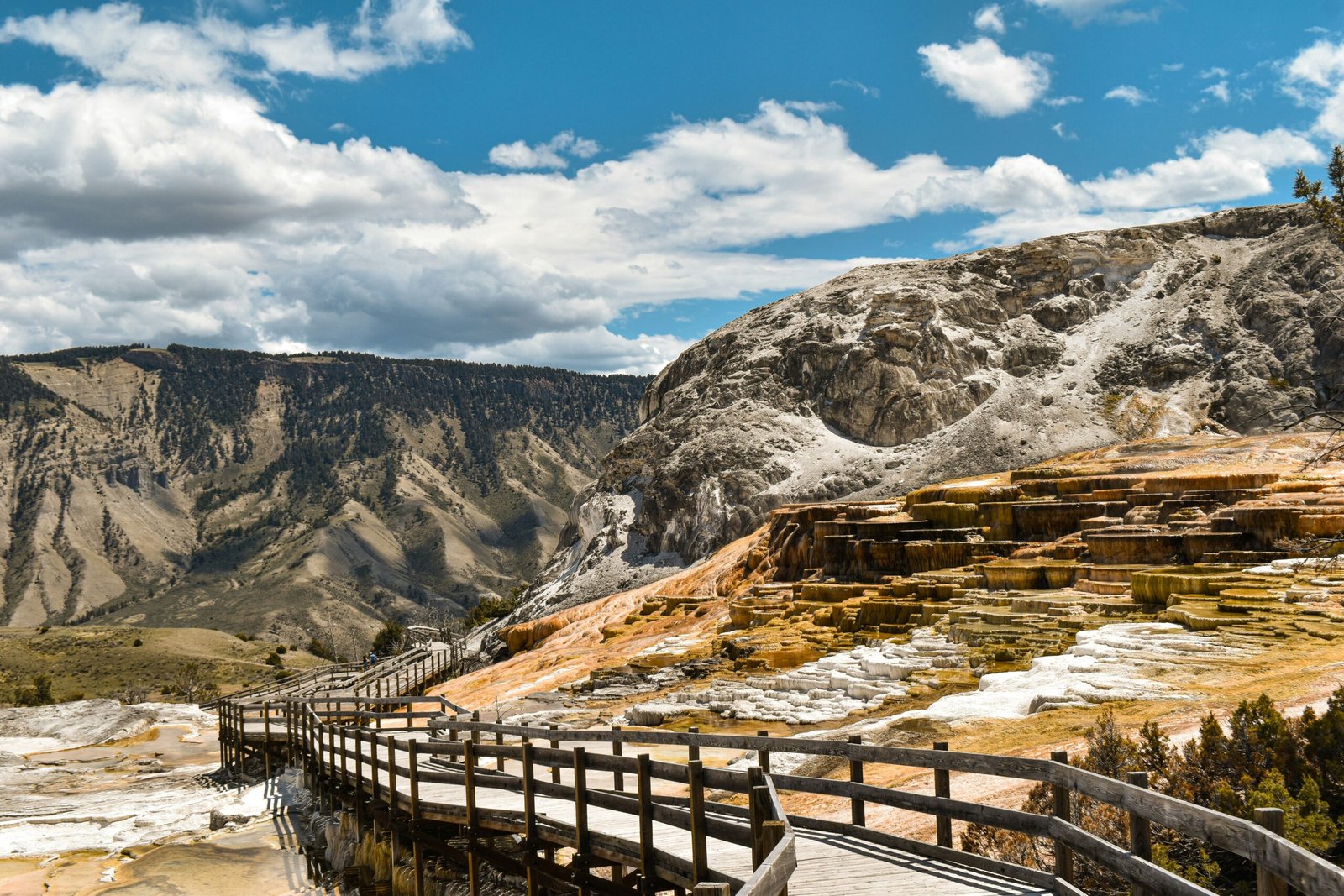
This image is property of images.unsplash.com.
What to Pack — A Practical Checklist
You will enjoy being prepared. This list keeps you from improvising with a road-map and two granola bars.
| Item | Purpose | Notes |
|---|---|---|
| Towel | Drying and modesty | Bring two if you like padding on benches |
| Flip-flops or water shoes | Wet surfaces can be slick | Useful in communal showers |
| Water bottle | Hydration | Refillable is environmentally friendly |
| Lightweight robe or cover-up | Modesty and warmth between soaks | Great for chilly mornings |
| Sunscreen | Protection when pools are outdoors | Waterproof formulas are best |
| Small bag for wet clothes | Contain moisture | Plastic or lightweight dry bag |
| Cash/card | Fees, tips, rentals | Many places welcome both |
| Basic toiletries | Shampoo, soap, hair ties | Respect facility rules about soaps in pools |
| Personal meds | For safety | Prescriptions, allergy meds, etc. |
You’ll notice the list favors comfort and preparedness over extravagance. That’s the point: the springs ask for modesty and give you extravagance in return.
Seasonal Guide — When You Should Visit and What To Expect
Stewart Mineral Springs delivers different personalities depending on the season. Your choice should match the kind of experience you want: cinematic steam in winter or languid summer evenings.
Winter: Cinematic Steam and Quiet Mornings
Winter turns the springs into a stage set—steam rising like a slow-motion exhale. You’ll find fewer crowds, and the contrast between cold air and warm water feels dramatic in a way that makes you narrate your own thoughts. Bring layers and be prepared for icy walkways at dawn.
Spring: Blooms and Balanced Temperatures
Spring softens the landscape and the temperatures. You’ll enjoy floral scents and comfortable soaking weather. It’s a transitional season that often offers the best balance: warm pools without the intense summer crowds.
Summer: Sunlit Soaks and Social Evenings
Summer brings longer hours and a more social vibe. You’ll likely encounter families and people who combine the springs with hiking or nearby festivals. Be mindful of the heat—afternoons can make a hot soak feel more intense, so prefer mornings or evenings.
Fall: Colors and Reflection
Fall delivers crisp air, spectacular leaves (if the region supports deciduous trees), and reflective moods. The springs feel contemplative, as if the landscape and your thoughts have decided to take a polite tea together.
Use this seasonal temperature guidance to plan:
| Season | Typical Air Temp Range | Typical Water Temp Experience | Crowd Level |
|---|---|---|---|
| Winter | 20–45°F (-7–7°C) | Very warm contrast | Low to moderate |
| Spring | 45–70°F (7–21°C) | Comfortable to warm | Moderate |
| Summer | 60–95°F (15–35°C) | Warm; high evaporation | High |
| Fall | 40–70°F (4–21°C) | Crisp and warm | Moderate |
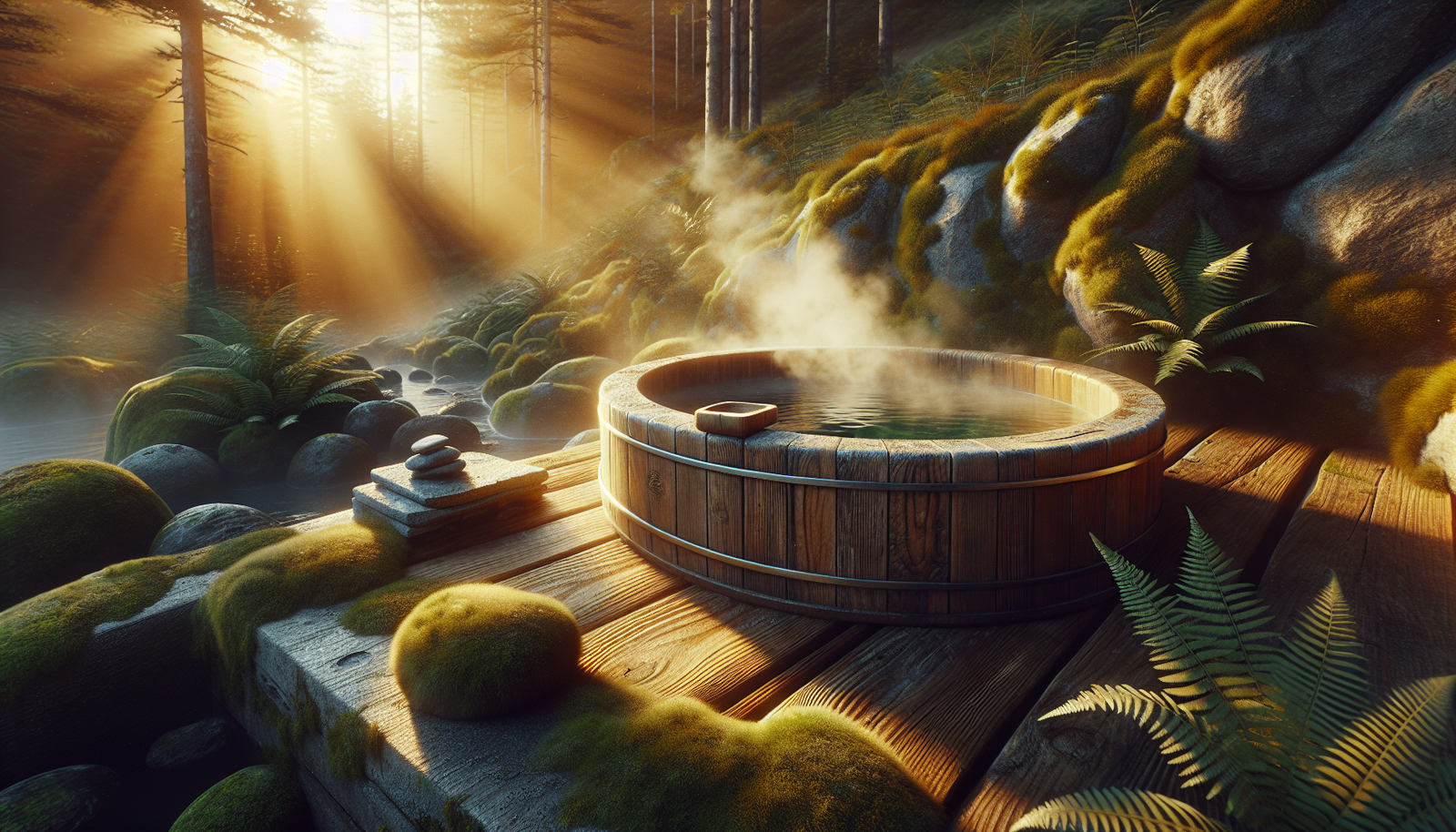
Getting There and Practical Directions
You’ll want to plan your route and timing carefully. Most springs are in rural settings, so a confident map app and a full tank of fuel are your friends. Access roads may be narrow, so if you’re driving a large vehicle, check ahead.
Transportation Tips
- Car: The most common and flexible option. Expect winding roads if you’re coming through foothills.
- Rideshare/Taxi: Feasible if the springs are near a town, but availability can be limited in remote areas.
- Public Transport: Rare for very rural springs. If you’re relying on transit, verify schedules and last-mile options.
Always check the facility’s website or call ahead for the latest parking instructions, especially if you’re visiting during a busy weekend or cold snap.
Accommodations — Where You Sleep When You Don’t Want to Leave
You can treat Stewart Mineral Springs as a day-trip or an overnight ritual. Nearby lodgings range from rustic cabins and small inns to campgrounds. If you plan to stay overnight, book early for weekends and seasons with high demand.
Types of Nearby Lodging
- Inns and Bed & Breakfasts: Small, personalized, and often run by local families who will have good jokes about the weather.
- Cabins and Vacation Rentals: These give you privacy and the chance to cook your own food. They can feel like having your own woodland correctional facility, except better.
- Campgrounds: If you enjoy sleeping under stars, camping is an economical and atmospheric choice. Pack warm bedding.
Choosing Based on Mood
If you want solitude, choose a private cabin or a less central inn. If you want incidental camaraderie, pick a friendly bed & breakfast where breakfast becomes a minor social experiment. For a more outdoorsy sensibility, camp and prepare for the little triumphs of campfire cooking.
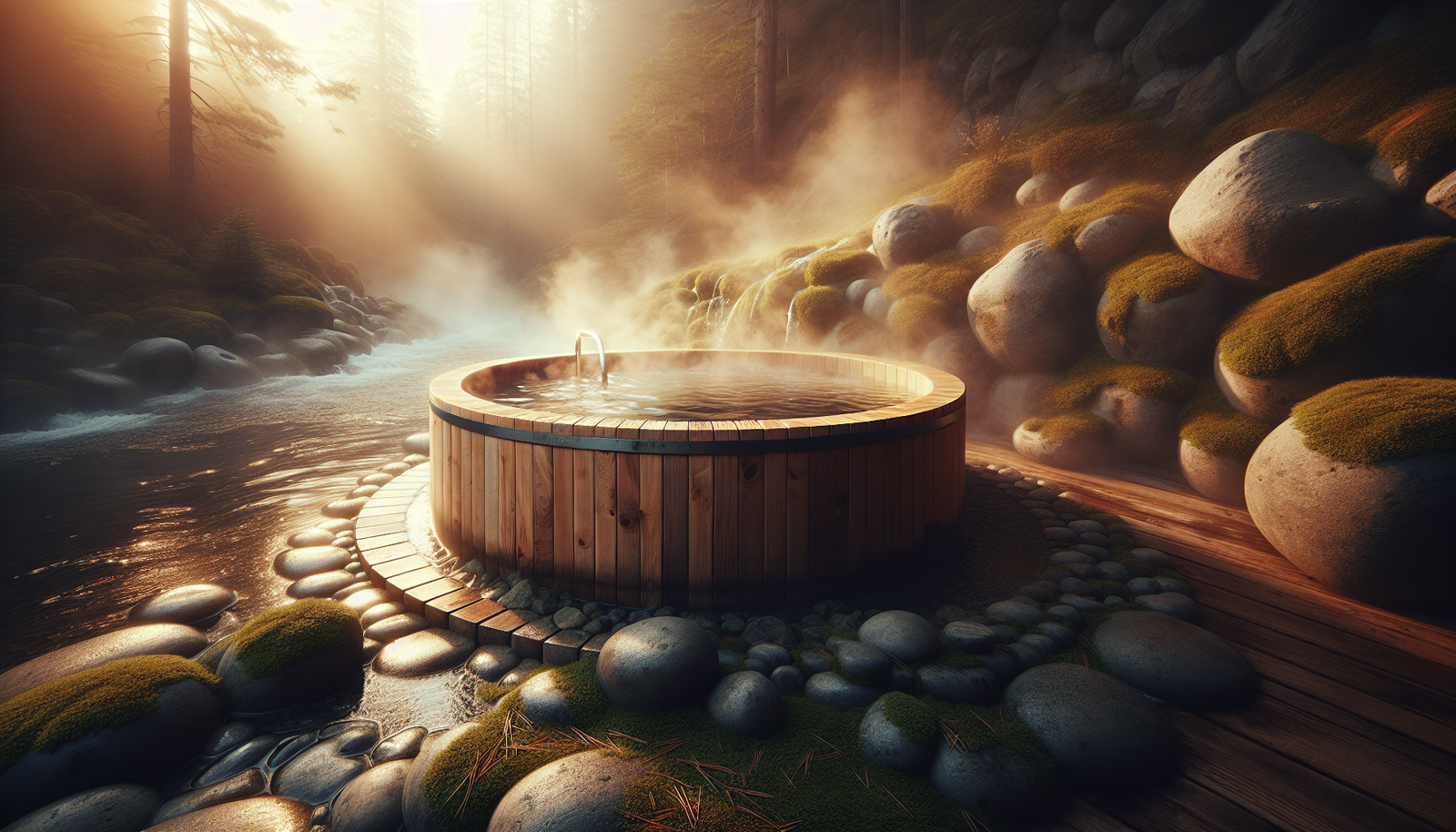
Food and Dining — What You’ll Eat, and Where
You might arrive determined to make your visit a culinary pilgrimage, or you might be content with boiled water and a granola bar. In reality, there are usually modest dining options nearby: cafes, diners, and sometimes a small on-site snack bar.
Picnic Etiquette
If you bring a picnic, choose foods that travel well and avoid strong odors that could annoy neighbors. Pack out your trash. There’s a particular dignity to eating fruit on a blanket in a place designed for calm; treat it like performance art that’s kind to nature.
Nearby Restaurants and What to Expect
Local eateries tend to be down-to-earth: good coffee, home-style meals, and suspiciously large pancakes. They thrive on repeat visitors, so your manners and timing are appreciated. Ask the staff for local favorites—you’ll likely get a tip that’s both practical and oddly sentimental.
Things To Do Nearby — If Soaking Isn’t Your Only Plan
If you want to pair your soaking with other activities, there are usually options nearby: short hikes, nature walks, historical sites, and small artisan shops. Your options will depend on the region, but you’ll often find that low-effort activities make a restful complement to soaking.
Light Activities That Pair Well with Soaking
- Short Hikes: Choose a trail that gives you a view without a complicated commitment.
- Birdwatching: Bring binoculars if you like having tiny revelations about local fauna.
- Local Museums or Historical Sites: These provide cultural texture and a friendly break from stillness.
- Farmers’ Markets or Artisan Shops: Good for picking up a local jar of honey or a souvenir that doesn’t need assembly.
Accessibility and Safety — Because You Want to Feel Safe While Relaxing
You deserve to feel safe and included. Many springs have made strides in accessibility, but rural contexts can still present challenges. Contact the facility ahead of time to confirm accessible parking, ramps, and restroom accommodations.
Physical Safety and Precautions
- Temperature Awareness: Don’t remain submerged too long, especially at higher temps.
- Medical Conditions: If you have heart conditions, are pregnant, or have serious medical concerns, consult your doctor before soaking.
- Children and Seniors: Supervise kids closely and be mindful of how long elders stay in hot water.
- Slips and Falls: Wet surfaces are slippery. Wear water shoes and move carefully.
COVID and Other Considerations
Facilities may maintain policies about cleaning, capacity, and masking that reflect ongoing public health needs. Check their current guidelines before you travel so there are no surprises.
Environmental and Cultural Preservation — How You Can Help
You’ll want to leave the springs better than you found them—or at least no worse. Preservation is a group activity, not an imposition.
Simple Guidelines to Protect the Area
- Pack out everything you bring in, especially trash.
- Use biodegradable products when permissible and follow rules about soaps and shampoos.
- Respect wildlife by keeping a safe distance and never feeding animals.
- Honor cultural sites and any signs that indicate sacred or protected areas.
Your choices matter. When you treat the springs as fragile and communal, you help ensure they remain deliciously available for later soakers.
Pricing, Reservations, and Rules — Practicalities You’ll Want to Know
Fees and rules vary. Some springs charge an entrance fee, others ask for donations, and private pools often require reservations. Check the official site or call in advance for up-to-date information.
Typical Fee Structures
- Day Use: A moderate fee grants pool access and basic amenities.
- Private Reservations: Higher fee for hourly private use.
- Rentals: Towels, robes, or locker rentals may cost extra.
Use this example table as a ballpark guide, but verify with the facility.
| Service | Typical Range (Example) | Notes |
|---|---|---|
| Day Use | $10–$30 per person | Often varies by season |
| Private Pool | $40–$120 per hour | Book in advance |
| Towel Rental | $3–$10 | Bring your own to save money |
| Locker Rental | $1–$5 | Helpful for valuables |
Reservation Tips
Book weekends and holidays well in advance. If the springs offer staggered time slots, arrive slightly early to check in and acclimate. If cancellation policies exist, honor them—these small courtesies help the place keep running smoothly.
Sample Day Itinerary — If You Need a Plan That’s Not Too Ambitious
If planning makes you nervous, here’s a simple, satisfying day you can follow.
- Morning: Arrive early, check in, and shower. Start with a 20–30 minute soak in a milder pool to warm up.
- Late Morning: Walk a short trail nearby or sit outside drinking a thermos of tea. Eat a light snack.
- Midday: Book a private soak if you want privacy, or join the communal pool for a relaxed social hour.
- Afternoon: Have a late lunch at a local diner. Consider a cold plunge if you’re feeling dramatic.
- Evening: Return for one last brief soak before sunset, then head to your lodging for a warm bath and an early night.
This rhythm lets you move between stillness and activity without forcing an agenda on your body.
Frequently Asked Questions — Straight Answers You Can Use
You’ll likely have practical questions. Here are direct responses to the queries most people bring.
Can You Bring Food into the Pools?
No. Food and glass containers are typically forbidden near pools to protect water quality and safety. Eat outside designated picnic areas.
Are Children Allowed?
Often yes, but with supervision. Facilities set age limits and rules for safety—verify before arriving.
What If I Don’t Want to Be Seen in a Swimsuit?
Some places offer private pools or changing areas. Alternatively, bring a robe and plan to use private soak times.
Are Pets Allowed?
Most springs restrict pets, both for wildlife protection and hygiene reasons. Some nearby trails may accept leashed dogs—check local regulations.
Is the Water Tested?
Many facilities test water regularly for safety and mineral content. If you’re worried, ask staff about testing schedules and results.
Final Thoughts — The Quiet After You Leave
When you leave Stewart Mineral Springs, you’ll carry with you a gentle unwillingness to return immediately to your former pace. That’s a virtue in moderation: you don’t need to move to the springs forever, but you might learn to build small rituals at home that mimic the steadiness you felt in the water. Make a plan to return when you can, and in the meantime, keep your towel handy and your expectations realistic.
You will find that the springs are less about permanent transformation and more about brief, generous permissions: permission to be quiet, permission to feel warm, permission to let some small weight drop. It’s a practice, not a miracle, and that’s often more useful. If you go, be kind to the place and to other visitors. Leave your phone in the car sometimes and let your shoulders have a day off. Your future self will send you a postcard of gratitude in the form of better sleep and softer joints.