
Have you ever found yourself resisting something only to realize it quietly becomes a key part of your life?
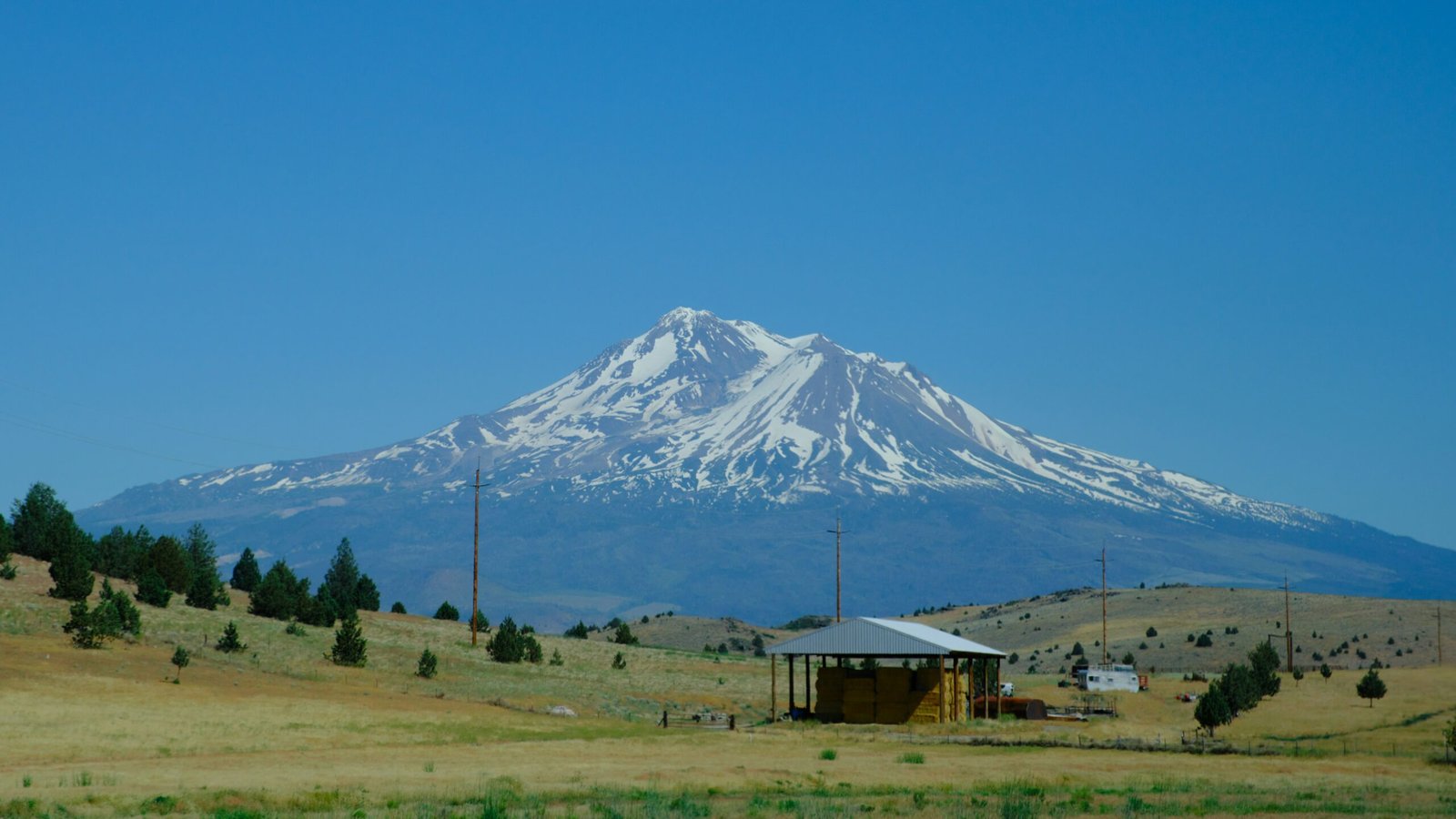
This image is property of images.unsplash.com.
Inhale Fitness Studio and the Confessions of a Reluctant Mount Shasta Convert
You arrive skeptical: a city dweller or weekend warrior who thought mountains were for hiking and studios were for city yoga trends. Over a few classes and a handful of conversations at small-town coffee shops, you notice a shift. This article walks you through what you’ll find at Inhale Fitness Studio in Mount Shasta, CA, how the town’s energy contributes to your practice, and why many people—maybe even you—end up converted before they intend to be.
Why Mount Shasta feels different
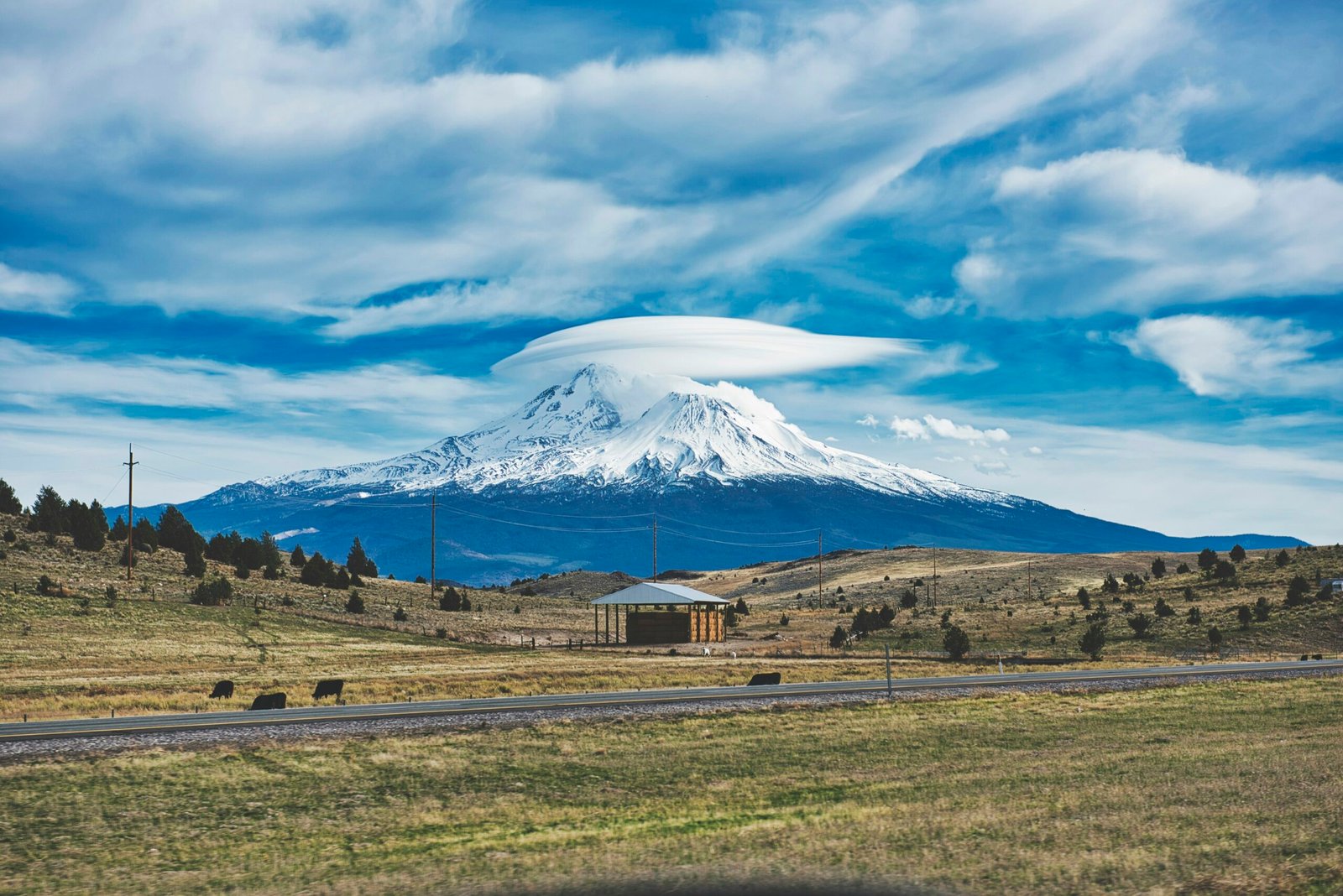
Mount Shasta isn’t just a landmark; it’s a community magnet with a peculiar blend of natural grandeur and small-town warmth. You’ll sense this as soon as you arrive: vistas that prompt slow breaths, local businesses that know your name, and a rhythm that encourages presence.
The mountain sets a tone that favors introspection, physical challenge, and a slower pace. If you’re coming for a workout, you find yourself training with intention. If you’re coming for peace, you end up earning it on the trail or on the studio floor.
Introducing Inhale Fitness Studio
Inhale Fitness Studio sits in the heart of Mount Shasta and aims to bridge fitness, mindfulness, and community. You may think it’s just another boutique workout space, but it aims to be something more: a place where cardio meets clarity and strength meets stillness.
The studio offers a mix of classes—strength training, yoga, Pilates, HIIT, and specialized workshops. You get experienced instructors, small class sizes, and a focus on sustainable fitness that honors local trails, weather, and the particular needs of residents and visitors alike.

This image is property of images.unsplash.com.
The first impression: what you’ll notice
The moment you step inside, you’ll notice clean lines, natural light, and equipment arranged for functionality and flow. People chat about trail conditions as often as they talk about kettlebell form, which tells you two things: the community is active outdoors, and the training respects real-world movement.
You’ll also notice a calm friendliness in staff and members. That friendliness leans into encouragement rather than competition, which might be why reluctant converts find themselves coming back.
Studio atmosphere and design
The space balances practical workout zones with areas for stretching and recovery. Natural materials like wood and muted colors are common, creating a grounded environment that helps you focus.
Design also supports multi-modality classes. You can expect a corner with weights and functional equipment, an open floor for mats, and a small area for mobility tools and props. This makes transitions between strength and mobility seamless.
Class offerings: what you can take
You’ll find a variety of class types that accommodate all fitness levels. Whether you want to build endurance for a summit attempt or improve mobility to prevent injury, Inhale Fitness Studio has options.
Below is an example table of typical classes and what to expect:
| Class Type | Focus | Who it’s for | Typical Duration |
|---|---|---|---|
| Strength & Conditioning | Functional strength, compound movements | Anyone wanting to build muscle and power | 45–60 min |
| HIIT (High Intensity Interval Training) | Cardio conditioning, metabolic work | Time-pressed athletes, runners | 30–45 min |
| Yoga (Vinyasa/Restorative) | Flexibility, breath work, mobility | All levels, recovery days | 60–75 min |
| Pilates & Core | Core stability, posture, low-impact strengthening | Those wanting mindful strength | 45–60 min |
| Trail-Ready Training | Hill repeats, endurance, leg strength | Hikers and trail runners | 60–90 min |
| Mobility & Recovery | Foam rolling, stretches, tear-down | Post-workout recovery, injury prevention | 30–45 min |
| Specialty Workshops | Breathwork, nutrition talks, alignment clinics | Members and drop-in visitors | 60–90 min |
You’ll notice classes are varied enough to keep your routine balanced. The specialty workshops often align with Mount Shasta’s wellness culture, blending practical fitness with mental clarity.
Instructors: what they bring to your practice
Inhale’s instructors typically have diverse certifications and experience. They often bring backgrounds in personal training, yoga therapy, athletic coaching, and outdoor guiding.
You’ll appreciate instructors who tailor cues to real-life activities—lifting, hiking, carrying gear—so your training translates to daily life and mountain adventures. They also tend to focus on accessibility: offering modifications and progressions so your first class feels achievable.
Certifications and specialties
Instructors commonly hold certifications from reputable organizations (ACE, NASM, Yoga Alliance), and many have additional credentials in functional movement, corrective exercise, or outdoor leadership. Expect instructors who can speak to both performance and injury prevention.
This combination is helpful if you want to peak for a trail event without breaking down afterward. It also gives you tools to keep practicing safely in the high-elevation environment of Mount Shasta.
This image is property of images.unsplash.com.
Training philosophy and approach
The studio’s philosophy blends strength, breath, and community. You’ll find programming that values longevity over short-term gains, favoring movement quality and consistency.
This approach looks like periodized plans for seasonal goals, workouts that emphasize both strength and mobility, and a strong focus on recovery—because in Mount Shasta, outdoor pursuits demand resilience.
Functional training for life and mountain terrain
Functional training at Inhale emphasizes movement patterns—squats, hinges, presses, carries—that prepare you for carrying a pack, hiking steep slopes, or simply moving through life without pain. You’ll leave sessions with skills that translate to real tasks, not just aesthetic goals.
The instruction teaches you to move efficiently, maintain posture under load, and manage breathing during exertion—skills that matter at altitude and on long trails.
Facilities and amenities
Expect practical, clean amenities geared toward active people. You’ll find locker space, a small lounge area for recovery chats, and equipment for both strength and mobility. Towels, water refill stations, and mats may be available.
The studio may also have partnerships with local recovery providers—massage therapists, physical therapists—or recommend local services for longer-term needs.
Equipment and layout
Equipment commonly includes kettlebells, dumbbells, barbells, resistance bands, TRX systems, rowing machines, stationary bikes, yoga props, and mobility tools. The layout encourages circuit-style classes and individual training.
Because classes are intentionally sized, you won’t feel overcrowded, and instructors can give hands-on adjustments when appropriate.
What to expect in your first class
Your first class will likely include a short intake—any injuries, goals, or preferences—followed by a warm-up, main session, and cool-down. Instructors will offer modifications and encourage you to work at your own intensity.
You’ll leave with practical cues and an understanding of how the class fits your goals. If you’re nervous about group settings, remember that the culture is supportive and non-competitive.
Common first-class questions answered
- Do you need experience? No—modifications are offered.
- What should you bring? Comfortable clothes, water, a towel, and worn shoes.
- Will you be pushed too hard? Instructors emphasize safety; you control intensity.
These reassurances matter because many people arrive skeptical and leave with newfound confidence.
Memberships, pricing, and drop-in options
The studio usually offers a mix of memberships, class packs, and single-drop options to accommodate both locals and visitors. This flexible pricing helps you fit training into your travel plans or long-term routine.
Here’s an example of a pricing table to give you a sense:
| Option | Typical Cost Range | Best For |
|---|---|---|
| Single Drop-In | $15–$25 | Visitors or one-off classes |
| Class Pack (5–10) | $60–$180 | Occasional attendees, seasonal stays |
| Monthly Membership | $90–$150 | Local regulars, consistent training |
| Private Sessions | $60–$120/session | Personalized coaching or rehab work |
| Workshops | $20–$50 | Specialty topics and weekend clinics |
Local studios often adjust rates seasonally. If you’re coming on a weekend getaway, a class pack or single drop-in is often the most convenient option.
Community events and local partnerships
You’ll find the studio engaged in the local scene: group trail runs, charity fundraisers, seasonal wellness fairs, and partnerships with outdoor outfitters. These events foster a sense of belonging and help you connect with people who share similar interests.
Community-oriented programming can add motivation and social support for your fitness goals. If you’re new to Mount Shasta, these events accelerate your integration into the local scene.
How events shape your experience
Events often blend fitness with local culture—think “hike and yoga” mornings or trail maintenance days followed by a stretch session. You’ll experience a social fitness culture that emphasizes stewardship, wellness, and mutual support.
These activities reinforce the studio’s mission to be more than a place to exercise—it’s a hub for active, conscious living.
Why the mountain matters to your fitness
Training in Mount Shasta is different. Altitude, terrain, and climate all influence how you move and recover. The studio builds awareness of these factors into programming to help you train smarter.
You’ll learn how to pace yourself on climbs, manage breath at higher elevation, and prepare for the unique demands of mountain-based recreation.
Altitude and recovery strategies
At elevation, your body works harder, and recovery becomes essential. Instructors emphasize hydration, sleep, and pacing. Recovery classes and mobility sessions are more than conveniences—they’re crucial to maintaining consistent progress.
This awareness reduces the risk of overtraining and helps you enjoy the mountain environment rather than fight with it.

Practical tips to prepare for class
You’ll benefit from a short checklist to make your first visit smoother. Being prepared helps you focus on movement rather than logistics.
Here’s a simple packing table:
| Item | Why It Matters |
|---|---|
| Water bottle | Hydration is crucial at elevation |
| Comfortable clothing | Allows freedom of movement |
| Supportive shoes | Needed for strength and HIIT sessions |
| Towel | For hygiene and comfort |
| Small snacks | If you need quick fuel before/after |
| Notebook/phone | For tracking workouts or class schedules |
| Sunscreen & layers | For post-class outdoor activities |
If you plan to hike after a class, bring layers. Mountain weather can shift quickly, and you’ll want to stay comfortable.
Testimonials: why people stay
You’ll hear similar themes from members: improved endurance for hikes, better posture, more efficient breathing, and a supportive community. Many converts point to small, consistent changes—fewer aches, better sleep, a sense of belonging—that add up over time.
A typical testimonial might say: “I came for strength work and stayed because I felt better everywhere—on the trail, at work, and in my daily life.”
A few common outcomes
- Increased functional strength for carrying packs
- Greater joint mobility for technical terrain
- Improved recovery after long hikes or runs
- A stronger sense of local community and routine
These outcomes are what keep reluctant converts returning and recommending the studio to others.
Safety, accessibility, and inclusivity
Inhale Fitness Studio usually prioritizes safety through spacing, qualified instruction, and accessible variations. You’ll find classes suitable for a range of abilities and ages.
Inclusivity is reflected in pricing options, community events, and a culture that welcomes different backgrounds and goals. If you have specific needs, communicating with staff beforehand helps tailor your experience.
Injury prevention and rehab-friendly options
If you’re recovering from injury, there are often private sessions or modified classes focused on rehabilitation. Instructors work within scope—referring to health professionals when necessary—and emphasize movement quality over volume.
This approach helps you stay active even while managing limitations.
Things that might surprise you
You might be surprised by how quickly the studio community integrates with outdoor life. It’s common to see class members organizing weekday trail runs or carpooling to nearby climbs. Participation is casual and organic; the studio acts as a social catalyst as much as a training center.
Another surprise: the degree to which mindfulness and breath work are embedded in general classes. You’ll encounter breath cues and recovery emphasis in even strength-focused sessions.
Unexpected benefits
- Friendships that extend into outdoor adventures
- Practical skill transfer from studio to trail
- Better stress management through movement and breath
These benefits are often the tipping points that convert skeptics into advocates.
Local logistics: getting there and staying
Mount Shasta is accessible by car and by regional airports a few hours away. If you’re traveling from farther, plan for a scenic drive and some logistical considerations around altitude and supplies.
Here’s a simple logistics table:
| Topic | Practical Tips |
|---|---|
| Nearest major airports | Redding (about 1.5 hr), Medford (about 1.5–2 hr) |
| Driving | Check weather in winter; mountain roads can be slick |
| Parking | Local street parking and small lots—ask studio for specifics |
| Accommodation | Options range from inns to camping for outdoor types |
| Best seasons | Spring–fall for hiking; winter for snow activities (bring chains) |
If you’re visiting for a weekend of fitness and hiking, coordinate classes and trail plans to allow time for acclimatization and recovery.
Post-class options: recovery and recreation
After a session, you’ll likely head out to a local café, take a short walk, or hit a nearby trail. The town features spots for massage, physical therapy, and specialty health services if you need deeper recovery.
Many locals recommend a short soak or gentle mobility work after a long hike to maintain flexibility and relieve soreness.
Local recovery spots to consider
- Massage therapists and manual therapists in town
- Wellness shops offering supplements and recovery aids
- Gentle trails or river walks for active recovery
These options make it easy to balance effort and restoration during your stay.
Common barriers and how you’ll overcome them
You might worry about being out of your depth, paying high boutique rates, or not fitting the “fitness studio” vibe. The truth is, most barriers are addressable: instructors offer modifications, pricing is flexible, and the culture is intentionally non-judgmental.
If time or money is a constraint, look for class packs or community-sponsored classes. If you’re anxious about group settings, start with a private session or smaller class.
Strategies to make it easier
- Message the studio ahead of time with questions
- Start with a beginner-friendly class or private session
- Bring a friend for shared motivation and lower entry stress
- Keep a simple routine: two to three classes per week for steady progress
Persistence and communication will make your experience smoother and more rewarding.
The confession: how you become a convert
You’ll probably notice that the conversion isn’t dramatic—it’s the accumulation of small wins. A stronger step on a trail, a shoulder that stops nagging, a morning you breathe deeper. The community’s warmth makes fitness part of living rather than a separate chore.
As a reluctant convert, you’ll recognize your own progression: initial skepticism, an open-minded first class, a few accidental friendships, and then a quiet realization that your habits have changed. The mountain and the studio together make a persuasive case for a sustainable lifestyle.
What changes first
- Your priorities shift toward consistent, purposeful movement.
- You measure progress by stamina and mobility as much as aesthetics.
- You find fitness tools that enhance outdoor experiences.
Those changes often feel natural and long-lasting rather than forced.
Frequently asked questions (FAQ)
You’ll likely have practical questions before you arrive. Here are concise answers to common concerns.
- Do you need prior experience? No—classes are adaptable.
- What should you bring? Water, comfortable clothing, supportive shoes.
- Can you drop in? Yes—most studios accept drop-ins and class packs.
- Are classes high-impact? There’s a range—ask about class intensity.
- Is there parking? Typically yes; confirm with the studio.
If you have medical concerns, consult your healthcare provider and inform the instructor before class.
Final thoughts and next steps
If you’ve been resistant to boutique studios or skeptical of mountain towns that promise transformation, give this one a thoughtful chance. You don’t have to change overnight; you only need to arrive with curiosity and a willingness to try.
Start with one class, ask for a recommendation based on your goals, and allow the rhythm of Mount Shasta—and the supportive environment at Inhale Fitness Studio—to influence your habits. You may find that your reluctance slowly fades, replaced by a sustainable, joyful commitment to movement and community.
If you want a practical next step, pick a class that aligns with your immediate goals—strength for hiking, mobility for everyday comfort, or a restorative session to reset. Then, plan a small post-class activity outside so you can savor both the workout and the place that inspired it.