
?Have you ever stood in front of a waterfall and felt like the mossy rock next to you was the one person who might actually keep your secret?
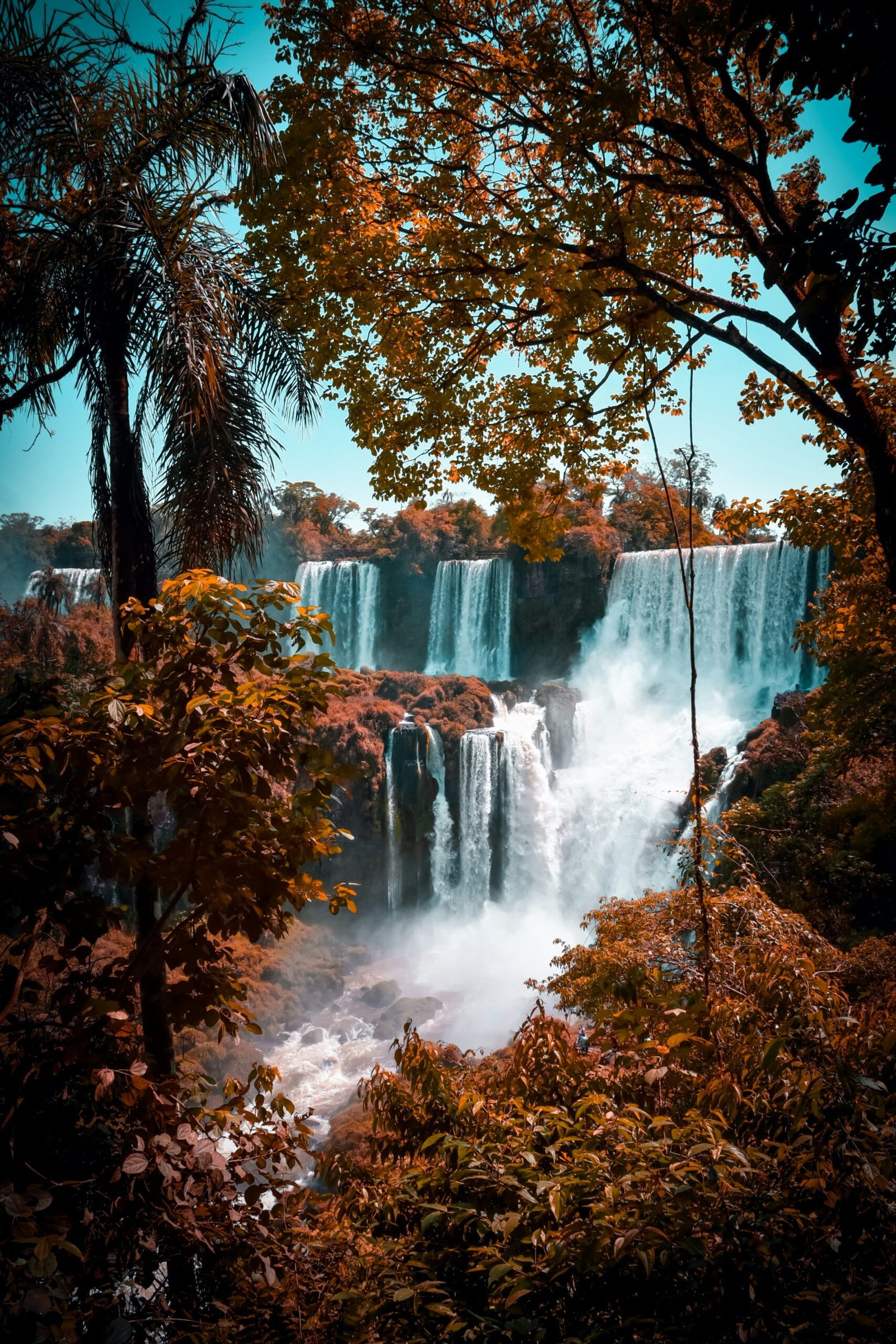
This image is property of images.unsplash.com.
Faery Falls and the Accidental Confession I Made to a Mossy Rock
You arrive at Faery Falls expecting a postcard: tumbling water, sun angles that make every droplet sparkle, and a clientele of earnest hikers murmuring in Instagram captions. Instead, you discover something quieter and more insistently green — a small cascade hidden in the folds of Mount Shasta’s forests where the moss seems to have been painted there by someone with time on their hands and a tender streak. You will tell the mossy rock something you probably should have kept to yourself, and the rock will do what rocks do: it will listen without judgment.
Where Faery Falls Sits in the Mount Shasta Landscape
You find Faery Falls tucked along the flanks of Mount Shasta in northern California, inside the larger Shasta-Trinity National Forest setting. It’s not the huge, tourist-heavy spectacle; it’s one of those small, delicate waterfalls that seem designed for secrets and quiet couples and people who misplace their dignity and then confess to inanimate objects.
Why the Name Feels Right
You will notice the spelling—sometimes Faery, sometimes Fairy—both of which carry the suggestion of small, hidden things and old stories. The site’s name suits the place: the falls are intimate, the pool below is often ringed by ferns and moss, and you have the sensation that if you go quiet you might hear the forest rearrange itself around you.
Quick Facts at a Glance
You like to know the essentials before you arrive. This table gives a compact picture so you can plan without memorizing trail maps in the dark.
| Item | Detail |
|---|---|
| Location | Mount Shasta area, Siskiyou County, Shasta-Trinity National Forest |
| Approx. Hike Length | Short to moderate (typically under 4 miles round-trip, depending on approach) |
| Difficulty | Easy to moderate — mostly well-marked trails, some uneven or rocky sections |
| Best Time to Visit | Spring to early summer for peak flow; late summer for more solitude |
| Permits | Usually none for day hikes; check US Forest Service for seasonal restrictions |
| Cell Service | Often limited or non-existent near the falls |
| Hazards | Slippery rocks, sudden weather changes, wildlife, cold water |
Getting There and Trailhead Tips
You will want to know where to park and how to approach, because even the loveliest spot loses its charm if you wander three hours in circles. Most approaches are short hikes from nearby trailheads or forest roads that end at trailheads; the last stretch is often a dirt track with some roots and rocks to keep your ankles honest. You should check current trail conditions on the Forest Service website or local hiking forums before you set out.
The Hike Experience: What to Expect on the Trail
You will notice sensory details the moment you leave the car. The air changes: it becomes cooler, damp, and moss-heavy, like stepping into a room that’s been waiting for you. The trail curves around glades of conifer and sudden undergrowth; sunlight plays peekaboo through a canopy of Douglas fir and cedar. You will hear birds — persistent, chattery residents — and then the waterfall itself before you see it: a steady, reassuring hiss that builds as you approach.
This image is property of images.unsplash.com.
The Waterfall: A Close-Up Description
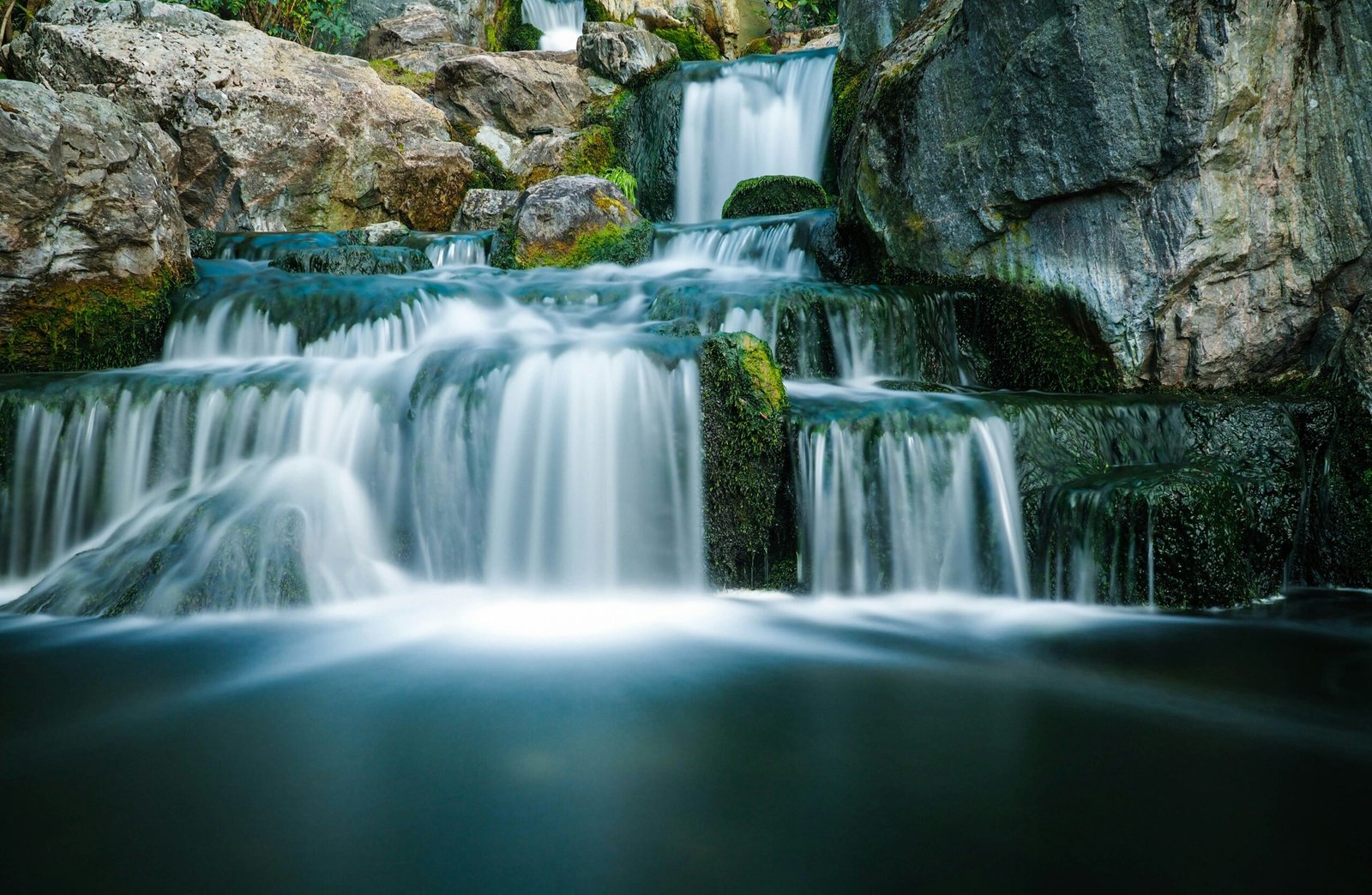
Faery Falls isn’t about scale; it’s about texture. You will appreciate the way water finds and re-finds its route over stone, the ribbon of liquid trimming green terraces of moss and lichen. There is usually a small, clear pool at the base where water settles before continuing downstream, and if you sit on a rock long enough your shoes will gather a sheen of wet and your thoughts will soften.
The Pool and Its Moods
You will see the pool change mood by the hour: glass-smooth in the morning, a swirl of froth by midday, glass-smooth again at dusk. If you’re lucky, you will find a flat, mossy stone that invites you to sit and forget the modern world for a while.
Seasonal Changes and Flow Patterns
You will notice Faery Falls is very much a child of seasons. In spring and early summer, snowmelt from Mount Shasta swells the falls and gives everything a vigorous, almost boastful energy. By late summer and fall the flow softens, sometimes to a mere ribbon, and the place becomes even more intimate. Winter can cloak the area in ice and snow; the falls may freeze partly, creating a delicate architecture of ice and spray that could concern your balance but delight your camera.
Best Time for Photography Versus Solitude
You will have to choose what you value more: the force and drama of peak flow (spring) or the quiet intimacy and smaller crowds (late summer/early fall). If you want both, go early in the day during the shoulder seasons — you’ll be rewarded with better light and fewer people pointing phones at the same spray.
This image is property of images.unsplash.com.
Geology and Hydrology: Why Faery Falls Exists
You will appreciate that Mount Shasta is a stratovolcano with a complicated past of eruptions and glaciers, and that the region’s waterfalls are largely shaped by that story. Meltwater and runoff carve channels through volcanic rock; fractures, lava flows, and glacial deposits create the ridges and steps that let water fall in lovely increments. Faery Falls owes its personality to this interplay of hard, ancient stone and the softer, ever-moving water.
Flora and Fauna Around the Falls
You will notice that the vegetation around Faery Falls is lush in a way that makes you want to pet it, but please do not pet everything. Ferns and mosses dominate the understory, with wildflowers dotting the edges in season. The conifer canopy features species like Douglas fir and various pines, and you may see manzanita or alder in the wetter patches. Wildlife sightings can include deer, squirrels, songbirds, and — if you’re unfortunate or very lucky — a bear rummaging like it owns the picnic schedule. Always practice appropriate distance and food storage.

Indigenous and Cultural Significance: A Note on Respect
You should know that Mount Shasta and its surroundings are sacred to several Native American tribes, including the Wintu and other regional peoples. The mountain has an ongoing cultural, spiritual, and historical significance. You will be a better visitor if you approach the area with humility and curiosity: learn a bit about tribal history, respect signs and requests, and avoid taking ritual sites or artifacts as props for photographs.
Practical Safety Tips
You will do better on this trail if you treat it with the respect it deserves: wear sturdy, grippy shoes, bring layers (temperatures change fast in mountain settings), and carry enough water and snacks. Cell reception is spotty or non-existent in many stretches, so don’t count on your phone to be a lifeline. Watch for slippery rocks near the water’s edge — wet moss looks forgiving and will laugh at you as you slip. If you bring dogs, keep them leashed where required and always pack out their waste.

Permits, Regulations, and Camping Notes
You will not always need a permit for a day visit, but regulations can change by season or because of wildfire risk; check the Forest Service or local ranger district before you head out. Camping nearby is possible in designated sites — not directly at the falls, please — and if you want to stay in the Mount Shasta Wilderness you may need a wilderness permit for overnight trips. Fires are often restricted; bring a camp stove if you plan to cook.
What to Bring: A Compact Checklist
You will appreciate having a checklist so you aren’t the person who forgets socks and dignity. Consider this:
| Item | Why It Matters |
|---|---|
| Sturdy hiking shoes | Mossy and wet rocks require traction |
| Layers (fleece, rain jacket) | Mountain weather is theatrical and changeable |
| Water bottle or filter | Hydration is not optional |
| Snacks / light meal | Energy equals better judgment |
| Camera or phone with protection | For landscape shots and emergency contact |
| First aid kit | For scrapes, blisters, and badly timed bravado |
| Map and compass | Phones die; maps do not |
| Trash bag | Leave the place cleaner than you found it |
Photography Tips: Making the Falls Look Like You Remember Them
You will want to capture this place without ruining it. An hour after sunrise and an hour before sunset give flattering light with fewer harsh shadows. For silky water effects use a slow shutter speed (1/4 to 2 seconds) and a tripod, or brace your camera on a rock if you forget a tripod like some people do repeatedly. If you want detail shots of moss, lower your aperture to isolate texture and get close — but watch where you step; plants are fragile.
Nearby Attractions and Pairings
You will find that Faery Falls is a friendly stop on a larger Mount Shasta itinerary. Nearby you can visit Castle Lake for alpine reflections, McCloud Falls for a stretch of three impressive cascades, and the city of Mount Shasta itself for coffee, maps, and local stories. If you have more time and energy, you can hike higher into the mountain’s trails or even arrange a guided climb on Mount Shasta’s gentle but serious slopes.
Conservation: How to Be a Responsible Visitor
You should act like the place matters, because it does. Pack out all your trash, avoid stepping on sensitive vegetation, and keep noise to a level that doesn’t frighten wildlife or other visitors. If you see litter or graffiti, consider picking it up — one small action reverberates into something larger. Also, be mindful of fire restrictions and group size limits; overuse changes how a place smells, feels, and functions.
The Accidental Confession You Make to a Mossy Rock
You will remember the moment because it arrives not with fanfare but as a slow settling of intention. The rock is slightly tilted and soft with moss — the kind of moss that invites palms and confidences. You sit, because of course you sit, and you realize your pockets are full of things you don’t need: an expired movie coupon, a list of psychological grievances with a coworker, and a confession you have rehearsed in the mirror and never said aloud.
You begin by clearing your throat like the person you are trying to be. The first words are mechanical: “I lied,” you tell the rock. It is an odd admission to deliver to a piece of stone, especially since the lie was not dramatic; it was domestic and low-energy, like saying you watered the fern when you did not. The moss listens. The water sings. The small pool pays no attention at all, which is exactly what you expected.
You feel foolish. You also feel lighter, which is the main, inconvenient thing about honesty. Without intending to, you begin to unpack things — tiny, petty things and the large, unwieldy ones that have been tucked into drawers because drawers are where difficult feelings go to become dust. The rock does not interrupt. The falls make small sympathetic noises. You tell the rock about the time you told someone you liked their painting when you did not, and about how you once told your mother you were finishing graduate school when you had dropped out after two classes. Perhaps the imperative to confess is not a desire for absolution but simply a practice in admitting to yourself that you exist.
As you speak, the forest rearranges itself into a more indulgent shape. A jay lands on a branch and cocks its head, which you interpret as either curiosity or an inclination to gossip. You tell the rock about something more embarrassing — the way you leave vegetables in the crisper until they orbit the center and acquire their own microclimate. You tell the rock you worry about being unfunny at parties and about not calling people back in time and the mystery of why your left sock always disappears.
You will probably notice that in confessing to a rock you are practicing an art humans have long used: talking to someone who cannot contradict you. The rock does not say, “You idiot,” nor does it offer unsolicited life advice. It sits and receives, which is exactly what you need. You are not cleansed of your faults. You are, however, moved slightly to the left on your axis. You breathe. The confession does not change the past or transform your plant-harming ways, but it fractures the dark a little, the way a beam of light slips through the canopy.
You think you hear your own laugh, small and surprised. The idea that a piece of stone could catalyze a shift like this seems preposterous and entirely in keeping with Faery Falls. Perhaps “faery” is not just a whimsical name but a promise: if you are willing to be vulnerable, small magic — the kind that rearranges the furniture of worry — might occur.
Eventually you stop talking because your throat gets dry and because the human habit of confession needs a rest. You stand, a little sheepish and a good deal lighter, and pat the rock in the most awkward, possibly patronizing way. The rock does not mind. You walk back to your car with fewer things in your pockets and more room in your mind for the small, tender mistakes that make you unmistakably human.
Why People Are Drawn to Places Like Faery Falls
You will understand why Faery Falls has a hold on visitors: it’s an accessible piece of mystery in an increasingly transparent world. It demands slow attention and gives back a kind of small consolation. You can stand near the water and think of the future or nothing at all; both are acceptable. In places like this you feel the luxury of being allowed to be ordinary and flawed and still loved by the light.
Common Visitor Mistakes and How to Avoid Them
You will see the same mistakes repeatedly: people trying to sit on the slickest rock as if they are immune to gravity, folks getting too close to edges for the perfect selfie, and those who leave food out, inviting curious wildlife with good table manners and bad consequences. Avoid these pitfalls by practicing patience: wait for a dry rock, keep a respectful distance from the water’s edge, and stash your snacks in sealed containers.
Stories People Tell at Faery Falls
You might overhear someone telling a dramatic memory — a childhood foolishness, a love lost and found, a secret ambition. People use small, magical places to practice telling stories because the setting makes people more generous with attention. If you are the kind of person who likes to contribute, go light: say something true and brief; do not monopolize the setting.
Guiding Children and Beginners
You should know that this is a good place to bring children because the falls are a natural classroom: rocks, water, moss, small streams that teach curiosity. Teach kids about safety: watch your footing, don’t throw rocks into the pool, and respect the quiet. Give them permission to sit and stare without feeling pressured to produce a crafts project at the end.
The Unpredictable Weather of Mount Shasta
You will not be surprised by sudden shifts in weather. Mount Shasta can produce sudden fog, rain bursts, or a drop in temperature that makes you wish you had packed a blanket and a more ambitious life plan. You should always bring a waterproof jacket and an extra layer, and if the forecast looks dramatic, maybe postpone your confession until the sun is more cooperative.
How Faery Falls Fits into the Broader Mount Shasta Experience
You will see Faery Falls as one small piece of the Mount Shasta mosaic: a mountain revered by locals, beloved by climbers and spiritual seekers, and surrounded by ecosystems rich in diversity. Visiting the falls gives you a sense of how smaller features contribute to the larger landscape — the mouthpiece through which the mountain breathes and spills water into valleys.
Practical Day-Trip Itinerary
You will appreciate having a plan. Here’s a simple schedule you can adapt:
- Morning: Leave early from the town of Mount Shasta; stop for coffee and a map.
- Mid-morning: Hike to Faery Falls; spend time photographing and being quiet.
- Lunch: Picnic at a respectful distance, using bear-proof containers.
- Afternoon: Pair the visit with a stop at Castle Lake or a walk through Mount Shasta town.
- Evening: Return for dinner and perhaps an early sleep, because you will be pleasantly worn out.
Final Reflections
You will leave Faery Falls with a slightly muddled sense of accomplishment, as if you have done something simultaneously small and important. You confessed to a rock and discovered that the act of telling matters whether the listener has skin and opinions or simply the stony patience of thousands of years. The falls will keep doing what falls do: rearranging water into motion, moss into warmth, and people into better versions of themselves, if only slightly.
If you ever find yourself there again, you might not confess the same things. The moss will have new growth and the water will find a new route, but the basic bargain holds: you will bring your messy humanity, and the place will offer back the space to sit with it. And if you are lucky, you will leave something behind that is cleaner and lighter than what you brought.