Have you ever stared at a mountain that looks like it belongs in a children’s story and wondered whether you could spend a weekend being both graceful and catastrophic at once?
Snowboarding And Skiing At Mount Shasta Ski Park
Overview of Mount Shasta Ski Park
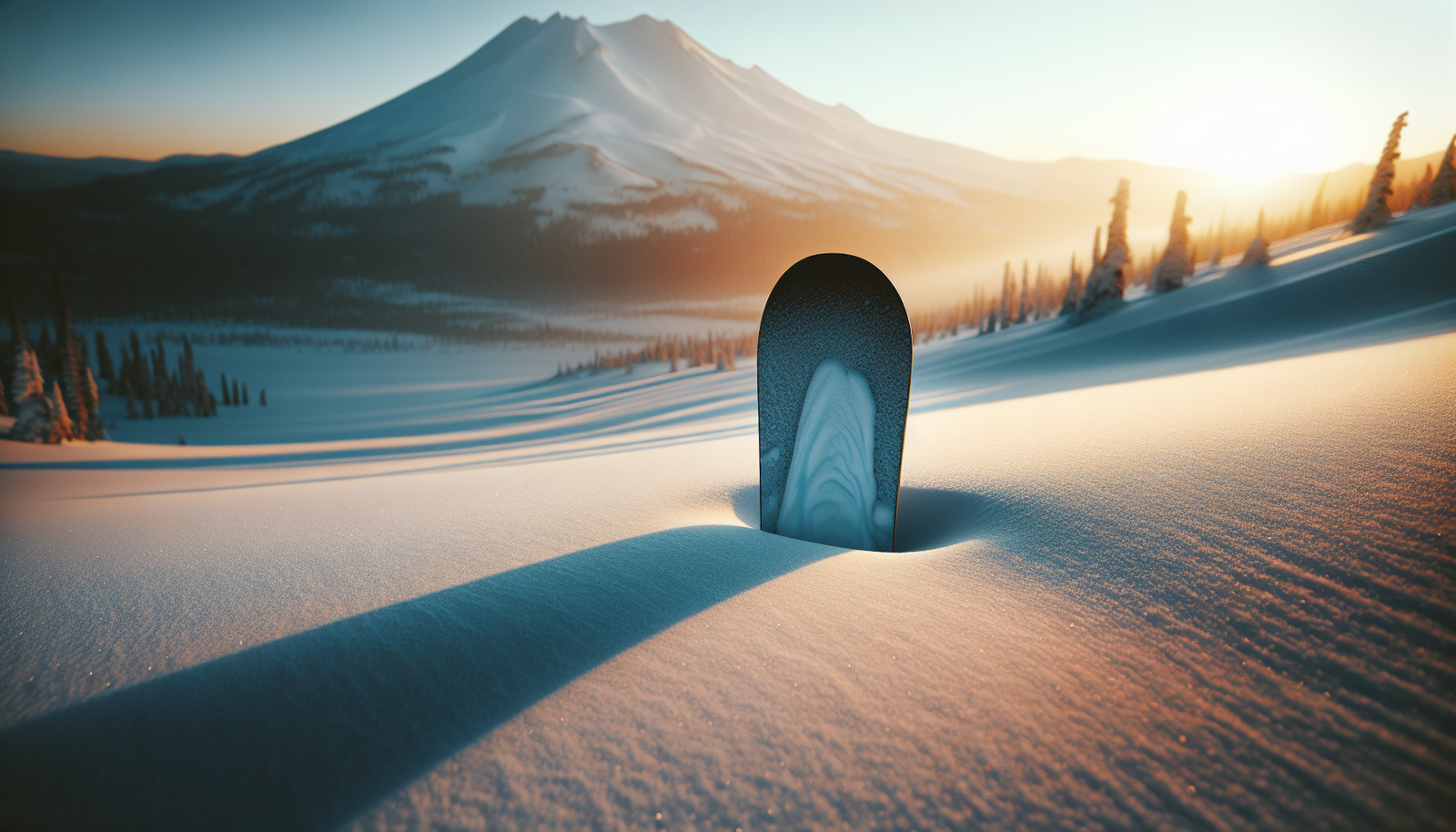
Mount Shasta Ski Park sits on the flanks of a stratovolcano that is inexplicably photogenic and stubbornly cold. You’ll find a friendly, unpretentious atmosphere that suits someone who wants good turns without having to negotiate a runway of designer ski jackets. This is a place where the mountain is honest: it gives you snow, a few groomers, tree runs, and a view that will make you believe in landscapes again.
Why Choose Mount Shasta for Your Next Snow Trip?
You want a mountain that isn’t a social media theme park but still delivers quality snow and varied terrain. Mount Shasta Ski Park offers that. You’ll get relatively short lift lines, terrain for multiple ability levels, and the peculiar luxury of looking up at Mount Shasta’s perfect cone while you sip something warm in the parking lot. It’s both accessible and breath-taking in a way that makes you slightly ashamed of how moved you are by volcanic geology.
About the Mountain and the Town
Mount Shasta Ski Park is close to the small town of Mount Shasta in Northern California. The town has a laid-back personality, with enough cafes, bars, and pizza joints to feel civilized, and enough wilderness to remind you why you left civilization in the first place. You’ll find accommodations from hostels to cozy lodges; and if you arrive with a friend who rapidly becomes too “inventive” with a map, locals tend to offer directions with a gentle mixture of compassion and amusement.

This image is property of images.unsplash.com.
When the Season Runs
The ski season typically runs from late November through April, depending on snowfall. If you like the thrill of uncertainty, come early season — but if you like your poles upright and your parking lot plowed, mid-January through March is usually the sweet spot. You should always check recent weather and avalanche reports before heading up; Mount Shasta’s winter mood swings are dramatic but mostly polite.
Mountain Statistics: Quick Facts
These numbers will help you decide whether your knees and patience are ready for this trip.
- Elevation base: around 6,950 ft
- Summit elevation: roughly 8,200 ft (park top, not the volcanic summit)
- Vertical drop: about 1,250 ft
- Skiable terrain: approximately 400 acres
- Runs: a mix of groomers, gladed runs, and exposed pitches
Terrain and Trails
If you’re looking for variety, Mount Shasta provides a tidy mix. You’ll find gentle slopes that encourage beginners to stay upright and feel clever, intermediate runs that tease you into trying something steeper, and a few expert pitches that test your commitment to speed control and humility.
Beginner Terrain
Beginners will appreciate wide, forgiving runs near the base area and a magic carpet or beginner lift that helps you practice without the indignity of a long chair ride. You’ll learn balance, basic turns, and how to stop in a manner that feels like triumph.
Intermediate Terrain
Intermediate terrain is where you actually start having fun. The groomers firm up into a pleasant rhythm, and the tree runs nearby offer staccato bursts of challenge. You’ll find enough pitch and variety here to work on carving and speed control without having to worry that someone is timing you for the X Games.
Advanced and Expert Terrain
If your ego needs an incline to match it, the steeper runs and chutes on certain faces will oblige. Expect exposed terrain and occasional wind-scoured sections. These runs are not for casual bravado; they require experience, good judgment, and snow conditions that treat you kindly.
Tree Skiing and Off-Piste Options
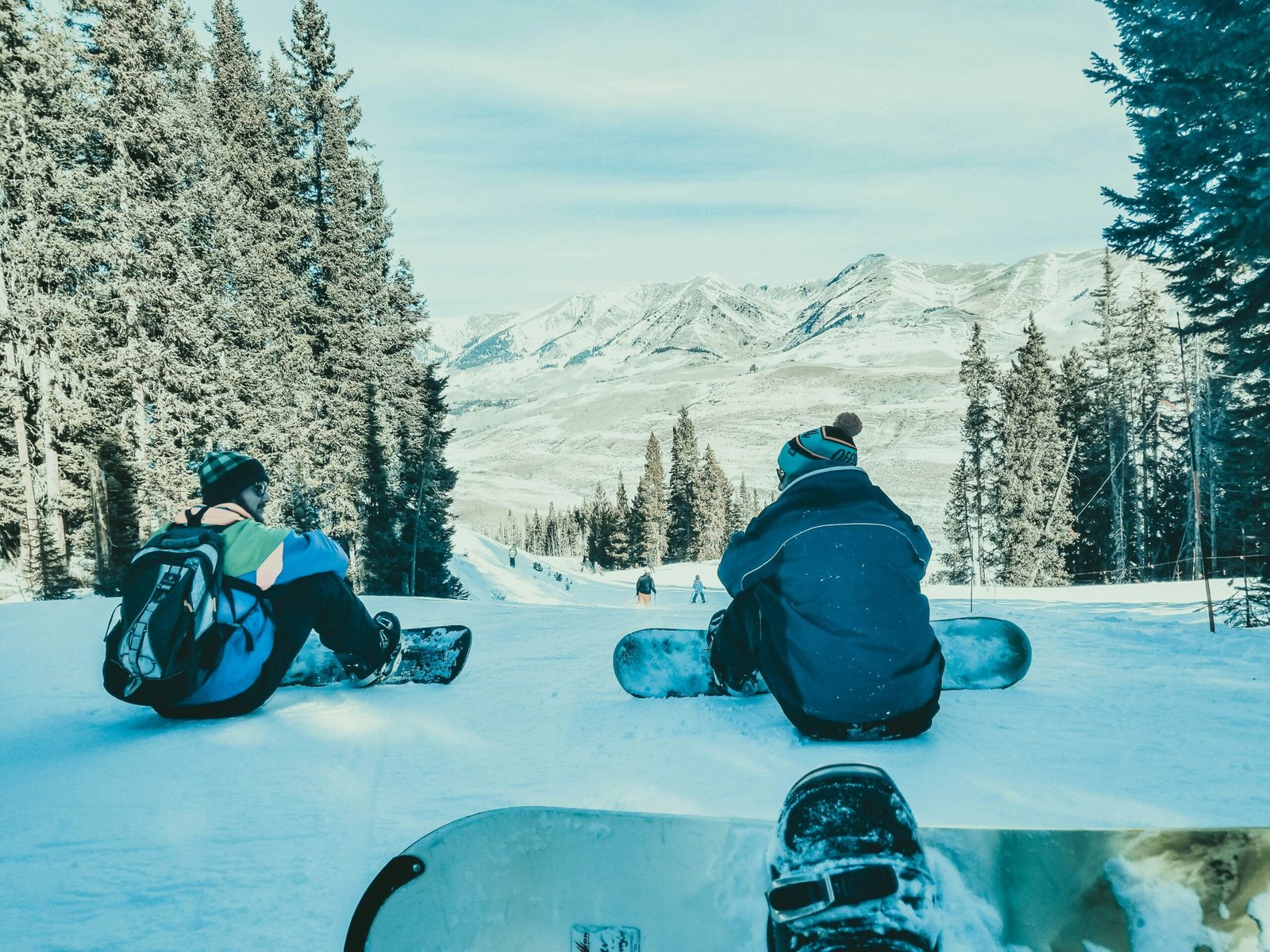
Tree runs at Mount Shasta are often the highlight for people who are fed up with monotonous groomers. You’ll zig and zag between pines, feel the snow resist and then concede, and possibly experience a moment of raw joy followed by the distant memory of your last collision with a ski pole. Always be aware of avalanche risk and observe closed-area signage.
This image is property of images.unsplash.com.
Lifts and Access
You want to know how you will get up there, and whether you’ll spend your entire trip holding onto a lift bar while trying to appear noble.
| Lift Name | Type | Load Capacity | Access Area | Notes |
|---|---|---|---|---|
| Eagle Peak Chair | Double chairlift | Moderate | Main summit access | Good for varied terrain; older but serviceable |
| North Face Chair | Triple chairlift | Higher | Northern exposure slopes | Offers a few longer runs; sometimes wind-affected |
| Bunny Lift | Magic carpet | Low | Beginner area | Perfect for kids and first-timers |
| Surface Tow | Tow rope | Low | Practice area | Useful for drills and short laps |
You’ll find that lift speeds aren’t Olympic, but they’re steady. The queues are reasonable, and on crowded weekends you’ll still enjoy a lot less personality odor per chair than at larger resorts.
Snow Conditions and Microclimates
Mount Shasta has microclimates that make meteorologists cackle with delight. You can have fresh powder at 7,800 ft and a royal ice rink on a north-facing run later the same day. The volcano affects wind patterns and precipitation, so be prepared for rapid changes in conditions. You’ll want to monitor local snow reports and consider bringing both waxing gear and temperate optimism.
Snowboarding vs Skiing at Mount Shasta Ski Park
You have to pick a side—or not. Mount Shasta is welcoming to both snowboarders and skiers, though each sport has different sweet spots on the mountain.
Why Skiing Works Here
Skiing at Mount Shasta gives you a sense of control and classical grace. The groomers reward precise turns, and the varied terrain lets you switch between carving and short-radius mogul tactics. If you’re a polished skier, you’ll find ways to feel superior in a deeply satisfying way.
Why Snowboarding Works Here
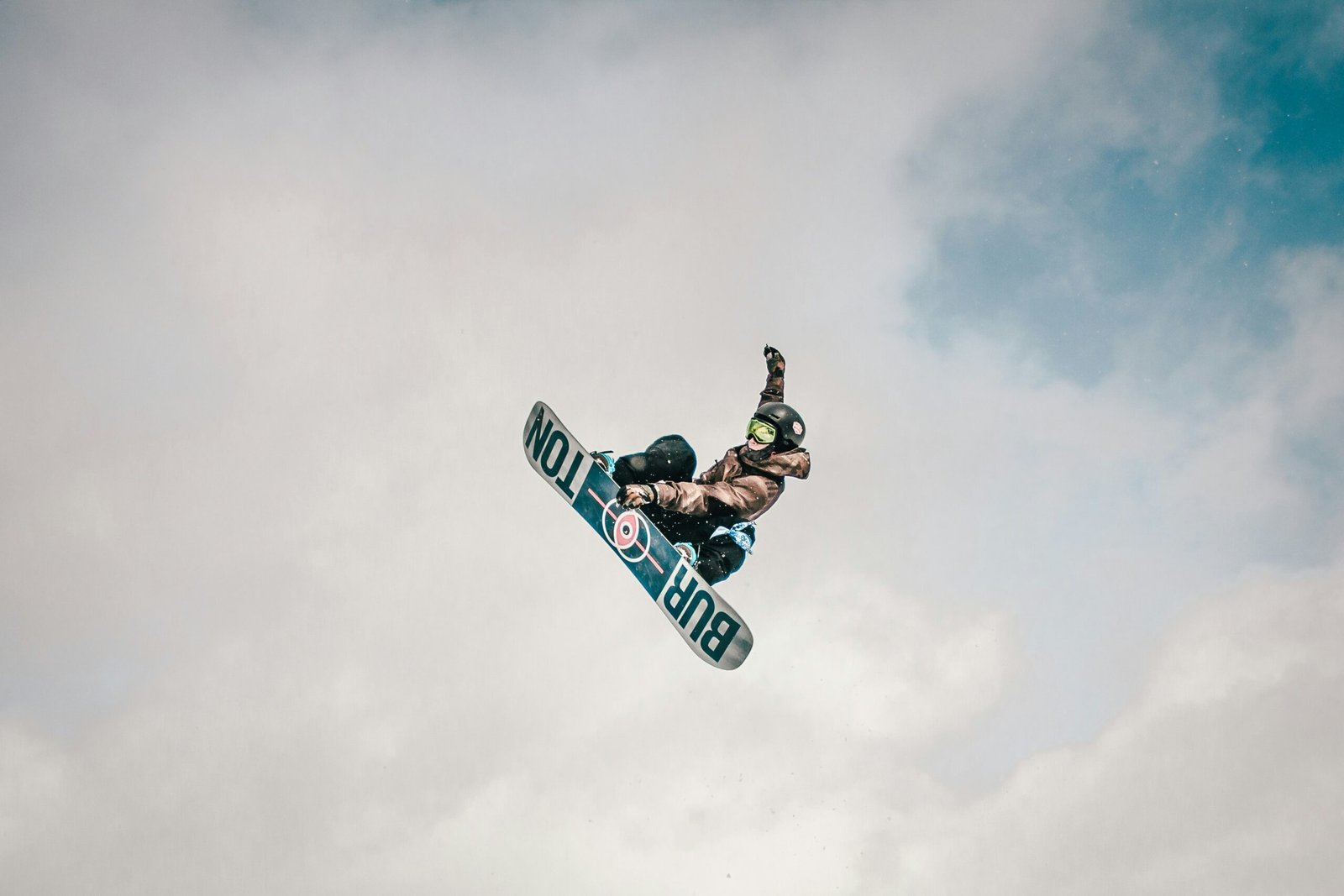
Snowboarding pairs wonderfully with the mountain’s tree runs and powdery pockets. You’ll enjoy flowing lateral turns and the occasional moment of snow spraying majestically behind you like a particularly humble fountain. Beginners in snowboarding should expect an initial phase of falling with dramatic flair.
Shared Considerations
Both sports share the same lifts and slopes, and you should be considerate of others when choosing lines and speed. Terrain parks are modest at Mount Shasta; if you require a city-like array of jumps and rails, this isn’t your habitat. But if you want natural features, a few rollers, and honest fun, you’ll be content.
This image is property of images.unsplash.com.
Lessons and Instruction
The ski school at Mount Shasta is staffed by patient people who’ve seen you fall and then conquer the same slope an hour later. You’ll find group lessons and private instruction for both skiing and snowboarding.
Private Lessons
Private lessons are for when you prefer direct guidance, a motivational pep talk, or someone to practice that edge control with. You’ll get tailored feedback, and the instructor can focus on your specific quirks (like the way you insist on looking down at your skis mid-turn).
Group Lessons
Group lessons are social and economical. You’ll meet other people at your skill level, laugh at the same mistakes, and feel less alone in your struggle with the magic carpet.
Adaptive and Kids Programs
Adaptive lessons and programs for children are available. If you’re skiing with family or have special needs, inquire ahead to ensure instructors and equipment meet your expectations.
Rentals, Shops, and Gear
It’s perfectly acceptable to show up without gear and still plan to ski; Mount Shasta’s rental shops will sort you out with everything from cartridges of confidence to boots that almost fit.
| Item | Typical Rental Cost (day) | Notes |
|---|---|---|
| Skis + Boots + Poles | $40–$60 | All-mountain options available |
| Snowboard + Boots | $35–$55 | Board type varies by size |
| Helmet | $10–$15 | Strongly recommended |
| Clothing (limited) | $20–$40 | Jackets/pants sometimes available |
| Demo/High Performance Skis | $60–$100 | Reserve ahead for specific models |
Rentals are convenient but check boot fit and binding settings. If you’re used to a particular setup, bring your own boots — your feet will thank you.
Tickets, Passes, and Pricing
You’ll want to balance budget and convenience. Lift tickets are tiered and seasonal.
| Ticket Type | Typical Price Range | Best For |
|---|---|---|
| Single-day Adult | $50–$70 | Day visitors and weekenders |
| Half-day | $35–$45 | Afternoon laps |
| Season Pass | Varies | Locals and frequent visitors |
| Multi-day or Family Packages | Varies | Families or extended trips |
| Discounted Senior/Youth | Reduced | Eligible age groups |
Buying in advance online can score savings, especially for holiday weekends. If flexibility is part of your personality, a half-day pass lets you avoid windshield snow and maintain an evening plan.
Lodging and Dining
You’ll want someplace to sleep that doesn’t threaten your dignity upon getting dressed in the morning. The town offers a range of options, from budget motels to cozy B&Bs with hosts who have opinions about everything.
Where to Stay
Options include:
- Small inns and motels near Highway 89 for straightforward access.
- Cabins and vacation rentals if you prefer more privacy.
- Campgrounds (seasonal) if you enjoy a cold night with a thermos of questionable energy drink.
Eating and Après
Après at Mount Shasta is amiable and low-pressure. You’ll find pubs with chili, pizza joints with a single overly proud slice, and coffee shops with someone writing a novel on a laptop. The vibe is: tired but honest, warm but slightly ash-smitten, and friendly without trying too hard.
Off-Mountain Activities
If you want a break from the slopes, the area offers snowshoeing, cross-country trails, and sightseeing opportunities. You can walk to scenic vistas, try local hot springs (seasonal), or enjoy the small-town cultural scene if someone happens to be holding a reading or a fundraiser.
Safety, Avalanche Awareness, and Etiquette
You’ll be glad you read this. Mount Shasta can be subject to avalanches in certain areas, especially beyond the ski park boundaries. Keep to marked trails, heed signage, and consider taking an avalanche safety course if you plan to go off-piste.
Basic Safety Checklist
| Item | Why It Matters |
|---|---|
| Helmet | Head protection reduces harm during falls and collisions |
| Beacon, shovel, probe (for backcountry) | Essential for avalanche rescues |
| Layers and water | Hypothermia is boring but real; hydration helps |
| Sun protection | Snow reflects sunlight and will betray you |
| Partner or check-in plan | Ideal in case of injury or getting lost |
Etiquette matters: yield to downhill skiers/snowboarders, control your speed, and respect closed areas. Being polite on the mountain keeps everyone’s day functional and avoids passive-aggressive pole-pointing.
Avalanche and Weather Resources
You’ll want to use local avalanche centers and weather services for current conditions. Mount Shasta’s weather can change rapidly; an otherwise reasonable morning can turn into a wind-swept, freeze-frame evening. Make decisions based on recent reports and conservative judgment.
Best Times to Visit
If powder is your love language, aim for late December through February after storms. For milder temps and firmer groomers, March is your friend. If you like quiet slopes and don’t require perfect snow, weekdays and early or late season can provide solitude and cheaper rates. Always consider holiday crowds and local school vacation calendars.
Sample Itineraries
You want structure but not a military operation. Here are a few sample days to guide you.
Beginner Day: First Turns and Hot Cocoa
- Morning: Arrive early, get rentals, join a group lesson.
- Midday: Practice on gentler slopes, have lunch at the base lodge.
- Afternoon: Take a few more runs with your new skills, wrap up with hot chocolate and a self-congratulatory pastry.
Intermediate Day: Exploring the Mountain
- Morning: Warm up on groomers, then take the North Face chair for longer runs.
- Midday: Work a few tree runs, avoid the chutes if you’re being reasonable.
- Afternoon: Finish with a camera-worthy sunset run and an easy dinner in town.
Family Day: Kids, Snacks, and Shared Glory
- Morning: Kids’ lesson or magic carpet time while adults get a few laps.
- Midday: Picnic or lodge lunch, rotations so everyone gets rest.
- Afternoon: Family-friendly slopes and early exit for baths and bedtime stories.
Learning Curve and Progression
You’ll progress at your own pace. Expect small victories to compound: your first controlled parallel turn, the moment you stop needing a lot of corrective advice, and the day you make a friend on a lift who is shockingly delightful. Be patient with yourself—skills improve with time, and every skier or snowboarder started somewhere embarrassing.
Environmental and Cultural Notes
Mount Shasta holds cultural significance for many groups and is considered a sacred mountain by some Indigenous communities. Be respectful of the land and local customs. Pack out what you bring in, avoid creating new trails through vegetation, and ask questions kindly if you’re unsure of local customs.
Gear Tips and What to Pack
You should bring essential items and consider the following list.
| Gear Category | Suggested Items |
|---|---|
| Clothing | Breathable base layers, mid-layer fleece, waterproof jacket and pants |
| Accessories | Gloves/mittens, neck gaiter, warm socks, goggles, sunglasses |
| Safety | Helmet, small first aid kit, sunscreen |
| Extras | Hydration pack, small snacks, hand warmers, multitool |
If you plan to spend long days, dress in layers and carry snacks that won’t shame you in front of strangers (trail mix averages respect points).
How to Improve Quickly
If you want accelerated skill growth:
- Take lessons from an experienced instructor.
- Film a run or two so you can watch and correct posture.
- Practice short, focused sessions on a specific technique.
- Rest and recover—tired legs make sloppy turns.
Accessibility and Family-Friendliness
Mount Shasta Ski Park aims to be accessible, but terrain and facilities are mountain-based, which imposes natural limits. The park provides beginner areas and child-friendly programs; if you have special accessibility needs, contact the park ahead of time to confirm accommodations.
Cost-Saving Strategies
You can save money in several ways:
- Rent gear and buy lift tickets online in advance.
- Consider weekday trips instead of weekends.
- Share rental equipment costs with friends who are similar in size (it’s more acceptable than it sounds).
- Bring snacks and drinks to reduce lodge prices that seem designed to fund precisely one warm, expensive beverage.
Local Culture and Character
You’ll notice a regional friendliness colored by outdoor competence and quirky local pride. People will talk about storms as if recounting romantic misfortunes, and someone will have a story about a dog that saved their skis. You might leave with more stories than you intended and a better appreciation for small-town hospitality.
Frequently Asked Questions
Q: Do I need advanced skills to enjoy Mount Shasta? A: No. The park caters to all skill levels, though some advanced runs require confidence and experience.
Q: Are rentals good quality? A: Rentals are generally well-maintained. For high-performance needs, consider reserving demo skis in advance.
Q: What is the parking situation? A: Parking is usually manageable; however, during peak storms and holiday weekends expect to arrive early and possibly walk a short distance.
Q: Are pets allowed? A: Policies vary; many lifts and buildings have restrictions. Check park rules and town regulations if you plan to bring a dog.
Planning Your Trip: Logistics and Practicalities
Plan travel times with some latitude for winter road conditions. If you rent a cabin, check for snow-clearing arrangements and heating. If you rely on rental gear, reserve in advance and arrive early to fit boots. And remember: there’s a comforting thrill in arriving with something that doesn’t fit perfectly and leaving with a story about how you made it work.
Final Thoughts and Encouragement
You will likely experience minor humiliation, great laughter, and a few moments of unexpected competence. Mount Shasta Ski Park is the kind of place that rewards curiosity and patience more than bravado. Whether you come for powder or for the slow satisfaction of a perfect groomer carve, you’ll find terrain and people that make winter feel like a series of small, advisable risks.
If you treat the mountain with respect, prepare reasonably, and keep a sense of humor, the trip will probably become one of those memories you recount with increasing embellishment. You’ll tell the story about the slope that surprised you, the lift companion who gave the best skiing advice, and the town bakery that understands the deep human need for a warm cinnamon bun. Mount Shasta will be waiting, immaculately indifferent and strangely encouraging — and you’ll leave slightly colder, vastly more confident, and oddly grateful to a volcano for letting you play on its slopes.